Futon mattress guide: sizes, setup, and care tips
Choose a futon mattress by matching the frame’s inner width and length first, then pairing it with a breathable base that supports the fill you want to sleep on every night. In my experience, most futon problems are not “bad mattress” problems at all; they are fit, support, moisture, or handling problems. Get the size or base wrong, and you can end up with sagging, trapped moisture, pressure points, and a mattress that wears out far earlier than expected. This guide keeps the decision simple: size first, base second, materials third, then setup and care.
A complete futon sleep setup includes the mattress plus the removable bedding layers used over it for warmth and washing. Traditional futons are used on tatami, while Western-style futons are often set up on a slatted frame and often have standard western mattress dimensions. TopFuton says futons can be used on a slatted base, tatami, or directly on the floor, and that matches what I have seen in practice, with one important qualifier: the base changes comfort, airflow, and upkeep more than most shopping pages admit.
What size futon mattress do I need?
Pick size in this order: body length, sleeper count, room clearance, then frame interior dimensions. For most buyers, the real mistake is buying by label alone. A “full” or “queen” futon must match the frame’s inner platform, and deeper sofa-bed frames can reduce usable sleeping length near the back rail.
Western sizes and where frame dimensions go wrong
Western-style futons often use twin, full, and queen labels because they often have standard western mattress dimensions. That label is a starting point, not the final answer.
The main failure point is the frame interior, especially on sofa-bed styles with thick side rails, a hinged deck, or a shallow seat-to-back fold point. I have measured frames where a mattress was technically the right size on paper but still bunched, overhung, or wedged into the mechanism once the bed was opened.
A practical rule helps. If the sleeper is tall, side-sleeps, or tends to drift toward the top rail, err toward the longer platform when the room allows it. If the frame has a deep back channel or thick end rails, treat some of that length as lost sleeping space rather than assuming the listed platform dimensions are all usable.
Traditional shikibuton sizing and how it differs
Traditional shikibuton is about the size of a Western twin bed. Shikibuton is usually 2–3 inches thick, though it can rarely be as thick as 6 inches. (en.wikipedia.org)
That thin profile matters as much as footprint. A shikibuton is built to go down on tatami or another firm surface, then be aired and stored more easily than a thick Western futon mattress. It behaves like a low-profile sleep system, not a sofa-bed cushion.
Full vs queen fit rules for real rooms
For solo sleepers, a full can work if the user height fits the frame cleanly and the room needs open floor space by day. For couples, queen usually makes more sense when the room can absorb the extra width and the frame has proper center support.
Use this working rule:
- If the room is tight and the sleeper is solo, prioritize exact frame fit and walkway space over upsizing.
- If two adults will use it nightly, queen is safer when the frame is built for it and center support is solid.
- If the user is tall or sleeps diagonally, avoid short-feeling sofa-bed frames with bulky end rails.
One-page size-fit table
| Setup | Best for | Watch for | Practical sizing note |
|---|---|---|---|
| Western full futon | Solo daily sleep, tighter rooms, many guest rooms | Frame depth stealing leg room, weak center deck on convertible frames | Good when frame fit is exact and room cannot spare queen width |
| Western queen futon | Couples, taller sleepers, wider dedicated sleep setups | Needs stronger frame and center support; heavier to fold | Better for nightly two-person use if room clearance still works |
| Shikibuton | Low-profile floor or tatami sleeping, frequent airing and storage | Too firm for some side sleepers; moisture risk on sealed floors | Traditional shikibuton is about the size of a Western twin bed |
As a market example rather than a proof point, TopFuton lists multiple natural-fill styles and price tiers, including cotton models; the same vendor page also shows how much constructions can vary by fill and thickness. For reference, the original listing is here:.
Must-have
The non-negotiables are not product-specific. They are exact size fit, a support base that lets air move under the mattress, and a removable cover system that can be washed while another layer stays on the bed. Without those three basics, even a well-made futon can feel worse and age faster than it should.

Jamdok full-size 6-inch futon mattress replacement
As a worked example, this kind of mid-thickness replacement mattress shows the tradeoff many shoppers face: more cushion than a thin floor futon, but more bulk to fold, carry, and dry. Based on the spec sheet, the removable washable cover is the feature I would care about most for real life, because sweat and small spills are easier to manage when the outer layer can come off quickly. The limitation is still size specificity. A full-size replacement solves a full-size frame problem, not a queen-frame problem, and foam-heavy builds may feel warmer in rooms that already hold moisture.

Four Seasons Essentials waterproof full futon protector
A fitted protector matters more on futons than on raised mattresses because spills and body moisture often travel downward into slower-drying fill. A zippered encasement can be useful for accidents, dust, and easier cleaning. The tradeoff is breathability. Any waterproof layer may hold more warmth or reduce airflow a bit, so I treat it as a practical protection layer, not a comfort upgrade.
Why these are the non-negotiables
The three must-haves are simple: exact size fit, a support base that lets air move under the mattress, and a cover system that can be washed while another layer stays on the bed. Without those, even a good fill breaks down early.
Thickness filters can help you narrow options, but thickness only matters after the setup has airflow and size fit. In practice, I would take a 4-inch mattress on close slats over a thicker one on a bad base every time.

Nice-to-have
Once the essentials are handled, the upgrades that usually matter are better airflow under the mattress, easier airing, and less hassle in damp weather. In a dry room these extras may feel optional. In a small apartment or humid climate, they can make the difference between a futon that stays fresh and one that becomes a maintenance chore.

Meulbaty foldable Japanese tatami bed frame
For floor sleepers who want better airflow, this style of foldable raised base can be a practical middle ground. Based on the listed design, the main benefit is lift and easier drying rather than luxury. I especially like this kind of setup in rooms where the floor runs cool in winter. The drawback is that a low frame still takes floor area when opened, and it will not solve a genuinely damp room by itself.
Tatami or a breathable underlay
Traditional futons are used on tatami for a reason. Tatami softens the surface slightly and handles moisture better than a bare sealed floor. A breathable underlay can serve a similar role when tatami is not practical, especially under a shikibuton or a thinner cotton futon.
Moisture tools for damp rooms
A hygrometer, small fan, or dehumidifier usually helps more than a softer topper when the room has winter condensation or weak ventilation. Mold starts at the base. Check the room first, then fix the moisture source before adding padding.
Consumables and spares
The useful spares are boring but important: a second cover, towels for blotting, a mild cleaner that will not saturate the fill, and a replaceable breathable layer if the mattress lives close to the floor. Those are the items I reach for most often because they keep the setup usable while other pieces dry.

TRUPEDIC 54 x 75 x 8 futon mattress
This thicker style is a useful example of the comfort-versus-handling tradeoff. Compared with thinner traditional futon options, an 8-inch mattress may soften a hard frame and look more sofa-like in a living room. The drawback is fold bulk. In my experience, this is the kind of mattress people are least likely to stand up and air regularly because it is awkward, and that matters if the room is small or humid.
Spare covers, cleaning supplies, and replacement underlays
Keep a second cover if the futon is used nightly. One can be in the wash while the other stays in place, which matters after a sweat-heavy night or a spill. A mild spot-cleaner, absorbent towels, and a replaceable breathable underlay are the quiet workhorses of futon care.
Seasonal bedding swaps help too. In humid months, lighter bedding lowers overnight moisture load. In colder months, heavier duvets can trap more body moisture in the mattress if the room stays closed up all day.
What materials are best for a futon mattress if I sleep on it every night?

For nightly sleep, look for fills that recover shape, manage moisture, and match the base underneath. Cotton tends to compress sooner than springier materials. Latex generally rebounds more. Wool is valued for moisture and temperature buffering. Coconut fiber is usually used to add firmness and airflow rather than plushness. Layered builds often make more sense than single-fill designs because they can balance pressure relief with recovery.
Cotton fill
TopFuton says futons are made from cotton, wool, latex or coconut fibers. Cotton is the familiar entry point. It starts comfortable for many people, breathes reasonably well, and usually folds more easily than denser foam-heavy builds.
The tradeoff is maintenance. Cotton usually compresses faster than springier fills, especially under hips and shoulders. On the floor, that compression can turn into hard spots if the mattress is not rotated, aired, and occasionally fluffed.
Latex fill
Latex suits sleepers who want stronger pushback and less body impression over time. It tends to rebound better than plain cotton and can feel more stable for mixed sleep positions.
The downside is weight and fold resistance. Latex-heavy futons can be harder to move, harder to hang for airing, and less friendly on tight sofa-bed hinges. As a rough market signal, TopFuton offers a futon latex starting at 5,100 Kč, which fits the usual pattern of latex costing more than simple cotton builds.
Wool fill
Wool helps with temperature regulation and moisture handling. For sleepers who run warm or live in climates with cold nights and damp mornings, wool can be easier to live with than cotton alone.
It still needs airing. No fill makes a floor setup immune to trapped dampness. Wool may buffer moisture better than some alternatives, but the room and base still decide whether that moisture escapes.
Coconut fiber and layered builds
Coconut fiber usually shifts the feel firmer and can improve internal airflow. It is most useful as a structural layer rather than as the main comfort layer.
Layering changes the result. Cotton over coconut fiber usually feels firmer after the first compression period. Wool over latex tends to feel steadier and drier. I find this is where generic buying pages get too vague: mixed fills change both comfort and upkeep, so the “best” material depends on how often you will air, rotate, and move the mattress.
Daily-sleep material picks by living situation
- Nightly sleepers on a slatted base: latex or wool-rich layered builds usually hold shape better.
- Hot sleepers: wool or coconut-fiber blends usually manage moisture better than thick foam-dominant builds.
- Allergy-prone users: latex is often positioned as the cleaner-feeling choice, paired with a zippered protector.
- Small-apartment owners who must fold often: thinner cotton or cotton-wool builds are easier to handle than heavy latex-rich mattresses.
TopFuton says futons are suitable for everyday sleeping, and that is directionally true when the fill matches the setup. A nightly-use futon on bad flooring still fails early.
Futon vs. Sleeper Sofa for Nightly Sleep
A sleeper sofa with a thick mattress generally outperforms a futon for nightly sleep, offering better spinal support and less daily setup friction. A futon remains the practical choice only when budget constraints are tight and you can tolerate firmer, thinner cushioning over time.
Picking the wrong option leads to sore backs, poor rest, and frustration from converting the bed every evening. The comparison of futon versus sleeper sofa breaks down comfort differences, room footprint in both sofa and bed modes, frame durability, and long-term costs. It also includes a decision matrix to score each option against your specific space and sleep needs before purchasing.
Is a Serta futon mattress worth buying?
A Serta futon mattress works well for occasional guest use and small-space seating, but nightly sleep requires choosing a thicker model with adequate support and pairing it with a sturdy frame. Selecting the wrong thickness or density leads to premature sagging and poor overnight comfort.
The Serta futon mattress review breaks down comfort, fit, and value across different use cases. It compares specific models, explains which frames are compatible, and identifies who should avoid these mattresses entirely. This helps you match the right Serta option to your actual sleeping frequency and room size before purchasing.
Can I use a futon mattress directly on the floor?
Yes, but only when the room stays dry, the floor surface does not trap moisture, and the mattress is aired often. Floor use works best with thinner shikibuton-style bedding or with a breathable layer underneath. On sealed floors in humid rooms, floor setups are where odor, damp patches, and mold usually start.
Directly on the floor
TopFuton says futons can be used directly on the floor. That does not mean every floor is equally safe. Concrete slabs, vinyl plank over cool subfloors, and sealed wood can all create a colder underside where body moisture condenses.
Floor use is usually acceptable when the room has steady ventilation, the mattress is lifted often, and there is some breathable layer between mattress and surface. Without that, the underside can stay damp long after the top feels dry.
Tatami setups for low-profile daily sleep
Traditional futons are used on tatami, and this pairing still makes sense. Tatami gives a stable, firm surface with better moisture behavior than many modern hard floors. It also suits the traditional shikibuton profile, which is usually 2–3 inches thick.
For sleepers who want a minimal setup and are willing to air the bedding on schedule, tatami is the cleanest low-profile base choice.
Slatted frames for Western futons
Western-style futons are often set up on a slatted frame. Slats spaced fairly close together usually support thinner mattresses better and let the underside dry; many frame and mattress makers suggest narrow gaps rather than wide spacing. Wider gaps can create pressure lines, sagging, and hinge stress where the frame folds.
Center support matters on full and even more on queen widths. Without it, the mattress takes the bend and the frame flex at the same time, which speeds wear.
Wood vs metal futon frames
Wood frames often pair better with thicker futons because the slat surface is broader and the fold transition can feel less sharp. Metal frames can be strong, but thin crossbars can telegraph through slim mattresses.
On sofa-bed style frames, thick mattresses fold less willingly. On rigid platform slats, thick mattresses may feel better but store worse. That tension drives many setup regrets.
How thick should a futon mattress be for everyday sleeping?
Thickness decides three things at once: pressure relief, foldability, and drying speed. Shikibuton is usually 2–3 inches thick and suits firm low sleeping. Many nightly Western setups land in the 4 to 6 inch range. Above that, comfort can improve on hard frames, but folding, lifting, and storage usually get harder.
2 to 3 inches
This is the classic shikibuton zone. It works best on tatami, a breathable underlay, or another very flat supportive base. Back sleepers and sleepers who prefer a firm surface often tolerate it better than side sleepers.
It stores easily. It also asks more of the user: regular airing, careful base choice, and some acceptance of a firmer sleep feel.
4 to 6 inches
This is the practical middle for many Western futon buyers. It gives enough cushion to soften slats and frame bars without becoming a wrestling match every time the bed is folded or aired.
For everyday sleeping, this is often the safest starting point when the frame is decent and the room is not damp. A sensible way to choose within this range is to match thickness to the base and your pressure points: closer to the thinner end on a flat, supportive slatted deck, and closer to the thicker end if the frame feels hard through the hips and shoulders. TopFuton offers a futon made of cotton starting at 4,400 Kč and a futon deluxe starting at 8,400 Kč, which at least shows how build complexity rises as loft and materials change.
6 inches and up
Thicker futons can feel better on marginal frames because they buffer hard spots. They also bring more edge softness, which some sleepers like and some dislike on sofa-bed frames where the perimeter already flexes.
The penalty is stowability. Once a futon gets bulky, it is slower to dry, harder to fold tightly, and more likely to fight the frame at the hinge.
How sleep position changes the target
Side sleepers generally need more pressure relief than back sleepers on the same base. Stomach sleepers often prefer a flatter, firmer build. If the base is corrected first, a thinner mattress may still work. If the base is poor, adding thickness often only masks the problem for a while.
Do I need a slatted frame for a Western-style futon?
No, but a slatted frame is usually the safer long-term choice for a Western futon mattress because it combines support with airflow. A solid deck can trap more moisture. Floor placement can work in dry rooms. Sofa-bed mechanisms need extra attention to slat spacing, center support, and whether the mattress can bend without bunching.
When a slatted frame is the best match
Choose slats when the futon will be slept on often, especially by adults. The base dries faster, the mattress keeps shape longer, and cleaning under the bed is easier. Western-style futons are often set up on a slatted frame for good reason.
When a solid or floor setup can still work
A shikibuton on tatami is the classic exception. A floor setup can also work for short-term guest use in a dry room when the mattress is lifted after use. Problems start when occasional-use logic gets applied to everyday sleeping.
Choosing the right slats for a futon frame
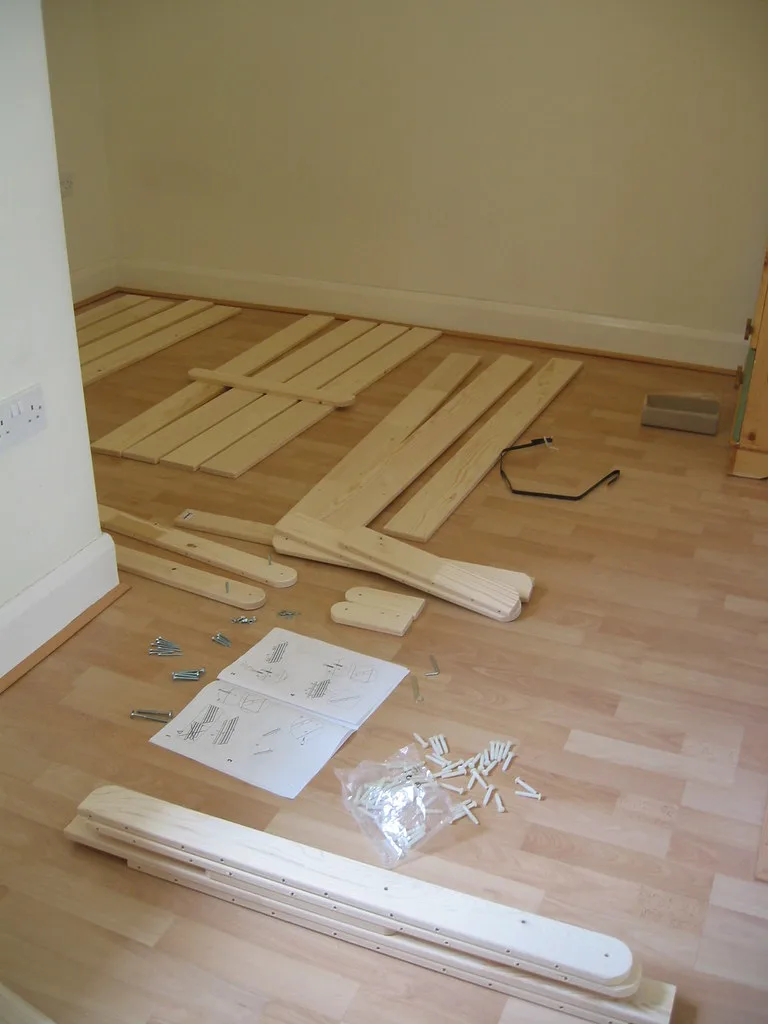
The support system beneath your futon determines whether it sags, squeaks, or holds up to nightly sleep. Solid-wood slats with heavy center reinforcement outperform light-duty options by resisting mattress bowing and distributing weight evenly across the frame.
Different setups demand different solutions: low-profile floor use benefits from foldable frames, while modular tatami arrangements work best with interlocking pallet-style slats. Matching the slat type to how you actually use the futon prevents premature wear on both the mattress and the frame itself. Our guide to best bed slats breaks down specific models for nightly sleeping, custom replacements, and hardware repairs so you can pick the right base before assembling your setup.
Platform Bed vs Futon Frame: Choosing the Right Base for Your Room
A platform bed delivers firmer, more consistent support for nightly sleep, while a futon frame converts a bedroom into a living space during the day. Picking the wrong base leads to poor posture, an uncomfortable sofa-bed hybrid, or a room layout that never feels right—especially in studios and tight guest rooms.
The decision comes down to your primary use case. If you prioritize sleep quality and dedicated rest, a platform bed is the stronger choice. If you need flexible daytime seating and frequently switch a room’s function, a futon frame fits better. This breakdown of platform bed vs futon compares comfort, mattress compatibility, and space efficiency across bedrooms, studios, and multipurpose rooms so you can match the frame to your exact floor plan.
KD Frames Futon Frame Worth It?
KD Frames futons use hardwood construction, which helps them hold up under daily guest or sleeping use without the wobble or sagging common in cheaper units. The mattress alone does not offer sofa-level comfort, so the frame’s stability is a major factor in the overall experience. If you want a durable base that won’t require frequent replacement due to joint loosening, this is a strong option. For a detailed breakdown of comfort, assembly difficulty, and a comparison against DHP and Zinus models, see our full KD Frames review.
How do I stop a futon mattress from getting moldy?
Prevent mold by letting the underside dry on a schedule, reacting fast to sweat or spills, and changing the setup when the room stays damp. Weekly airing is the baseline. In winter humidity or on floor setups, increase it. The warning signs are musty odor, cold damp patches underneath, and dark spotting.
Weekly airing by setup type
Futons must be aired regularly to prevent mold. For a slatted frame, tilt or stand the mattress up weekly so both faces and the underside can release moisture. For tatami and floor setups, this matters even more because the base is closer to the cool room surface.
Shikibuton owners should treat airing as routine care, not occasional rescue. Its lower thickness dries faster, but it also picks up base moisture faster when neglected.
What to do after sweating, spills, and winter humidity spikes
- After a sweaty night, pull bedding back in the morning and let the top surface vent before making the bed.
- If the underside feels cool or damp, lift the mattress and air the base the same day.
- For spills, blot hard with towels, remove covers, and separate layers so moisture does not stay trapped inside.
- Use moving air and a dry room. Avoid soaking spot cleaners into the fill.
- During winter humidity spikes, increase airing frequency and use a fan or dehumidifier near the sleep area.
Drying practices that help
Gentle airflow beats heat blasts. The aim is to dry the fill without baking it or trapping moisture deeper inside. If sun is available and the material allows it, brief airing can help, but long damp-to-hot cycles are harder on natural fills.
Early warning signs and the response
| Warning sign | Likely cause | Response |
|---|---|---|
| Musty odor | Underside staying damp between nights | Lift, air both sides, inspect base, reduce room humidity |
| Cold damp patch underneath | Condensation on sealed floor or solid deck | Add tatami or breathable underlay, increase airing schedule |
| Dark spotting | Active mold growth | Isolate mattress, clean per cover and fill limits, replace underlay if needed |
| Sagging plus odor | Compression holding moisture in body zones | Rotate, dry thoroughly, reassess fill and base compatibility |
How often should I air out a futon mattress?
At minimum, air a futon weekly, and increase that pace for floor setups, sweaty sleepers, or damp seasons. Traditional shikibuton needs especially regular airing because it is thin and used close to the floor. Any time the underside feels cool and clammy, air it that day rather than waiting.
Care schedule by setup
| Setup | Weekly | Monthly | Seasonal |
|---|---|---|---|
| Floor | Lift and air, inspect underside, ventilate room | Clean underlay, rotate mattress | Increase drying in winter humidity; lighten bedding in humid months |
| Tatami | Air mattress and tatami surface | Rotate mattress, brush and dry tatami surface as needed | Watch rainy periods and closed-room moisture buildup |
| Slatted frame | Stand mattress or fold open for airflow | Check slats, fasteners, and center support | Deep clean cover, reassess room humidity and bedding weight |
How do I choose a futon mattress for a small apartment?
Start with storage and floor clearance, then choose the thinnest mattress that still suits nightly comfort. Thick futons feel plush but fight folding and drying. In small apartments, full size often fits better than queen, and shikibuton or mid-thickness builds are easier to air, stand up, and move out of the way.
Small-space size and storage rule
If the mattress must fold daily or stand against a wall, avoid overbuilt thickness unless the frame stays open full-time. I have found that a slightly firmer mattress on a better base is easier to live with than an extra-thick mattress that never gets aired because it is too awkward to handle.
Three real-room examples make the rule clearer. In a studio with one narrow walkway, a full-size mattress on close wood slats is usually easier to manage than a queen that blocks storage. In a guest room used a few weekends a month, a thinner futon with a breathable underlay can work because it is easy to lift and dry. In a humid ground-floor apartment, I would prioritize lift and airflow over softness every time, even if that means a firmer feel at first.
Choosing a futon for tight dorm rooms
A dorm futon must fit a 72-inch or smaller frame, clear narrow doorways, and navigate stairwells or elevators without blocking traffic. Prioritizing your main need—sleeping, sitting, or storage—before measuring the delivery route prevents buying a piece that simply will not move in or function as a usable bed.
The guide to college dorm futons breaks down how to measure your room and transit path, then compares specific options like thin Japanese mattresses, gel memory foam toppers, and metal sofa bed frames. It also covers practical add-ons such as fitted covers and under-bed cube organizers to maximize limited square footage.
Convertible Sofa Selection for Small Living Rooms
Selecting a sofa that doubles as a bed in a cramped living area demands precise dimensions and a space‑saving mechanism. The article “Best Convertible Sofa for Small Living Rooms” breaks down the ideal 72‑84‑inch length, required front clearance, and the difference between wall‑hugging pull‑out frames and traditional sleeper designs. It also compares comfort, durability of upholstery, and provides a decision table so you can measure your room before you buy. By following this guide you avoid blocked walkways, mismatched storage doors, and uncomfortable night‑time sleep, ensuring the sofa fits both daily living and occasional guests. Check the convertible sofa guide for detailed picks and sizing tips.
Choosing Bedding for a Sofa Bed
When a sofa bed doubles as a guest room, the right bedding can make the difference between a restless night and a hotel‑like sleep. The guide breaks down the optimal stack: a low‑profile mattress protector, a fitted sheet that matches the mattress depth, a lightweight blanket or duvet, and a flat sheet only if you keep the bed made. It explains why each layer must stay under 10 inches, how to select thin toppers for pressure relief without hindering the fold, and which deep‑pocket sheets stay put. Following these tips prevents the mechanism from jamming, avoids bunching, and keeps sleepers comfortable with the best sofa bed bedding.
When a DHP Futon Makes Sense for Guest Rooms
DHP futons work best as guest room beds or light-use seating when kept under roughly $500. Using one as a primary mattress often leads to sagging support, noisy frames, and unexpected upgrade costs to achieve acceptable sleep quality.
A detailed DHP futon review breaks down comfort, frame fit, size compatibility, and total ownership cost for apartments and everyday sleeping. It includes a use-case decision table that clarifies whether a specific model suits occasional visitors or nightly rest, helping you avoid spending on a frame that requires immediate replacement parts or a thicker mattress pad.
Is a Better Homes & Gardens futon worth buying?
A Better Homes & Gardens futon works for occasional guest seating or a light-use spare room, but it struggles under nightly sleep or heavier daily loads. The thin mattress and budget frame hardware tend to sag and squeak within months if pushed beyond casual use.
Before committing, evaluate the five most common use cases—from dorm rooms to home offices—to see where this model fits and where you should invest in a sturdier alternative. Our Better Homes futon review breaks down comfort, assembly effort, maintenance requirements, and the exact warning signs that the purchase is no longer a smart buy.
Is an IKEA Futon Worth It for Your Space?
An IKEA futon works well for guest rooms, dorms, and short-term seating, but only the thicker, higher-priced models hold up for nightly sleep. Choosing the wrong one often means paying twice—once for the initial purchase and again for an early replacement when the thin padding compresses.
The IKEA futon review breaks down every model by use case, comparing hidden costs, comfort levels, and how the sleeper sofa range stacks up in-store. It includes a worth-it scorecard that matches specific frames to kids’ rooms, home offices, and small apartments so you can pick the right configuration before buying.
Futon setup checklist, size-fit table, and care schedule
One-page checklist
- Measure the frame interior width and length, not the outer frame.
- Check whether rails or fold hinges steal usable sleep space.
- Choose the base first: tatami, floor with breathable layer, or slatted frame.
- Match thickness to use: thinner for storage and low-profile setups, thicker for hard frames and daily use.
- Pick fill by maintenance tolerance: cotton needs more upkeep; latex rebounds better; wool handles moisture; coconut fiber firms the build.
- Add a washable cover and a protector sized to the actual futon dimensions.
- Set a weekly airing routine before the mattress arrives.
- Plan a spill response kit: towels, spare cover, fan, and cleaning cloths.
Base compatibility matrix
| Base | Comfort feel | Airflow | Foldability | Main failure case |
|---|---|---|---|---|
| Bare floor | Firmest | Weakest | Good with thinner futons | Trapped moisture underneath |
| Tatami | Firm, more forgiving than hard floor | Better than sealed floor | Good with shikibuton | Neglected airing in humid weather |
| Slatted wood frame | Balanced if slats are close enough | Good | Depends on mattress thickness | Sagging if slats are too far apart |
| Metal futon frame | Can feel harder with thin mattresses | Good | Good on sofa-bed styles with the right mattress | Pressure lines from thin bars or sharp fold points |
Care schedule with spill and mold scenarios
| Scenario | Do immediately | Do within 24 hours | Escalate when |
|---|---|---|---|
| Normal weekly care | Pull bedding back and check for dampness | Air the mattress and inspect the base | The underside stays cool or clammy after airing |
| Small spill | Blot with towels and remove washable layers | Dry with moving air; keep the mattress off the base until dry | Moisture reaches the fill or odor remains |
| Sweat-heavy week or heat wave | Vent the room each morning | Increase airing frequency and lighten bedding | Musty odor develops despite airing |
| Visible mold spotting | Isolate the mattress and stop using the damp base | Clean only within the cover and fill limits; dry all components fully | Spotting returns, spreads, or penetrates the core |
Budget setups
Budgeting for a futon works better when you think in systems rather than in a single mattress price. A cheaper mattress on a bad base can cost more in replacements, while a simple mattress on a breathable setup can last longer and feel better.
| Setup tier | Best use | Key pieces | Price from provided data |
|---|---|---|---|
| Starter | Low-cost floor setup with moisture management | Cotton futon, breathable underlay, washable cover | TopFuton cotton starting at 4,400 Kč |
| Mid | Nightly slatted setup with better recovery | Latex futon or mid-thickness replacement mattress, protector | TopFuton latex starting at 5,100 Kč |
| Serious | Tiny-apartment setup that still feels settled for daily sleep | Deluxe layered futon, foldable raised base, spare cover plan | TopFuton deluxe starting at 8,400 Kč |
The decision rule I use is simple: spend first on airflow and fit, next on the fill that matches how often you will sleep on it, and last on extras. That order has saved me more trouble than chasing a thicker mattress alone.
Frequently asked questions
What size futon mattress do I need for a full or queen frame?
Match the mattress to the frame’s interior deck, not the label on the listing. Full usually suits solo sleepers and tighter rooms, while queen is better for couples and taller sleepers if the frame has center support. On sofa-bed styles, rails and fold points can reduce usable sleep length.
Sources
- TopFuton product and materials pages for stated futon uses, fill options, and price-tier examples.
- Manufacturer guidance from futon and bed-base makers on matching mattress dimensions to interior frame dimensions and using close slat spacing for support.
- Sleep-health and indoor-air guidance from established health organizations on moisture control, ventilation, and mold prevention in sleep spaces.
- General reference overview: en.wikipedia.org.
Products related to this article
Sponsored / affiliate links. As an Amazon Associate I earn from qualifying purchases. I may earn additional commission from eligible campaigns.