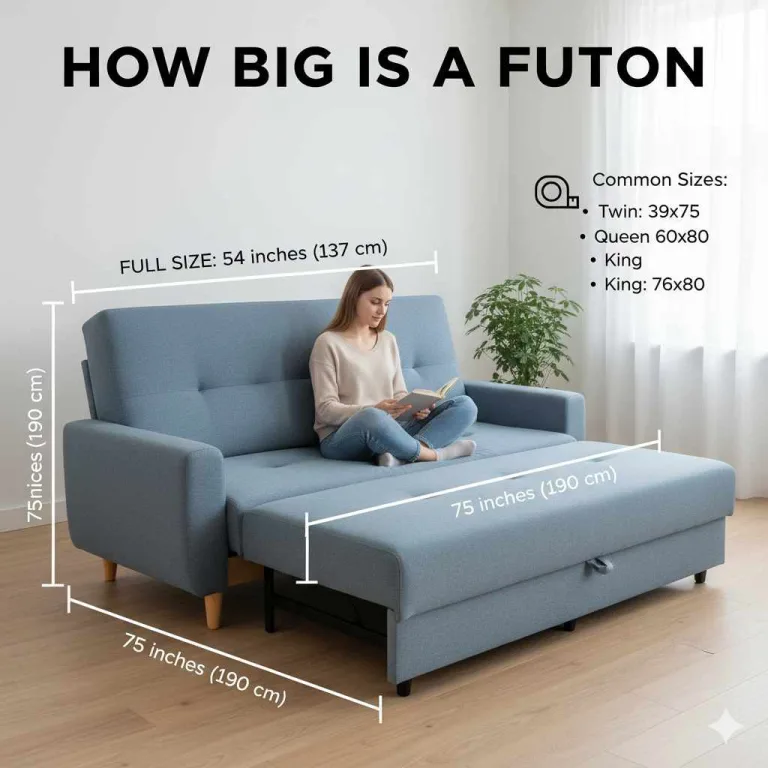
Futon Mattress vs Sofa Bed Mattress: Which Fits Your Space?
A sofa bed mattress often gives out first at the folds, with thin foam flattening or springs tiring at the hinge line. A futon mattress usually gives out first through sagging and moisture. I’d choose a sofa bed for nightly use, and a futon for lighter, more flexible sleeping. Miss the frame match, and you get sore backs, noisy joints, mildew, and a bed that feels worse each month. This guide compares support, airflow, maintenance, and the first breakdown point for each in small spaces.
| Decision factor | Futon Mattress | Sofa Bed Mattress | Winner |
|---|---|---|---|
| Daily sleeping support | Good only when the build is thick enough and the base is flat; thinner shikibuton-style builds feel firm fast. | Usually better for nightly use when the mechanism supports a real mattress core. | Sofa Bed Mattress |
| Storage and handling | Folds or rolls for easy stowage, especially in small rooms. | Built into the sofa; no separate mattress to store, but the mechanism is fixed in place. | Futon Mattress |
| Airflow and moisture control | Better if aired regularly and used on a slatted frame or tatami-style base. | Often trapped inside a frame, with less daily drying opportunity. | Futon Mattress |
| Frame compatibility | Needs the right futon frame or floor-style support; usually does not fit a pull-out sofa mechanism. | It needs to match the sofa bed hardware and available clearance closely. | Tie |
| Guest-bed comfort | Works for short stays, especially with foam, wool, or latex layers. | Often feels more bed-like for visitors if the mattress is thicker and the frame is sound. | Sofa Bed Mattress |
Futon mattress vs sofa bed mattress: the core trade-off



A futon mattress is generally a standalone pad made for floor support or a slatted futon frame, while a sofa bed mattress is made to fit inside a pull-out or fold-down mechanism. That split changes weight limits, fold lines, airflow, and where the first breakdown shows up during daily use.
Traditional shikibuton sits at the light end of the futon family. It is usually 2–3 inches thick and rarely reaches 6 inches, so it depends on the base beneath it. A sofa bed mattress is usually thicker and more mattress-like, but it also has to survive hinges, folds, and limited clearance.
Why daily use exposes weak points faster
Nightly sleeping compresses the same zones again and again. On a futon, that often shows up as sagging, body impressions, and trapped moisture if it is not aired out. On a sofa bed mattress, failure often begins at the folds, where foam softens first or springs start to feel the bar effect.
The pattern is plain. A futon tends to fail as a sleep surface. A sofa bed mattress tends to fail as a mechanism-based mattress. Both can feel fine at first, then turn annoying in different ways.
According to Buy Sofa Beds Futon Mattress Online Oman – IKEA — The IKEA NYHAMN pocket sprung mattress is 140×200 cm.
How the construction differs

A futon mattress is usually cotton-based, though wool, foam, latex, and coconut fiber versions are common now. A sofa bed mattress is usually built from foam or innerspring layers, and pocket sprung versions appear in better convertible systems. The purpose is different, so the structure is different.
Futon mattress materials and thickness ranges
Traditional shikibuton comes from Japanese sleep setup, often paired with tatami mat support. A traditional futon set is often described as including a mattress and a duvet. Tatami helps with moisture absorption and release, which matters because futons must be aired regularly to prevent mold and mites. (en.wikipedia.org)
Cotton futons feel pliable and easy to roll, but cotton packs down with use. Wool handles moisture better. Latex gives better buoyancy and tends to recover shape more reliably. Coconut fiber can add firmer support, though it usually feels stiffer under the shoulder and hip.
Sofa bed mattress materials, springs, and foam
Sofa bed mattresses are designed around the mechanism first. Soft Bedroom says sofa bed mattresses typically range from 6–12 inches, which explains why many feel more like a real bed than a floor pad. The thickness only helps if the frame has enough clearance to close and open cleanly.
Foam versions are lighter and easier to fold, but they can bottom out faster under heavier bodies. Pocket sprung sofa bed mattresses feel firmer and support movement better, which is useful for side sleepers who need the shoulder and hip to sink without collapsing onto the bars underneath.
Which feels better for sleeping?
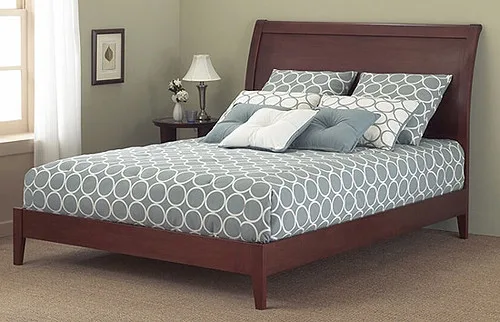
For most nightly sleepers, a sofa bed mattress feels better if the frame is built for it and the mattress is thick enough to stop bar pressure. A futon can feel excellent for firm-surface fans, but a thin shikibuton is less forgiving for side sleepers, heavier bodies, and anyone with pressure-sensitive hips or shoulders.
Daily sleeper support and pressure relief
Back sleepers often tolerate a firmer futon better than side sleepers do, especially when the base is flat and supportive. Side sleepers usually need more depth and contour, which is why latex, foam, or a pocket sprung sofa bed mattress tends to perform better in daily use.
Heavier sleepers should be careful with thin cotton futons and thin foam sofa bed mattresses. Both can compress too far, but the futon will usually telegraph floor hardness sooner, while the sofa bed mattress may create localized pressure over the bar structure.
Occasional guest comfort
For guests, the comfort target changes. A firmer futon can work well for short stays if it is thick enough and the room is dry. A sofa bed mattress usually wins when guests want a more familiar bed feel and the frame is built to keep the surface level.
Memory foam futon mattress designs, especially tri-fold versions, can be useful here because they save space and may add more cushioning than a basic cotton pad. They still need a dry storage plan, though.
Which works better in a small room?
Futons usually win on storage and handling because they can be folded or rolled away. Sofa bed mattresses do not need separate storage, but the sofa frame remains in the room at all times and the mechanism takes space. In a studio, the better choice depends on whether sleeping space or seating space is the tighter constraint.
Storage and handling
A futon mattress can be moved to a closet or aired upright during the day. That flexibility matters in a tight apartment where one room has to do three jobs. A sofa bed is simpler to operate day to day, but the mattress stays attached to the frame, so the room keeps that footprint even when no one is sleeping.
Airflow in tight spaces
Airflow is where futons and sofa beds split hard. A futon on tatami or slats can dry more evenly if it is turned and aired on schedule. A sofa bed mattress can sit in a more closed environment, which helps explain why moisture buildup and stale odors can appear faster in humid rooms.
Heat and moisture buildup in humid rooms
In humid spaces, cotton-heavy futons need more care because they hold moisture and can stay damp if they are not dried properly. Wool and latex manage humidity better. Foam sofa bed mattresses can also retain heat, while pocket springs give more internal airflow, though the cover and frame can still limit drying.
How the frame changes the answer
Frame fit decides whether the mattress works at all. Western-style futons are often set up and stored on a slatted frame, and they often have standard western mattress dimensions. A sofa bed mattress must match the pull-out or fold-down system, including thickness, fold points, and clearance.
Futon frame slats and floor support
A futon frame usually uses slats or floor-like support, which keeps air moving under the mattress better than a solid base does. Tatami can work as a traditional base, but it still needs room to breathe. Put a futon on a sealed platform and moisture control gets worse quickly.
Sofa bed mechanism clearance
A sofa bed needs clearance for bars, hinges, and the folding motion. If the mattress is too thick, the sofa will not close cleanly. If it is too thin, the sleeper feels the metal understructure. That is why sofa bed mattresses are sized around the mechanism instead of around the bedroom floor.
Why a futon mattress usually does not fit a sofa bed frame
A futon mattress is usually too loose, too floppy, or the wrong thickness for the hardware. It is not built to bend at the same points as a pull-out mattress. In practice, trying to swap them causes uneven folding, poor closure, and early wear on both the mattress and the frame.
What materials make a futon mattress more breathable or supportive?
Wool and latex are the most useful upgrades when breathability and support both matter. Cotton feels familiar and folds well, but it can hold moisture. Coconut fiber adds firmness. Foam improves cushioning. Pocket springs add lift and motion absorption, which helps when the mattress has to serve more like a guest bed.
Cotton and wool for feel and moisture control
Cotton is common in traditional futons because it is simple and compresses into a roll. Wool handles humidity better and dries more forgivingly after airing. That makes wool a smarter choice than plain cotton in rooms that stay warm or damp.
Latex and foam for support and motion absorption
Latex keeps a futon from feeling dead and flat. It also springs back better after storage. Foam can soften pressure points and reduce movement transfer, but low-quality foam can lose shape faster, especially when it is folded often.
Coconut fiber and pocket springs for firmer support
Coconut fiber creates a firmer surface with strong initial pushback. Pocket springs do something different: they support the body point by point and help the mattress feel more like a conventional bed. That makes them useful for sofa bed systems where nightly use is expected.
Decision matrix: daily sleeper, guest bed, or humid room

| Scenario | Option | Support | Storage | Airflow | Maintenance | Frame compatibility | Winner |
|---|---|---|---|---|---|---|---|
| Daily sleeper | Futon Mattress | 2/5 if thin, 4/5 with latex or firmer fill | 5/5 | 4/5 on slats or tatami | 2/5 because airing is routine | 3/5 on the right futon frame | Sofa Bed Mattress |
| Daily sleeper | Sofa Bed Mattress | 4/5 to 5/5 depending on foam or pocket springs | 2/5 | 3/5 in a closed mechanism | 3/5 | 5/5 when matched correctly | Sofa Bed Mattress |
| Occasional guest | Futon Mattress | 3/5 | 5/5 | 4/5 | 3/5 | 3/5 | Futon Mattress |
| Occasional guest | Sofa Bed Mattress | 4/5 | 2/5 | 3/5 | 4/5 | 5/5 | Sofa Bed Mattress |
| Humid or small room | Futon Mattress | 3/5 | 5/5 | 5/5 if aired properly | 2/5 | 4/5 on slats or tatami | Futon Mattress |
| Humid or small room | Sofa Bed Mattress | 4/5 | 3/5 | 2/5 in tight enclosures | 4/5 | 5/5 with the right mechanism | Futon Mattress |
Scenario 1: daily sleeper
For nightly use, the mattress that keeps shape and support with less effort usually wins. Sofa bed systems with pocket springs or firmer foam hold up better than a light futon pad, especially for side sleepers and heavier bodies. A futon can still work, but only if the build is substantial and the user accepts more upkeep.
Scenario 2: occasional guest
Guest use rewards flexibility. A futon stores easily and can be brought out when needed, while a sofa bed gives visitors a more familiar sleep surface if the mechanism is sound. The better option depends on whether the room needs to remain open during the day.
Scenario 3: humid or small room
In a small, damp room, the futon often makes more sense because it can be aired, rotated, and stored away. The catch is discipline. Skip the drying routine and moisture problems show up fast. A sofa bed feels easier, but its enclosed hardware can trap heat and dampness longer.
Choose Futon Mattress if… / Choose Sofa Bed Mattress if…
Choose a futon mattress if you need easy storage, floor-friendly use, and a sleeping setup you can air out regularly. Choose a sofa bed mattress if you want a bed-like surface inside a convertible sofa and you plan to sleep on it often. The right pick is the one that matches the frame and the room, not the one that merely looks more comfortable in the store.
- Choose a futon mattress if the room must convert daily from sleeping space to living space.
- Choose a futon mattress if you can commit to airing and turning it on a routine.
- Choose a sofa bed mattress if the frame is already a pull-out or fold-down system.
- Choose a sofa bed mattress if the sleeper needs more pressure relief than a thin pad can give.
Mistakes to avoid before you buy
- Buying by thickness alone. Thickness helps, but the fill and the base matter just as much.
- Ignoring airflow and airing routines. Futons need drying; closed rooms and damp floors make that harder.
- Missing frame measurements and clearance. A sofa bed mattress that is too thick can stop the sofa from closing.
- Choosing a material that traps heat or sags too soon. Cheap foam and dense cotton can fail faster than expected.
- Assuming a futon mattress will fit a sofa bed frame. The fold pattern and hardware are different.
- Skipping moisture control in humid rooms. Mold risk is not a minor issue; it is a replacement issue.
Frequently asked questions
What is the difference between a futon mattress and a sofa bed mattress?
A futon mattress is a standalone pad made for floor support or a slatted futon frame. A sofa bed mattress is built to fold or pull inside a convertible sofa mechanism. The first prioritizes storage and flexibility; the second prioritizes fit, closure, and bed-like sleep on the opened frame.
Which is more comfortable for daily sleeping, a futon or a sofa bed mattress?
For most people, a sofa bed mattress is more comfortable for daily sleeping because it can be thicker and better supported, especially with foam or pocket springs. A futon can work for nightly use, but only when the sleeper likes firm support and accepts more routine airing and turn-over care.
Which mattress is better for a small apartment or studio?
A futon mattress is usually better when floor space must disappear during the day, because it folds or rolls away. A sofa bed mattress is better if the room needs a permanent couch and an occasional bed in the same footprint. The deciding factor is whether storage or seating matters more.
How thick should a sofa bed mattress be?
A sofa bed mattress is commonly in the 6–12 inch range, but the right thickness depends on the frame’s clearance and the fold mechanism. Too thin, and the sleeper feels bars. Too thick, and the sofa may not close. Match the mattress to the hardware first, comfort second.
Can a futon mattress work on a sofa bed frame?
Usually no. A futon mattress is not made for the hinge points, fold lines, and clearance requirements of a sofa bed. It may sit awkwardly, wear unevenly, or stop the frame from closing properly. A true sofa bed mattress is the safer match for that hardware.
Do futons need to be aired out regularly?
Yes. Futons need to be aired regularly to prevent mold and mites, especially cotton-heavy builds and rooms with limited ventilation. A slatted frame or tatami helps, but it does not remove the need for drying. In humid rooms, this routine becomes more important, not less.
Products related to this article
Sponsored / affiliate links. As an Amazon Associate I earn from qualifying purchases. I may earn additional commission from eligible campaigns.