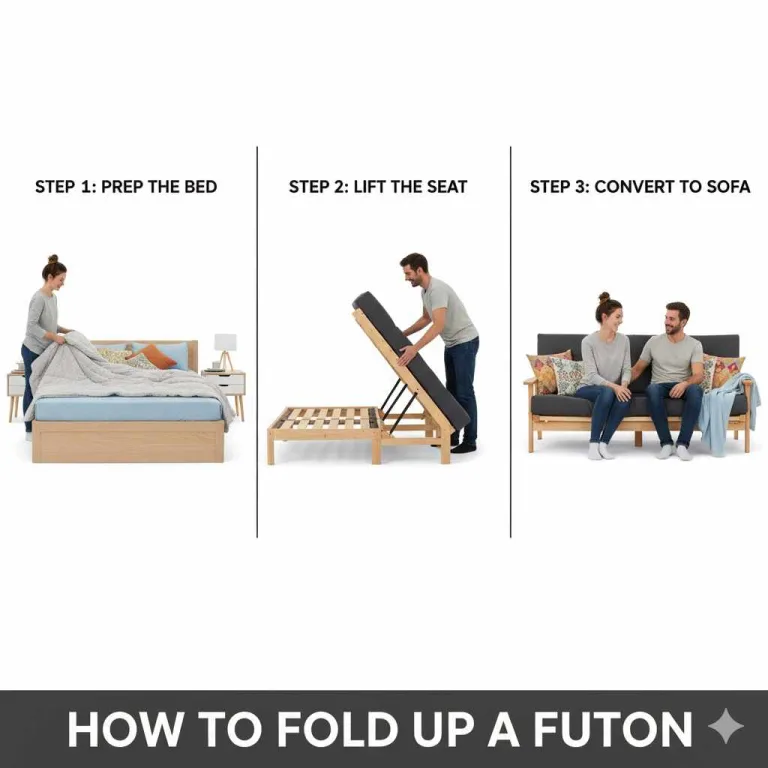
How to Fix a Sagging Futon Mattress
Start by tracing the sag to one of three causes: compressed mattress fill, weak or missing slats, or a bent frame. Fix the cheapest failed part first, and replace the mattress only after the support system checks out. Skipping the source usually wastes money, sends the dip back, and can turn a small support problem into permanent wear. This guide shows how to inspect each part, pick the right repair, and stop a futon from sliding, lumping, or sinking again.
Use a flat board, level, or straightedge across the mattress to see where the surface drops. A center dip often points to fill compression or a weak spine; edge sag often points to frame or slat support at the sides. If the mattress slides, lumps, or bottoms out, inspect the construction before buying anything.
Start with the sag diagnosis
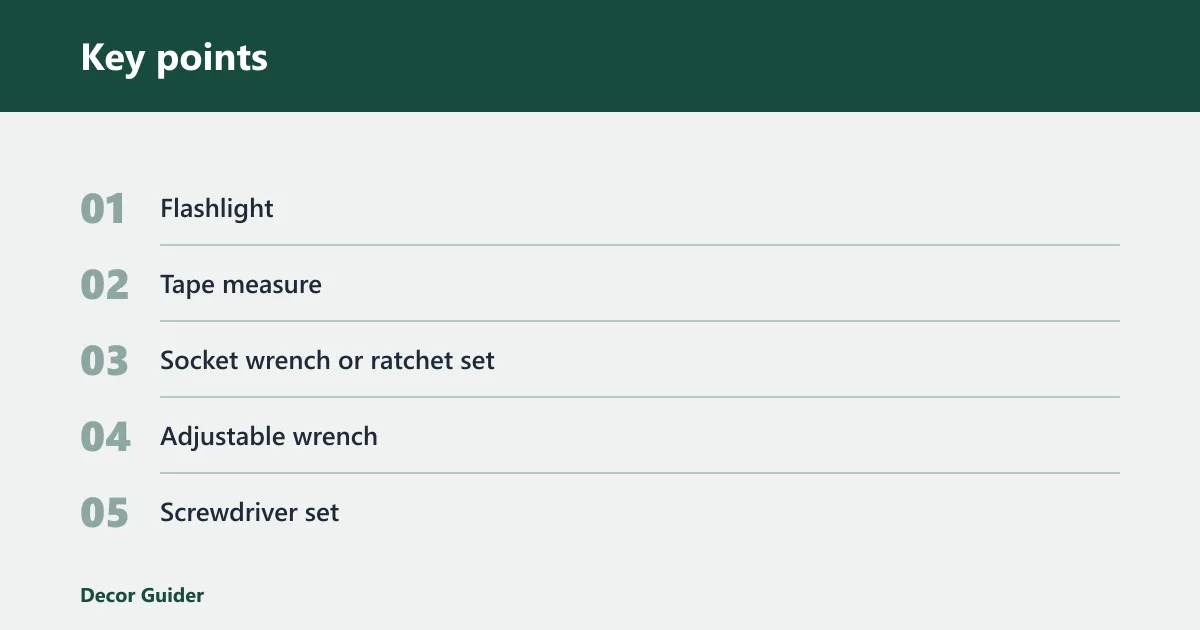


What you’ll need
- Flashlight
- Tape measure
- Socket wrench or ratchet set
- Adjustable wrench
- Screwdriver set
- Replacement bolts, washers, nuts, or carriage bolts
- Wood shims or slat spacers
- Replacement slats or reinforcement wood
- Cotton batting or cushion fill for zippered mattresses
- Support sheet of plywood or similar panel
- Mattress topper made of foam, latex, wool, down, down alternative, or feathers
- Fabric strips or straps for slide control
Futon sag troubleshooting matrix
| Symptom pattern | Likely cause | Best fix | Cost / effort |
|---|---|---|---|
| Center sag with the frame visible at the middle | Weak spine or bowed center support | Tighten or replace spine hardware; reinforce the middle support | Low to medium / medium |
| Edge sag near one side only | Uneven or missing slat support | Realign slats and replace missing pieces | Low / low |
| Lumping under the cover | Fill shifted inside a zippered mattress | Open the cover and redistribute stuffing | Low / low |
| Soft middle that springs back slowly | Foam or springs have lost resilience | Add cotton batting or replace the mattress if bottoming out continues | Low to medium / low to medium |
| Mattress slides forward when the frame opens | Loose cover friction or poor restraint | Add fabric strips or straps to hold position | Low / low |
| Slats bow downward under load | Slats are too thin, spaced poorly, or weakened | Replace bowed slats or add reinforcement beneath them | Low to medium / medium |
| Ribs or side members separate from the spine | Failed fasteners or stripped holes | Use new bolts, washers, nuts, or carriage bolts | Low / medium |
| Frame leans or twists | Bent wood or metal member | Replace the damaged frame part | Medium to high / medium to high |
| Whole surface feels thin and flat | Compressed cotton batting or mixed fill | Restuff through the zippered cover and add batting in 1-inch to 2-inch layers | Low to medium / medium |
| Bottoming out even after a topper | Support failure underneath the mattress | Fix the slats or frame before adding any topper | Medium / medium |
| Repeated dip in the same spot after rotation | Mattress construction is exhausted | Replace the mattress | High / low |
- Open the futon and place a flat board across the suspect area. Mark where the board rocks or drops, because the dip location tells you whether the problem sits in the mattress or underneath it.
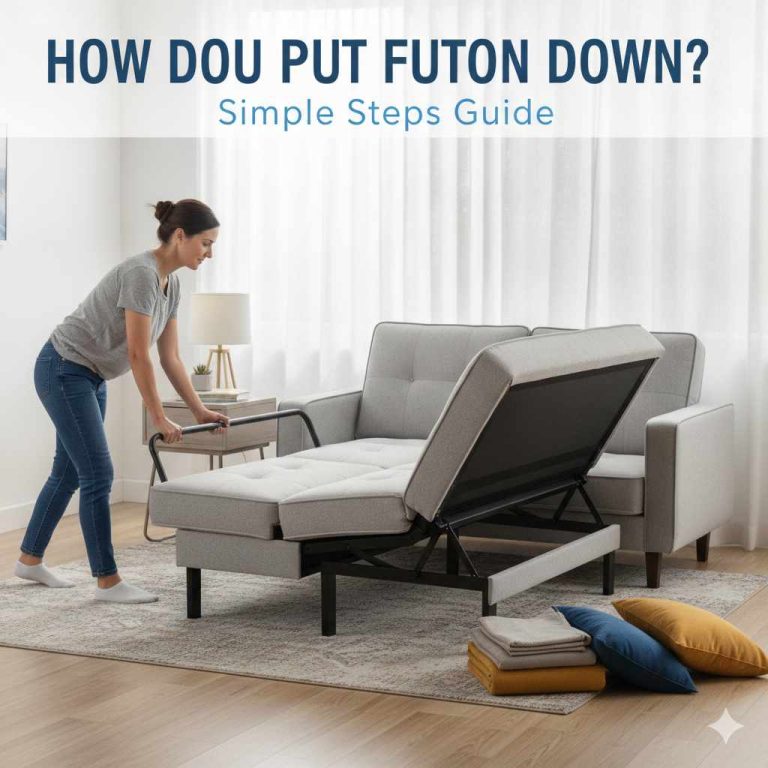
- Lift the mattress and inspect the slats, spine, ribs, joints, and hinges. Check for missing slats, bowed slats, cracked members, or loose hardware before spending on fill or a topper.
- Press along the mattress surface and feel for soft spots, lumps, or a hard frame ridge. If the cover is zippered, unzip it and look for shifted stuffing, thin zones, or flattened cotton batting.
- Tighten any loose bolts, washers, nuts, and carriage bolts. If a joint keeps loosening, replace the hardware instead of just re-tightening it.
- Match the repair to the failure. Add fill for thin or lumpy areas, replace damaged slats for support loss, or reinforce the frame when the spine or ribs are separating.
- Recheck the bed with a straightedge after each change. Add about 1 inch of fill or support material at a time, then test again so you do not overcorrect the feel.
How do you fix the mattress itself?

Fix the mattress first only when the dip follows the mattress, not the frame. If the mattress is reversible or flip-compatible, rotating or flipping can move wear patterns to a fresh side. If the cover zips open, you can redistribute stuffing or add cotton batting before replacing the whole unit.
Mattress-side repair steps
- Check the tag or seam construction to confirm whether the mattress can be flipped or rotated.
- Rotate the mattress end for end if the wear is one-sided; flip it only if both faces are built for use.
- Unzip the cover, pull apart compressed fill, and move stuffing from fuller zones into thin zones.
- Add cotton batting or cushion layers in about 1-inch increments to restore thickness, then close the cover and recheck the surface.
- Use a topper only if you want a short-term comfort change. A thicker, denser topper can soften the feel, but it will not repair broken support beneath the mattress.
Say your queen futon feels fine at the head and foot but sinks in the center after a year of nightly use. If the dip stays in the mattress after you move it onto the floor, the fill has likely compressed. If the dip disappears off the frame, the support system is the real problem.
How do you fix the support underneath?
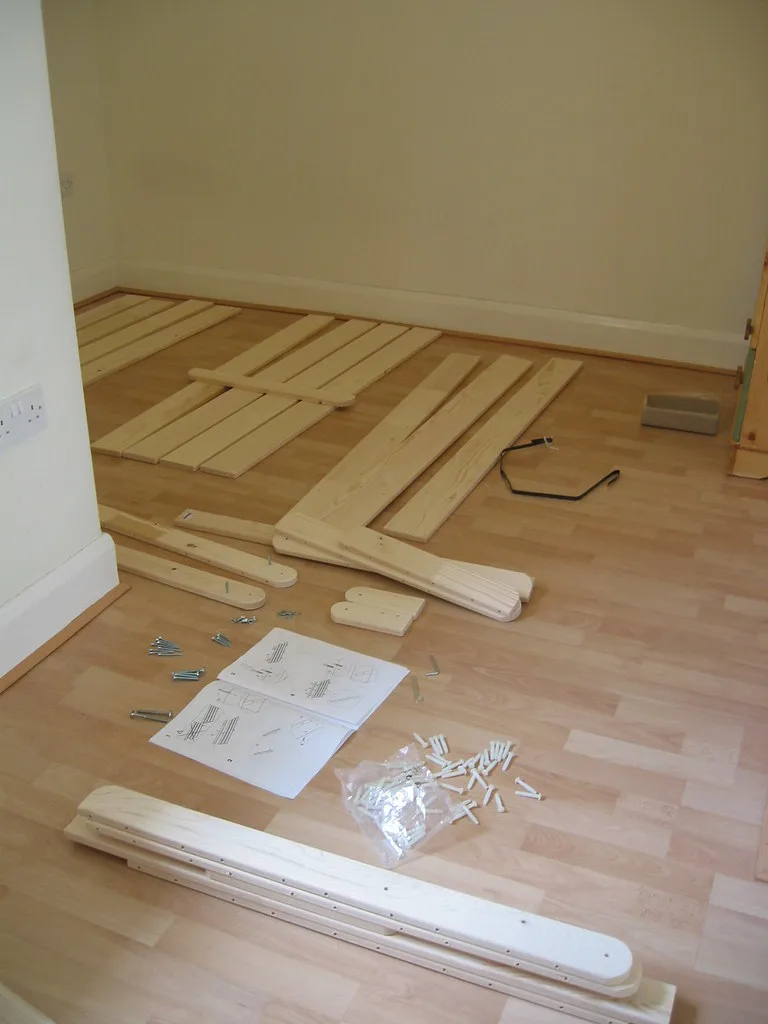
Support repairs matter when the sag is in the frame rather than the fill. Check slat spacing, alignment, and whether any slats have fallen out or bowed under load. If the frame has a wood or metal spine, ribs, joints, or hinges that are bent or separating, repair those parts before buying a firmer mattress.
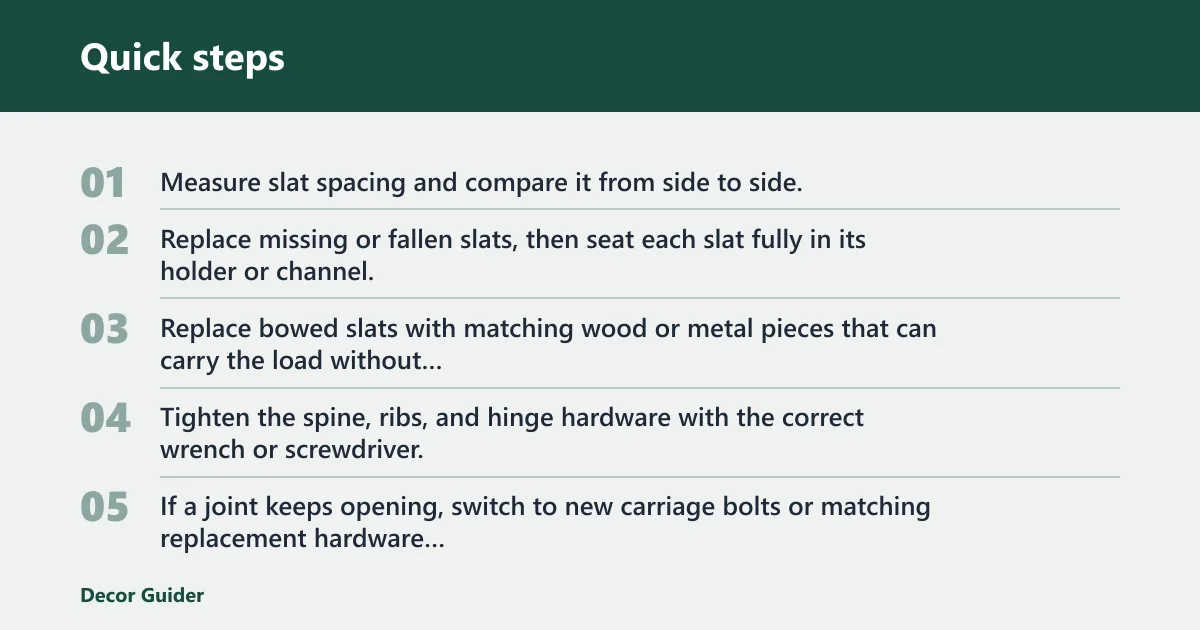
Support repair steps
- Measure slat spacing and compare it from side to side. Even spacing matters, because uneven support creates a local dip that feels like mattress sag.
- Replace missing or fallen slats, then seat each slat fully in its holder or channel.
- Replace bowed slats with matching wood or metal pieces that can carry the load without flexing.
- Tighten the spine, ribs, and hinge hardware with the correct wrench or screwdriver. Use new washers or nuts if the old ones spin or strip.
- If a joint keeps opening, switch to new carriage bolts or matching replacement hardware rather than forcing the old fastener to hold.
- Replace cracked or bent frame parts. A topper will hide the symptom for a while, but it will not fix a frame that has lost shape.
A common first-time mistake is buying a firmer mattress when the old slats are bowed. The new mattress settles into the same weak base and sags again. That is why the support check comes before the replacement decision.
Can plywood help a sagging futon?
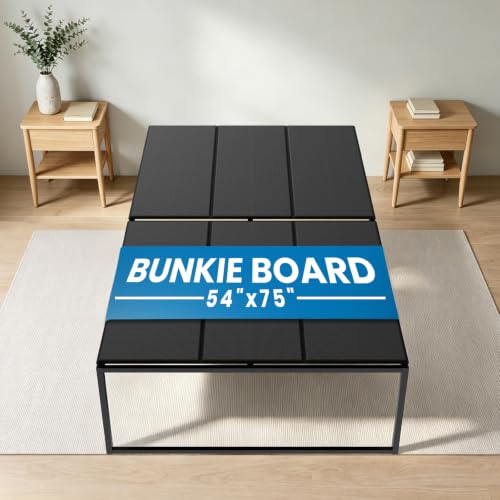
Plywood can help when the foundation is weak and you need temporary rigidity under the mattress. It works best as a short-term support sheet, not as a permanent cure. If the frame is already bent, stiffening the deck may transfer stress to another weak point and make the bed feel harsher.
Temporary support steps
- Measure the sleeping surface and cut a smooth plywood sheet to fit under the mattress.
- Place the sheet flat over the slats so it bridges minor gaps and soft spots.
- Test the futon with normal body weight and check whether the sag is reduced without creating a hard ridge.
- Remove the sheet if the frame starts to creak more, twist, or separate at the hinges.
- Use the plywood only while you plan a slat repair, hardware fix, or replacement.
Suppose a guest futon on a four-leg frame starts dipping in the middle, but the mattress still looks serviceable. Plywood may buy time for occasional use. For a daily sleeper, that same shortcut often delays the real repair and leaves the support system under more stress.
Common mistakes
- Masking broken support with a thicker topper. That can make the mattress feel softer while the frame keeps failing underneath.
- Skipping the slat check. If the slats are uneven or missing, a new mattress will sag too.
- Ignoring bent or cracked parts. A damaged spine, rib, or hinge usually needs replacement hardware or a new member.
- Overstuffing one area. Add fill in measured layers so the bed does not turn lumpy.
- Assuming every futon is reversible. Some are built with a clear top and bottom, so flipping can damage the wrong face.
Prevention: For daily sleeping, inspect the frame and slats every few months, especially after moving the futon or changing how often it is opened and closed. Catching loose hardware early costs far less than replacing a collapsed support system later.
Frequently asked questions
How do I fix a sagging futon mattress?
Trace the sag first, then fix the failed part. If the dip stays with the mattress, redistribute fill through the zippered cover or add cotton batting in 1-inch layers. If the dip stays with the frame, repair slats, spine, ribs, or hardware before changing the mattress.
Why is my futon mattress sagging in the middle?
Middle sag usually comes from compressed fill, weakened foam, or a frame that loses support at the center. A flat board across the surface helps confirm where the drop begins. If the center lifts off the frame, inspect the spine, slats, and center fasteners first.
Can you make a futon mattress firmer without replacing it?
Yes, but only to a point. You can rotate or flip a compatible mattress, redistribute stuffing, and add cotton batting inside a zippered cover. A denser topper may improve comfort, but it will not restore a mattress that bottoms out on a weak frame.
How do I stop my futon mattress from sliding forward?
Start by checking whether the frame opening angle is letting the mattress creep. Then secure it with fabric strips or straps, as Hunker suggests. If the mattress still slides, check for a smooth cover, loose slats, or a frame surface that does not grip the mattress well.
Do I need new slats or a new frame if my futon sags?
If the slats are missing, bowed, or uneven, replace or reinforce them first. If the spine, ribs, or hinges are bent, cracked, or separating, the frame needs parts replacement. A new mattress will not solve a support problem that remains under it.
When is a sagging futon mattress beyond repair?
If the fill is severely compressed, the bed bottoms out after rotation and added batting, or the support structure keeps failing, replacement is the better choice. TechRadar notes there is no full repair, only temporary reduction of sagging. At that point, a topper or plywood will only delay the decision.
Products related to this article
Sponsored / affiliate links. As an Amazon Associate I earn from qualifying purchases. I may earn additional commission from eligible campaigns.