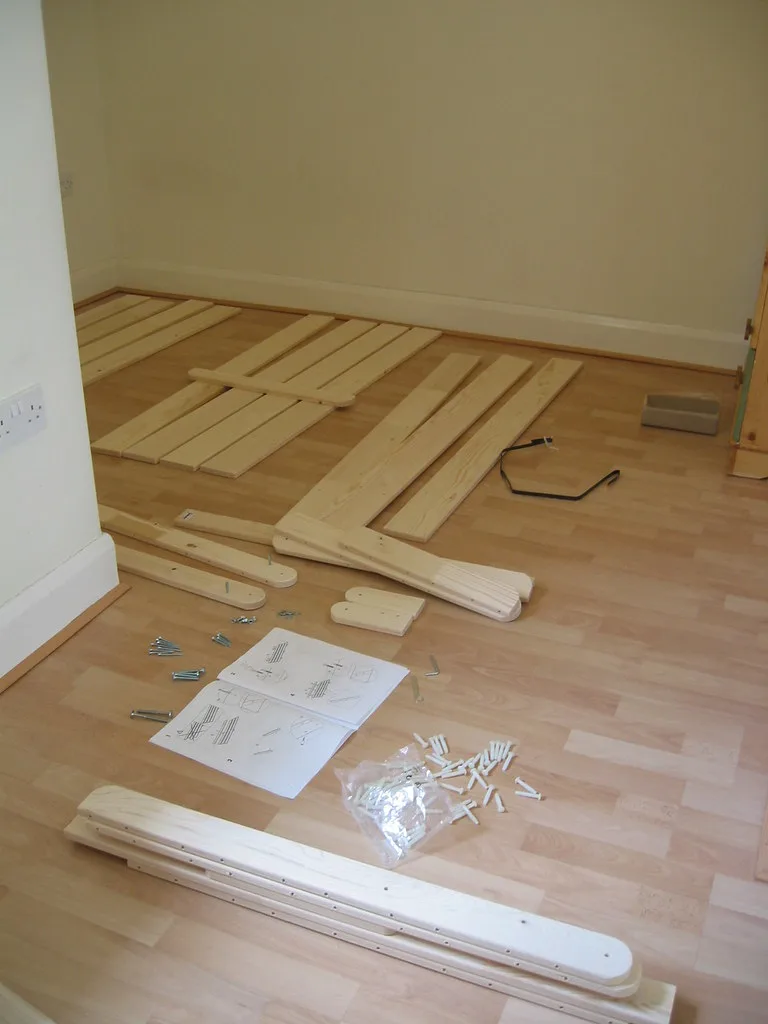
DHP Futon Review: Is It Worth It for Guest Rooms and More
DHP futons can make sense for guest rooms and light daily use if you stay under roughly $500; I would skip one for a main bed unless you expect to replace the mattress. A poor fit can mean sagging support, a noisy frame, and extra spending to get acceptable sleep. This DHP futon review covers comfort, support, size, frame fit, and upgrade cost for apartments, guest rooms, and everyday sleeping.
Verdict
My bottom-line view is simple: buy DHP when the job is seating first and sleeping second. In a studio, office, or spare room that has to switch quickly, it can fit the brief. For a primary bed, the value drops unless the mattress, frame, and slat support all line up from the start.
📊 A coconut futon starts at 5,450 Kč including VAT. Source: Kupte si i vy pohodlný futon.
Specs at a glance
| What to verify | Typical DHP futon setup | Why it matters |
|---|---|---|
| Function | Convertible sofa-to-bed frame | Seat-to-sleep tradeoff is the whole value proposition |
| Frame material | Wood or metal | Changes noise, flex, and weight capacity |
| Mattress type | Cotton, foam, or blended futon mattress | Controls firmness, pressure relief, and edge stability |
| Thickness | Usually thin to medium-thick | Thicker mattresses help side sleepers more than thin ones |
| Support base | Slatted base or folding platform | Spacing affects sag prevention and ventilation |
| Use case | Small-space seating, guest use, light nightly sleeping | Daily comfort depends on body type and upgrade budget |
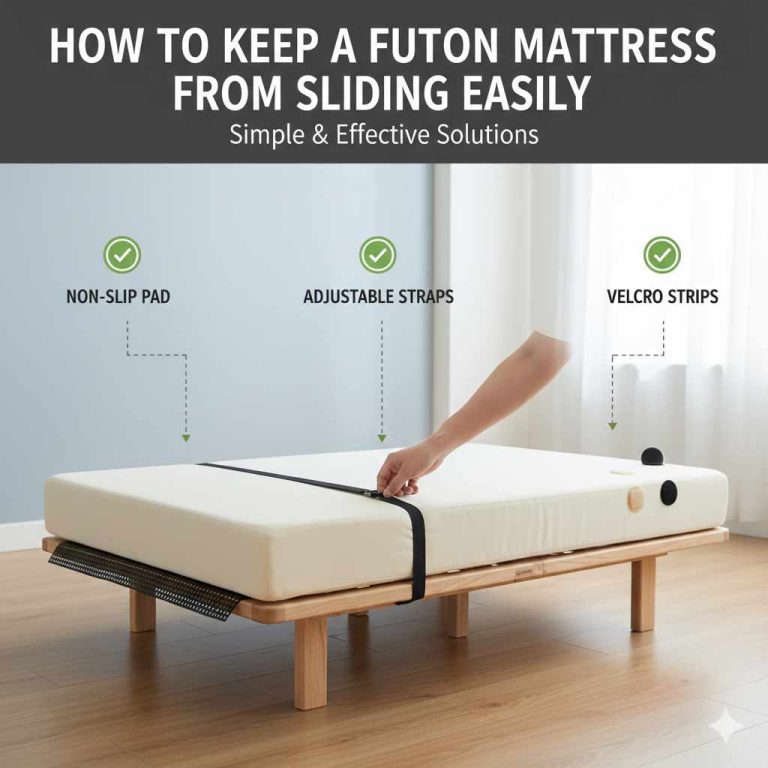
For online shopping, verify the mattress size, frame type, and whether the slats are tight enough to keep the mattress from dipping. A futon can work as both a couch and a bed, but it is only as good as the support under it. That is where many cheap setups fail.

Who it is for
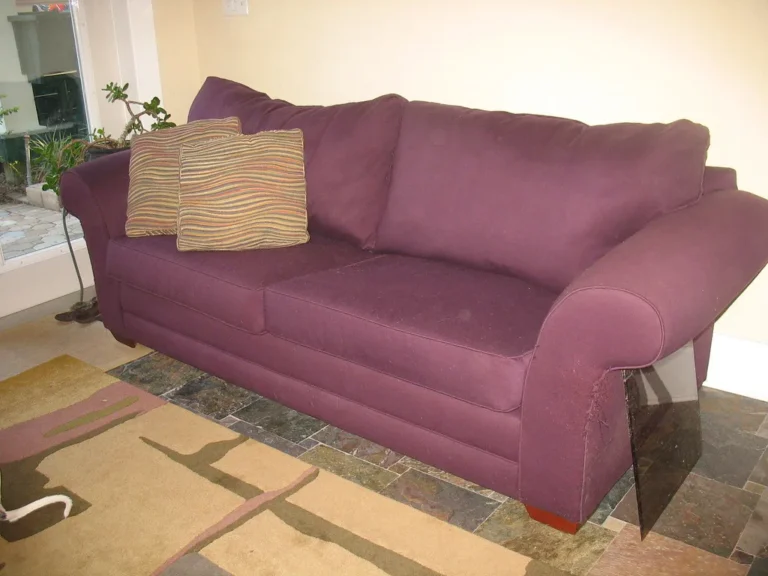
DHP futon fits best in small apartments, studios, guest rooms, and rooms where the bed must fold away during the day. It is a practical pick for occasional sleepers and for people who want one piece of furniture to do two jobs.
It is a weaker fit for heavier sleepers, strict side sleepers, and anyone expecting mattress-bed comfort without upgrades. If the room needs a primary sleeper, the total cost of better padding, a sturdier frame, or a replacement base can wipe out the savings.
Pros
- Works for sitting and sleeping in one footprint.
- Fits compact rooms better than a full bed plus a separate sofa.
- Can be acceptable for guests when the mattress is firm enough and the frame does not flex badly.
- Simple materials can make it easy to move and replace.
Cons
- Basic futon mattresses often feel thin for nightly sleep.
- Noise, sagging, and uneven support show up faster on cheap frames.
- Side sleepers may feel pressure at the shoulder and hip.
- Upgrades can cost more than the original bargain price.
What works

The best thing about a DHP futon is the seat-to-bed conversion. For apartments, that matters more than brand reputation. If the room is short on floor space, the ability to switch from sofa to bed without buying two pieces is the main reason to consider one.
Firmer futon mattresses usually give better back support than soft, sinky builds. That is especially true for back sleepers and for people who want a flatter surface. A cotton futon feels more traditional and supportive at first, while coconut fiber adds a harder feel and more airflow. Latex can add bounce and pressure relief. Wool helps with moisture control and temperature balance, especially if the room runs warm.
Material differences that matter
Traditional futons were made from raw cotton stacked in layers. Cotton is a natural fiber from cotton plants, and it gives a stable, familiar feel that many buyers expect from a futon. The downside is compression over time. It softens and packs down, so support can fade.
Coconut fiber was used to make a harder futon base, and it is suitable for a firmer build. It is naturally breathable, which helps with heat and moisture control, and it can resist mold and dust mites better than some softer fills, though no material is immune to bad conditions. The feel is more orthopedic than plush.
Latex was another material used for futon comfort. It is the best match for buyers who want some pressure relief without losing all responsiveness. Wool is a natural insulating material, and wool futons are said to help regulate moisture. That makes them useful for sleepers who run hot or live in humid spaces, though allergy sensitivity still needs to be considered case by case.
Frame and base support
A futon frame matters as much as the mattress. Wood frames often feel warmer and quieter, while metal frames can be sturdier for their price but may creak if the joints or folding mechanism loosen. Weight capacity, hinge design, and overall mattress support all affect nightly comfort.
Slatted base spacing is a real issue. If the slats sit too far apart, the mattress can sag between them and wear unevenly. Tight spacing, good ventilation, and a flat, stable deck help prevent premature compression and improve airflow under the mattress.
What does not
DHP futons can fail in predictable ways. Sagging is the biggest one, followed by noisy frames and uneven support when the folding hardware or slats are not well matched to the mattress. A thin mattress can also feel hard in the middle and weak at the edges, which is a problem for side sleepers and for anyone who shifts position often.
Maintenance is part of the ownership cost. Covers wear out, foam or fill packs down, and replacement mattresses are not free. If the original setup is underbuilt, the cheap purchase can become a false economy once you add a better mattress, a cover, or a stronger base.
Pros and cons for common use cases
- Sitting: good when the frame is stable and the mattress is firm enough to hold shape.
- Guest use: useful for short stays, especially if the sleeper likes a firmer surface.
- Nightly sleep: only acceptable when support, thickness, and weight capacity are all stronger than average.
- Nightly sleep drawback: thin mattresses can create pressure points.
- Frame drawback: loose hardware leads to noise and wobble.
- Cost drawback: upgrades can approach the price of a better sofa bed.
Is DHP futon worth it for everyday sleeping?
DHP futon is worth it for everyday sleeping only for lighter sleepers, back sleepers, or people who are already planning a firmer mattress and a supportive base. For heavier sleepers or side sleepers, the stock setup usually feels too thin, and the support cost can run into replacement territory fast.
The real question is whether upgrading the futon is cheaper than buying a better sleeper sofa or bed frame. If the frame is noisy, the slats are spaced badly, and the mattress is underwhelming, the math often flips. At that point, replacing the whole setup is usually the smarter move.
Comfort by sleep position
Back sleepers usually adapt best to a firmer futon. The flatter surface keeps the spine from sinking too deeply. Side sleepers need more cushioning at the shoulder and hip, so a thin cotton-only mattress often feels unforgiving. Stomach sleepers may prefer firmness, but only if the frame stays flat and does not bow.
Comfort by body weight and support
Heavier sleepers need both stronger frame support and a mattress that resists bottoming out. A standard futon that feels fine in the store can sag early at home if the deck flexes or the fill compresses too fast. That is where frame quality becomes more important than the upholstery or the brand name.
When an upgrade is cheaper than replacing the whole setup
If the frame is already solid and the main issue is a thin mattress, an upgrade can make sense. If the frame is noisy, the slats are weak, and the weight capacity is borderline, buying a better mattress alone may only postpone the problem. In that case, the true cost is the mattress plus the future replacement base.
Use-case decision table
| Use case | Firmness score | Frame support score | Maintenance score | Upgrade cost score | Verdict |
|---|---|---|---|---|---|
| Sitting | 4/5 | 4/5 | 4/5 | 4/5 | Buy if the room needs daily sofa use and occasional sleep. |
| Occasional guests | 3/5 | 3/5 | 4/5 | 3/5 | Buy if guests stay a few nights at a time and prefer firmer beds. |
| Nightly sleep | 2/5 | 2/5 | 3/5 | 2/5 | Skip unless you are budgeting for a better mattress and stronger frame. |
What size and mattress type does a DHP futon usually use?
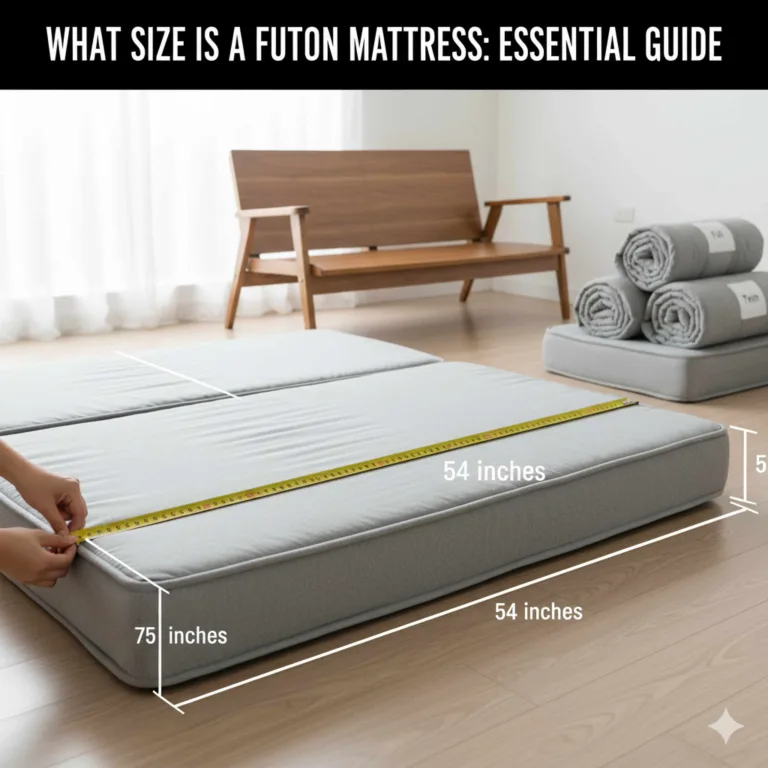
DHP futons usually pair with common sofa-bed sizes and a futon mattress that is thin to medium-thick. The best size is the one that matches the frame exactly, because even a decent mattress performs poorly if it overhangs, bunches, or leaves gaps at the edge.
Thickness changes the feel more than many buyers expect. Thinner mattresses are easier to fold and cheaper to ship, but they transmit more frame feel. Thicker options help with pressure relief and edge stability, though they also need a stronger base to avoid sagging at the fold.
What to match before ordering
- Frame length and width.
- Mattress fold pattern and thickness.
- Weight capacity of the frame.
- Whether the slats are close enough together for daily use.
How comfortable is a DHP futon for sitting and sleeping?
Comfort is decent for sitting and mixed for sleeping. As a sofa, a futon can feel practical and space-saving. As a bed, comfort depends on firmness, thickness, and frame support. Back sleepers usually do better than side sleepers, and lighter users usually tolerate the stock setup more easily.
Comfort also depends on what material the mattress uses. Cotton feels more traditional and firmer at first. Coconut fiber feels harder and more supportive. Latex adds bounce. Wool can help the sleep surface stay more balanced in warm or humid conditions. None of those materials fixes a weak frame by itself.
How firm should a futon be for back support?
A firmer futon usually gives better back support because it keeps the spine from dropping into a hammock shape. For many buyers, medium-firm to firm is a safer target, especially for back sleepers and guests who prefer a flatter surface over a cushioned one.
Firmness alone is not enough. A firm mattress on a flimsy base still sags, and that can feel worse than a softer mattress on a stable frame. Support comes from the whole system: fill, thickness, slat spacing, and the folding hardware.
Does a futon need a specific frame or slats?
Yes. A futon mattress needs a frame or base that matches its size and fold pattern, and it performs best on slats that are close enough together to prevent dips. Wide gaps create uneven support and shorten mattress life, especially with cotton or foam-filled builds.
Wood and metal frames can both work for futons, but the details matter. Wood is often quieter. Metal may be more rigid, but cheap joints can squeak. For nightly use, look for a frame that feels solid when converted and does not rock at the hinge points.
How do cotton, coconut, latex, and wool futons differ?
Cotton futons feel traditional, breathable, and supportive at first, but they compress over time. Coconut fiber futons are firmer, more breathable, and better if you want a harder surface. Latex adds bounce and pressure relief. Wool helps with moisture and temperature regulation, with a more forgiving feel than coconut.
For allergy and mold concerns, coconut fiber and wool can help when airflow and moisture control are priorities, though neither is a guarantee. The room still needs dry storage, good ventilation, and a frame that lets air move under the mattress.
Buying terms, plain and simple
- Cotton futon: best when you want a traditional feel and do not mind compression over time.
- Coconut fiber futon: best when you want a harder, more breathable surface.
- Latex futon: best when you want some softness with better resilience.
- Wool futon: best when moisture control and temperature balance matter.
Is a DHP futon good for small apartments or guest rooms?
Yes, DHP futon is a practical choice for small apartments and guest rooms because it combines seating and sleeping in one footprint. That makes sense when the room cannot spare space for both a couch and a bed. It is less attractive when the room is expected to function as a primary bedroom.
For guest rooms, the bar is lower. Short-stay comfort matters more than long-term mattress feel, so a firmer futon with decent support can do the job. For apartments, the question is whether the frame is quiet, easy to convert, and strong enough for repeat use.
What should I check before buying a DHP futon online?
Check the frame material, weight capacity, slat spacing, mattress size, and thickness before buying. Then look at the return policy, replacement part risk, and the real cost of a better mattress or cover. That is how you avoid a cheap setup that needs fixes right away.
If the listing does not clearly show how the frame folds, how the mattress attaches, or whether parts can be replaced, treat that as a warning sign. A futon is a system. If one part is weak, the whole thing feels weak.
- Confirm the exact mattress size and frame size.
- Check whether the frame is wood or metal.
- Look for slats that are close enough to prevent sagging.
- Compare stated weight capacity with the heaviest likely sleeper.
- Estimate the cost of a mattress upgrade before buying.
- Read the return policy and replacement-parts terms.
Alternatives

When a cotton futon makes more sense

MAXYOYO 6″ Extra Thick Japanese Floor Mattress is the better pick when you want a thicker, more traditional floor-style sleep surface with less of the sofa conversion focus. Based on the spec sheet and reviews, its 6-inch build is more appealing than a thin stock futon for occasional sleeping, though it still needs a proper base if you want consistent support.
When a coconut fiber or latex futon is the better buy

feliz home 10″ Futon Mattress Queen Size leans toward thicker support and a more cushioned feel. That makes it the better path if your DHP setup feels too thin and you want a more substantial mattress layer. The tradeoff is size and storage flexibility; a 10-inch mattress is less convenient for frequent folding.
When a different sofa bed is the safer choice

ZINUS 3 Inch Green Tea Cooling Gel Memory Foam Mattress Topper is not a futon replacement, but it is a practical comfort add-on if the issue is pressure and heat rather than the frame itself. For a DHP futon that feels too firm, a topper can be a cheaper first fix than replacing the whole sleeping setup. The drawback is obvious: it does nothing for a noisy frame or poor slat support.
Products related to this article
Sponsored / affiliate links. As an Amazon Associate I earn from qualifying purchases. I may earn additional commission from eligible campaigns.