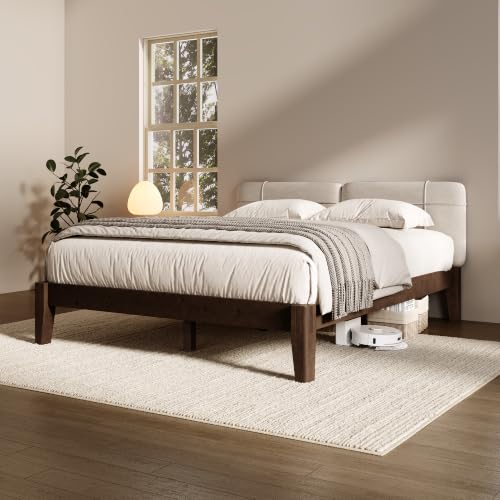
DHP Futon Frame Review: Miles vs Wood, Which Fits?
Choose the DHP metal futon frame if you need the lower-cost, lighter option for apartment or dorm seating with occasional sleep use; choose the wood frame if the room needs a warmer look and you expect more frequent conversion to bed mode. Pick the wrong one, and you may end up with a frame that is awkward in a tight room, harder to assemble, or less suited to how often you will sleep on it. This guide compares DHP metal and wood futon frames by size, function, assembly effort, and best-fit room use.
Quick verdict for small-space buyers
The DHP Miles Metal frame is the better pick when floor space is tight and the main goal is flexible seating with occasional overnight use. The DHP Wood Full frame makes more sense when you want a more furniture-like look, built-in side storage, and a fuller visual presence that can hold its own in a guest room.
Both models share a 600-pound rating, but that number should be treated as a shared-load limit, not a promise of zero movement or zero noise. The right choice depends more on room width, mattress thickness, and how often you will switch between sofa, lounger, and bed positions.
Best choice by sleep frequency
If the frame will stay in sofa mode most of the week, Miles Metal is easier to justify because it is described as a space-saving 2-in-1 design for homes with limited floor space. If the frame will move into bed mode often, the Wood Full model is easier to live with if the room can handle its 80.5-inch width and you want a more permanent guest-room look.
Which DHP frame fits your room?
The room-fit question starts with the 80.5-inch width of the Wood Full frame and the swing room needed for either model to move through sofa, lounger, and bed positions. You need wall clearance behind the backrest, open space in front of the frame, and enough side room to avoid scraping nearby furniture during conversion.
Sofa, lounger, and bed swing room
Plan for more than the frame’s footprint alone. The backrest has to move, and that means the wall, side table, lamp, or dresser next to it cannot sit flush against the conversion path. In a narrow room, a frame that technically fits on paper can still feel cramped once you start using the reclining positions.
Say your guest room is about 9 feet wide and you place a futon against one wall. A frame near 80.5 inches wide can still work, but only if you leave enough space for the backrest to move without hitting the opposite wall or a bookshelf.
Apartment, dorm, and guest room fit
Miles Metal is the safer choice for smaller apartments and dorm-style rooms where every inch matters. Wood Full is better when the room is wide enough to keep the futon from dominating the space. In a guest room, the broader wood frame can feel more settled, but only if the room can absorb its width and the mattress can open fully.
Miles Metal vs wood full
Miles Metal uses a sturdy metal frame with solid metal mesh and retainer clips, plus a multi-position backrest. Wood Full uses solid wood arms with a metal internal structure, integrated side storage, and an espresso finish. The first leans functional and compact. The second leans furniture-like and room-dominant.
Metal frame versus solid wood arms
Metal is the more practical choice when you want a lighter visual profile and a frame that reads as compact seating. Wood arms change the look immediately. They also add a more finished side profile, which helps in a living room or guest room where the futon must look intentional when folded as a sofa.
Aesthetic fit and storage tradeoffs
Wood Full has the clearer edge on appearance and side storage. Miles Metal has the clearer edge on saving floor space and keeping the setup simple. If the room already has wood furniture and warm finishes, the espresso model can blend in better. If the room needs a low-profile spare-bed solution, the black metal frame is easier to place.
Assembly difficulty by model
Neither model should be treated as “easy” by default. Assembly depends on how clear the instructions are, how well the hardware fits, and how many steps are needed before the frame is ready for use. Metal frames often feel simpler because they have fewer decorative parts. Wood frames can take more patience because the arms and internal structure must line up cleanly.
A common first-timer mistake is choosing the nicer-looking frame first and checking room width afterward. That usually leads to a frame that fits the wall but blocks the walking path once the backrest opens.
DHP futon frame comparison matrix
| Model | Room width needed | Mattress thickness fit | Likely assembly difficulty | Best use case |
|---|---|---|---|---|
| DHP Miles Metal Futon Frame | Best in tighter rooms where floor space is limited | Fits 6-inch or 8-inch standard full size futon mattresses | Moderate; metal frame, mesh, and clips still need careful alignment | Apartment seating, dorm rooms, occasional guest sleeping |
| DHP Wood Full Futon Frame | Needs more wall and side clearance because it spans 80.5 inches in width | Best matched to standard full-size futon mattresses that do not overhang the frame | Moderate to higher; wood arms and internal structure can take more setup patience | Guest rooms, rooms where appearance matters, more frequent bed conversion |
How much weight can it hold?
Both frames list a 600-pound capacity, which is a useful stability indicator but not a guarantee against motion, squeaks, or flex. The load is shared across the frame, mattress, and users, so a couple, a guest plus bedding, or several sitters all change how the frame behaves in real use.
What 600 pounds means in practice
A 600-pound rating is best read as a ceiling for combined load rather than a target. A frame near its limit may still feel less stable than a lightly loaded one if the mattress shifts, the floor is uneven, or the hardware is not fully tightened. Capacity helps with selection, but it does not replace fit and setup.
Shared load considerations
If two adults will sit on one side of the futon often, the load will not stay evenly distributed. That matters because one-sided pressure can make wobble more noticeable and can speed up fastener loosening. A firmer mattress, good retainer clips, and even weight placement help the frame stay calmer.
What mattress works best?
The Miles Metal frame is explicitly listed for 6-inch or 8-inch standard full-size futon mattresses, so those are the safest thickness choices to start with. Mattress fit matters because a futon that is too thick can make conversion harder, while one that is too thin can slide, bunch, or feel unstable in bed mode.
6-inch versus 8-inch full-size mattresses
A 6-inch mattress usually makes folding easier and keeps the sofa profile lighter. An 8-inch mattress can feel fuller on the frame, but it also adds bulk and may take more effort to keep aligned during conversion. The right pick depends on whether you want easier folding or a more substantial sleeping surface.
When mattress slippage becomes a problem
Slippage is more likely when the mattress does not match the frame width well, when the retainer clips are not engaged, or when the mattress is too short or too narrow for the frame. If the mattress shifts each time you move from sofa to bed, the problem is usually fit first, not the frame itself.
Conversion, assembly, and upkeep
Both frames depend on a multi-position backrest for sofa, lounger, and bed mode. That mechanism is useful, but only if the hardware is square and the fasteners stay tight. Conversion should feel controlled, not forced. If it catches or grinds, stop and check alignment before using it again.
How the backrest changes position
Convert the frame slowly and keep hands clear of pivot points. Move the backrest through sofa, lounger, and bed positions in small controlled shifts rather than yanking it flat. If one side drops sooner than the other, the frame may be uneven on the floor or a hinge point may need rechecking.
- Clear the wall behind the futon before folding it down.
- Remove loose items from the seat and arm area.
- Release the backrest and move it one position at a time.
- Check that the mattress stays centered on the frame.
- Lock or settle the frame into the new position before sitting or lying down.
Tools, hardware, and instruction clarity
Assembly often comes down to two things: whether the instructions are clear enough to follow in order, and whether the hardware fits without forcing. Keep basic hand tools ready, and sort fasteners before starting. If a bolt seems cross-threaded or a hole does not align, stop and reseat the parts instead of tightening through resistance.
Squeaks, wobble, and loose fasteners
Squeaks usually come from metal contact points, under-tightened hardware, or a slightly uneven floor. Wobble often points to loose bolts, missing tension, or a frame that is not sitting square. A loose retainer clip can also let the mattress drift, which makes the whole setup feel less stable.
Pros and cons
Pros
- Miles Metal is space-saving and fits 6-inch or 8-inch standard full size futon mattresses.
- Wood Full adds integrated side storage and a more finished look.
- Both frames list a 600-pound capacity.
- Both support sofa, lounger, and bed conversion through a multi-position backrest.
Cons
- Room clearance matters more than many buyers expect, especially near walls.
- Assembly can be tedious if hardware fit is inconsistent or instructions are unclear.
- Mismatched mattress thickness can lead to slippage or awkward folding.
- The weight rating does not eliminate wobble, squeak, or floor-level fit problems.
Who it
This futon setup is best for guest rooms, dorms, and small apartments where you want one piece of furniture to handle seating and occasional sleeping. Miles Metal is the better fit if your room is tight and you want the simpler, more compact option. Wood Full is better if the room can handle its width and you care more about appearance and storage.
It is a weaker fit for anyone expecting primary-bed performance every night or for rooms with very little wall clearance. If you need a couch that will be opened and closed daily, the frame choice matters less than the room layout and the patience you want to spend on assembly and alignment.
What problems do buyers report with DHP futon frames?
The most common problem types are wobble, squeak, mattress slippage, and clearance issues. Most of those trace back to fit, setup, or use pattern rather than a single defect. A futon that works in sofa mode can still feel awkward if the mattress is too thick, the wall is too close, or the fasteners are not fully tightened.
Dhp futon frame review checklist
| Problem | What it looks like | Recommended fix |
|---|---|---|
| Wobble | Frame shifts when you sit or change positions | Tighten all hardware, check floor level, and confirm the frame sits square |
| Squeak | Noisy joints during sitting or folding | Re-seat fasteners and inspect contact points for looseness |
| Mattress slippage | Mattress slides during conversion or sleep | Use the correct thickness, center the mattress, and confirm retainer clips are engaged |
| Clearance issues | Backrest hits the wall or nearby furniture | Move the frame farther from the wall and keep the conversion path open |
Frequently asked questions
Is the DHP futon frame worth it for everyday use?
For everyday seating, yes. For everyday sleeping, the answer depends on the room, the mattress, and how much you want to manage conversion and fit. The frame rating helps, but daily-bed use places more pressure on alignment, mattress quality, and hardware maintenance than occasional guest use does.
How hard is it to assemble a DHP futon frame?
Most buyers should expect a moderate assembly task rather than a quick snap-together build. Instruction clarity, hardware fit, and the number of parts matter more than the label on the box. Sorting hardware first, using the right tools, and tightening in stages will make the process less frustrating.
How much weight can a DHP futon frame support?
Both the Miles Metal and Wood Full frames list a 600-pound capacity. Treat that as the combined load limit for people and bedding, not as a guarantee that the frame will stay still under every setup. Floor level, mattress fit, and how the load is shared all affect stability.
Does the DHP futon frame fit a standard full-size futon mattress?
Yes, but fit depends on the model and the thickness. Miles Metal is listed for 6-inch or 8-inch standard full size futon mattresses. That is the safest starting point for a clean fit. A mattress that is too thick or too loose can make folding and seating less predictable.
Is the DHP wood futon frame better than the metal version?
The wood frame is better if you want a warmer look, integrated side storage, and a more furniture-like profile. The metal version is better if you need a more compact frame for a smaller room. The better choice is the one that matches your room width, sleep frequency, and assembly tolerance.
How do you convert a DHP futon frame from sofa to bed?
Clear the surrounding area first, then release the backrest and move it through the position change slowly. Keep the mattress centered as the frame opens. The main goal is to avoid forcing the hinges or pinching the mattress. If the frame binds, check wall clearance and alignment before continuing.
Products related to this article
Sponsored / affiliate links. As an Amazon Associate I earn from qualifying purchases. I may earn additional commission from eligible campaigns.