Better Homes & Gardens Futon Review: Is It Worth It?
A Better Homes & Gardens futon is worth it only for occasional guest use and light daily seating; for nightly sleep or heavier use, spend more on a sturdier frame and thicker mattress. Skip that tradeoff, and you can end up with sagging support, noisy hardware, and a sofa-bed that feels worse after a few months. This guide covers comfort, support, assembly, maintenance, and the signs it is no longer a smart buy.
Verdict

That verdict changes by model. Better Homes & Gardens futons vary in frame material, mattress package, and size, so a compact apartment model can make sense while a thin-cushion, light-duty frame may not. The brand’s futons tend to fit guest rooms and dorms better than everyday sleeping.
Specs at a glance
| Buying factor | What to expect from Better Homes & Gardens futons |
|---|---|
| Frame type | Usually a convertible sofa-bed frame in wood or metal, with multi-position backrests on many models |
| Support structure | Support slats or similar rails are common; center support varies by model and matters for long-term stability |
| Mattress type | Package-dependent; some listings include a thinner futon mattress, while others pair the frame with a thicker pad |
| Comfort profile | Sofa-mode comfort is usually better than bed-mode comfort; sleep comfort depends heavily on thickness and firmness |
| Weight capacity | Varies by model; check the listed limit before buying, especially for two adults or nightly sleeping |
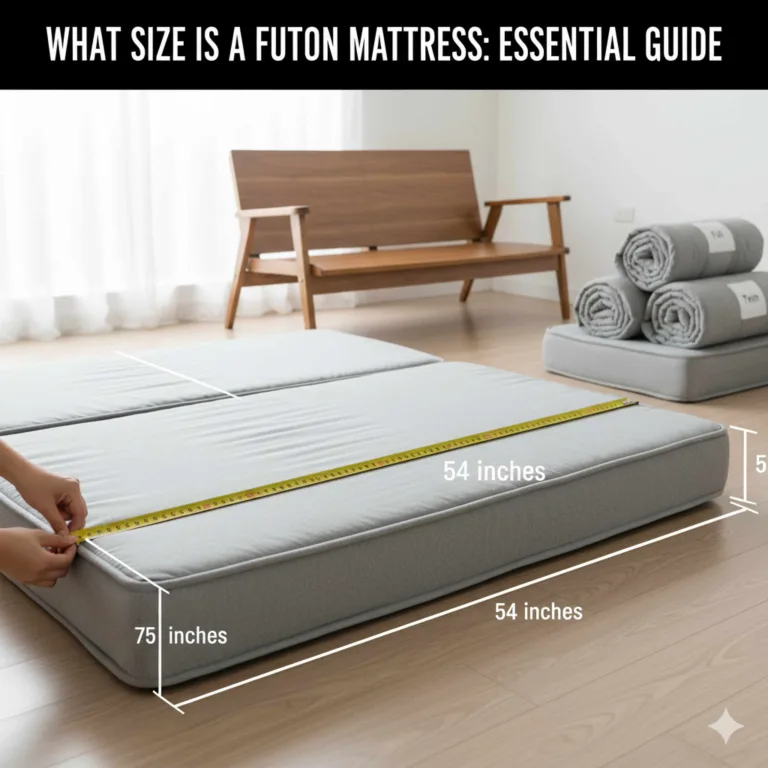
| Size options | Commonly compact, apartment-friendly footprints; dimensions differ enough that room measurements matter |
| Assembly | Usually required; expect hardware, an Allen key or basic tools, and some alignment work during setup |
| Material quality | Entry-level to midrange materials are common; upholstery, mattress density, and frame stiffness drive the value call |

Who it is for
A Better Homes & Gardens futon is best for a guest room, a studio apartment, or a dorm where you need one piece to do two jobs. It can also work as secondary seating in a den or office. It is a weaker fit for nightly sleepers, heavier users, and anyone who wants a sofa that feels close to a real couch.
Guest-room buyers usually get the best value because the futon can sit unused most days and still pull duty for a few nights at a time. Small-apartment shoppers can benefit too, provided you measure wall clearance, open-bed depth, and walkway space first. Picture a 70-inch sofa in a narrow room: it fits the floor plan, but only if the unfolded bed does not block a door or dresser.
Guest room buyers
For occasional visitors, this category makes sense because comfort expectations are lower and storage space is tighter. A firmer frame with a decent mattress can handle a few nights without asking you to pay sleeper-sofa prices.
Small-apartment shoppers
Apartment use works best when seating by day matters more than bed feel at night. If the futon must function as your main couch, prioritize sofa support and cushion recovery over the cheapest price tag.
Dorm buyers
Dorm buyers may like the smaller footprint and the lower cost than a sectional or sleeper sofa. The catch is campus moving: assembly, disassembly, and stairwell hauling are all part of the equation.
Pet-heavy homes
Pet owners should be careful. Scratch resistance, cover cleaning, and mattress sliding become real ownership issues when dogs or cats use the sofa every day.
What works
Better Homes & Gardens futons can make sense when you need flexible seating at a modest price. The strongest case is a room that doubles as a guest area, office, or small lounge, where the frame spends more time in sofa mode than bed mode.
The practical upside is simple: you buy one piece instead of a couch plus guest bed. That saves floor space, and it often saves money up front. It does not save you from checking the details that decide whether the futon feels sturdy after assembly.
Sofa-mode comfort
In sofa mode, a better futon should feel supportive enough for reading, streaming, or working for a couple of hours. Frames with a firmer backrest and better slat spacing usually feel steadier than very flexible budget frames. Corduroy or similar upholstery can feel pleasant, but padding depth matters more than fabric type.
Bed-mode comfort
In bed mode, the mattress does the heavy lifting. Thickness, foam density, and whether the folding seams line up under your torso all affect pressure relief. Side sleepers usually feel seam lines and thin padding sooner than back sleepers do.
Space efficiency
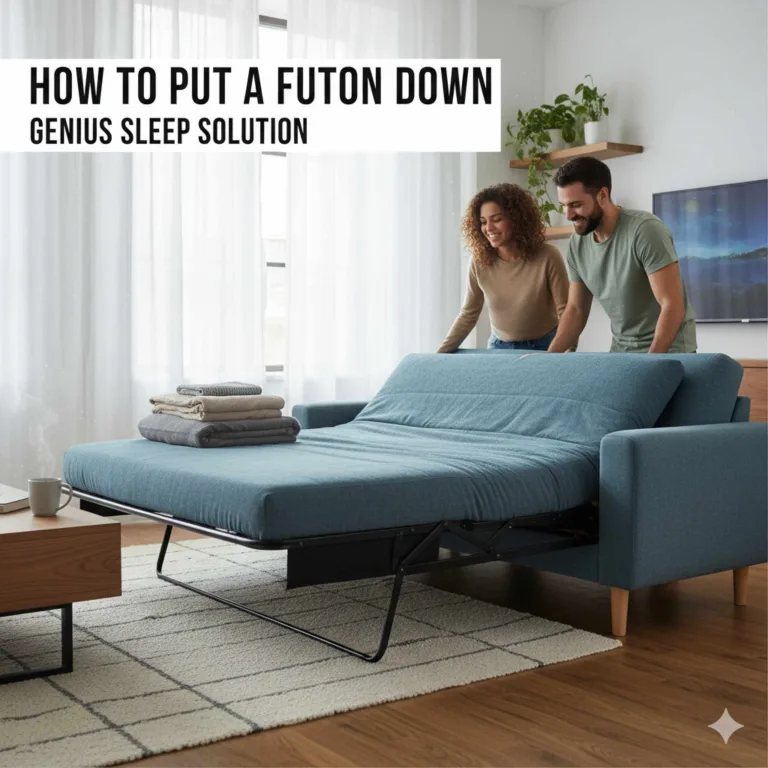
A futon remains useful because it converts from sofa to bed. That basic appeal is still valid. It can work in small spaces where a sleeper sofa would crowd the room, especially if you need an occasional guest bed rather than a permanent mattress substitute.
Pros and cons
- Pros: lower entry price than many sleeper sofas; compact footprint; useful in guest rooms and dorms; convertible positions add flexibility.
- Cons: bed comfort can be thin or firm; some models creak over time; mattress sliding and uneven support can appear with heavier use; assembly is usually required.
What does not
The weakest point is the gap between first impressions and long-term use. A futon can feel acceptable on day one and still disappoint after a few months if the frame flexes, the mattress compresses, or the hardware loosens. That is where low-price value can disappear.
Common failure points include sagging in the seat area, creaking at pivot points, mattress sliding when the backrest is moved, and uneven support near the middle. Heavier sleepers, side sleepers, and couples are the most likely to notice those limits quickly.
Mattress behavior
Thin futon mattresses tend to fold cleanly, but they often trade away pressure relief. Thicker pads can help comfort, yet they may run warmer and can be more cumbersome to flip or store. If the mattress is too soft, it can also bottom out on the frame rails.
Heat retention and movement
Foam-heavy mattresses can retain heat, especially in small rooms with limited airflow. Motion transfer is another issue: one sleeper turning over can shift the pad enough to make the whole setup feel less stable.
Ownership costs
The purchase price is only part of the bill. Replacement mattresses, washable covers, felt pads for floor protection, and periodic tightening of bolts all add to ownership cost. If a frame needs frequent hardware checks, the futon stops feeling cheap in a hurry.
Suppose you buy a futon for a guest room and later decide it must handle weekend sleepovers every week. The original mattress may no longer be enough, and replacing it can push total cost close to a better-made alternative.
Buyer decision matrix: five use cases
Use this matrix to judge whether Better Homes & Gardens makes sense for your setup. The pass/fail call assumes a typical entry-level futon: acceptable for light use, weaker for nightly sleeping, and dependent on the exact frame and mattress package. If the model has no clear center support or a thin mattress, move one column toward fail.
| Use case | Fit | Reason | Pass/fail |
|---|---|---|---|
| Guest room | Strong | Used occasionally, so the comfort gap matters less than the space savings and lower upfront cost | Pass |
| Daily sleeping | Weak | Most entry-level futons are too dependent on mattress thickness and frame stiffness for nightly sleep | Fail |
| Small apartment seating | Moderate to strong | Useful when you need a compact couch and an occasional bed in one footprint | Pass |
| Dorm use | Moderate | Good when move-in convenience and flexible seating matter, but setup and weight can be annoying | Pass |
| Pet-heavy homes | Weak to moderate | Cover wear, hair pickup, and scratching can shorten the useful life unless the upholstery is easy to clean | Fail |
How easy is assembly and setup?
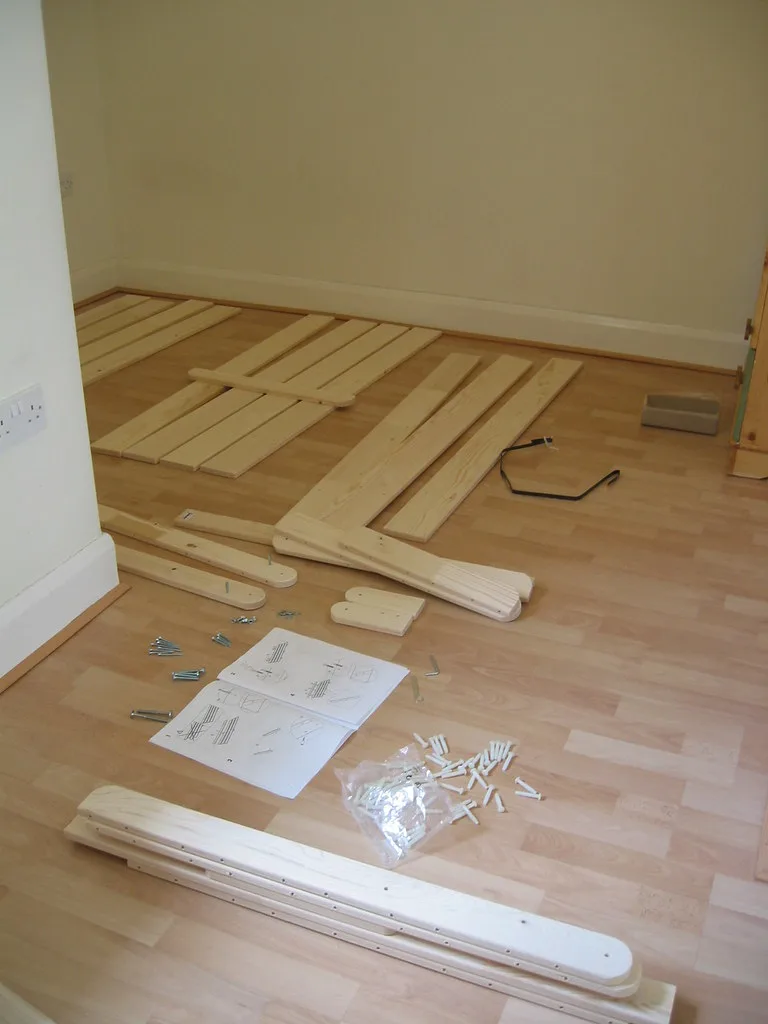
Assembly is usually required, and that is part of the ownership tradeoff. Most futons arrive in one or more boxes with hardware and basic tools, though some owners still prefer a socket wrench or a second person for faster alignment. Expect a straightforward but not always forgiving setup.
Alignment issues are common on budget futons. Hole spacing can be a little tight, bolts may need to stay loose until every part is lined up, and the frame can shift while you tighten hardware. If the model uses a convertible backrest, that hinge area deserves extra care during assembly.
Boxes and tools
Many futons ship in a single box, but some models arrive in multiple cartons depending on the frame and mattress package. Common tools are an Allen key, screwdriver, or wrench. A second set of hands helps when you lift the frame into position.
Setup friction
The most common friction points are uneven leg contact, missing washers in the wrong spot, and bolts that must be backed out and retightened after the frame squares up. If the futon feels wobbly after assembly, check every joint before blaming the design.
Safety and support checks
- Check the listed weight limit for the exact model before buying.
- Confirm that the frame has enough center support for the way you plan to use it.
- Make sure the feet sit flat and do not rock on the floor.
- Test the conversion mechanism slowly so the mattress does not slide or snag.
- For sleepers, prefer a model with a firm support base and a mattress thick enough to reduce rail feel.
Alternatives to Better Homes & Gardens futons
Other entry-level futons can be a better value if your priority is either sleeping comfort or setup simplicity. Better Homes & Gardens usually competes on price and convenience, but some rivals put more into the mattress or frame stability. That matters once you compare total ownership cost, not just the sticker price.

Marsail 70" Convertible Futon Sofa Bed is the stronger pick if you want a more couch-like daily seat and a clearer lounging range. Based on the listed 3-position backrest, serpentine springs, and wood frame, it should suit mixed use better than a bare-bones futon, though it still may not match a real bed for nightly sleep.

Erament Tri-Fold Futon Sofa Bed makes sense if portability and easy storage matter more than a traditional frame. The 6-inch foam pad and removable washable cover are practical for small rooms, but the floor-style format is a weaker choice if you want upright sofa support or a lifted seating height.

feliz home Boneless Couch Sofa Bed is a different value proposition: no assembly and quick conversion. That can be useful for renters or frequent rearrangers, but boneless tri-fold designs usually give up the framed support and sitting height that some buyers want for all-day couch use.
Against Zinus, DHP, Mainstays, and Novogratz, Better Homes & Gardens lands in the middle of the value ladder. Zinus and DHP often compete on metal-frame futons with similar entry-level pricing, Mainstays leans budget-first, and Novogratz usually targets a more finished couch look. If you want the best chance at a long-term sleeper, compare frame stiffness and mattress thickness first, brand second.
Should you buy it?
Buy a Better Homes & Gardens futon if you need a compact guest bed, occasional sleep surface, or extra seating in a small room and you are realistic about comfort limits. Skip it if you need nightly sleep, want a couch that feels substantial, or know you will dislike thin padding and occasional hardware noise.
The best-buy threshold is simple: it should be priced low enough that adding a better mattress or a protective cover still leaves you under the cost of a higher-end sleeper sofa. If the model you are considering lacks center support, has vague weight-limit information, or uses a very thin mattress, pass and move up a tier.
Frequently asked questions
Is Better Homes & Gardens futon worth it?
It is worth it for guest use, small apartments, and light seating when the price is lower than a better-built sleeper alternative. It is usually not worth it for nightly sleeping, because comfort and support can fall short once the mattress compresses and the frame starts to flex.
How comfortable is a Better Homes & Gardens futon for sleeping?
Sleeping comfort depends on the exact mattress thickness and frame support, but most futons are best for short stays rather than every night. Back sleepers usually fare better than side sleepers, who feel seams and pressure points sooner when the mattress is thin.
Does Better Homes & Gardens make a good futon for small spaces?
Yes, if the room needs one piece that can act as both seating and a guest bed. Measure the open-bed footprint carefully, since the unfolded futon can block doors, dressers, or walkways even when the sofa side looks compact.
How long does a Better Homes & Gardens futon last?
Longevity depends on the exact frame, how often you convert it, and whether the mattress keeps its shape. Light guest-room use should last longer than daily sleeping, but creaking hardware, sagging, and cover wear can show up earlier with heavier use.
Is Better Homes & Gardens futon easy to assemble?
Assembly is usually manageable, but it is not always quick. Expect hardware, basic tools, and some alignment work, especially around the hinge and slat areas. If the bolts are tightened too early, the frame can sit unevenly or feel wobbly afterward.
What are the common problems with Better Homes & Gardens futons?
The most common problems are sagging support, mattress sliding, creaking, and uneven comfort across the seat or bed surface. These issues matter most on thinner mattresses and lighter frames, especially when the futon is used every day rather than only for guests.
How does Better Homes & Gardens compare with Zinus, DHP, and Mainstays futons?
Better Homes & Gardens competes mainly on value and broad availability. Zinus and DHP often offer similar budget entry points with different frame styles, while Mainstays usually pushes price lower. If sleep comfort matters most, compare mattress thickness and support structure before comparing brand names.
Is a Better Homes & Gardens futon good for everyday sleeping or just guests?
It is better suited to guests and occasional use. Everyday sleeping puts more pressure on the frame, hardware, and mattress seams, so a thicker mattress and a sturdier support base are the safer choice if the futon will replace a real bed.
Products related to this article
Sponsored / affiliate links. As an Amazon Associate I earn from qualifying purchases. I may earn additional commission from eligible campaigns.