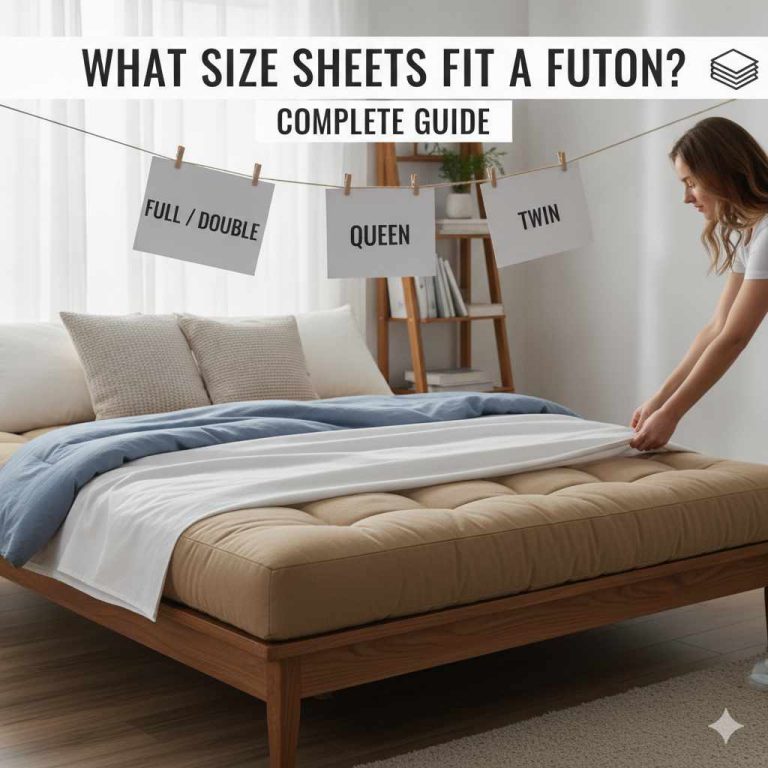
How to Add Extra Padding to a Futon That Still Folds
Add extra padding to a futon by layering a thin mattress topper, a fitted protector, and a properly sized cover. Start with about 1 to 2 inches total so the futon still folds and the frame can close cleanly. Add too much thickness and the bed can feel uneven, slide out of place, or stop folding properly. This guide covers the best padding options, how to keep them in place, and how to keep the futon comfortable for sleeping and lounging.
Begin with the futon mode you use most. A nightly sleeper needs more support than a couch that only handles guests. If the base already feels saggy, a very soft top can hide the problem for a while but leave the middle weaker over time.
Add futon padding


Check the fold path before you buy anything. Measure the hinge space, frame rails, and cover tension, then compare that to the added loft. The thicker the stack, the more likely you are to end up with a lumpy fold, a tight cover, or a backrest that will not close flat.
Decide whether you need softer feel or more support
If the mattress feels hard but even, add softness. If it feels hollow in the center or dips when you lie down, you need support first. That difference matters because a plush layer on top of a weak base can feel good for a short time and worse later.
For nightly sleep, aim for a layer that cushions pressure points without hiding the support underneath. For couch mode, a slightly softer top is usually fine if the futon still bends cleanly at the hinge.
What you’ll need
- Measuring tape for width, length, and folded clearance
- Foam topper or upholstery foam cut to the futon seat size
- Quilt batting for a thin comfort layer
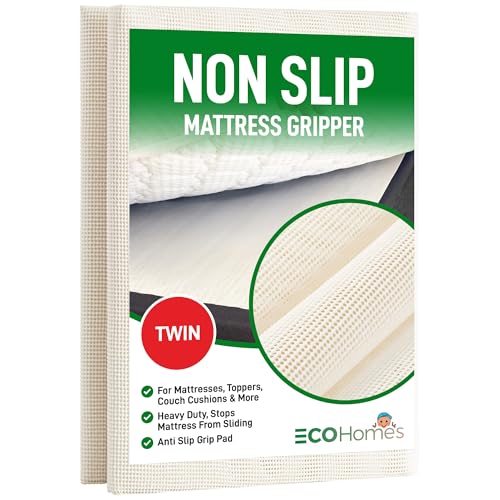
- Mattress pad with straps or anti-slip backing
- Futon cover with a zippered closure and enough stretch allowance
- Anti-slip gripper sheet, corner straps, or a similar grip underside
- Marker and straightedge for trim-to-fit cuts
- Scissors or a foam-cutting tool
Measure the seat and sleep surface
Measure the open futon from edge to edge, then measure the folded clearance in couch mode. Match foam sheet dimensions to the actual sleeping surface, not just the frame size. If the layer overhangs, it shifts during bed-to-sofa conversion and creates bunching at the fold.
For added layers, check the cover opening too. A zippered futon cover needs room for the extra loft, and heavier fabric usually handles that better than a thin, tight cover.
Choose foam, batting, or a mattress pad
Foam topper options give the biggest comfort change on a flat sleeping surface. Upholstery foam adds firmer support, and it comes in sheet sizes that you can trim to fit. Quilt batting adds light loft, compresses easily, and can help cut noise while softening hard edges.
A mattress pad is a good middle ground when you want a washable top layer. Look for attached straps or anti-slip backing, plus enough breathability for sleep use. It adds loft, but it will not fix a deeply compressed center.
Pick an anti-slip method and a cover with room to spare
Use a grip underside, corner straps, or a similar anti-slip solution on any loose layer. Futons move more than regular mattresses because they change position often. A secure stack stays flatter during folding and reduces edge creep when the frame shifts.
Choose a futon cover with a zippered closure and enough stretch allowance to fit the added padding. If the fabric is too tight, it can compress the top layer unevenly and make the center feel firmer than the edges.
What padding works best?
Foam is the most common way to add padding to a futon, but the best choice depends on the problem you are trying to solve. Use a foam topper for the biggest comfort change, upholstery foam for firmer support, or batting and a mattress pad for lighter softening with less bulk.
Use foam topper for the biggest comfort change
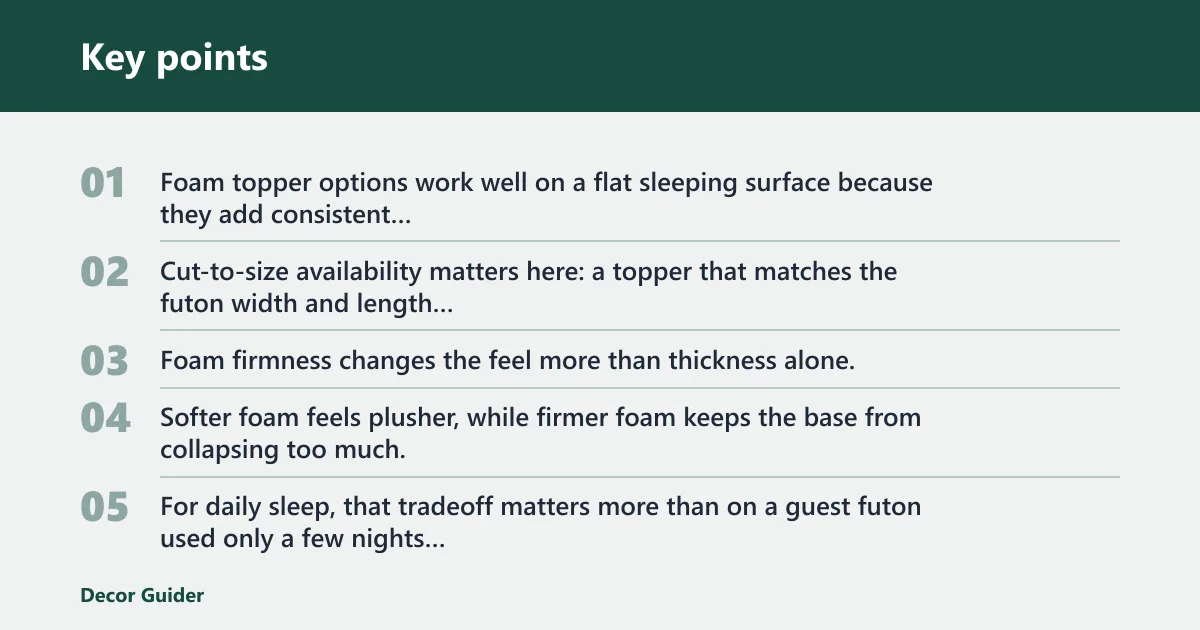
Foam topper options work well on a flat sleeping surface because they add consistent cushioning across the whole futon. Cut-to-size availability matters here: a topper that matches the futon width and length is less likely to slide or form ridges.
Foam firmness changes the feel more than thickness alone. Softer foam feels plusher, while firmer foam keeps the base from collapsing too much. For daily sleep, that tradeoff matters more than on a guest futon used only a few nights a month.
Use upholstery foam for firmer support and trimming
Upholstery foam is better when you want support with less sink. It is sold in sheet sizes, can be trim-to-fit, and is designed for seating applications. It also tends to hold up better than very soft foam, although edge-compression can show up first along the sides and at the fold line.
Clothbacked foam is worth considering when you need cushioning that can be formed and sewn through. The fabric backing helps it work around hard edges, and the same material is described as useful for upholstery applications and padding hard edges.
Use quilt batting or a mattress pad for a lighter top layer
Quilt batting adds loft without much structure. It compresses easily, can reduce noise from rubbing layers, and is useful over foam when you want a softer hand feel. Washability depends on the product, so do not assume every batting layer can go straight into a machine.
A mattress pad adds a bit of loft, often with attached straps or anti-slip backing. It breathes better than many dense foam layers and is easier to remove for cleaning, but it will not correct a sagging core.
Layer the padding
- Measure the futon first, then mark the open sleeping surface, the folded clearance, and any hinge area that must stay clear.
- Cut foam to match the surface. Keep the edges even so the stack bends at the same point on both sides.
- Add batting or a pad on top, then smooth it so the loft is even. If you need more softness, add 1 inch first and recheck the fold.
- Secure the stack before you put on the cover. Use grip backing or corner straps so the layers do not drift during conversion.
- Slip on the futon cover last and zip it fully. If the cover strains, remove a layer before forcing the closure.
Say your futon is a dorm couch that becomes a guest bed only on weekends. A thin foam layer plus a mattress pad usually gives enough softness without making the backrest bulky, and the cover still closes cleanly.
Suppose the futon is a daily sleeper with a compressed center. A firmer upholstery foam base under a thin batting layer is more useful than a plush topper alone, because the extra softness will not solve the weak middle.
Futon padding table
| Scenario | Recommended padding type | Approximate thickness range | Affects folding? | Main risk to watch for |
|---|---|---|---|---|
| Guest use | Foam topper with a mattress pad | About 1 to 2 inches total | Usually light, if cut to size | Cover fit that is too tight |
| Everyday sleeping | Upholstery foam plus a thin batting layer | About 1 to 2 inches total | Yes, if the stack is too soft or bulky | Hiding a sagging base |
| Couch mode | Mattress pad with anti-slip backing | About 1 inch or less | Minimal if kept thin | Sliding at the seat crease |
| Sore-hips rescue | Foam topper with added batting only at pressure points | About 1 to 2 inches, targeted | Moderate if the hips area gets too thick | Lumpy fold near the center |
How thick can you go?
Use thinner layers if you fold the futon daily. A stack that feels soft in bed mode can make the frame harder to close, and a thick center can create a compressed ridge where the hinge bends. For many futons, about 1 to 2 inches is a practical comfort range before foldability may start to suffer.
Use more loft for guest beds or couch mode, where the futon stays open longer. If the cover feels strained or the mattress bulges at the fold, back off the thickness before the fabric and frame start fighting each other.
If that didn’t work, try this next
- Remove the top batting or pad first if the futon no longer folds smoothly.
- Trim the foam edge back near the hinge if the fold line feels blocked.
- Swap a soft topper for firmer upholstery foam if the center sinks too much.
- Replace the cover with a roomier zippered version if the added loft still fits the frame but not the fabric.
Common mistakes
Avoid oversized foam that hangs over the futon edge. Overhang shifts during use and creates a lumpy fold. Keep the foam matched to the seat size so the layer bends where the frame bends.
Avoid loose layers without anti-slip control. A mattress pad or batting can bunch at the center unless you use grip backing, corner straps, or another friction method. Movement gets worse each time the futon changes from bed to sofa.
Avoid a cover that is too tight for the added loft. A zippered cover should close without strain. If the fabric is fighting the stack, the futon will feel firmer in some spots and softer in others.
Do not assume more softness means better sleep. A very soft top over a weak base can cause the middle to sink and the sides to ride higher, which is worse for nightly support.
When to add padding versus replace the cushion
Add a layer on top when the futon is basically sound but feels too firm, too flat, or a little noisy. Replace the cushion when the center is deeply compressed, the fold is permanently lumpy, or the base no longer supports weight evenly. Padding helps comfort; it does not rebuild a worn core.
A simple cost-to-comfort rule: a foam topper or batting layer is usually the cheaper fix for a good frame and a decent cushion, while a replacement cushion makes more sense when the existing mattress is already failing in the middle or along the fold.
Prevention
To keep the setup from slipping later, recheck the fold path after the first few conversions and tighten the cover only after the layers settle. If the stack starts to drift, add friction before adding more thickness.
Frequently asked questions
How do I add extra padding to a futon without buying a new mattress?
Layer a cut-to-size foam topper, then add a thin mattress pad or quilt batting, and finish with a futon cover that leaves room for the extra loft. Keep the total stack near 1 to 2 inches so the frame still closes without strain.
What can I put on a futon to make it softer?
A foam topper gives the most noticeable softening, while quilt batting adds a lighter cushion on top. If the futon is also used as a couch, a mattress pad with anti-slip backing is a practical choice because it adds comfort without much bulk.
Is foam a good way to add padding to a futon?
Yes. Foam can be used for a wide range of household cushioning tasks, and it is a common choice for futons because it comes in multiple sizes and options. For best results, match the foam sheet to the futon size and choose firmness based on support needs.
How thick should a futon topper or foam layer be?
For most futons, 1 to 2 inches is the practical range before folding becomes awkward. Daily sleepers usually need the thinner end with firmer support, while guest futons can handle a little more loft if the cover and frame still close cleanly.
Can I use a mattress topper on a futon bed?
Yes, as long as the topper is thin enough to fold with the frame and sized to the sleeping surface. Use an anti-slip method under it and check that the futon cover still zips without tension. A topper that is too thick can block the fold line.
How do I keep added padding from sliding around on a futon?
Use a grip underside, corner straps, or a mattress pad with anti-slip backing. A futon cover with a snug but not tight fit also helps lock the layers in place. If the stack still moves, reduce the thickness before adding more material.
What type of foam is best for upholstering a futon?
Upholstery foam is the better starting point when you want support and trim-to-fit shaping. Clothbacked foam is useful when hard edges need padding and the material must be formed and sewn through. For a softer sleep surface, choose a topper instead of a firm seat-grade foam.
Should I replace a futon cushion or just add a layer on top?
Add a layer if the cushion is still structurally sound and only needs more comfort. Replace it if the center is compressed, the fold has a permanent ridge, or the surface no longer supports weight evenly. Extra padding cannot restore a worn-out core.
How to fold a futon back up
Remove any loose layers that are not secured, then fold the futon slowly so the padding bends at the same hinge point as the frame. If the cover strains or the backrest does not close flat, reduce the stack before forcing the fold.
How to make a futon cover
Measure the futon with its added layers, add enough stretch allowance for the loft, and use a zippered closure so the cover can be removed. A heavier fabric usually handles the extra bulk better than a thin one, especially when the futon changes from bed to sofa often.
How to make a futon mattress
A futon mattress is built from matched foam sheets, optional batting, and an outer cover that fits the finished thickness. The key is to size the foam to the futon frame first, then add comfort layers without making the fold too stiff or the center too bulky.
How to make a futon frame
A frame needs accurate hinge placement, enough clearance for the mattress stack, and a fold path that stays clear when the futon converts. If you are modifying the padding rather than the frame, keep the total thickness low enough that the seat and backrest can still close without binding.
Products related to this article
Sponsored / affiliate links. As an Amazon Associate I earn from qualifying purchases. I may earn additional commission from eligible campaigns.