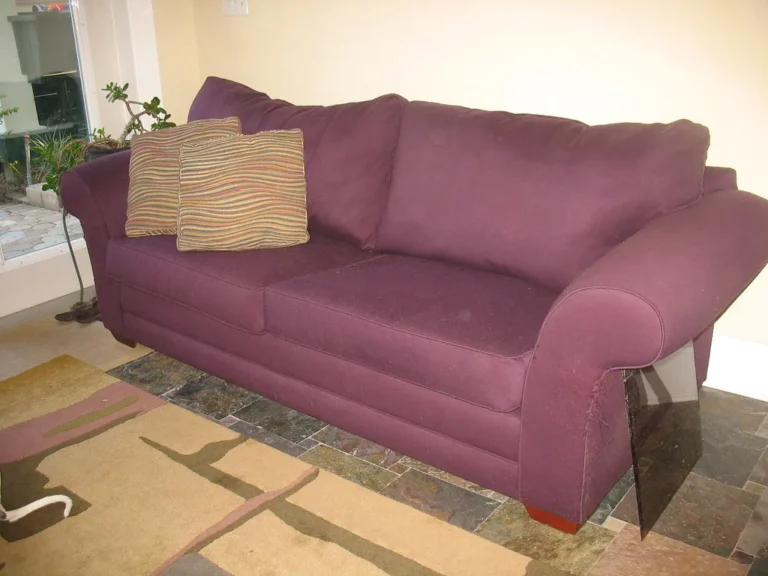
Futon Cushion Lumps Problems / Not Working / Troubleshooting
If a futon has lumps, hard spots, or uneven support, check the frame first: a bowed slat, missing center support, or loose hinge can mimic bad filling. If the frame is sound, the cushion or cover is the likely cause. Skipping the real source can leave the problem in place and send you after the wrong part. This guide shows you how to tell whether the lump comes from the filling, seams, cover, or frame, and what to fix next.
Why is my futon cushion lumpy?



Lumps usually come from one of four places: filling that has compressed or shifted, tufting or seams that have pulled the fill into ridges, a cover that bunches the material, or frame and slat issues that create pressure points underneath. Start by noting where the lump sits, whether it moves, and whether the futon feels hard in one spot and soft in another.
What symptom patterns mean
A fixed lump near the center often points to compression set in cotton batting or a tired foam core. A lump that shifts after sitting often points to uneven fill distribution or a loose cover. If one side feels firm and the other side sags, check frame alignment, center support, or broken slats before opening the mattress.
What you’ll need
- Measuring tape
- Upholstery needle
- Heavy-duty thread
- Seam ripper
- Scissors
- Staple gun
- Replacement batting, such as cut-to-size cotton batting, polyfill, or wool batting
- Mattress topper for temporary relief
- Flashlight for frame and slat inspection
Futon cushion troubleshooting matrix
| Symptom | Likely cause | Inspection step | Recommended fix | Estimated effort | Replace-vs-repair threshold |
|---|---|---|---|---|---|
| Hard center ridge | Cotton batting compression or tufting pulled tight | Press along the ridge and compare it with the edges | Start with the least invasive fix, redistribute the fill, add batting, or restitch loose tufts | Low to moderate | Replace if the indent is permanent and deeper than 1.5 inches |
| Soft dip on one side | Uneven fill distribution or foam core breakdown | Lift the cover and feel for thin spots | Open the seam and add replacement batting | Moderate | Replace if the foam core stays collapsed after refilling |
| Lump that shifts | Loose cover, zipper failure, or slipping protector | Check zipper closure and cover fit | Tighten the cover, replace the protector, or use a grippier fabric | Low | Repair if the cushion itself is still even |
| One edge sags more | Frame misalignment, hinge issue, or broken slat | Set the frame level and check support points | Replace if the frame is bent, cracked, or warped, realign the frame, replace slats, or fix the hinge hardware | Moderate | Replace if the frame is bent, cracked, or warped beyond alignment |
| Several raised spots | Tufting, internal baffles, or bunching batting | Look for uneven button spacing and stitch tension | Re-tie or restitch tufting, then redistribute fill | Moderate to high | Replace if seams keep opening or baffles fail again |
How do you fix a lumpy futon cushion?
Start with the least invasive fix and move inward only if the lump stays in the same place after you correct support and cover fit. For many futons, the first repair is a simple redistribution of fill; for others, the real fix is replacing damaged batting or tightening tufts that have shifted the internal layers.
-
Check support first. Place the frame on a level floor and press each seating area. If one section drops farther than the rest, correct the frame or slat issue before opening the cushion, because a bad base will recreate the lump.
-
Remove the cover and protector. Open the zipper fully and lift off any mattress protector or slipcover. A cover that is too tight, too slick, or stretched out of shape can pull fill into ridges and make the mattress feel uneven.
-
Redistribute the fill. Massage the cushion from the outside, then hand-shift batting toward thin areas. Add about 1 to 2 inches of replacement batting at a time, then recheck the surface so you do not overstuff one zone.
-
Repair seams and tufts. Use a seam ripper only where the batting is accessible, then restitch loose seams with heavy-duty thread and an upholstery needle. If buttons are pulled too deep, retighten them so the tufting spreads pressure instead of creating a peak.
Suppose a 6-inch futon mattress feels flat in the middle and springy near the edges. If the frame is level and the slats are intact, the most likely issue is uneven fill distribution or a foam core that has started to break down in the center.
How do you tell if the frame or slats are the problem?
If the lump changes when you open or fold the frame, the problem is usually underneath the mattress. Frame misalignment, weak hinges, center support failure, or wide slat spacing can create pressure gaps that read like a mattress defect even when the filling is still serviceable.
Frame and slat checks
-
Level the frame. Put a measuring tape across the base and check for visible tilt. If the futon sits unevenly on the floor, correct the feet or floor contact first, since a tilted base shifts weight into one zone.
-
Inspect hinges and supports. Open the frame fully and look for loose hinge screws, bent metal, cracked wood, or a missing center support. A hinge that binds can create a hard spot near the fold line.
-
Check slat spacing. If the slats are spaced too far apart, bowed, or broken, replace them with matched replacement slats. Support gaps often appear as one narrow soft channel that lines up with the missing support.
A common first-timer mistake is blaming the cushion for a dip that follows a broken slat. If the same spot feels firm when the mattress is on the floor but soft on the frame, the frame or slats are the real problem.
How do you stop a futon cushion from bunching up?
Bunching usually comes from a loose cover, slick protector, poor tufting, or fill that has room to migrate inside the mattress. Fix the fit first, then the internal structure, because a cover that slips will keep pulling the fill out of place.
Fit and cover fixes
-
Choose a tighter cover. Use a cover with enough stretch to stay flat across the fold, but not so much that it slides around. A zipper that closes without strain usually signals better fit than one that leaves slack.
-
Use slip resistance. If the protector is slick, swap to a fabric with more grip or remove the slippery layer. Less sliding means less internal migration of batting and fewer surface ridges.
-
Rebuild the tufting pattern. Check button placement and stitch tension so the internal layers stay anchored. Uneven tufts can pull fill into hills, especially near the fold line and seat center.
Common mistakes
The wrong repair can hide the symptom for a week and leave the cause in place. That usually leads to more uneven support, faster wear, and more money spent than needed.
- Rotating the futon without checking the frame first.
- Adding a topper before fixing broken slats or a bent hinge.
- Overstuffing one area and creating a new ridge nearby.
- Ignoring zipper failure or a loose cover that keeps bunching.
- Trying to restitch a seam without checking whether the fill has already broken down.
When should you replace the futon instead of repairing it?
Replace the futon when the sag is permanent, the mattress has lost support across a wide area, or the frame itself is damaged beyond alignment. A repair makes sense when the problem is isolated, such as one collapsed zone, a loose seam, or one broken slat. Permanent indentations deeper than about 1.5 inches are often used as a replacement threshold.
Replacement signs
If the mattress is older, the filling has lost loft across most of its surface, and the lump returns after redistribution, repair time is usually over. The same is true when the frame is cracked, the center support fails repeatedly, or several slats are bowed enough to leave support gaps.
If that does not work, try a temporary topper only after the frame and fill are sorted. A foam topper about 1 to 2 inches thick can smooth pressure points for a short period, but it will not fix broken support or collapsed batting.
Prevention is simple: rotate and flip on a regular schedule, keep the frame level, and replace loose batting before it becomes a hard ridge. That matters most on daily sleepers and dorm futons, where compression happens faster than on occasional-use pieces.
Frequently asked questions
How do I fix a lumpy futon mattress?
Open the cover, redistribute the fill, and add 1 to 2 inches of replacement batting only where the cushion is thin. If the problem remains in the same spot after that, check for broken slats, loose hinges, or a center support that has dropped.
Can you fluff a futon cushion back into shape?
Yes, but only if the filling still has loft. Hand-fluffing works best on polyester blend fill and lightly compressed cotton batting; it will not reverse a foam core that has broken down or a permanent indent deeper than about 1.5 inches.
When should I replace a futon mattress instead of fixing it?
Replace it when support is lost across a broad area, the sag is permanent, or the filling stays flat after redistribution. Visible frame damage, repeated seam failure, and support loss that returns within days are also strong replacement signs.
Why does my futon feel hard in some spots and soft in others?
That usually means the support under the mattress is uneven or the internal fill has migrated. Check the frame level, slat spacing, and hinge alignment first; if those are sound, the cushion likely has compacted batting or uneven tufting.
Do futon bed slats cause lumps in the mattress?
Broken slats, wide spacing, or bowed slats can leave support gaps that may feel like lumps or dips above the mattress. Replacement slats are the right fix when the frame is otherwise straight and the problem follows one support line.
What filling or topper works best for a sagging futon?
For filling, cut-to-size cotton batting or wool batting works well when you need more loft and firmer support. For a temporary fix, a 1 to 2 inch foam topper can reduce pressure points, but it should fit the fold and not hide a broken frame.
How do I tell if the frame, slats, or mattress is the real problem?
Remove the mattress and press the frame directly. If the frame or slats sag, creak, or sit unevenly, the base is at fault; if the base feels even, the cushion, tufting, or cover is the likely cause.
Products related to this article
Sponsored / affiliate links. As an Amazon Associate I earn from qualifying purchases. I may earn additional commission from eligible campaigns.