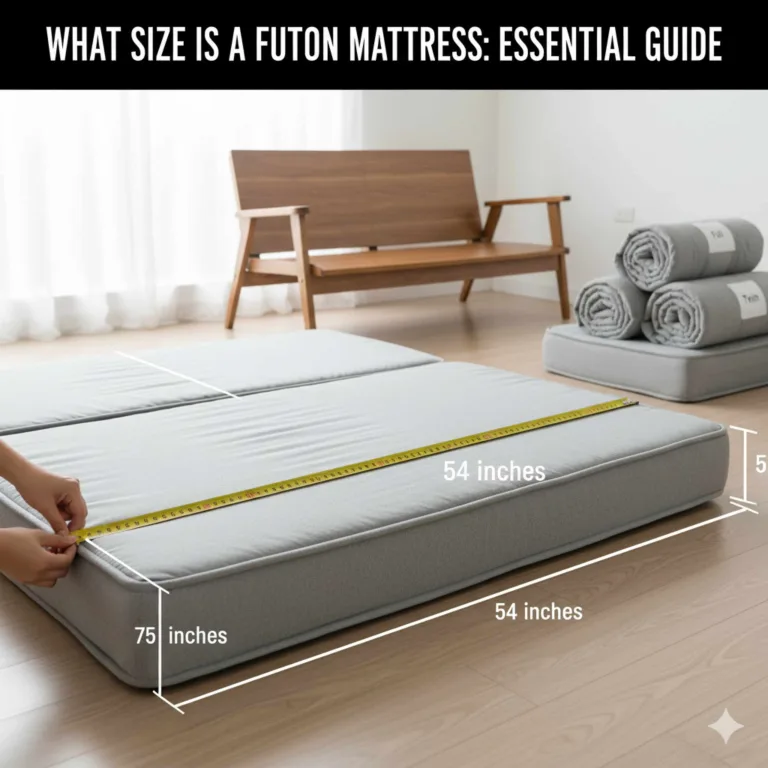
Futon Frame Not Latching Troubleshooting
A futon frame that will not latch usually needs an alignment fix, a latch or hinge replacement, or a stop-use decision if hardware is bent, cracked, or missing. Ignoring it can let the frame drop unexpectedly, damage the wood or metal joints, and make the bed unsafe to sit or sleep on. This guide shows how to trace futon frame not latching troubleshooting by symptom and match the right fix to the failure point.
What you’ll need

- Tape measure for hole spacing and side-to-side comparison
- Square or straightedge for checking twist and frame alignment
- Caliper or thread gauge for matching bolt size and thread pitch
- Hex keys, sockets, and screwdrivers sized to the frame fasteners
- Lubricant for dry metal hinge joints only
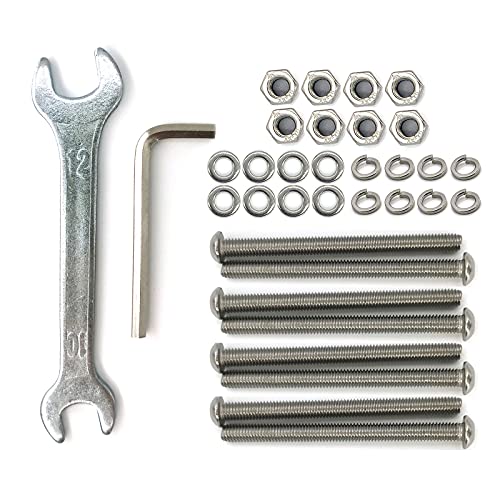
- Replacement hardware kit with bolts, nuts, washers, and any latch parts
- Support block or stool to hold the frame at the safety stop position during testing
- Work gloves and eye protection for pinch-point checks
Why is my futon frame not latching?
The usual causes are misalignment, a bent latch or catch, hinge binding, or missing or wrong hardware. On wood frames, swelling, split holes, warped slats, and screw pull-out are common. On metal frames, look for bent brackets, loose rivets, rust, and worn stop tabs. First, check whether both sides reach the same stop without force.
Alignment error
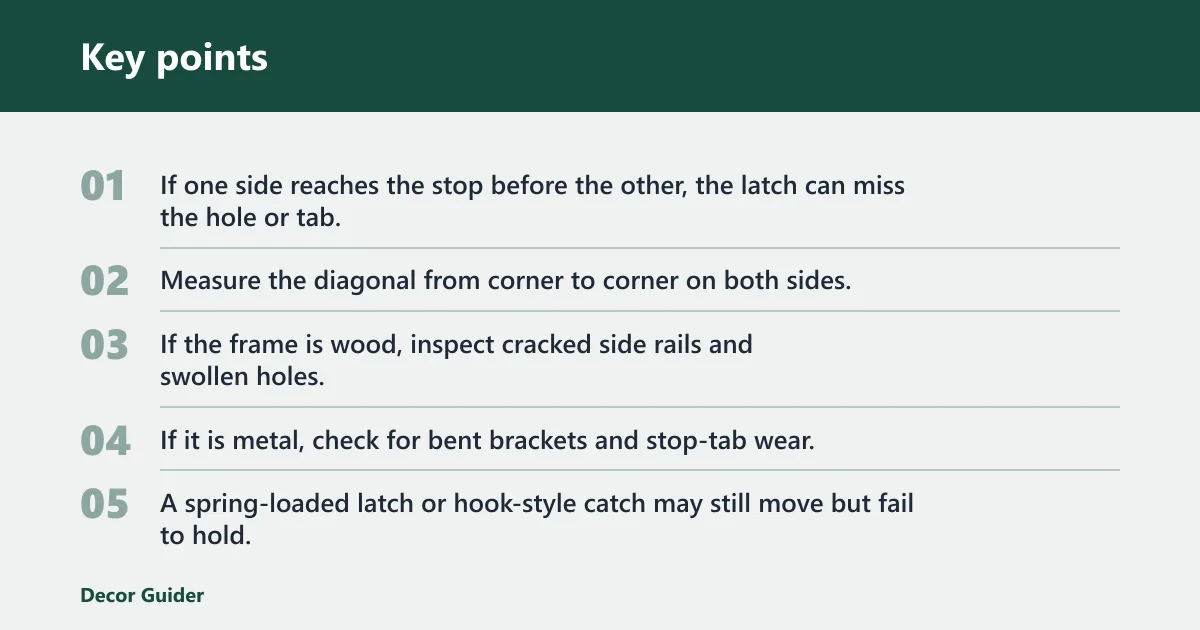
If one side reaches the stop before the other, the latch can miss the hole or tab. Measure the diagonal from corner to corner on both sides; a difference points to twist or racking. If the frame is wood, inspect cracked side rails and swollen holes. If it is metal, check for bent brackets and stop-tab wear.
Bent or worn latch part
A spring-loaded latch or hook-style catch may still move but fail to hold. If it clicks and then slips free, the latch face may be rounded or bent. A locking pin or catch mechanism that no longer meets the hole or tab usually needs replacement, not more adjustment.
Binding hinge hardware
Futon hinge hardware can bind if hex bolts are overtightened or if rust has built up in the pivot joints. Uneven closing often starts here. Check whether one hinge drags while the opposite side moves freely. If loosening a fastener changes the motion, torque is part of the problem.
Missing or wrong hardware size
Wrong bolt length, a mismatched washer stack, or a missing nut can keep the frame from reaching its stop points. Measure the existing fastener with a caliper or thread gauge before ordering parts. A hardware kit can help only if the thread size, length, and frame type match.
How do I close a futon that won’t latch?
Close the frame only after both sides move to the same stop position without forcing. Start by clearing the mattress shift, then check whether the latch point is blocked by a bent tab, a loose bolt, or a side rail that is out of square. If it still will not catch, stop using the frame until the fault is found.
Check for obstruction and mattress shift
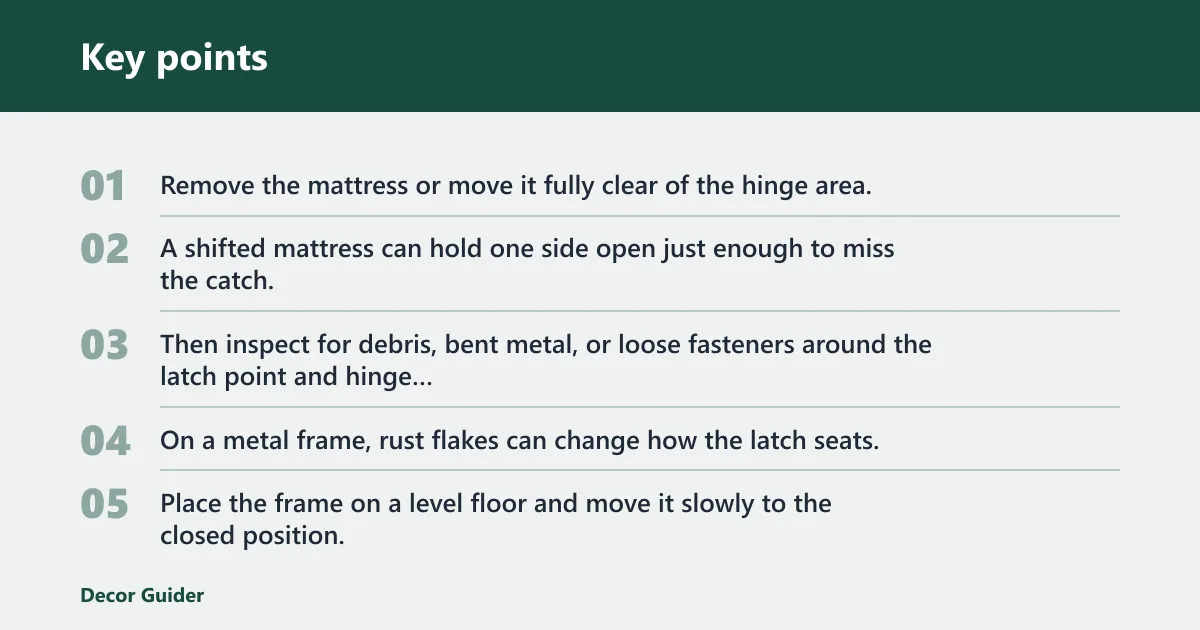
Remove the mattress or move it fully clear of the hinge area. A shifted mattress can hold one side open just enough to miss the catch. Then inspect for debris, bent metal, or loose fasteners around the latch point and hinge path. On a metal frame, rust flakes can change how the latch seats.
Verify both sides reach the same stop
Place the frame on a level floor and move it slowly to the closed position. Watch for one side stopping early. Use a straightedge across the rails and compare diagonal measurements. If the sides are not equal, alignment is the issue, not the latch alone.
Inspect the catch point and fastener torque
Check the latch, hook, or pin for bending and the nearby bolts for looseness. Overtightened hex bolts and washers can pinch the hinge plates and prevent full travel. Under-torqued fasteners let the joint shift and miss the stop. Tighten only until the parts seat firmly, then recheck motion.
Futon frame not latching troubleshooting table
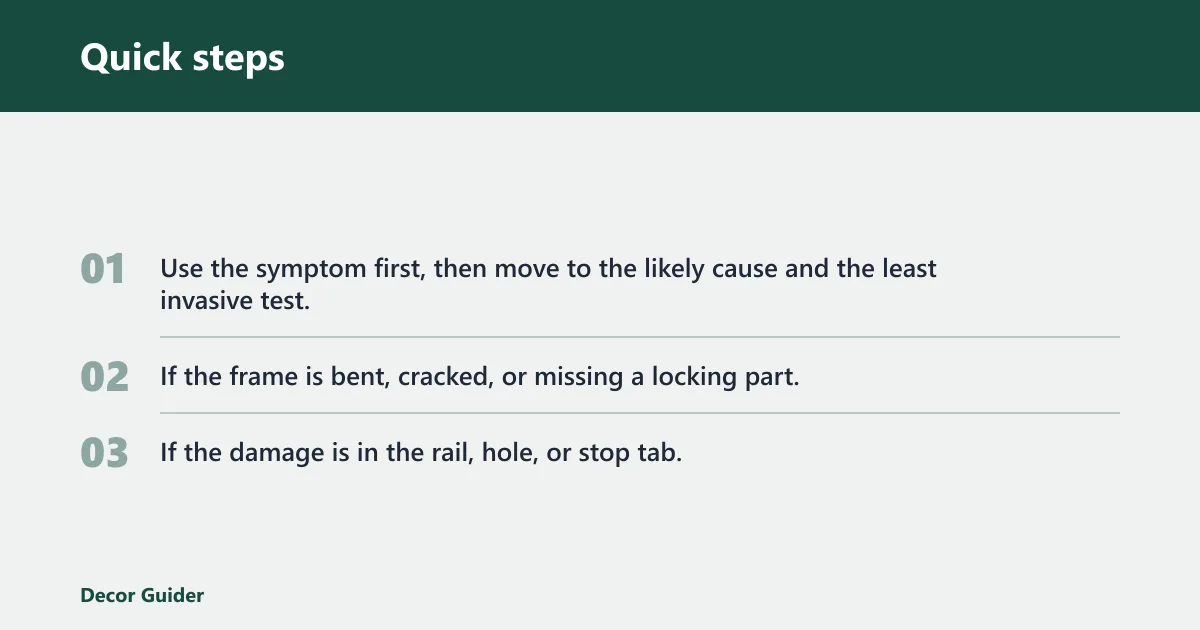
Use the symptom first, then move to the likely cause and the least invasive test. If the frame is bent, cracked, or missing a locking part, a replacement hardware kit may solve it only when the model and thread match. If the damage is in the rail, hole, or stop tab, replacement is often the safer call than repair.
| Symptom | Likely cause | Quick test | Tools | Repair, replace, or retire |
|---|---|---|---|---|
| Won’t lock closed | Misalignment or bent catch | Measure both diagonals and compare the latch-to-tab gap | Tape measure, straightedge | Repair if square can be restored; replace catch if bent |
| Won’t lock open | Stop tab wear or wrong bolt length | Check whether the stop is reached on both sides at the same angle | Square, caliper | Replace hardware if the stop part is intact; retire if tab is torn |
| Clicks but slips free | Worn latch face or weak spring | Hand-load the latch and see whether it holds without the mattress | Screwdriver, hex key | Replace latch parts or full kit |
| Frame sits uneven | Twist, warped slats, or split wood holes | Set a straightedge across the rails and check for gaps | Straightedge, tape measure | Repair if holes hold fasteners; retire if rails are split |
| Latch feels tight only on one side | Loose rivet or hinge bind | Move each hinge separately and compare resistance | Hex keys, socket set | Replace worn hinge hardware |
| Catch misses the hole or tab | Frame out of square or wrong part installed | Measure hole spacing side to side and compare to the part | Tape measure, caliper | Replace mismatched hardware; retire if the frame is distorted |
| Hinge binds or grinds | Rust, dry joint, or overtightened bolts | Loosen one fastener slightly and see if motion improves | Hex key, lubricant | Clean, lubricate lightly, then retorque; replace if pitted |
| Hardware is missing or stripped | Loose fastener, pulled-out threads, or wrong kit | Check thread size and hole condition before ordering | Caliper, thread gauge | Replace with matched kit; retire if the mounting point is destroyed |
What should I inspect on an old futon frame before repairing it?
Look for cracked side rails, split bolt holes, warped slats, bent brackets, loose rivets, and rust. Old wood frames often fail where the bolt has pulled through the rail. Old metal frames often fail at the bracket or stop tab. If damage is structural, a hardware swap will not make the frame safe.
Wood-frame failure points
Check for swelling around the holes, which can stop bolts from seating. Look for split holes and screw pull-out near hinge plates. Measure hole spacing and compare both sides. If the wood rail is cracked or the cam hardware no longer clamps evenly, replacement of the affected rail or the whole frame may be needed.
Metal-frame failure points
Inspect bent brackets, loose rivets, and rust at the pivot points. A metal frame often fails when a stop tab wears thin or folds over. Light lubricant can help a dry hinge, but it will not correct a bent bracket. If a rivet is loose enough to shift under load, replace the joint hardware.
How do I fix a bent futon latch or hinge?
A bent latch or hinge usually needs straightening only if the metal is still sound and the part lines up after correction. If the latch face is rounded, the spring weak, or the hinge plate cracked, replacement is the safer choice. Do not force the part past its stop; that can tear the mounting holes.
- Support the frame at the safety stop position with a block or stool.
- Inspect both hinge stacks and latch points for visible bend or wear.
- Loosen the affected fasteners one turn, then check whether the part returns to line.
- Realign the bent bracket only enough to meet the mating hole or tab, then retighten.
- Apply lubricant only to dry metal pivot joints, using about 1 to 2 drops per joint, then cycle the frame and recheck.
If a metal frame clicks shut on one side but the latch still misses by about 6 mm on the other side, that may point to frame twist rather than a bad latch alone. That usually points to twist, not a bad latch alone. Measure diagonals first; if they differ, straighten the frame before ordering a new catch.
How do I assemble a futon frame so it latches correctly?
Assemble the frame in the exact left-right orientation shown by the hardware layout, then leave every fastener slightly loose until both sides move evenly. The latch must meet its mate at the correct angle. If one hinge stack is flipped, the frame can lock on the bench and fail once loaded.
- Lay out the side rails, hinge plates, and latch parts by left and right side.
- Install bolts and washers only finger-tight at first.
- Check the frame with a square and compare both diagonals before final tightening.
- Bring each fastener to the same snug torque, then test the full-open and full-closed stops.
- If the latch misses, swap to the correct bolt length or matching replacement hardware kit before forcing the joint.
Suppose a wood frame closes only after the mattress is removed. That usually means the frame is almost square but the load shifts it enough to miss the catch. Recheck bolt torque and rail alignment with the mattress off, then add the mattress and test again.
What replacement parts do I need for a futon frame latch?
Match the frame type first, then match thread size, length, and part shape. A replacement hardware kit may include bolts, nuts, washers, and latch pieces, but it helps only if the model is close enough. Bring a sample bolt to the store or measure it with a caliper and thread gauge before ordering.
- For wood frames: hinge plates, carriage bolts, washers, nuts, and any cam or catch parts
- For metal frames: pivot bolts, stop tabs, spring clips, rivets, and matching nuts
- For either type: the same thread pitch, the correct bolt length, and washers sized to the original holes
Cost can steer the decision. Small hardware kits are usually the least expensive repair. If the rail is split, the stop tab is torn, or several joints are rusted through, the cost of matching parts can climb close to the price of a replacement frame. At that point, retire the frame.
Common mistakes
The wrong fix can make the latch fail faster. Bind, twist, or missing hardware usually gets worse when the frame is forced. Keep the repair tied to the failure point, and stop if the frame cannot reach the safety stop position without pressure.
- Overtightening hinge bolts, which can bind the joint and stop the latch from reaching its mate
- Using the wrong bolt length or thread, which can strip holes or leave the joint loose
- Forcing a latch past its stop, which can bend the catch or crack a wood rail
- Adding lubricant to a bent part, which hides the symptom without fixing the alignment
- Ignoring cracked wood or rusted metal, which leaves the frame unsafe under load
Frequently asked questions
How do I open a futon frame when the latch sticks?
Support the frame so the joint cannot drop, then relieve pressure at the hinge and latch area before moving it. If the latch is spring-loaded, try easing the frame a few millimeters back toward the locked position, then release it in a controlled way. Replace a sticky latch that needs force every time.
Can a futon hardware replacement kit fix a non-latching frame?
Yes, if the failure is a worn latch, stripped fastener, or missing bolt and the kit matches the frame type, thread size, and length. It will not fix a warped rail, torn stop tab, or cracked wood hole. In those cases, the kit may buy time but not restore safe operation.
Products related to this article
Sponsored / affiliate links. As an Amazon Associate I earn from qualifying purchases. I may earn additional commission from eligible campaigns.