Best Convertible Sofa for Small Living Rooms: Picks
A practical choice for a small living room is a 72–84-inch sofa bed with a wall-hugging or pull-out mechanism and about 24 inches of front clearance. Pick the wrong one, and you jam walkways, block storage doors, or end up with a bed that works for a nap and fails on a regular night. This guide compares mechanisms, dimensions, and daily-use comfort against real small-room limits.
This guide is part of our Futon mattress guide: sizes, setup, and care series.
Best convertible sofa for small living rooms: top pick and quick picks
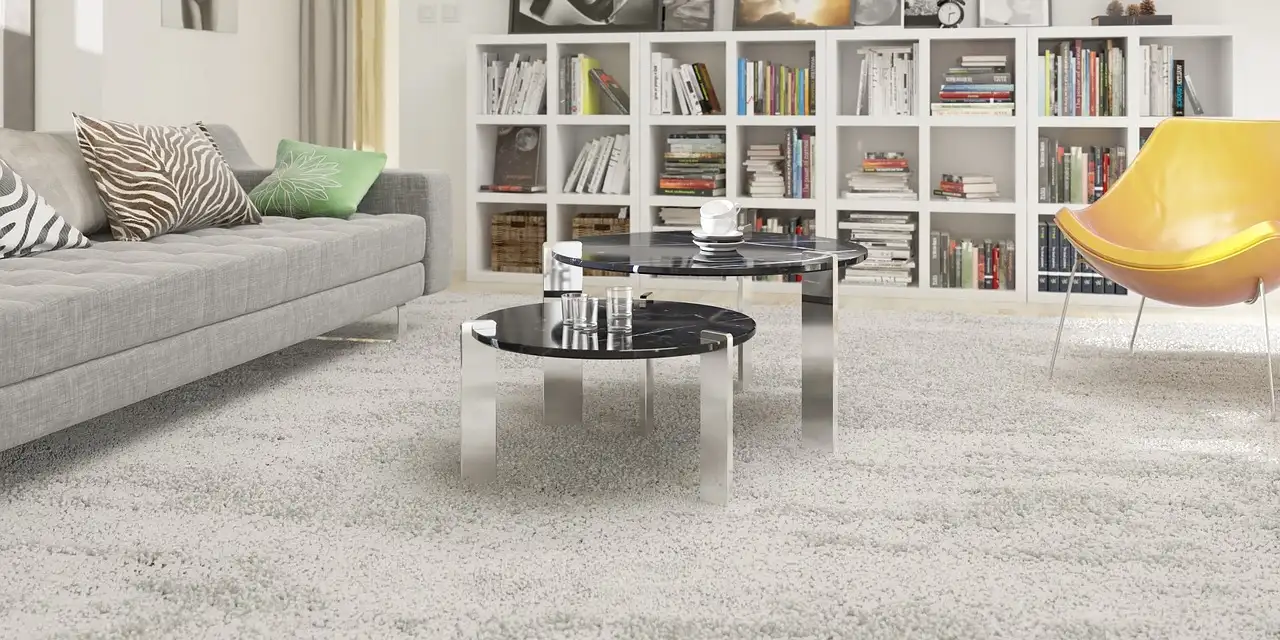
The top pick is a wall-hugging pull-out or fold-flat convertible sofa in the 72–84-inch range, since that size can balance seat width, sleep length, and the clearance needs that small rooms tend to expose fastest. In cramped rooms, mechanism fit matters more than style.
Quick picks
- Top pick for daily sleep: 72–84-inch wall-hugging sleeper sofa with high-density foam seating and a 4.5-inch-plus mattress.
- Best for studio apartments: fold-flat convertible sofa with a shallow open footprint and easy wall-side placement.
- Best for guest-first rooms: pull-out sleeper sofa with better bed support, even if it needs more front clearance.
- Best budget pick: futon-style click-clack convertible sofa with simple conversion and compact depth.
Top pick for daily sleep in a tight living room
A wall-hugging sleeper sofa is the safest choice for daily use in a small living room when the bed must open near a wall. It usually asks for less clearance behind the backrest than a standard pull-out, and that makes it easier to keep in a room that still needs a path to the door, TV, or storage.
Best for studio apartments with one main seating zone
A fold-flat convertible sofa works well when the same room serves as seating, sleeping, and sometimes dining space. It opens with less mechanical bulk than many pull-outs, so the room can feel less crowded at night. That matters when every square foot has a job.
Best for guest-first rooms with occasional sleep use
A pull-out sleeper sofa is the strongest guest-first choice if the room can handle the opening footprint. It usually gives better sleep support than a budget click-clack model, which matters less for occasional guests but more for anyone sleeping there several nights in a row.
Best budget pick for simple click-clack conversion
A futon-style convertible sofa is the budget-friendly option when easy conversion matters more than mattress-like comfort. It is fast to switch, often compact, and useful in rooms where the bed position changes often. The tradeoff is weaker sleep support for long-term nightly use.
What size convertible sofa fits a small living room?
A small living room often fits a convertible sofa in the 72–84-inch width range, but width alone is not enough. The open-bed length, front clearance, walkway width, and door swing decide whether the piece will work in daily use or turn into a constant obstacle.
Sofa width ranges that usually fit small rooms
For a tight room, a roughly 72–78-inch convertible sofa can be a flexible starting point. A roughly 79–84-inch model can still fit, but only when the room has at least one uninterrupted wall and a clear path around the open bed. Loveseat convertible sofas often fall in the 50–72-inch range and can fit tighter layouts.
Open-bed length and why it matters more than seat count
Seat count can mislead buyers. A two-seat sofa with a large open bed may fit worse than a longer sofa with a shorter conversion path. In a small living room, open-bed length often matters more than how many people sit there in the day. That is the number that can block the TV, coffee table, or entry path at night.
Front clearance and walkway space rules
Plan for about 24 inches of clear space in front of the sofa for a basic conversion zone, and aim for roughly 30 to 36 inches of walkway if people still need to pass by when the bed is open. Narrower than that, and the room starts to feel pinned down.
Door swing, TV distance, and wall clearance checks
Check the swing of every door near the sofa. A door that opens into the conversion zone can make an otherwise good sofa fail on delivery day. Keep enough wall clearance for recline or lift action, and leave TV viewing distance that still feels comfortable when the sofa is in seating mode. For small rooms, the conversion path matters as much as the final bed footprint.
Convertible sofa vs sleeper sofa: which fits your room?
A convertible sofa is usually the better fit when the room is tight and the bed must be moved or opened often. A sleeper sofa is better when sleep comfort matters more and the room can absorb the larger open footprint. The right answer depends on mechanism, not labels.
Pull-out sleeper sofa and the space it needs
A pull-out sleeper sofa uses a hidden mattress and frame that slide forward, so it needs more open floor space in front. It can be the best comfort choice, but it is rarely the easiest in a narrow living room. Expect more weight, more assembly, and more trouble on stairs or through tight hallways.
Fold-flat sleeper designs and when they work better
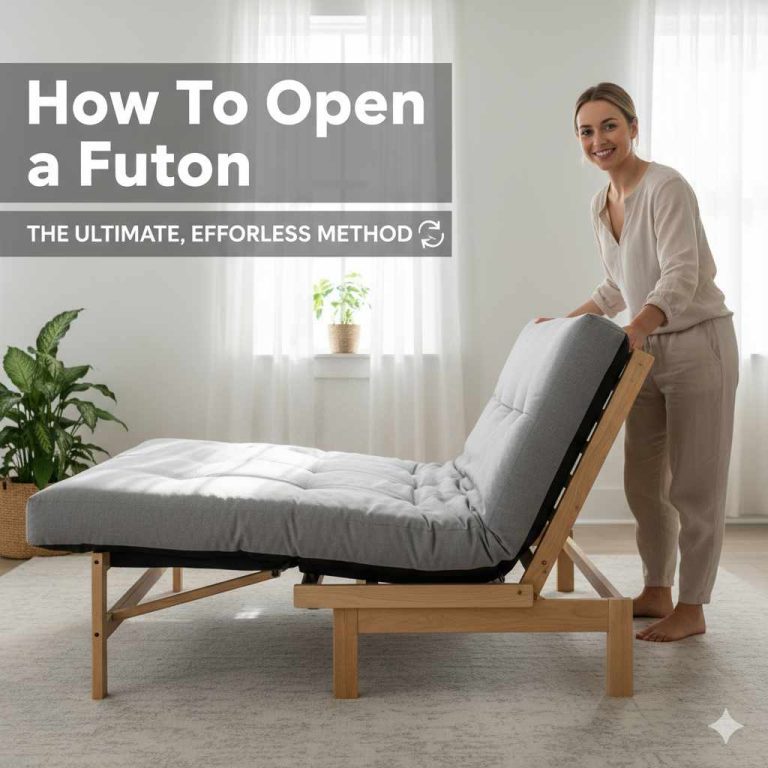
Fold-flat sleeper designs usually convert by lowering the back or seat into a bed surface. They often need less forward clearance than pull-outs, which is helpful when the room is short or the sofa sits near a wall. They are a practical middle ground for everyday small-room use.
Loveseat convertible sofa for compact seating zones
A loveseat convertible sofa gives two-seat capacity in a compact footprint, which makes it useful in apartments, office nooks, and guest rooms that are not full-time sleeping spaces. The tradeoff is less lounging room and less stretch-out comfort. It works best when sleeping is occasional or for one smaller adult.
Futon-style convertible sofa for simple daily conversion
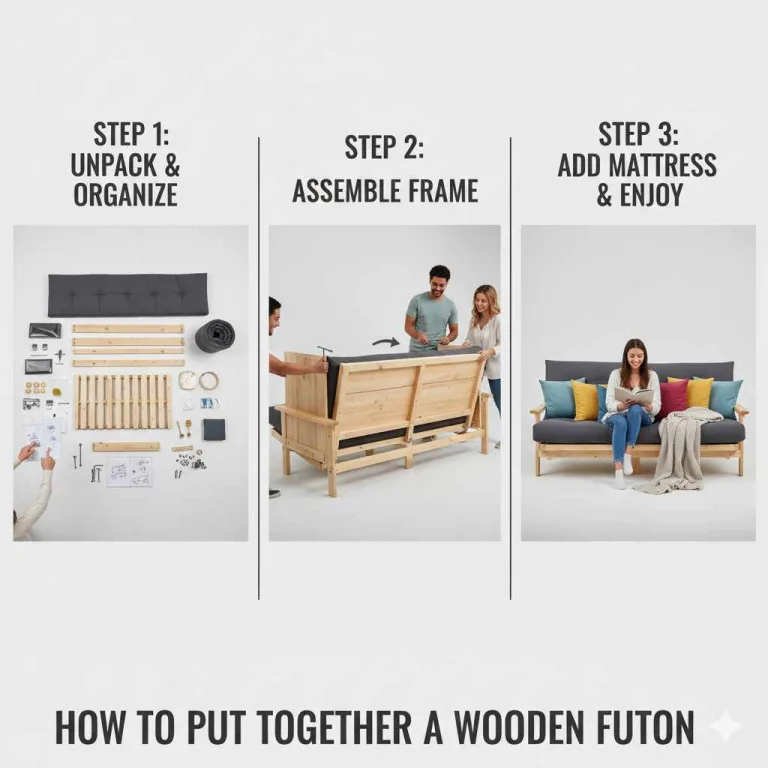
A futon-style convertible sofa uses a click-clack mechanism, usually with backrest positions around upright, relaxed, and flat. It is easy to switch and often budget-friendly. The comfort limit shows up fast in nightly use, especially if the seat fill is soft or the frame flexes under weight.
How do I choose a sofa for a small living room?
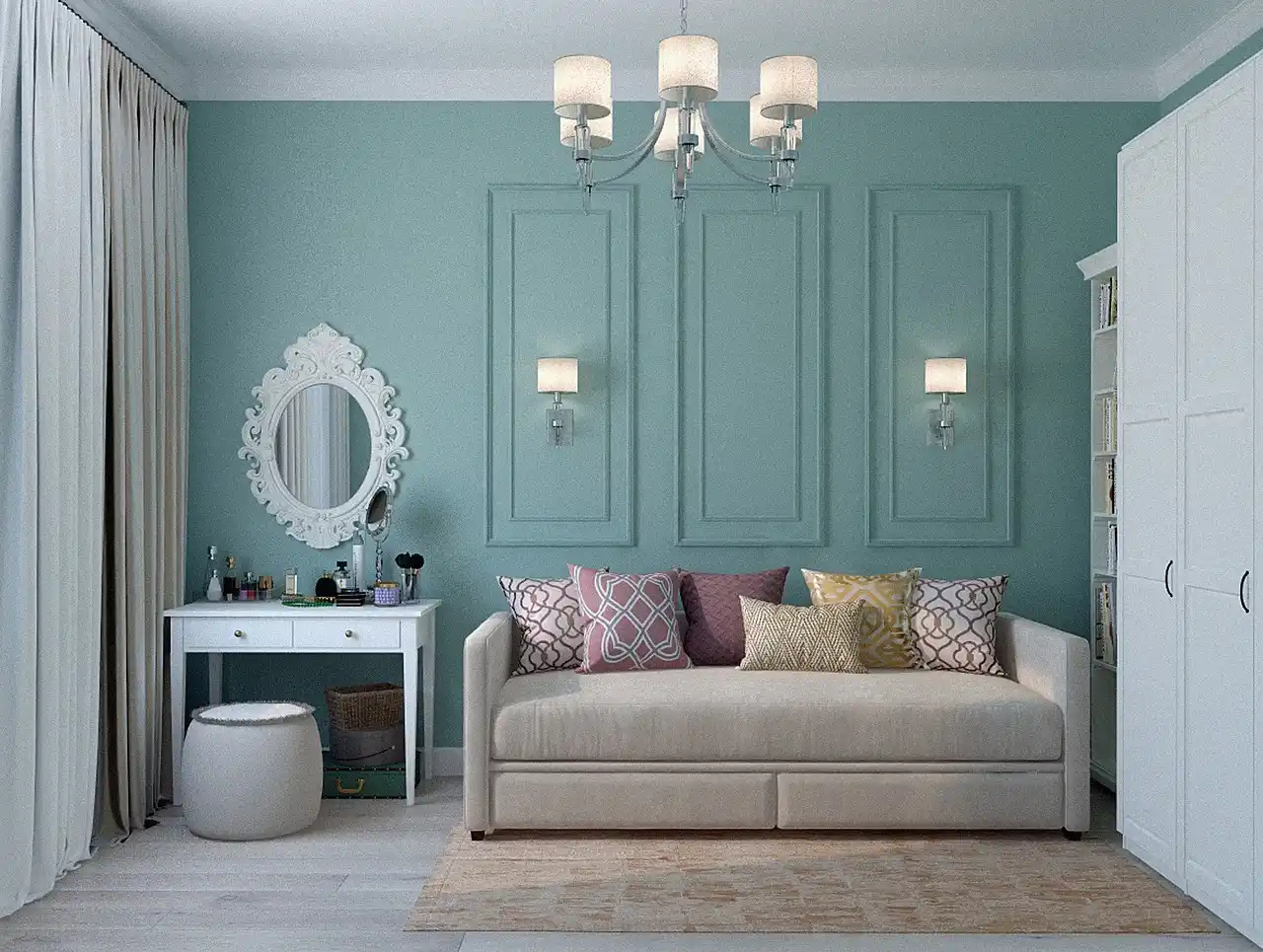
Choose by conversion frequency, sleep need, and room clearance first. Then check seat depth, mattress thickness, frame material, and upholstery. In small rooms, a sofa that fits the doorway but fails at bed conversion is a poor buy. The room has to work both ways.
Match mechanism to your conversion frequency
If the bed will open every night, choose a mechanism that is easy to operate and forgiving in tight spaces. Wall-hugging and fold-flat designs usually make the least fuss. If the sofa is mostly for guests, a pull-out model can be worth the extra space and weight because sleep comfort matters more than speed.
Check seat depth for sit comfort and lounge posture
Seat depth changes how a sofa feels during the day. Shallower seats help upright sitting and compact rooms. Deeper seats feel better for lounging, but they can swallow floor space and make short users feel less supported. In small rooms, the best seat depth is the one that still leaves a usable walkway.
Compare high-density foam, mattress thickness, and recovery time
High-density foam gives better support, better compression resistance, and quicker recovery than soft low-density fill. That matters because small-room sofas get used harder, with less chance to rotate or spread out. For nightly sleep, mattress thickness and foam recovery matter more than decorative cushions that flatten after a few weeks.
Choose solid wood or metal frame construction for stability
A solid wood or metal frame is the safer choice for longevity, load capacity, and noise resistance. Metal frames often resist flex and squeaks well. Solid wood can be easier to repair in some designs. Weak mixed-material frames are more likely to wobble on uneven floors, which is a common small-room problem.
Room-fit decision table: measure before you buy
This table gives concrete checkpoints for a room-fit decision. If the numbers miss by much, the sofa may fit in theory and fail in daily use. Measure the room, then compare the sofa dimensions and the open-bed footprint with these checkpoints.
| Checkpoint | What to measure | Small-room target | Go / no-go rule |
|---|---|---|---|
| Sofa width | Arm-to-arm overall width | 72–84 inches for most small living rooms; 50–72 inches for loveseat convertible sofas | Go if the width leaves room for door swing and a clear path to the seating area |
| Open length | Total front extension when converted | Match the room’s free floor depth, with extra space for walking access | No-go if the open bed blocks the main circulation path |
| Required front clearance | Space needed to open the mechanism | At least 24 inches, more if the sofa has a pull-out frame | No-go if the front clearance is less than the mechanism needs |
| Walkway width | Clear pass-through beside the open sofa | 30–36 inches where people still need to move | Go only if the walkway remains usable when the bed is open |
| Door and wall clearance | Swing path, baseboard depth, wall contact zone | Enough room for doors to open and for backs to recline or lift | No-go if a door, radiator, or wall trim blocks conversion |
- Measure the wall where the sofa will sit.
- Measure the open-bed depth from that wall.
- Mark the front clearance on the floor with tape.
- Check the doorway, hall, and stair path for delivery.
- Confirm the room still has a workable walkway when the bed is open.
Which materials hold up best in a small-space sofa?
Performance upholstery, high-density foam, and a solid frame are the best combination for a small-space sofa. Small rooms usually see more daily use, more contact with bags and shoes, and more cleaning around edges. Material choice has to match that reality, not just the color palette.
Performance upholstery for stains and pet hair
Performance upholstery is the best all-around choice when spills, pet hair, and heavy use are part of daily life. Tight weaves and stain-resistant finishes usually clean faster and hold up better than delicate textures. Pet hair also releases more easily from smoother fabrics than from looped or deeply textured ones.
Cleaning methods that fit daily use
For small rooms, upholstery should be easy to vacuum along seams and quick to spot-clean. Removable cushion covers help. So do fabrics that tolerate mild soap and water without leaving marks. If cleaning feels complicated, the sofa will show wear faster because the routine gets skipped.
Abrasion durability for high-traffic seating
High abrasion resistance matters when the sofa is used for sitting, sleeping, and sometimes working. In a compact room, the same seat gets more action than a formal living room sofa. A fabric that resists pilling and seam wear will look better longer, even if it is not the softest at first touch.
Fill and frame choices that reduce sag and squeaks
High-density foam resists compression better than soft foam, so cushions keep their shape longer. A sturdy solid wood or metal frame reduces squeaks and side-to-side flex. Those problems show up quickly in small rooms because the sofa is often used daily and moved less often.
Best convertible sofa types by use case
The right type depends on how the room works day to day. A studio apartment needs different movement rules than a guest room. A WFH setup needs different seat comfort than a pet-heavy home that gets cleaned often.
Studio apartment with one main sleep zone
Choose a fold-flat or wall-hugging convertible sofa with a compact open footprint. It should convert fast, stay comfortable for nightly use, and leave enough walking space to reach the kitchen or bathroom without stepping over the bed path.
Guest room that doubles as a sitting room
A pull-out sleeper sofa is often the best fit here because the room can tolerate a larger open bed when guests arrive. Seat comfort matters, but sleep comfort matters more in this use case. A medium-firm mattress and sturdy frame are worth the extra space.
WFH daybed setup for long sitting sessions
For a room used as an office during the day, a fold-flat or loveseat convertible sofa is usually better than a bulky pull-out. It keeps the room less cramped, and the seat depth can be chosen for sitting posture rather than full-room lounging. A supportive back cushion matters more than a deep bed feature.
Pet-heavy household with frequent cleanups
Choose performance upholstery, removable covers if available, and a frame that sits solidly on the floor. Pet hair resistance and stain cleanup matter more than a plush handfeel. Avoid deep tufting and delicate trims, because they trap dirt and are harder to maintain around claws and shedding.
Frequently asked questions
Is a sleeper sofa or convertible sofa better for small spaces?
A convertible sofa is usually better when space is tight and conversion needs to be simple. A sleeper sofa is better when sleep quality matters more and the room can handle the larger open footprint. The choice comes down to room clearance and how often the bed must be opened.
What is the most comfortable sofa for small spaces?
The most comfortable option is usually a convertible sofa with high-density foam seating, a supportive frame, and a mattress or fold-flat surface that stays level. For daily sleep, mattress thickness and support matter more than soft cushions. For sitting, seat depth and back support matter most.
How much clearance do I need for a pull-out sofa?
Plan for at least 24 inches of front clearance, and more if the pull-out frame extends far into the room. A workable walkway usually needs 30–36 inches when people still have to pass by. If a door opens into the same zone, the sofa should be reconsidered.
Products related to this article
Sponsored / affiliate links. As an Amazon Associate I earn from qualifying purchases. I may earn additional commission from eligible campaigns.