Futon vs Sleeper Sofa for Everyday Use: Which Wins?
For nightly use, a sleeper sofa with a thicker mattress often beats a futon; choose a futon only if you need a lower price and can live with firmer, thinner support. Bad picks mean poor sleep, sore backs, and daily setup annoyance. I compare comfort, setup friction, room fit, and long-term cost.
Futon vs sleeper sofa for everyday use: the trade-off



The trade-off is simple: a futon is smaller and easier to live with in tight rooms, while a sleeper sofa is usually the better nightly bed if the mattress and pull-out mechanism are good. A futon uses the same surface for sitting and sleeping, so comfort depends on the frame and mattress you choose. A sleeper sofa hides a separate bed inside the couch, which usually costs more and takes more effort to open.
| Decision factor | Futon | Sleeper Sofa for Everyday Use | Winner |
|---|---|---|---|
| Comfort for nightly sleep | Usually thinner and firmer; same surface is used for sitting and sleeping | Can be much better if the hidden mattress is upgraded | Sleeper Sofa for Everyday Use |
| Clearance needed | Lower clearance need; often simpler to open or flatten | Needs front space for pull-out operation | Futon |
| Bedding friction | Sheets and blankets are easier to handle, but they shift more on a folding surface | More bedding steps because the mattress is hidden under cushions | Futon |
| Support for side sleepers | Often weak unless the mattress is noticeably thicker | Better support when the mattress is thicker and the mechanism stays level | Sleeper Sofa for Everyday Use |
| First-year cost | Lower entry price, but may need a topper or better mattress sooner | Higher upfront price and possibly higher mattress upgrade cost | Futon |
Comfort for nightly sleep
A futon usually loses here because its sleeping surface is often thinner and does double duty as the seat. A sleeper sofa can win by a lot if the hidden mattress is decent, because the bed is built for sleeping rather than folded into the seating structure. I have seen that difference show up on night two, not month two.
Clearance and setup
Futons are often compact and lightweight, and that helps in studios and narrow rooms. Sleeper sofas are heavier and bulkier, and the pull-out bed needs open floor space in front, which can become annoying fast in a tight room.
Cost and hidden cost
Futons are more affordable than sleeper sofas, and that matters at purchase time. But the first-year cost can creep up if the futon needs a topper, better sheets, floor protection, or a mattress replacement sooner than planned.
According to Shop Futons for Living Room and Bedroom – Walmart.com — One Walmart futon example is Mainstays 73 in Storage Futon. (source)
What changes after 30 to 90 nights of use?
After a month or three, the weak points show up fast: sagging support, hinge feel, pull-out effort, and bedding annoyance. The best choice is the one that still feels acceptable after repeated setup, not the one that looks fine on day one.
Sagging and support loss
Futons often start to reveal body impressions sooner because the seat and bed share the same cushion or pad. Sleeper sofas can also sag, but the problem is often tied to the hidden mattress quality and the structure under it, not the sofa shape alone.
Hinge feel and daily setup friction
Futons can develop a stiff fold or a sloppy recline if the frame wears unevenly. Sleeper sofas fail differently: the pull-out mechanism can become a nightly annoyance when it catches, squeaks, or needs two hands and a clear floor every evening.
Bedding wear and sheet fit problems
Bedding is easier to toss on a futon, but fitted sheets can slip if the surface changes shape when it folds. Sleeper sofas often need a mattress protector and sheet set sized to the hidden bed, which makes the bedding stack more complicated and more expensive.
Which one is more comfortable to sleep on every night?
A sleeper sofa is usually more comfortable every night if it has a better mattress and a stable pull-out frame. A futon can work for a firmer sleeper, but it is more likely to feel thin, flat, or uneven after repeated use because the seat and bed are the same surface.
Side sleepers
Side sleepers often need more pressure relief at the shoulder and hip. That makes a sleeper sofa the safer bet, especially when the mattress is thicker and the support underneath is even rather than broken up by a fold.
Back sleepers
Back sleepers can do better on either option if the support stays level. A firmer futon can work for someone who likes minimal sink, but a good sleeper sofa still has the edge because it can provide a more regular bed feel.
Couples and tall users
Couples need width and fewer weak spots, which usually favors the sleeper sofa. Tall users should be careful with futons because smaller sleeping areas can leave feet hanging or force awkward diagonal sleeping, while many sleeper sofas at least give a more bed-like length and structure.
How much room do you need in sofa mode and bed mode?
A futon usually needs less room in both modes, which is why it keeps showing up in small apartments and studio apartments. A sleeper sofa is more demanding because the front of the couch must stay clear for the pull-out bed to open fully.
Footprint of a futon
Futons are smaller and have a smaller sleeping area, but the compact footprint is the appeal. In a narrow living room, that smaller scale can be the difference between a usable path and a room that feels blocked at night.
Clearance needed for a sleeper sofa
Sleeper sofas take up more space and are heavier and bulkier. The hidden bed needs open clearance in front, so a coffee table, ottoman, or tight wall placement can get in the way and make nightly setup frustrating.
Best fit for studios, small apartments, and guest rooms
For a studio, a futon often wins on pure footprint. For a guest room that becomes a nightly bed, a sleeper sofa usually makes more sense if the room has enough open floor for the bed to pull out cleanly.
What frame and mattress details matter most?
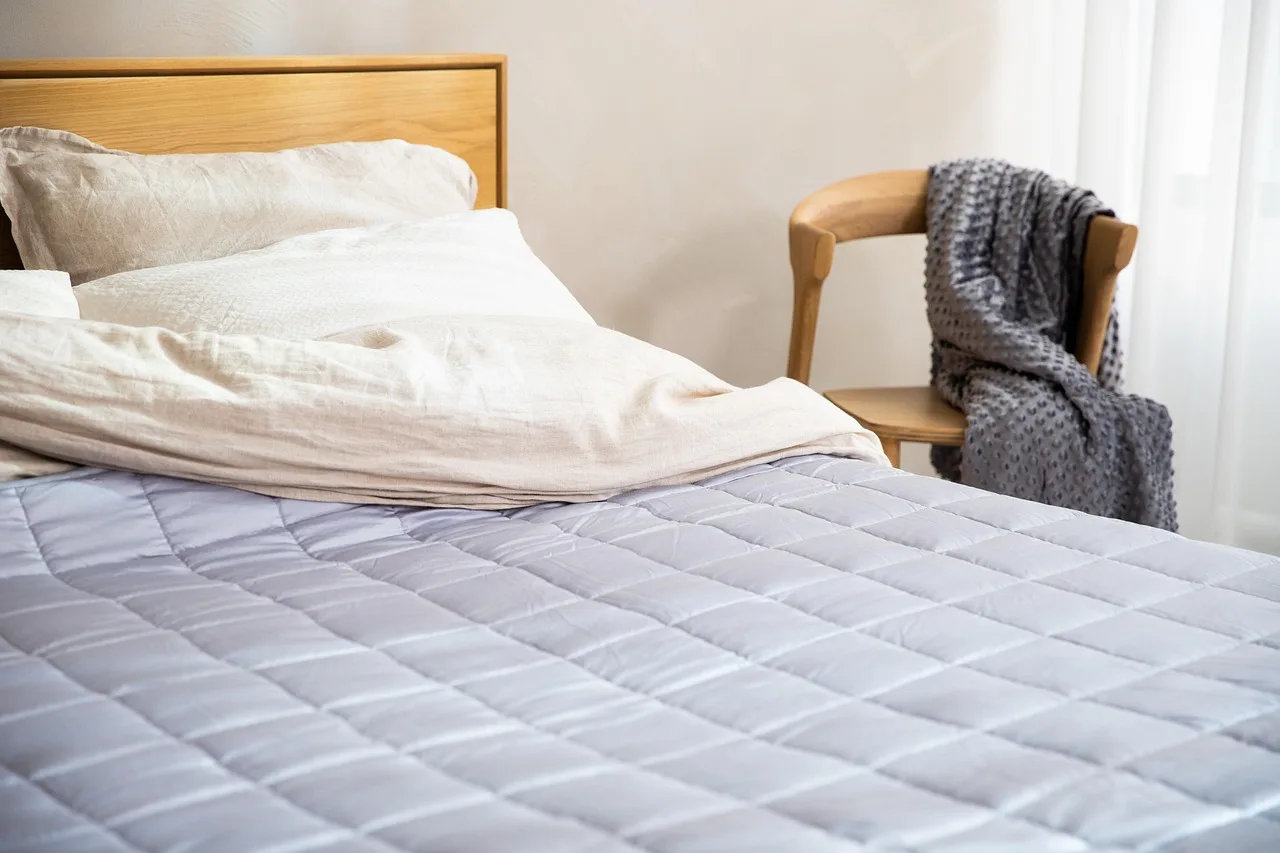
Frame type and mattress thickness decide whether either option feels acceptable after repeated use. A thin mattress on a weak frame fails quickly, and a clever-looking couch will not fix that.
Futon frame types and slatted support
A futon frame can be a folding mechanism or a convertible frame, and support varies a lot. Slatted frames can feel better than a flat, flexy base, but the big limitation is still the same: the sleeping surface is also the seating surface.
Pull-out sleeper mechanisms
With a sleeper sofa, the built-in mechanism matters as much as the mattress. If the pull-out feels wobbly or hard to open, nightly use becomes a chore, and people stop using it the way they planned.
Mattress thickness and why thin models fail
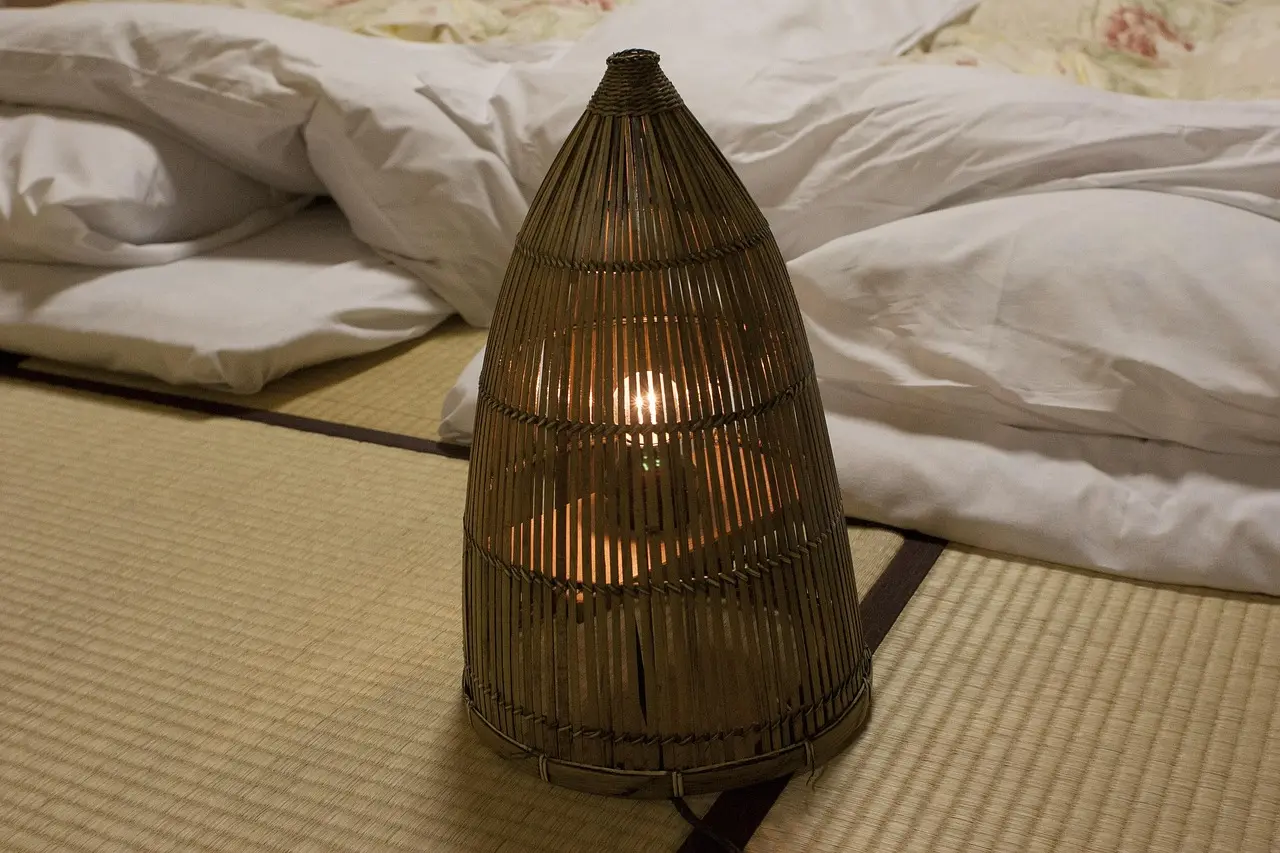
Thin mattresses are a common comfort limiter. Wikipedia describes a traditional Japanese style of bedding, and says a shikibuton is usually 2–3 inches thick; that kind of thinness can suit some sleepers, but for everyday couch-bed use it often means more pressure points and less cushioning. (en.wikipedia.org)
Sleeper sofas can improve a lot when the hidden mattress is thicker and less basic. A futon with a very thin sleeping surface may feel acceptable for occasional use, then turn into a sore point after repeated nights.
Nightly-use decision matrix: score each option before you buy
Use this matrix as a practical filter, not a style opinion. The scores below reflect nightly-use behavior: how each option tends to perform after repeated sleep, repeated setup, and repeated bedding changes.
| Criteria | Futon | Sleeper Sofa for Everyday Use | Winner |
|---|---|---|---|
| Comfort | 2/5 | 4/5 | Sleeper Sofa for Everyday Use |
| Clearance needed | 4/5 | 2/5 | Futon |
| Bedding friction | 3/5 | 2/5 | Futon |
| Support for side sleepers | 2/5 | 4/5 | Sleeper Sofa for Everyday Use |
| Durability | 2/5 | 3/5 | Sleeper Sofa for Everyday Use |
| Guest-readiness | 3/5 | 4/5 | Sleeper Sofa for Everyday Use |
| Small-room fit | 5/5 | 3/5 | Futon |
| Total first-year cost with topper and sheets | 4/5 | 3/5 | Futon |
A futon wins on space and entry cost. A sleeper sofa wins where nightly comfort, side-sleep support, and a more bed-like feel matter more than footprint.
Choose futon if… / Choose sleeper sofa if…
Choose a futon if you want the simplest small-space setup, need the lowest starting price, and can live with a firmer, thinner sleep surface. It is often the stronger choice for a studio, a tight room, or occasional nightly use where floor space matters more than plushness.
Choose a sleeper sofa if you need stronger nightly sleep performance, especially for side sleeping, couples, or people who want a more normal bed feel. It is often the better pick when the room can handle pull-out clearance and when the mattress is thick enough to avoid common couch-bed complaints.
Frequently asked questions
is sofa bed good for everyday use
A sofa bed can be good for everyday use if the mattress is thick enough, the pull-out mechanism feels stable, and the room has space for regular setup. Thin, budget models usually become uncomfortable fast, especially for side sleepers or anyone sensitive to hinge feel and pressure points.
are sofa beds suitable for everyday use
Yes, but only the better ones. A sofa bed is suitable for everyday use when the hidden mattress is upgraded and the frame opens without a fight each night. If the mechanism is awkward or the mattress is too thin, daily use gets old very quickly.
futon sofa bed for everyday use
A futon sofa bed can work for everyday use in a small room when the sleeper wants a compact, simple setup and does not need plush cushioning. The main risk is thin support, since the same surface must work for sitting and sleeping, which often shortens comfort over time.
sleeper sofa for everyday use
A sleeper sofa is usually the better everyday-use choice if the mattress is a real upgrade and the pull-out action is manageable. It tends to feel more like a true bed, but only if the room can handle the needed clearance and the bedding is easy to change nightly.
Which is more comfortable for everyday use: a futon or sleeper sofa?
For most people, a sleeper sofa is more comfortable for everyday use. The hidden mattress can offer better thickness and support, while a futon often feels firmer and thinner because it uses the same surface for both sitting and sleeping. Side sleepers usually notice the difference first.
Which option is better for small apartments and nightly sleep?
For a very small apartment, a futon is often better because it takes less room and avoids pull-out clearance problems. If the apartment has enough open floor space, a sleeper sofa is the stronger nightly sleep choice because it usually gives better support and a more bed-like feel.
What mattress type makes a sleeper sofa better for nightly use?
A sleeper sofa can be much better for nightly use when it has a thicker, more supportive mattress rather than a basic thin one. A mattress that lies flatter, resists bottoming out, and feels even across the surface is far more suitable for repeated sleep than a flimsy pull-out bed mattress.
What should I avoid if I plan to sleep on it every night?
Avoid very thin mattresses, shaky frames, and anything that is hard to open or close daily. Also avoid buying without checking clearance, because a pull-out bed that scrapes a table or wall gets annoying fast. For nightly use, the setup must be easy enough to repeat without friction.
Note on shopping examples: Walmart lists many futons for living room and bedroom use, including the Mainstays 73 in Storage Futon, which is described as a convertible futon and is priced at $198.00. That kind of entry-level futon can fit a tight budget, but the lower price usually comes with thinner sleep support than a better sleeper sofa.
Products related to this article
Sponsored / affiliate links. As an Amazon Associate I earn from qualifying purchases. I may earn additional commission from eligible campaigns.