Futon Bed vs Daybed Mattress: Which Fits Your Space?
For most shoppers, a daybed mattress is the better pick for regular guest sleep because it gives steadier support and usually lasts longer. A futon mattress wins when folding flexibility and lighter daily movement matter more. Pick the wrong one, and sagging, weak airflow, or a bed that feels fine for a week and miserable after a month follow fast. This guide compares support, airflow, and daily-use durability so you can pick for apartments, guest rooms, and multipurpose spaces.
| Decision factor | Futon Bed | Daybed Mattress | Winner |
|---|---|---|---|
| Base and construction | Often a foldable mattress; traditional futons are stored away during the day | Bed-like mattress made for a daybed frame and regular sleeping | Daybed Mattress |
| Airflow and moisture control | Needs regular airing; performs best with a slatted frame or tatami | Usually easier to keep dry because it behaves more like a standard mattress | Daybed Mattress |
| Daily-use durability | Good when the mattress is maintained, but fillings can compress with heavy nightly use | Built for seated use and sleep, so it usually tolerates routine use better | Daybed Mattress |
| Small-space flexibility | Strong if the bed must be folded, moved, or stored often | Strong if the room doubles as a lounge and sleep space without frequent folding | Futon Bed |
| Best fit for guest use | Works well for occasional sleep if airing is manageable | Better when guests sleep often or expect a more familiar bed feel | Daybed Mattress |
Futon bed vs daybed mattress: the core trade-off



A futon mattress is built for folding, storage, and air movement. A daybed mattress is built for steadier, more bed-like sleep. That difference matters more than style. If the room changes roles every day, futons make sense. If the bed stays set up and people sleep on it often, a daybed mattress is usually the safer buy.
What each one is built to do
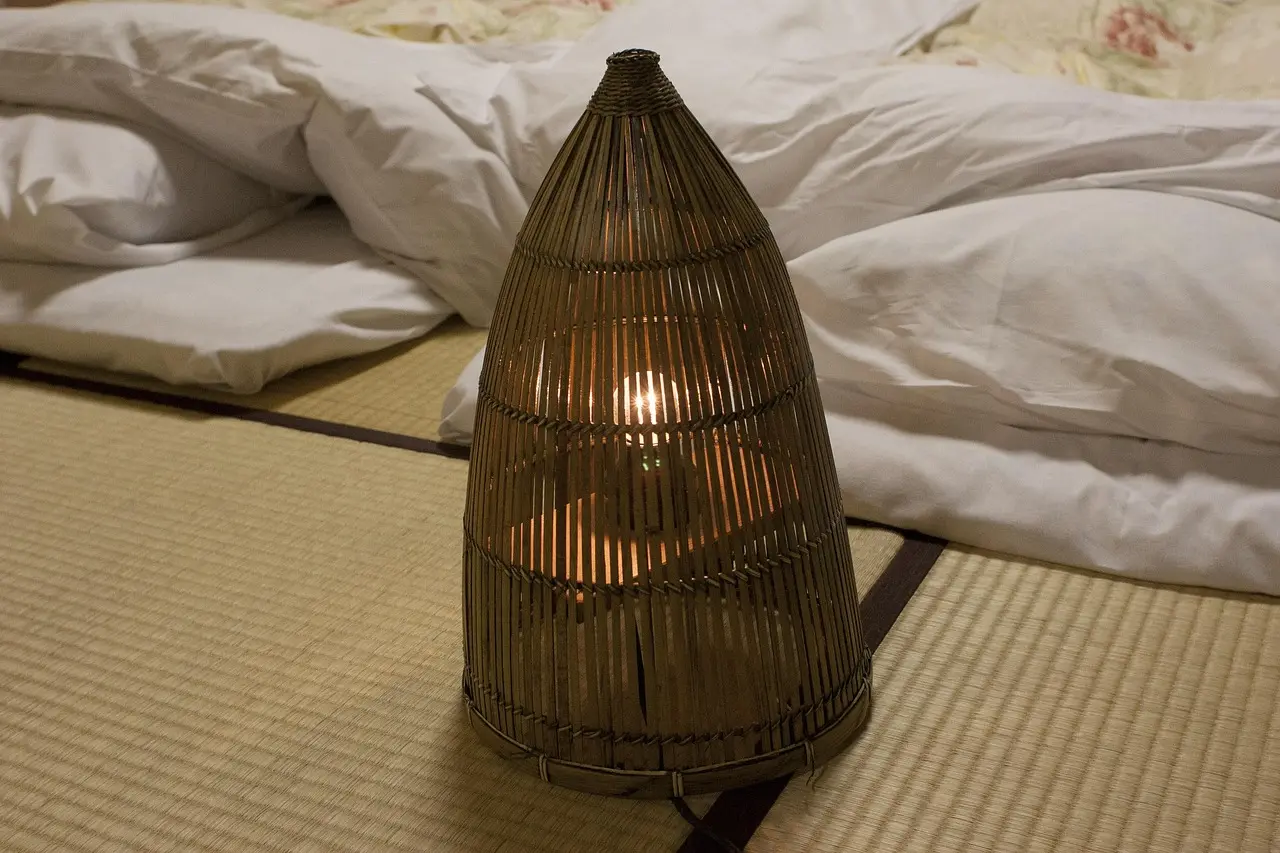
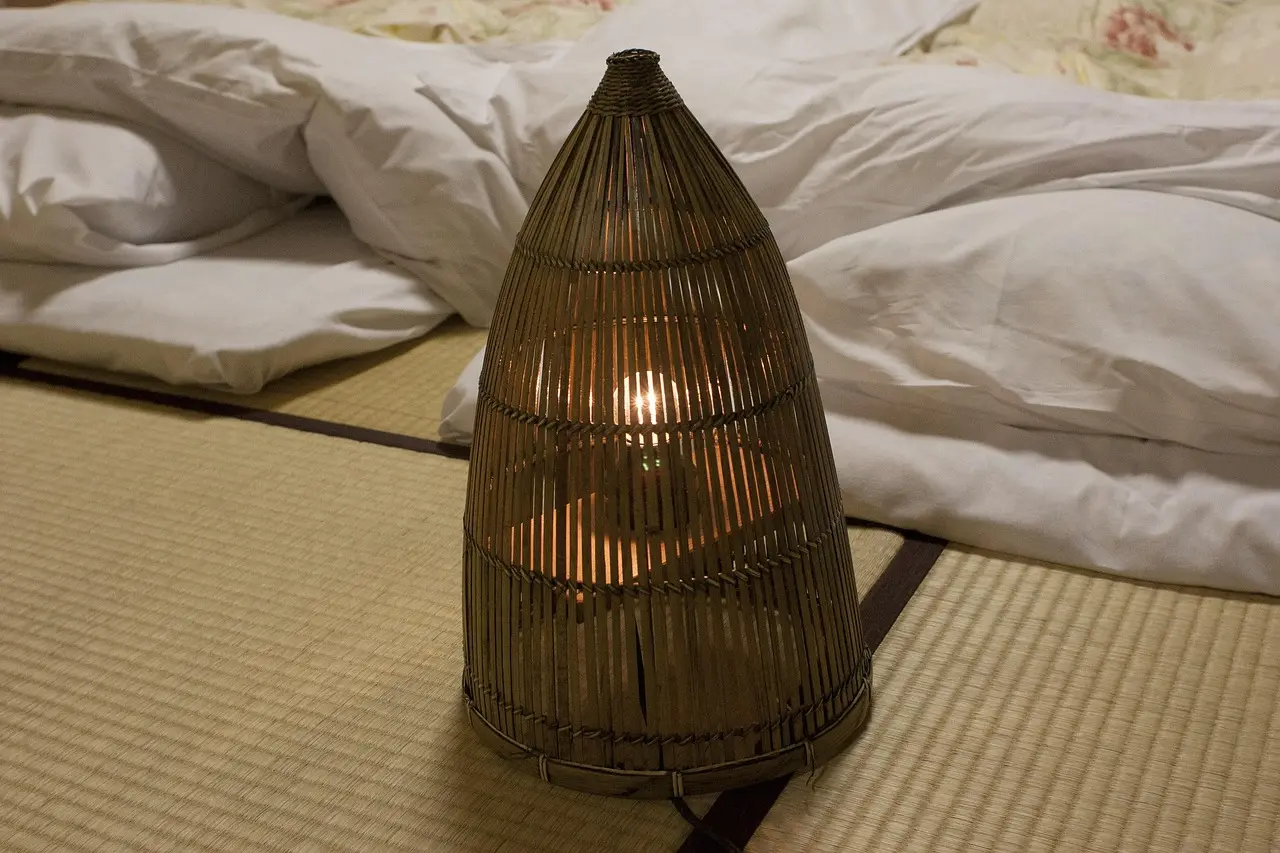
A complete futon set consists of a mattress and a duvet. Traditional futons are folded and stored away during the day, and Japanese futons are used on tatami flooring. A daybed mattress is a mattress used on a daybed frame, often sized like a twin or standard mattress, and it is meant to work for seating and sleeping without constant packing up.
That difference changes what happens below the surface. Futons depend more on the base and on regular airing. Daybed mattresses depend more on familiar mattress structure and ask less from upkeep.
Construction and support are not the same thing
Traditional shikibuton is usually 2–3 inches thick, and shikibutons rarely reach 6 inches thick. That low profile helps with folding and storage, but it limits pressure relief for many sleepers. A daybed mattress is closer to a standard mattress in feel, so it usually gives better support for someone who lies down for hours, not minutes.
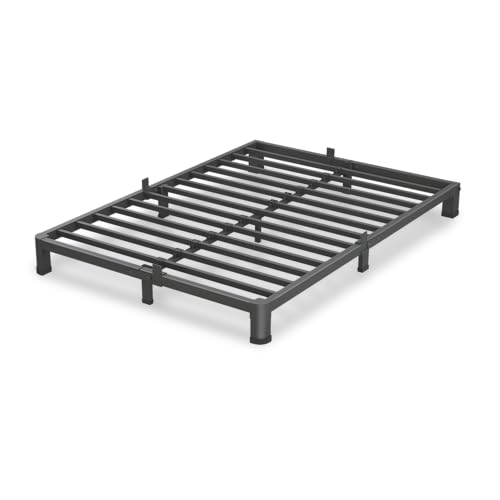
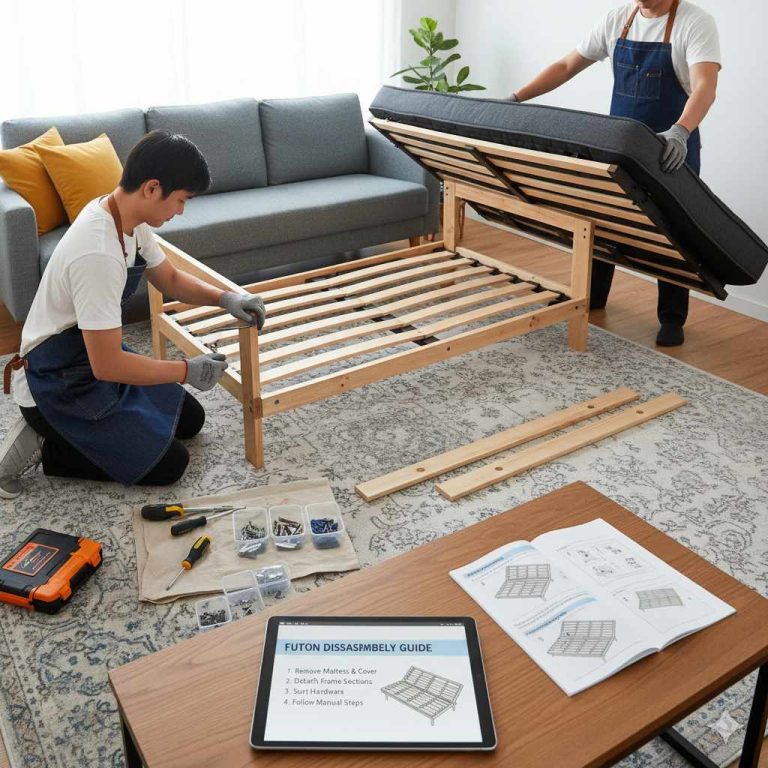
Western-style futons often use a slatted frame, which improves airflow under the mattress. That setup can make a futon more livable for regular use, but it still needs more attention than most daybed setups.
According to Shop Futons for Living Room and Bedroom – Walmart.com — Walmart lists a Mainstays 73 in Storage Futon. (source)
Which one sleeps better every night?
A daybed mattress is often a better choice for nightly sleep because it can offer steadier support and a more familiar mattress feel. A futon can work for nightly use, but only when thickness, base support, and maintenance all line up. Side sleepers feel the limits first, while back sleepers often adapt more easily.
Side sleepers need more pressure relief
Side sleepers usually press the shoulder and hip into the bed. A very thin futon, especially a 2–3 inch shikibuton, can feel too firm on those points over time. A daybed mattress is the better choice here because it usually has more structure and gives those joints a better landing zone.
Back and mixed sleepers have more room to choose
Back sleepers can do well on a firmer futon if the base is supportive and the fillings hold shape. Mixed sleepers sit in the middle. They may accept a futon for nightly use if they like a firmer feel, but if they change positions a lot, the steadier support of a daybed mattress is easier to live with.
Thickness changes comfort fast
Thickness is not a side detail. A traditional futon can feel supportive on tatami or a slatted frame, but once it gets too thin for the sleeper’s weight and position, it starts to feel like sleeping on the floor with padding. A thicker futon may feel softer, yet once it moves too far from the traditional profile, it loses some of the portability people wanted in the first place.

How do airflow and moisture change the choice?
Airflow is the biggest technical difference between these two. Futons must be aired regularly to prevent mold and to keep mites under control. Daybed mattresses are still affected by humidity, but they are usually less vulnerable because they are not normally stored, folded, or laid directly on a moisture-trapping base.
Why futons need regular airing
Futons must be aired regularly to prevent mold, and they should also be kept free of mites. Cotton batting can hold warmth and moisture well, wool adds warmth with better moisture handling, and synthetics often dry faster but vary in breathability. If a futon stays compressed, moisture lingers inside the layers and problems start there.
Slatted frame, tatami, or solid base
A slatted frame helps Western-style futons because it lets air move under the mattress. Tatami also helps by absorbing and re-releasing moisture, which is why Japanese futons are used on tatami flooring. A solid base is the worst choice for a futon if you do not want trapped moisture and a higher mold risk.
Climate changes the maintenance burden
Humid rooms make futons harder to own. In a dry climate, a futon can stay manageable if it is aired on schedule. In a damp apartment, especially one with limited sun or weak ventilation, a daybed mattress is often the better pick because it asks less from the room and from the owner.
What size and thickness should you buy?

Pick the size by frame first, then judge thickness by how the bed will be used. Futon frames and daybed frames do not behave the same way, so size checks matter more than usual. A mattress that fits on paper can still feel wrong if the frame support or intended use does not match.
Futon frame fit and thickness
Traditional futons are tied to their base and storage plan. If the mattress is a shikibuton, 2–3 inches is the normal starting point, and that works best when the sleeper accepts a firmer feel and the frame or floor system supports airflow. Once a futon gets much thicker, it stops feeling like a traditional futon and starts acting more like a thin mattress.
Daybed frame fit
A daybed mattress is usually sized like a twin or standard mattress, which makes frame matching more straightforward. Since it is meant for seating plus sleeping, it should keep its shape under repeated sit-and-lie use. Check the exact frame dimensions before buying, because daybed arms and rails can reduce the usable opening.
When 2–3 inches is enough, and when it is not
A 2–3 inch futon is enough for someone who likes a firm surface, weighs less, or uses the bed occasionally. It can be too thin for a side sleeper, for nightly use, or for any setup where the mattress sits on a base that does not breathe well. A thicker futon may soften the feel, but it needs more drying time and more careful turning.
Daybed mattress or futon: which holds up better in daily use?
A daybed mattress often holds up well for daily use because it is made for repeated sitting and sleeping without constant folding or airing. A futon can last, but only if the owner accepts more handling, more rotation, and more attention to moisture. The wrong habits shorten both, but futons punish neglect faster.
What daily seating does to a daybed mattress
Daybeds get compressed where people sit most often. That wear is predictable, which makes it easier to manage with rotation and a decent frame. For guest rooms and multipurpose rooms, that predictability is an advantage.
What compression does to futon fillings
Cotton batting packs down over time. Wool resists some moisture better, and synthetics can dry faster, but none of them escape compression forever. If a futon is used nightly and never aired, the filling can flatten unevenly and the surface starts to feel tired even when it still looks clean.
What flipping can and cannot fix
Rotating and flipping help spread wear, but they do not fix a bad base or poor airflow. A futon left on a solid platform can still trap moisture no matter how often it is turned. A daybed mattress on the wrong frame can also fail early, but it is usually less sensitive to routine storage mistakes.
Decision table: choose by sleeper, room, climate, and use pattern
This table turns the abstract comparison into a buying decision. If the room is dry, the sleeper is comfortable with firm support, and the mattress will be moved often, the futon bed can make sense. If the room is humid, the sleeper wants familiar support, or the bed will be used nightly, the daybed mattress usually wins.
| Sleeper type | Room type | Climate | Use pattern | Better choice |
|---|---|---|---|---|
| Side sleeper | Guest room | Humid | Occasional | Daybed Mattress |
| Back sleeper | Studio apartment | Dry | Nightly | Futon Bed |
| Mixed sleeper | Multipurpose office | Moderate humidity | Occasional | Futon Bed |
| Guest who sleeps lightly | Dedicated guest room | Humid | Nightly during visits | Daybed Mattress |
| Heavy nightly user | Small apartment | Any | Nightly | Daybed Mattress |
Choose Futon Bed if… / Choose Daybed Mattress if…
Choose Futon Bed if you need folding storage, plan to move or stow the mattress often, want a low sleeping profile, and are willing to air it on schedule. It fits better when the room changes function daily and the sleeper prefers a firmer surface.
Choose Daybed Mattress if you want easier upkeep, steadier support for nightly or frequent guest use, and less risk from humidity or skipped maintenance. It is the better pick for side sleepers, humid rooms, and anyone who wants a more familiar bed feel.
How do you keep a futon mattress from getting moldy?
Air it often, keep the base breathable, and do not trap it against a damp floor or wall. Futons should be aired regularly to prevent mold, and that matters most in humid rooms or when the mattress is used nightly. If it smells musty, feels damp underneath, or shows dark spots, act immediately.
Maintenance checklist
- Airing: do this every few days in humid weather, and after any night of heavy sweating.
- Base check: use a slatted frame or tatami when possible; avoid a solid base for long-term futon use.
- Rotation: turn and flip the futon regularly so one section does not stay compressed.
- Dry room habit: keep airflow moving in the room and avoid wall storage while the mattress is still warm or damp.
- Warning signs: musty smell, cool damp feel, visible spotting, or a surface that stays flattened in one area.
Can you sleep on a futon mattress every night?
Yes, but only if the futon matches the sleeper and the room. A futon can work for nightly sleep when the base breathes, the thickness suits the body, and the owner airs it often. For side sleepers, humid rooms, or low-maintenance households, a daybed mattress is usually the better daily choice.
What size mattress fits a futon frame or daybed frame?
The frame decides this more than the label does. Futon frames are built around futon sizing and folding behavior, while daybed frames often take a twin or standard mattress format. Always measure the inner frame area, rail height, and any arms or slats before buying.
How thick should a futon mattress be for daily sleeping?
For daily sleeping, thickness has to balance comfort and airflow. A shikibuton is usually 2–3 inches thick, which is workable for firm sleepers and traditional setups, but it is often too thin for side sleepers. If a futon gets much thicker, it may be more comfortable, but it also needs more care and drying time. (en.wikipedia.org)
Do futon mattresses need a slatted frame?
They do not absolutely need one, but a slatted frame helps a great deal. Western-style futons often use a slatted frame because it improves airflow under the mattress and reduces how often the mattress must be moved for airing. A solid base increases moisture risk and shortens the comfort window.
What materials are common in futon mattresses?
Cotton batting, wool, and synthetics are the common choices. Cotton feels traditional and firm but holds moisture more readily. Wool brings better moisture handling and warmth. Synthetics can dry faster and may be easier to maintain, but the feel varies a lot, so material choice should match climate and upkeep tolerance.
Are futons better than daybed mattresses for small apartments?
Sometimes, yes. Futons are better when the main need is folding, storing, or moving the bed often. Daybed mattresses are better when the room stays set up as a bed-lounge hybrid and the sleeper wants less maintenance. In a small apartment, the deciding factor is usually how often the bed must disappear.
Products related to this article
Sponsored / affiliate links. As an Amazon Associate I earn from qualifying purchases. I may earn additional commission from eligible campaigns.