Best Daybed Mattresses for Daily Use (2026): we compared
A practical daybed mattress for daily use is often around 6 to 8 inches thick, with medium-firm support, decent edge support, and a washable cover; in many cases, an 8-inch option is a safe daily-use pick. Go thinner or softer, and you’ll get sagging, weak sitting support, and broken sleep fast. I look for a mattress that can hold shape at the edge, sit low enough for a sofa feel, and still sleep like a real bed. This guide shows the specs that matter most for a daybed that must work as both sofa and bed.
This guide is part of our Futon mattress guide: sizes, setup, and care series.
Quick comparison
| Product | Badge | Best for | Price | ||
|---|---|---|---|---|---|
 |
Gelsea 6 Inch Twin Size Mattress, Firm Gel Memory Foam TwinGelsea | Budget pick | 6 Inch Firm Gel Memory Foam | $95.27
Price as of 30 Sep 2026
|
View |
 |
Vorpxin Mattress Twin Size 8 Inch, Twin Hybrid MattressVorpxin | Our pick | 8 Inch Hybrid with Pocketed Coils | $95.99
Price as of 30 Sep 2026
|
View |
 |
Novilla Bliss Twin Mattress, 10 Inch Gel Memory Foam TwinNovilla | Also great | 10 Inch Triple-Layer Gel Foam | $145.33
Price as of 30 Sep 2026
|
View |
A daybed used every day has to do two jobs well: support sitting during the day and support sleep at night. The best choice depends on frame depth, slat support, and how often the daybed replaces a sofa. I judge those three points first, because they decide whether the mattress feels steady or flimsy.
According to The Best Daybeds for Sun-Kissed Lounging — Architectural Digest lists the Jaxx Alon Fold-Out Sleeper Daybed at $617.
How we chose
We compared options by daily sitting and sleep support, frame and trundle compatibility, thickness and edge support, and the full ownership cycle. That last part matters more than most pages admit: protector, bedding, possible topper, and how soon a soft mattress gets replaced all change the real cost. I have seen a cheap mattress cost more within a year because it lost its edge and had to be replaced early.
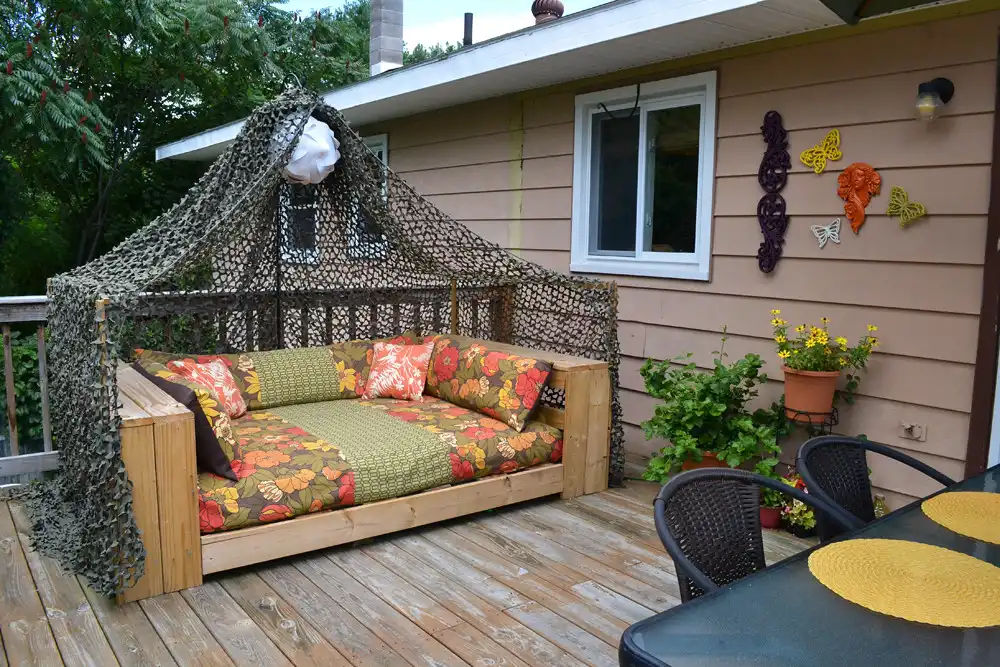
Best overall daybed mattress: medium-firm twin foam

This is a practical all-around pick for a daybed that gets used every day. The Gelsea 6 Inch Twin Size Mattress is the kind of profile that fits many daybeds without turning the seat into a barstool, and its firm feel makes sense when the same surface has to work for both sitting and sleeping.
It suits a guest room that doubles as a reading spot, a small apartment living area, or a home office where the daybed sees real daily use. The main drawback is clear: 6 inches can feel low for some sleepers, and on a wider or deeper frame it may look and feel spare rather than sofa-like. I would choose it when the frame already gives the room enough visual presence.
Why it fits daily seating and sleep
Medium-firm foam resists the slow sink that ruins a daybed’s shape by midday. It also helps the seat rebound after repeated compression, which matters more here than on a bed used only at night.
Where it fails if the frame is too soft
If the frame flexes or the slats are widely spaced, even a firm mattress can feel unstable. The mattress may dip between slats, feel uneven at the edge, and wear out faster at the center line.
Best for
Best for buyers who want one mattress that can stay on the daybed year-round and handle both sitting and sleep without feeling oversized.
Best for a reading or lounge seat: low-profile supportive foam
A hybrid twin mattress can be a strong fit when the daybed acts more like a sofa than a guest bed. The 8-inch profile is tall enough for sleep comfort, but still low enough to keep seat height reasonable for reading, chatting, and putting feet up.
The pocketed coil core helps the surface spring back after people sit on the edge, which is where many daybeds start to sag first. The drawback is weight and movement: hybrids usually ask more of the frame, and the coil feel may be too lively for someone who wants a very flat, quiet seat. In my hands, that tradeoff matters most in rooms where people sit down and stand up all day.
Why lower height matters for seating
Every inch changes how the seat meets the armrest line and how easy it is to sit down and stand up. On a daybed, a mattress that runs too tall can make the furniture feel cramped and awkward, especially in a home office or living room.
Edge support and armrest alignment
Edge support matters because people sit on the perimeter of a daybed far more often than they do on a standard bed. A firmer border keeps the mattress from folding over the frame and helps the daybed keep a clean line against its side rails.
Best for
Best for buyers who want better pressure relief than plain foam and expect the daybed to function as a daily lounge seat first, sleep surface second.
Best for nightly sleep: latex or hybrid twin mattress

The Novilla Bliss Twin Mattress is the strongest fit of the three when sleep quality matters more than a low sofa profile. A thicker build with reinforced edge support makes more sense for nightly use, especially if the daybed is acting like a primary bed in a studio or small bedroom.
The tradeoff is height. A taller mattress can be too much for some daybed frames, and on a tighter seat it can push the sitting position higher than feels natural. If the frame has a lower height limit or a trundle, this one may not fit the job.
Why it holds up better under repeat use
Daily sleep presses the same zones night after night. A thicker foam build with firm border support tends to recover better than very soft, thin foam, so the bed keeps its shape longer under repeat compression.
When a thicker build is worth it
It is worth it when the daybed is the main sleep surface and the room can handle a taller mattress without making the seat awkward. In a guest room that also gets regular use, that extra build can pay off in less sagging over time.
Best for
Best for a daybed that must feel like a real bed at night and can accept a taller mattress without interfering with the room’s seating geometry.
what size mattress is best for a daybed
A twin mattress is the standard choice for most daybeds, and the common fit is 75 x 39 inches for standard twin daybeds. That size works because it gives a true bed surface without pushing the mattress beyond the frame’s side rails or making the seat too wide for daily use.
Some daybeds look like they could take more, but a regular larger mattress often creates fit problems. It may overhang the frame, hide the arm detail, or make the daybed read like a bed instead of furniture.
Twin is the standard, but frame fit still wins
Measure the inside width, inside length, and any side rail lip before buying. A twin daybed mattress is the common target, but the actual frame should decide the final call.
can you use a regular mattress on a daybed
Sometimes, but often not cleanly. A regular mattress can work only if it matches the daybed’s twin size, fits the frame depth, and stays within any trundle or arm clearance. If it is too tall, too wide, or too soft, the daybed stops acting like a sofa.
Regular mattresses also bring a hidden problem: many are built for bed-only use, not repeated sitting on the edge. That means faster edge collapse, poor armrest alignment, and a clumsy seat height.
When it works
It works best on a sturdy, open daybed frame with close slats and enough visual depth to handle the mattress height.
When it fails
It fails when the mattress is oversized, too plush, or paired with a weak base that lets the center dip under daily sitting.
are day beds suitable for everyday use
Yes, if the mattress and frame are chosen for it. A daybed can handle everyday seating and nightly sleep in a guest room, studio apartment, or home office, but only if it has enough support, sensible thickness, and proper frame compatibility.
It is a poorer choice when the room needs deep sofa lounging with armrests and back cushions. Daybeds look more like beds than sofas, so the mattress choice has to do a lot of the visual work.
Daybed vs sleeper sofa
A sleeper sofa gives a furniture-first look. A daybed gives a bed-first feel with lighter seating duty. For daily use, the daybed wins when sleep matters more than a couch-style layout.
what mattress firmness is best for daily use on a daybed
Medium to medium-firm is the best firmness range for daily use on a daybed. That range gives enough resistance for sitting without letting the center sink too far, and it still supports sleeping positions better than a soft mattress that folds under body weight.
Too soft, and the seat loses shape fast. Too hard, and it becomes unpleasant for reading, lounging, or long sitting sessions.
What firmness does to seat feel
On a daybed, firmness changes more than sleep comfort. It affects how far the hips sink, whether the edge stays square, and how easy it is to get up after sitting for a while.
how thick should a daybed mattress be
Thickness should match the frame, the use case, and any trundle limit. For daily use, a medium-thickness mattress is often the safest choice for many daybeds, and thicker builds can work when the frame allows it and the mattress will mostly serve as a bed at night.
Competitor pages often mention 6-inch and 12-inch mattresses without explaining why the difference matters. The real issue is seat height: thicker mattresses raise the sitting surface, change armrest alignment, and can make the daybed look overstuffed.
How thickness changes seat height
Each added inch changes how high the sitter perches above the frame. On a low daybed, that can feel fine; on a taller frame, it can make the seating position too upright and the back angle awkward.
Visual balance matters too
A mattress that is too thick can swallow the frame lines and make the daybed lose its furniture shape. A low-profile mattress keeps the rails visible and usually feels cleaner in a small room.
what mattress works best on a slatted daybed frame
A slatted daybed frame needs a mattress with enough structure to bridge the gaps without sagging between them. Foam, latex, and hybrid builds can all work, but the mattress needs firmer construction when the slats are far apart or uneven.
Slat spacing matters because it changes support at the base, not just on top. If the slats are too spread out, the mattress can dip between them, wear faster, and feel soft in spots long before it should.
What to check before buying
- Measure slat spacing across the whole frame.
- Look for a mattress with firmer core support if gaps are wide.
- Confirm the frame is even from end to end.
- Check whether the mattress needs a foundation board or extra support strips.
how do you stop a daybed mattress from sagging with daily sitting
Use a firmer mattress, a stable frame, and the right thickness for the seat height. Sagging usually starts at the edge, so a model with strong border support and good shape recovery is the first line of defense. A protector does not stop sagging, but it helps the cover last longer.
If the mattress sits on slats, the base has to support daily compression too. A mattress that is fine for sleep can still fail as a daybed if the border collapses when people sit on it for hours.
Best fixes in order
- Choose medium-firm support instead of soft foam.
- Make sure the frame does not flex under load.
- Use a mattress with reinforced edges.
- Replace very wide slat spacing or add a support board.
- Keep the mattress within the daybed’s height limits.
Daybed mattress decision table
This table turns the specs into a purchase decision. The right thickness and firmness depend on whether the daybed is mostly a seat, mostly a bed, or both in equal measure.
| Use case | Recommended thickness | Recommended firmness | Recommended support type | Failure case if the spec is off |
|---|---|---|---|---|
| Reading / lounge seat | 6 to 8 inches | Medium-firm | High-density foam or hybrid with edge support | Too tall makes sitting high and awkward; too soft collapses the edge during daily lounging |
| Nightly sleep | 8 to 12 inches if the frame allows | Medium-firm to firm | Latex or hybrid with shape recovery | Too thin feels bottomed out; too soft loses alignment and wears faster under repeat sleep |
| Guest-only | 6 to 10 inches | Medium | Foam or hybrid | Overbuying here wastes money; underbuying makes the occasional guest sleep poorly |
| Home office use | 6 to 8 inches | Medium-firm | High-density foam with strong edges | Too plush looks tired fast and makes sitting feel unstable during long work sessions |
Which one should you buy
Pick by room type first. If the daybed lives in a home office or living room, the 6-inch Gelsea makes the cleanest daily seat. If the room needs a stronger lounge-and-sleep balance, the 8-inch Vorpxin is the better middle ground. If the daybed is close to a primary bed, the Novilla is the more sleep-forward choice.
Pick by thickness limit next. If your frame or trundle tops out near 6 inches, ignore taller models even if they look better on paper. Well Worth Living notes that many daybeds have a bottom mattress limit of 6 inches, and that limit matters more than brand gloss.
Pick by sitting time versus sleep time. More sitting calls for lower height and firmer edges. More sleep calls for a thicker build with better shape recovery. If the mattress will see both in equal measure, medium-firm twin foam remains the safest default.
Pick by budget and replacement horizon as well. A cheaper mattress can make sense for guest-only use, but daily-use daybeds wear faster, especially if the frame has weak slats. A protector, sheets, and possibly a topper should be part of the budget, along with the likely replacement cycle.
Frequently asked questions
is a twin mattress the standard size for a daybed
Yes. Twin is the most common daybed size, and the standard fit is 75 x 39 inches for standard twin daybeds. That is the size most buyers should start with before checking frame depth and any trundle limits.
Products related to this article
Sponsored / affiliate links. As an Amazon Associate I earn from qualifying purchases. I may earn additional commission from eligible campaigns.