Futon Bed Height Chart: Find the Right Fit for Your Space
For a futon bed, start with a frame height of 12–15 cm, then add the mattress thickness to estimate the finished sleeping height. That finished height matters more than the frame alone. If the bed sits too low, getting on and off can feel awkward, and storage bins may not fit underneath. If it sits too high, it can crowd the room.
What futon bed height means
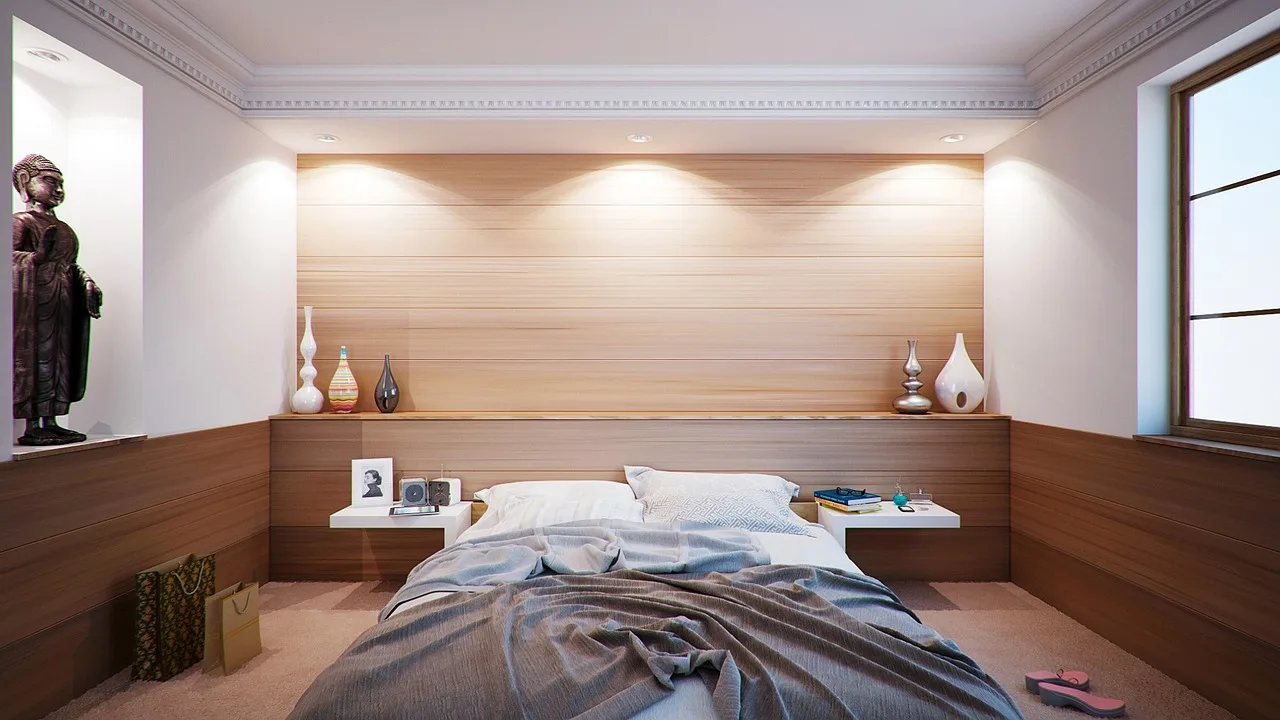

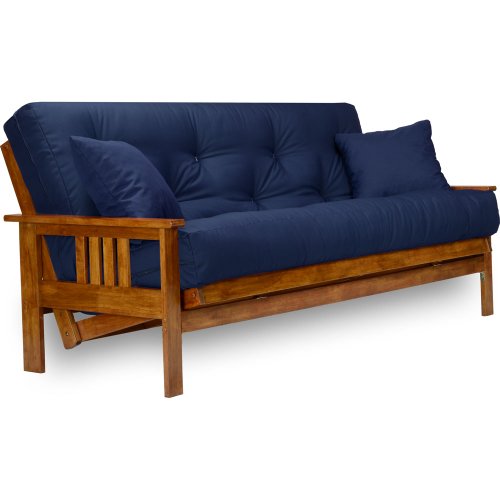
Futon bed height is not one number. The frame height, the support layer, and the mattress thickness stack together to create the finished sleeping height. That is the figure you need for sitting comfort, room clearance, and bed access. A futon bed also puts a low, steady build ahead of extra height, so a lower profile is often deliberate.
Frame height versus total sleeping height
Frame height is the distance from the floor to the support surface. Total sleeping height is the floor-to-top-of-mattress measurement after the mattress is in place. Those can differ by a lot. A low frame with a thick mattress can end up higher than a taller frame with a thin mattress.
How mattress thickness changes the finished height
Futon mattresses are usually 12 to 15 cm high, but thinner and thicker versions exist. A 12 cm mattress on a 12 cm support base gives a very different finished height than a 15 cm mattress on the same base. That is why mattress thickness should be matched to the frame, not chosen in isolation.
Why this differs from a sofa seat height
A futon in sofa mode often feels lower than a standard armchair, and that is normal. The sitting height on a futon is shaped by the frame, the cushion pack, and the reclining angle. Do not use sofa-seat expectations as your bed-height target. Measure the sleeping height instead.
Futon height matrix
The chart below translates mattress thickness, support height, and room use into a single decision tool. Use it to compare twin, full, and queen futon setups before you buy or reconfigure a frame.
| Setup | Mattress thickness | Frame or slat height | Total sleeping height | Recommended use case | Common fit problems |
|---|---|---|---|---|---|
| Twin futon | 12 cm | 12–15 cm frame, plus 1–2 cm roller grate or about 3 cm slatted ledges | 24–30 cm | Guest room, child or teen room, low-clearance spaces | Can feel too low for taller sleepers; storage bins may not fit underneath |
| Twin futon | 15 cm | 12–15 cm frame, plus 1–2 cm roller grate or about 3 cm slatted ledges | 27–33 cm | More cushioning without giving up the low futon profile | May sit too high on a shallow frame if the room has low shelves or windowsills |
| Full futon | 12 cm | 12–15 cm frame, plus 1–2 cm roller grate or about 3 cm slatted ledges | 24–30 cm | Single sleeper with extra width, small spare room | Walking clearance tightens faster than with a twin; low height can reduce under-bed storage |
| Full futon | 15 cm | 12–15 cm frame, plus 1–2 cm roller grate or about 3 cm slatted ledges | 27–33 cm | Balanced match for most guest rooms and multipurpose rooms | May feel bulky if the room already has a low ceiling or wide circulation path |
| Queen futon | 12 cm | 12–15 cm frame, plus 1–2 cm roller grate or about 3 cm slatted ledges | 24–30 cm | Couples who want a lower bed and a lighter visual profile | Large footprint can dominate the room even when the bed height stays low |
| Queen futon | 15 cm | 12–15 cm frame, plus 1–2 cm roller grate or about 3 cm slatted ledges | 27–33 cm | Couples who want more cushion depth | Clearance to walls, nightstands, and walking paths becomes the main limitation |
For this matrix, the support height matters because a roller grate adds only 1–2 cm, while slatted ledges are about 3 cm thick. That small difference still changes the finished height and can decide whether the mattress sits comfortably or rides too high for the room.
Low-clearance room notes
Low-clearance rooms work best with futon builds that stay compact from floor to mattress top. If the bed needs to sit under a window, shelf, or sloped ceiling, stay closer to the lower end of the height range and avoid thick mattress stacks that push the top edge into the room’s usable space.
- Measure the target zone. Check the floor-to-obstruction distance where the futon will sit. Compare that with the finished sleeping height, not just the frame height, so the bed does not block a sill, vent, or wall storage.
- Count every layer. Add the support height and mattress thickness together. A 15 cm mattress on a frame with about 3 cm slatted ledges ends up noticeably taller than a thinner mattress on a roller grate.
- Leave cleaning access. Keep enough room under the frame for vacuuming or sweeping if the legs create clearance. If the frame sits nearly flush to the floor, expect less dust clearance and less under-bed storage.
What height works best for a futon mattress?

A futon mattress works best on a low-profile support system that matches its thickness instead of forcing it onto a tall base. A frame in the 12–15 cm range is the clearest starting point, especially when paired with a futon mattress in the usual 12 to 15 cm range. Thicker mattresses need more caution.
Low-profile slatted frames
Low-profile slatted frames keep the mattress close to the floor and preserve the futon’s steady feel. They suit rooms where the bed must stay visually light and where sitting height is less important than firmness and calm movement. A shallow support base also reduces the risk of the bed becoming too tall once the mattress is added.
Roller grate support
A roller grate adds only 1–2 cm, so it is one of the lowest support options for a futon. That small contribution helps preserve a low sleeping height and often works well when you want the mattress to remain close to the frame without adding much bulk.
When thicker mattresses push the height too high
A thicker mattress can solve comfort issues but create fit problems in compact rooms. If the mattress is already near the upper end of the usual 12 to 15 cm range, placing it on a taller support can make the bed feel high for a futon and reduce the low-slung look many shoppers want.
Say your room has a low window ledge and you are choosing between a 12 cm and a 15 cm mattress. The 15 cm version adds about 3 cm to the finished height, which may be enough to crowd the ledge or make the bed look oversized in the room.
How high should a futon bed be off the floor?
A futon bed should sit low enough to feel steady and easy to convert, but high enough that you can use the room comfortably. For many futon setups, the useful question is not “How tall is the bed?” but “Does the finished height match the room, the mattress, and your movement needs?”
Stability and movement
Low height matters because a futon bed is built to prioritize steady support over extra height. A lower center of gravity usually helps the frame feel firmer when you sit, fold, or shift positions. That is one reason futon beds are usually a rather flat solid wood bed or a compact metal frame.
Cleaning access and storage space
Higher legs can create under-bed storage, but they also change the look and feel of the futon. Lower builds reduce storage space and can be harder to clean under if the frame sits close to the floor. Decide which matters more before choosing leg height.
Mobility needs and taller sleepers
Taller sleepers or anyone with mobility concerns may prefer a slightly higher finished height than a very low floor build. The best choice is still the one that lets the sleeper sit down and stand up without strain while keeping the futon steady. A room that tolerates a higher profile can make that easier.
A common first-timer mistake is choosing a low frame for appearance, then adding a thick mattress that makes the bed sit higher than expected. The opposite mistake is choosing a very tall base that makes the futon feel less like a futon and more like a conventional bed.
Full and queen fit checks
Full and queen futons follow the same height logic as twin setups, but the larger footprint changes how the room feels. Full futons are easier to place in smaller multipurpose rooms, while queen futons usually need more walking space on the sides and at the foot. The mattress and frame must be matched with the room scale in mind.
Room scale and walking clearance
A full futon is a common size class for guest rooms and smaller sleeping spaces. A queen futon better suits couples, but the larger width demands more clearance around the bed. Even when the height stays modest, the room can feel cramped if the walking path is too tight.
Mattress and frame matching
For full and queen futons, the best match is the one that keeps the total sleeping height in the range you can live with every day. A low-profile slatted frame works well with thinner mattresses. A thicker mattress may suit comfort goals, but only if the room can absorb the extra height.
Common fit problems
The most common problems are a mattress that overhangs the frame, a bed that blocks a closet door, and a finished height that feels too low for sitting or too high for the room. Those issues usually show up before the bed is assembled if you compare the mattress thickness and frame height on paper first.
Twin futon bunk bed clearance
A twin futon bunk bed is a sleeping configuration that combines a futon below with a top bunk above. Clearance matters more here than with a floor-level futon, because the top bunk needs room for a sleeper, a guardrail, and safe ladder access. The lower futon also has to leave usable headroom.
Top bunk guardrail and ladder space
The top bunk should have enough room for a guardrail and a ladder without forcing awkward movement. Check the manufacturer’s listing for the exact model, because bunk dimensions vary by design. The important point is that the bunk’s usable height is not the same as the room’s ceiling height.
Lower futon dimensions
The lower futon usually follows the same height logic as other futons, but the bunk structure can limit how high it can sit. If the lower sleeping surface rises too much, the person on the lower level may lose headroom and the whole setup can feel compressed.
Ceiling and room clearance
Room height has to account for both sleeping levels together. A bunk futon that seems compact at floor level can still feel crowded once the top bunk mattress, the guardrail, and the ladder are in place. Measure the full vertical stack before buying, not after assembly.
Solid wood and metal frames
Solid wood and metal futon frames solve different room problems. Solid wood is often chosen for a steady, low look. Metal frames are often chosen for folding or convertible function and a lighter visual footprint. The right option depends on how often you switch modes and how much visual mass you want in the room.
Beech, oak, walnut, birch, alder, and ash frames
Solid woods named for futon beds include beech, oak, and walnut. Other woods used include birch, alder, and ash. These materials are common in futon frames sold as rather flat solid wood beds, including European and German-made models that lean into a clean, low profile and a steady feel.
Metal folding and convertible frames
Metal futon frames are often used for folding and convertible setups where easy reconfiguration matters. Capacity claims vary by model, so check the manufacturer’s listing for your frame rather than assuming one rating across the category. Metal is often chosen when space-saving use matters more than a traditional wood look.
Which support type suits small rooms?
Small rooms usually favor the support type that stays low and does not force the mattress higher than necessary. If steady support and a low silhouette matter most, a solid wood frame with shallow support can work well. If frequent conversion matters more, a metal frame may be the better fit.
Frequently asked questions
What size bed is a standard futon
A standard futon usually follows familiar mattress sizes such as twin, full, or queen, but the bed height still depends on the frame and support layers. The size name tells you width and length. It does not tell you how high the finished bed will sit off the floor.
What is the best height for a futon bed frame?
A practical starting point is a futon bed frame height of 12–15 cm. That range keeps the build low and steady, but it is not a universal answer. The right height depends on mattress thickness, support type, and whether you need more room under the bed.
What futon height works best for a futon mattress?
Most futon mattresses sit best on a low-profile support system, especially when the mattress is 12 to 15 cm thick. A roller grate or shallow slatted frame keeps the total height down. Thicker mattresses can work, but they need more careful room planning.
Do futon beds need high sides?
No. Futon beds need no high sides. In fact, low sides or a simple frame usually suit futon sleeping better because the bed stays easier to convert and less visually heavy. High sides can work against the low, steady feel that many futon buyers want.
What is the difference between futon bed height and total bed height?
Futon bed height usually refers to the frame or support surface. Total bed height means the floor-to-top-of-mattress measurement after all layers are stacked. That second number is the one that matters for seating feel, room clearance, cleaning access, and storage space underneath.
Products related to this article
Sponsored / affiliate links. As an Amazon Associate I earn from qualifying purchases. I may earn additional commission from eligible campaigns.