Ratchet Straps and Tie Downs Guide for Moving Cargo
Choose ratchet straps by load first: the combined working load limit should be sized with a safety margin relative to the cargo weight, with 1-inch polyester straps often used for furniture, axle straps for appliances, and cam straps where crushing is a concern (WSTDA T-1; FMCSA 49 CFR 393.100-136). In household moves I have repeatedly seen the wrong strap crack wood frames, dent appliances, shred tarps, and let a load shift after the first few miles. This guide matches strap width, WLL, hook style, anchor points, and tensioning method to moving, patio-cover, and storage jobs.
How ratchet straps and tie downs actually differ
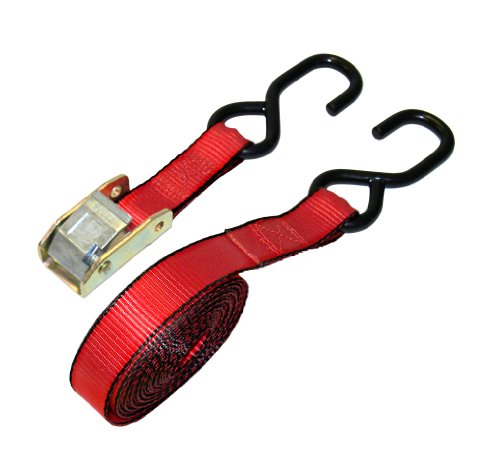
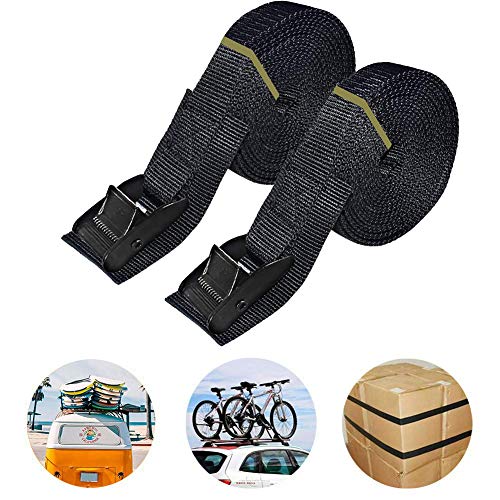
Ratchet straps vs tie down straps
A ratchet strap is a tie down strap that uses a geared ratchet body to pull webbing tight and hold it there. Tie down straps include ratchet straps, cam buckle straps, utility straps, and tarp-control straps.
For household loads, that difference changes how much force you can apply and how likely the strap is to stay put. Ratchet straps use a ratchet mechanism with pawl-and-gear action, and ratchet mechanisms allow motion in only one direction. Ratchet mechanisms are used in tie down straps, and that one-way hold is why they resist loosening better than simple friction buckles.
A typical ratchet strap usually has polyester webbing, a ratchet body, end fittings, a length rating, a width, and a load label. I reach for polyester webbing because it handles outdoor use well and stays more stable under tension than bargain mixed-fiber webbing. One common furniture-moving reference point is 1-inch wide polyester webbing, which is widely sold in light- to medium-duty assemblies for non-commercial household restraint jobs (WSTDA T-1; retailer product specifications for consumer tie-down assemblies).
Where cam buckle straps fit
Cam buckle straps are still tie downs, but they rely on hand tension and friction in the buckle. That gives them lower peak tension than a ratchet strap, which is exactly why they help with crushable loads such as cushions, wicker sections, folded chairs, and tarps over frames.
Use a cam strap when the job is controlling movement, not squeezing a heavy item into place. For a mattress, a tarp, or bundled bed slats, lower tension is often safer than a stronger ratchet.
Why household loads behave differently from pallet cargo
Furniture has weak spots. A dresser can be heavy yet fragile at the top rail. A sofa can have a stout frame hidden under soft foam. A washing machine has weight low down but thin panels that dent early.
That is why the best strap is rarely the highest-rated strap. Wider webbing spreads pressure over more surface. A gentler tensioning method helps avoid damage. Hook shape and anchor angle decide whether the strap stays seated or pulls off in transit.
According to outdoorlife.com — Outdoor Life tested straps from light duty up to 10,000 lb-rated straps.
Why Lifting Straps Matter More Than Securing Ones
Lifting straps change the physics of a move by shifting the load path from your spine to your arms and shoulders, preventing the most common injuries: back strain and dropped loads. The wrong choice leads to total loss of control on awkward furniture pieces. This guide breaks down which strap type fits your specific furniture shape and weight limits, and when you should choose a shoulder dolly over a standard hand truck for tall or boxy items. If your focus is on safe manual carrying rather than trailer tie-downs, this breakdown clarifies the decision process and explains why a $50 strap set can prevent a hospital visit.
For a detailed look at the best moving straps for carrying furniture, visit furniture lifting straps.
What size ratchet strap do I need for moving furniture?
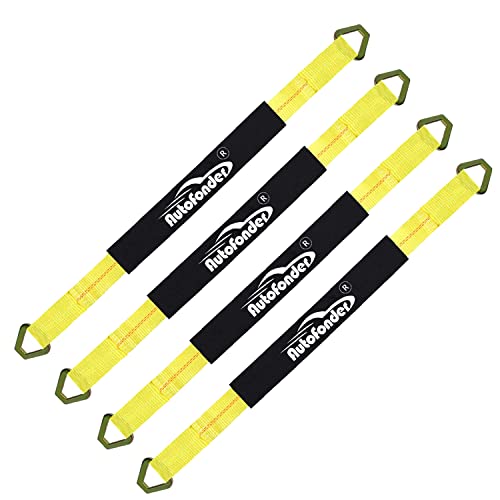
For most furniture moves, start with 1-inch polyester straps and size by pressure risk first, then by load rating. Sofas, mattresses, and boxed items usually do well with 1-inch webbing; denser pieces such as dressers and appliances often need wider contact, better edge protection, or axle-strap style loops (WSTDA T-1 inspection and use guidance; FMCSA 49 CFR 393.102 for securement system strength and condition).
Choose width for pressure control
Webbing width changes how the force lands on the item. Narrower straps are easier to route through tight truck rails, but they concentrate force over a smaller contact patch. That is where crushed edges and finish marks start.
For upholstered furniture, 1-inch webbing usually gives enough control without digging into cushions if the strap is routed around the frame or low across the seat base. For finished wood, wider webbing or padding at contact points cuts the risk of rail dents and compressed corners.
Metal bed frames and appliance dollies can tolerate tighter contact, but sharp edges still need protection. Polyester webbing can be cut by abrasion long before it looks fully worn out, which is why industry guidance treats cuts, broken yarns, and edge damage as inspection red flags (WSTDA T-1, removal and inspection criteria).
Use WLL first, break strength second
Working Load Limit is the rating that matters for normal selection. Break strength is the higher failure number printed on many packs, but it is not the number I use in the field. Pick a strap by WLL, then verify that the hook style and anchor layout support that choice (WSTDA T-1 definitions and labeling guidance; FMCSA 49 CFR 393.106).
Ratchet straps should be chosen with enough strength for the load and rigging method. That last part matters because the same strap can behave differently when wrapped around a sofa frame, run straight to a D-ring, or pulled down at a shallow angle across a mattress.
For home moving, a useful practical split looks like this:
- Lighter, crushable, or broad soft items: 1-inch polyester ratchet strap or cam buckle strap
- Medium-density furniture with tipping risk: 1-inch ratchet straps with sound anchors and edge protection
- Heavy appliances or dense case goods: wider strap contact, looped attachment where possible, and higher WLL than a sofa needs
Pick length that fits the route
Length matters less for strength than for clean routing. Too short and the strap forces a bad anchor angle. Too long and the tail whips around, tangles in the ratchet, or gets under the tire of a dolly.
For a moving truck wall rail, short-to-mid lengths usually manage furniture best. For pickups and trailers, longer runs are often needed because the strap must cross the load and still reach a low anchor point. After tensioning, tie the loose tail to the standing part or the anchor so wind and vibration cannot whip it loose or drag it into the ratchet.
How much weight can a ratchet strap hold?
Use the strap’s working load limit, the actual in-service rating printed for normal restraint, not the break strength, to judge what it can hold in service. Capacity also changes with configuration, anchor angle, and hardware compatibility, so a stronger label alone does not guarantee a safer furniture setup (WSTDA T-1; FMCSA 49 CFR 393.106(d)).
WLL vs break strength in plain language
WLL is the service rating. Break strength is the point at which the assembly can fail under ideal test conditions. For selecting straps, WLL should lead every time (WSTDA T-1 terminology and tag requirements).
A clear example helps. The Tork Strap HD has a 750 lb WLL and 2,250 lb break strength (manufacturer product specifications; Outdoor Life review). Those numbers are not interchangeable. The lower number is the one used for normal loading decisions.
Another example shows how configuration changes rating. The Nite Ize system is rated at 500 lb or 1000 lb WLL depending on configuration (manufacturer product specifications). That means the setup, not only the strap body, affects what the assembly can safely do.
Why anchor angle and routing change usable capacity
A strap pulling straight into a proper anchor generally behaves better than one trying to bend around a sharp edge or pull sideways on a hook. Shallow angles can let tall furniture rock. Extreme side angles can make hooks walk out of rings or rails. That is consistent with cargo-securement guidance requiring tiedowns and anchor points to be used so they are not damaged or rendered ineffective by contact, angle, or edge wear (FMCSA 49 CFR 393.104 and 393.102).
On furniture, the rigging path also decides where force lands. A high strap over a dresser top may stop tipping but crush the cornice or bow a thin back panel. Two lower opposing straps often control movement better than one very tight strap over the top.
Why a higher rating is not always the better furniture choice
Outdoor Life tested straps from light duty up to 10,000 lb-rated straps (Outdoor Life review). That range shows how wide the market is, but a very high-rated cargo strap can be awkward for household use. Bigger hardware can fit badly in small moving-truck rails. Heavier ratchets can over-tension soft goods fast.
For furniture, the right rating is enough rating with the right width and hook. More force than the load can tolerate is a problem, not a benefit.
Which strap hook type should I use for furniture transport?
Use the hook that fully seats on the anchor point and stays loaded in line with the strap. Flat hooks suit rails and stake-pocket style edges; wire, S, and spring-gate hooks fit many D-rings and bars, but they become unsafe when side-loaded or only half-caught (FMCSA 49 CFR 393.104; WSTDA T-1 use guidance).
Flat hooks for rails and broad edges
Flat hooks spread load over a wider contact area and usually sit more securely on trailer rails, stake pockets, and stronger truck-side attachment points. They are often the best answer when the anchor is a bar or edge rather than a ring.
They are less useful when the available anchor is a small welded D-ring. In that case, the hook may not seat deeply enough, or it may ride on one corner.
S hooks, wire hooks, and spring-gate hooks
S hooks are common on light-duty tie downs. They are quick, but they pull off more easily if the angle changes during transit. They need a captive anchor point, not a shallow lip.
Wire hooks fit many truck and trailer anchors better than bulkier hooks. Spring-gate hooks add retention, which helps when the load shifts or vibration unloads and reloads the strap. For home movers working with moving-truck wall rings, spring-gate hooks are often the safest simple match because the gate reduces accidental unseating under changing angles.
Match the hook to the anchor
- D-rings: wire hooks or spring-gate hooks that fully seat
- Round bars or rails: flat hooks if the bar profile allows full bearing, otherwise spring-gate
- Stake-pocket or edge-style anchors: flat hooks
- Appliance frames or axle-strap loops: use the loop around the frame, then connect the ratchet to the loop rather than hooking to thin sheet metal
Hook pull-off is one of the most common avoidable failures in home moving, especially when the line of pull changes after a turn or hard stop (FMCSA 49 CFR 393.104; WSTDA T-1).
Choosing lifting straps for stairs and tight turns
The right lifting strap prevents slipped loads, crushed fingers, and tipped dressers on stair landings. Adjustable shoulder-padded straps handle stairs safely, wide webbing supports bulky pieces, and forearm straps give control in tight turns. Most DIY moves require only one two-person set plus a dedicated appliance strap.
Selecting the wrong type risks damaged floors or the need for professional rescue. Our guide to furniture moving straps breaks down options by scenario, covering padded systems for awkward shapes, budget-friendly two-person adjustable lifts, and single-person straps for short box carries so you can match hardware to your exact route.
Furniture Safety Strap Pricing and Kit Contents
Anti-tip furniture strap kits typically cost $15–$35 when hardware is included, with prices rising for bundles containing metal brackets or drywall anchors. Understanding furniture strap cost helps prevent tip-over accidents by ensuring you select a complete kit rather than an inadequate single strap.
This breakdown compares pricing across product types, pack sizes, and included hardware so you can evaluate value before purchasing. It also covers installed costs and international price conversions, helping homeowners budget accurately for securing dressers, TVs, and bookcases against tipping hazards without overspending on unnecessary extras.
Budgeting for Shelf Safety Strap Installation
Securing shelves against tipping costs more than the strap label suggests. A realistic shelf safety strap cost typically lands between $25 and $80 per shelf once you factor in anchors, screws, and labor. Pricing the complete job rather than just the hardware prevents underestimating what a stable install actually requires.
The supporting guide breaks down kit contents, compares anti-tip straps to earthquake-specific hardware, and evaluates whether popular units like the IKEA KALLAX need dedicated bracing. It also clarifies when standard furniture straps fall short of the stability required for tall shelving. Reviewing these details helps you choose the right hardware before drilling into drywall. Compare options and expected expenses in this shelf strap cost breakdown to plan an effective installation.
Choosing the Right Bed Frame Strap by Price and Failure Mode
A $4 clip set stops mild mattress slip on standard wood or metal frames, but heavy mattresses, slatted bases, and adjustable beds need a $20 cam-buckle strap to prevent nightly shifting. Using the wrong hardware leads to broken clips and repeated fixes that cost more than buying the correct strap initially.
The guide to bed frame strap price breaks down costs by failure mode, mattress size, and frame type. It explains why elastic sheet straps differ from structural frame straps, how many straps a queen bed requires, and whether cam buckles risk damaging upholstered rails. Matching the strap to your specific bed setup prevents wasted money and keeps the mattress securely in place.
How the ratchet mechanism holds tension and where it fails
How the mechanism works
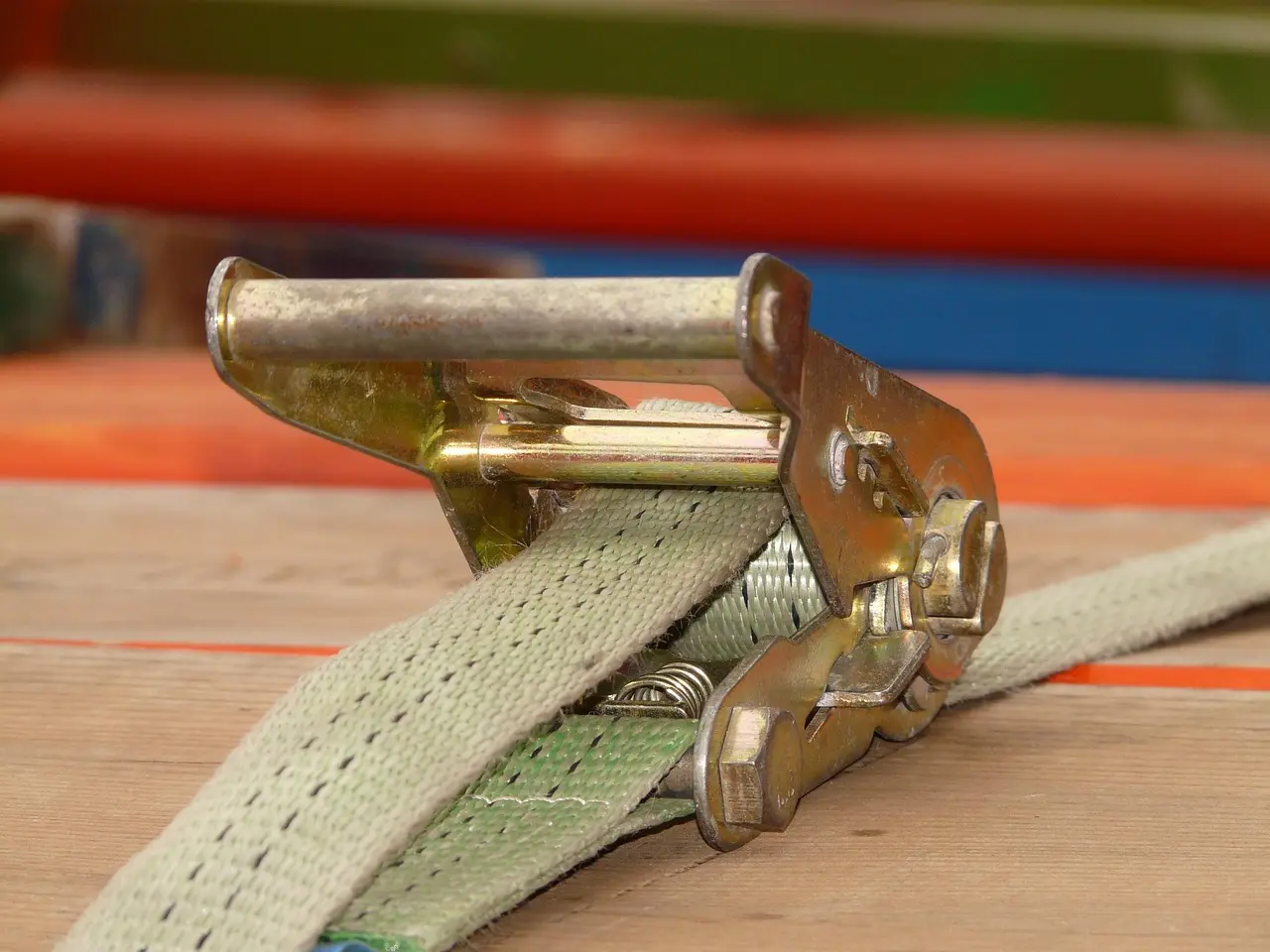
The ratchet mechanism uses a pawl and gear to advance the spool a little at a time. Because the mechanism allows motion in only one direction, it keeps tension better than a plain buckle once the webbing is wrapped and the pawl is fully engaged.
Backlash still exists. There can be a slight release or settling when the handle closes and the load shifts into the strap. That is normal. What is not normal is visible spool rollback from poor engagement or bad wrapping.
Common mistakes that cause slip or loosening
- Feeding too much webbing onto the spool, which creates bulky wraps that settle later.
- Closing the ratchet before the pawl fully bites the gear teeth.
- Twisting the webbing, which prevents even tension across the strap width.
- Routing over a slick blanket without controlling the furniture underneath.
- Leaving the tail loose, where wind and vibration can shake the setup.
Why spool wraps and webbing condition matter
The cleanest setups start with the webbing pre-pulled snug by hand, then ratcheted only enough to stop movement. If the spool takes a thick lump of overlapping webbing, the load can settle as those wraps compress.
Sticky ratchets also create false confidence. If the handle drags, the user may think the strap is tighter than it is. Missing pawl engagement is worse. That can lead to sudden release when the truck hits bumps.
Furniture securement decision table by item type
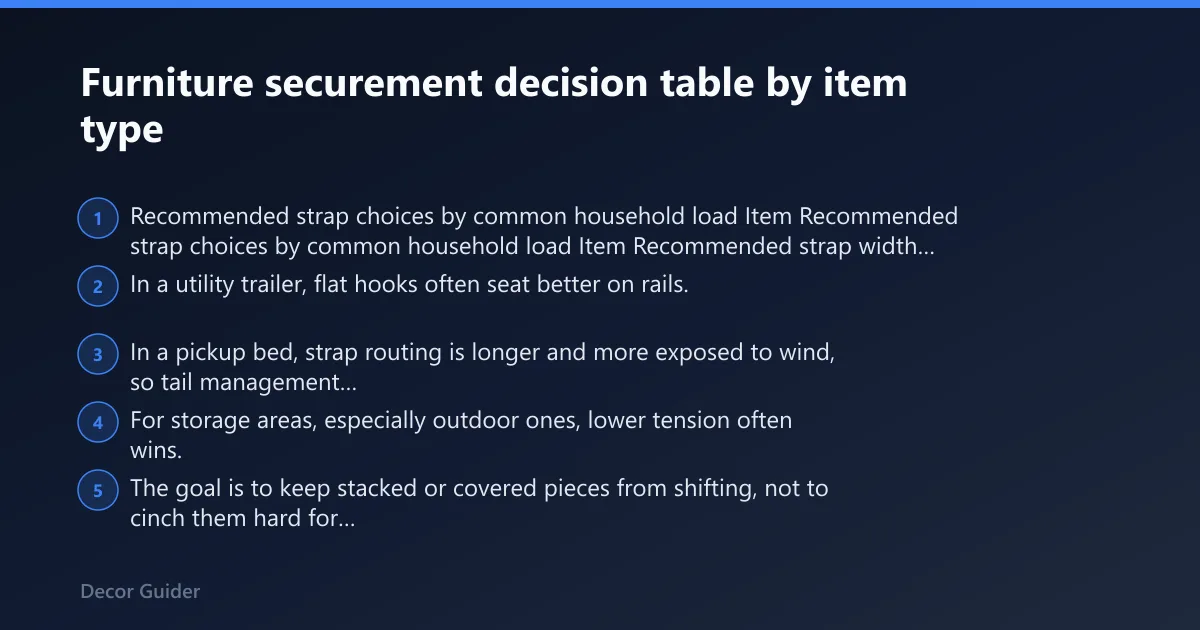
Recommended strap choices by common household load
| Item | Recommended strap width | Preferred hook or attachment style | Minimum WLL range to shop for | Common failure risks |
|---|---|---|---|---|
| Sofa | 1-inch polyester webbing | Spring-gate or wire hooks to wall rings; route around frame, not cushions | Light-to-medium home-moving class; use a pair with combined WLL at least half the cargo weight | Compressed cushions, strap slide on fabric, frame crush at arms if over-tightened |
| Dresser | 1-inch with edge protection, or wider contact if rails are delicate | Spring-gate or flat hooks depending on truck anchor; two opposing straps | Medium class; higher than sofa due to tipping risk and denser weight | Crushed top edge, bowed back panel, single-strap rollover, hook pull-off from side loading |
| Mattress | 1-inch cam buckle or light ratchet strap | Wire or spring-gate hooks; broad routing across padded areas | Lower class; tension control matters more than brute force | Over-compression, strap migration on slick cover, wind billow in pickups |
| Appliance | 1-inch with axle-strap style loops or padded contact points | Loop around frame or dolly structure, then ratchet to D-rings | Medium-to-higher class; choose for dense weight and hard braking loads | Dented side panels, hook pull-off from thin edges, strap cut on sharp metal |
| Patio furniture | 1-inch cam strap for covers and cushions; 1-inch ratchet for stacked frames | Spring-gate or looped routing around solid frame members | Lower class for cover control; medium class for stacked metal sets | Tarp abrasion, wind lift, moisture trapping, crushed wicker or bent light tubing |
How to adapt the table to your setup
In a moving truck, wall rings and side rails favor wire or spring-gate hooks. In a utility trailer, flat hooks often seat better on rails. In a pickup bed, strap routing is longer and more exposed to wind, so tail management matters more.
For storage areas, especially outdoor ones, lower tension often wins. The goal is to keep stacked or covered pieces from shifting, not to cinch them hard for highway braking loads.
| Item | Strap width | Hook type | WLL range | Failure risk if chosen wrong |
|---|---|---|---|---|
| Sofa | 1 inch | Spring-gate or wire hook on wall ring | 300-500 lb per strap | Medium: fabric slide, arm/frame crush if over-tensioned |
| Dresser | 1 inch with edge protection; 1.5 inch if contact area is delicate | Spring-gate on D-ring or flat hook on rail | 400-833 lb per strap | High: tip-over, top-edge crush, hook walk-off under side load |
| Mattress | 1 inch | Wire or spring-gate; cam buckle often preferred | 200-400 lb per strap | Medium: over-compression and wind billow in pickups |
| Appliance | 1 inch with loop strap; 1.5 inch where sharper edges need broader contact | Axle-strap loop to frame, then ratchet to D-ring | 500-1,000 lb per strap | High: sheet-metal dents, webbing cut on edges, pull-off from thin lips |
| Patio furniture | 1 inch | Looped around frame or spring-gate to fixed anchor | 200-500 lb per strap | Medium: crushed wicker, bent tubing, cover abrasion from flap |
Those ranges are intentionally consistent and furniture-safe rather than maximum-force recommendations. In practice, I have had fewer finish marks and fewer hook seating problems when I stayed with 1-inch assemblies for most indoor furniture and only stepped up in width or hardware size when the contact area or anchor style clearly demanded it.
Securing Heavy Furniture Against Tipping Hazards
Heavy dressers, bookcases, and TV stands present a serious tipping risk when children climb on them. The key to mitigation lies in selecting anti-tip straps with metal brackets and wall anchors matched specifically to your drywall or stud configuration, rather than relying on generic ratchet hardware. A mismatched anchor is a common point of failure that can lead to severe injury.
furniture straps for childproofing covers how to compare specific kits based on furniture shape, rental constraints, and wall material, ensuring the hardware remains secure during daily use without damaging your walls or lease terms.
Can ratchet straps be used to secure furniture?
Yes, ratchet straps can secure furniture safely when they bear on frames, not crush points, and when tension is limited to movement control. Damage happens when straps cross delicate rails, sharp corners, cushions, or thin appliance panels without padding, spacing, or proper anchor geometry.
Where to place straps
On sofas, route around the base frame or low through stable openings, not over soft arms. On dressers, use two straps at different heights or a strap plus blocking so the case cannot tip. On bed frames, catch the rigid side rails, not decorative headboard trim.
For appliances, wrap around the structural frame or appliance dolly where possible. Avoid direct hook contact with sheet metal edges.
Use padding and spacers
Moving blankets under webbing reduce finish marks and help with abrasion, but they can also make the load slick. If the blanket can slide, the furniture still needs a physical stop from the wall, floor, or blocking.
Edge protectors, folded corrugate, or firm pads are worth using on lacquered wood and laminate corners. They spread force and keep the strap from biting into one line.
How much tension is enough
Enough means the item cannot walk, tip, or bounce into a neighbor load. More than that is often harmful. If cushion shape changes a lot, if drawer faces bow, or if thin panels oil-can under the strap, the setup is too tight.
Ratchet straps are useful for securing objects in trucks or trailers. That does not mean maximum ratchet force is the goal for every object in the truck.
When should I use a cam buckle strap instead of a ratchet strap?
Use a cam buckle strap when the item is light, broad, or easy to crush and only needs controlled restraint. Cam straps suit mattresses, bundled parts, folded patio chairs, cushions, and tarp control; ratchet straps remain the better choice for denser or taller loads.
Best uses for cam straps
Cam straps shine where hand tension is enough. They are quick on bed slats, light furniture bundles, and patio covers. They also work well when a ratchet would force too much pressure into one edge.
For a tarp over furniture, a cam strap can hold the cover down without sawing it against the frame as hard as a ratchet might.
Where cam straps fall short
They are not ideal for top-heavy dressers, refrigerators, upright freezers, or stacked loads that can shift hard during braking. Friction buckles can creep if the webbing is dirty, the angle changes a lot, or the load keeps bouncing.
Some hybrid systems sit between the two. Outdoor Life says the Tork Strap HD sits between a ratchet strap and a heavy-duty bungee cord. The Tork Strap HD includes a built-in spring for tension maintenance, which helps when the load needs some give rather than dead-rigid cinching.
That same product has a 750 lb WLL and 2,250 lb break strength, and it uses 1.5-inch wide nylon webbing (manufacturer product specifications; Outdoor Life review). Those numbers show the concept: tension maintenance can help on some loads, but furniture selection still starts with WLL, contact pressure, and anchor geometry.
How do I secure a tarp over patio furniture?
Secure a tarp by trapping wind at the lower edges, spreading strap contact over the frame, and keeping the cover off sharp abrasion points. Use cam straps or light ratchet tension around solid frame members; bungees alone usually let the cover lift, flap, and wear through.
Tarp tie-down methods that work
Run the cover over the furniture, then gather excess so it does not balloon. Strap around the furniture frame or stack, not only through tarp grommets. Grommets tear out early when the whole cover load is hanging from them.
Use soft pads where the tarp crosses chair backs, table corners, or wicker edges. Wind movement turns small contact points into wear spots fast.
Why bungee-only setups fail
Bungees stretch, which is useful for quick cover placement but poor for long-term wind control. Once the cover lifts, the elastic gives more, the tarp flaps, and abrasion starts. Then water enters, and the loose cover becomes worse than no cover.
Choosing Heavy-Duty Tarps for Patio Furniture Protection
A reinforced polyethylene tarp with UV resistance and tight grommet spacing protects patio furniture from rain, wind, and seasonal wear far better than thin bargain covers. The right material prevents water pooling while fitting over cushions and mixed-material sets without stretching or tearing.
Sizing matters just as much as material. A cover needs enough overlap to tie down securely, and the ideal choice shifts depending on whether you need short-term wet-weather defense or long-term storage durability. Canvas and vinyl options serve extended storage well, while poly tarps excel in heavy rain. Our guide to heavy-duty patio tarps breaks down sizing calculations, material trade-offs, and specific picks so your outdoor furniture stays dry through every season.
Matching Tarp Thickness to Home Projects
A 5–6 mil poly tarp handles short indoor jobs, but outdoor work lasting more than a few days requires 8–10 mil material, and heavy-duty storage or repeated tie-downs demand 12+ mil. Thin tarps split quickly, tear at the grommets, and leave lumber, paint supplies, or patio furniture exposed to moisture.
Choosing the right thickness prevents wasted money and water damage. The guide on best utility tarps breaks down specific options by use case—from small general-purpose covers for quick yard tasks to thick canvas tarps sized for protecting furniture during painting projects. It matches thickness, dimensions, and tie-down methods to common home scenarios so you can select a tarp that actually lasts through the job.
How do I strap down outdoor furniture for storage?
For storage, use lower-tension straps to keep stacks compact while leaving room for air movement and drainage. Strap around sturdy frame sections, keep covers from sealing in moisture, and avoid hard ratchet compression on wicker, cushions, thin aluminum, or painted tubular frames.
Stacking and moisture control
Stack chairs only as high as the base stays stable. A lower stack with two light straps is better than a tall tower with one tight ratchet. If using a cover, leave vent gaps low and high so trapped moisture can escape.
Cushions should be removed or bagged separately. A strap over soaked cushions holds moisture against fabric and foam.
Choose lower-tension methods where needed
Cam straps are usually the safer storage choice for resin, wicker, and painted patio sets. Ratchets fit better when the stack is heavy metal furniture or when the setup is exposed to repeated wind loads and needs a firmer hold.
For seasonal tie-down kits, cost per use matters. Homeowners who strap patio furniture twice a year and move once every few years usually get the best value from a light home-use set plus a couple of better hooks and pads, rather than buying bulky high-capacity cargo gear that is awkward on furniture.
Some packs are clearly aimed at occasional users. The Nite Ize pack includes two straps per pack, and its system is rated at 500 lb or 1000 lb WLL depending on configuration (manufacturer product specifications). That kind of range can suit lighter household tasks when the anchor and routing are right, but it is still not a free pass to over-tension delicate pieces.
Securing Small Equipment on Trailers
A 4-point tie-down system rated to roughly 1.5 times the machine’s weight keeps mowers, ATVs, UTVs, and compact machinery from shifting during transport. Weak or mismatched straps allow loads to slide, damaging trailers and risking roadside fines or accidents.
Matching strap style, anchor type, and working load limit to your specific equipment ensures reliable securement. The guide on small equipment trailer tie-downs breaks down product picks by use case, including wheel chock kits for tire-based restraint and heavy-duty ratchet straps for compact machinery, along with a selector table to match gear to your load.
How do I stop furniture straps from loosening during a move?
Prevent loosening by pre-snugging the webbing, keeping the strap flat, seating hooks fully, and using anchor points that pull in line with the load. After the first short stretch of travel, re-check tension because furniture, blankets, and spool wraps often settle quickly.
Routing and preloading
Pull the slack out by hand before ratcheting. Keep the run straight where possible. A strap that starts loose and twisted is much more likely to settle and lose hold than one that starts flat and snug. If you need a quick refresher on routing, the step-by-step ratchet strap guide is the most relevant starting point.
Tail management and re-check timing
Secure the excess tail to the strap body or anchor so it cannot flap, snag, or feed back into the mechanism. Re-check after the first few miles or after the first series of turns and stops. Loads that looked solid at the curb can relax once padding compresses and the truck flexes. For the loose end specifically, the adjacent ratchet mechanism article covers the simplest tie-off methods that prevent whipping and self-loosening.
Stopping Mattress Slippage With Bed Frame Straps
A mattress that slides off its frame creates gaps, tears sheets prematurely, and disrupts sleep. Adjustable anti-slip straps with at least two anchor points solve this by locking the mattress directly to wood, metal, upholstered, slatted, or platform frames. Most setups require only two to four straps combined with corner grippers to eliminate creeping.
The right hardware depends on how severe the movement is. Cam buckle straps handle everyday shifting for most mattresses, while ratchet straps provide the higher tension needed for stubborn sliding on smooth surfaces. Locking straps keep split mattresses aligned, and non-slip pads work for light friction issues. Our guide to bed frame mattress straps breaks down which option fits your specific frame type and installation requirements.
Choosing Between Moving Straps and Furniture Sliders
The right tool makes the difference between a smooth move and a damaged floor or strained back. This guide breaks down when to choose moving straps and sliders based on your specific challenges.
Furniture sliders work best for short, flat moves on compatible surfaces, while straps excel at stairs, thresholds, and awkward carries. The article provides a decision matrix to match each tool to your floor type, lift scenario, and item weight, helping you avoid costly mistakes and move safely.
Choosing shelf straps that actually protect against quake tipping
If you’re securing bookcases or open shelving in an earthquake-prone home, the key question is not just whether to use straps, but which design is least likely to fail. The supporting guide breaks down shelf strap options by wall type, load, and cabinet height, then explains when metal anti-tip straps or steel bracket systems are a better choice than lighter webbing setups. That matters because the wrong anchor can pull out of drywall when a tall unit shifts.
Use this shelf straps guide to match the strap to the shelf, the wall, and the risk level before you buy.
What makes a ratchet strap unsafe to use?
A ratchet strap is unsafe when the webbing is cut, melted, badly abraded, or unreadable; when hooks are bent or poorly seated; or when the ratchet fails to engage cleanly. Unsafe geometry also counts, because even good hardware can fail if it is loaded sideways (WSTDA T-1 inspection and removal criteria; FMCSA 49 CFR 393.104).
Webbing and hardware red flags
- Frayed edges that expose broken yarns
- Cuts near the sewn ends or near edge contact points
- Melted or glazed fibers from heat or friction
- Bent hooks, spread S hooks, or deformed spring gates
- Sticky ratchets, skipped teeth, or uncertain pawl engagement
- Unreadable tags when a rating decision matters
Unsafe anchor geometry
A perfect strap can still fail in use if the anchor point is wrong. Hook pull-off happens when the hook only catches a lip, when the line of pull is sideways, or when a tall load rocks enough to unload the hook and then snap it back into place.
Sharp sheet-metal edges are another problem. They can cut polyester webbing under movement. Use sleeves, pads, or a different route.
Inspection and retirement for home users
Inspect before every move and after any event where a load shifted hard. Retire any strap with doubtful hardware or webbing damage in the load path. WSTDA guidance and federal cargo-securement rules both support removing damaged tiedowns from service rather than guessing at remaining strength (WSTDA T-1; FMCSA 49 CFR 393.104). A cheap replacement costs less than one damaged dresser side or one tarp ripped loose on the highway.
Frequently asked questions
What is the difference between ratchet straps and tie downs?
Tie down straps are the whole category, while ratchet straps are one type within it. Ratchet straps use a one-way ratchet mechanism to hold tension more firmly; cam buckle and utility straps are other tie downs used where lighter loads or lower tension make more sense.
Sources
Primary reference standards and regulations used for the guidance above: Web Sling & Tie Down Association (WSTDA) T-1 Recommended Standard Specification for Synthetic Web Tiedowns; Federal Motor Carrier Safety Administration cargo securement rules at 49 CFR 393.100-136, including 393.102, 393.104, and 393.106; product specification data for the Tork Strap HD and Nite Ize tie-down systems for the cited WLL and break-strength figures; and the Outdoor Life strap review cited above for market comparison of consumer strap ratings up to 10,000 lb.
Products related to this article
Sponsored / affiliate links. As an Amazon Associate I earn from qualifying purchases. I may earn additional commission from eligible campaigns.