5 Best Ratchet Straps for Moving Furniture (2026): we compared
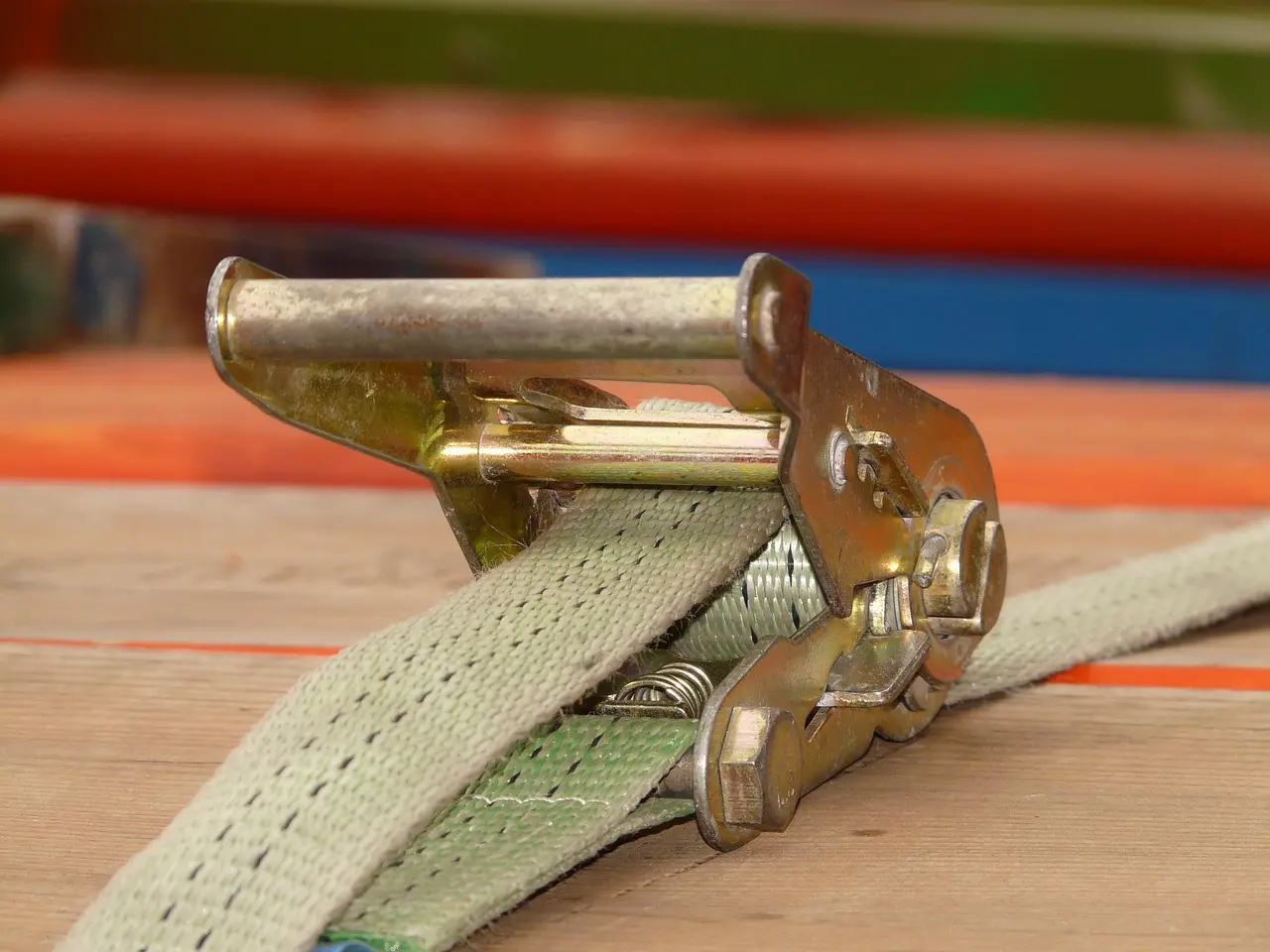
For moving furniture, 2-inch polyester straps with a ratchet mechanism, a higher working load limit, and hooks that match your truck or trailer anchors are often a practical choice. For most household moves, I reach for a long double-J-handle strap, because it gives enough reach for couches, dressers, and mattresses without turning into a loose pile of webbing.
Quick comparison
| Product | Badge | Best for | Price | ||
|---|---|---|---|---|---|
 |
Secure Tite 1-1/2” x 20’ Tie Down Ratchet Straps, RatchetSecure Tite | Our pick | 1.5" x 20′ · 1667 lb · Double J-Hook | $50.19
Price as of 24 Sep 2026
|
View |
 |
Amazon Basics 1" x 15ft Ratchet Tie Down Straps for Cargo,Amazon Basics | Budget pick | 1" x 15′ · 500 lb · 12-Pack | $41.98
Price as of 24 Sep 2026
|
View |
 |
Moving Straps Lifting(Padded) one Person 2-Person LiftingEPXXUDD | Pair with it | Padded · One Person · Lifting Harness | $25.99
Price as of 24 Sep 2026
|
View |
 |
STANLEY 1" x 10′ x 1,500 lbs Light-Duty Ratchet Straps,STANLEY | Also great | 1" x 10′ · 500 lb · S-Hooks | $32.99
Price as of 24 Sep 2026
|
View |
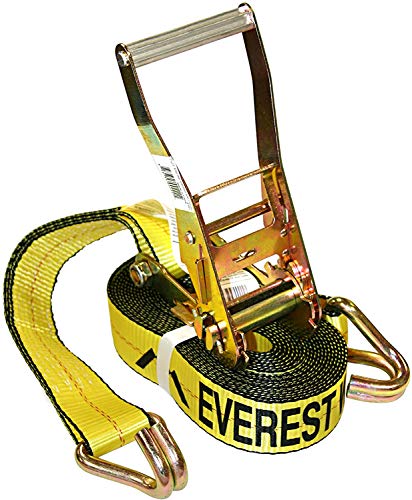 |
Everest Premium Ratchet Tie Down – 1 PK – 2 IN – 27 FT –EVEREST | Upgrade pick | 2" x 27′ · 3333 lb · Double J Hook | $9.76
Price as of 24 Sep 2026
|
View |
Read the table by matching the strap to the furniture shape first, then checking WLL and hook fit. A sofa and a mattress may weigh less than a washer, yet the wrong length or hook style can make the load harder to control than a heavier strap would.
According to The Best Ratchet Straps for Securing Cargo – Bob Vila — U.S. Cargo Control strap breaking strength is 10,000 pounds.
How we chose
Selection starts with WLL, because that is the safer rating to follow. Breaking strength helps with product comparison, but I do not plan a move around it.
Furniture fit came next. Long sectionals need different strap reach than low dressers, and a mattress needs different contact control than a washer.
Hook and anchor compatibility mattered too. Truck rails, trailer rails, and bed tie-down points do not accept every hook style cleanly.
Finally, handle feel and surface protection counted. I want a ratchet that runs without binding and a hook that stays off paint, because either problem can turn a simple move into a chipped corner.
Everest Premium Ratchet Tie Down: best for most furniture moves

This is the best fit for most furniture moves because it combines long reach, a 2-inch webbing width, and a double J hook that works well on many truck and trailer anchor points. Based on the spec sheet and range feedback, the 27-foot length gives room for awkward sofas, sectionals, and tall dressers without forcing a bad wrap.
It is rated at roughly 3,333 pounds working load limit and about 10,000 pounds breaking strength. That kind of headroom is useful for moving, but the real win is control: enough strap length to route cleanly, enough width to spread pressure, and a handle that feels easier to settle than tiny light-duty ratchets.
The drawback is obvious. At 27 feet, it can be more strap than a short truck-bed move needs, and extra length can tangle if the user does not keep the tail organized. It is also not the right choice for painted furniture contact; the hook side should stay on the vehicle or rail, not on finished wood.
Secure Tite 1-1/2” x 20’ Tie Down Ratchet Straps: best for heavier furniture and appliances
This suits heavier furniture and appliance moves where a shorter, cleaner run is better than a very long strap. The 1.5-inch width and 20-foot length sit in a practical middle zone for washers, dryers, large dressers, and sectional bases that need firm control across a trailer or box truck.
Its roughly 1,667-pound working load limit and about 5,000-pound break strength make it a more restrained choice than larger 2-inch premium straps, but still useful for household moving when the anchor path is short and direct. The oversized handle is a plus when gloves are on and hands are cold or tired.
The drawback is range. For a long wrap around a sectional or a high-back sofa, 20 feet may still come up short if the anchor points are awkward. It is also less forgiving than a 2-inch strap if the load has sharp corners that need a broader webbing footprint.
Amazon Basics 1" x 15ft Ratchet Tie Down Straps: best budget multi-pack
This is the budget play for people who want several straps on hand for a small move. The 12-pack is the main advantage, and the 15-foot length gives enough room for many dressers, boxed items, and lighter furniture runs in a truck bed or compact trailer.
With a lower load cap and a break strength around 1,500 pounds, this is a lighter-duty option that fits smaller pieces, not the heaviest household items. The metal ratchet closure and adjustable hold are useful, but the 1-inch width gives less pressure spread than wider straps, so corner protection matters more.
The drawback is clear: one 1-inch strap is not the right answer for large sectionals, full-size washers, or anything with a lot of side-to-side movement. It is a value buy, not a heavy-load answer.
STANLEY 1" x 10′ x 1,500 lbs Light-Duty Ratchet Straps: best for short runs and light furniture
This is useful when the move is short and the furniture is light, such as small dressers, end tables, or boxed household pieces. The 10-foot length keeps excess strap under control, and the low-profile handle is easier to place in tight spaces where a larger ratchet would bump walls.
The coated S-hooks are the main reason to consider it. They can be easier on surfaces than bare hooks, but they still need a compatible anchor point and should not be allowed to scrape painted furniture edges. Based on the spec sheet, this is the kind of strap that works best when the route is simple and the load is already well blocked.
The drawback is that 10 feet can be too short for larger furniture or for anchor points placed wide apart. It is also not the strap to reach for if the item can roll, slide, or lean during transit.
Rhino USA Retractable Ratchet Straps: best for tidy storage and fast resets
The retractable style is useful when a move involves many stops and repeated re-tightening. The 2-inch by 10-foot format keeps the webbing tidy, and the self-storing behavior helps reduce the common after-move mess of loose straps underfoot.
Its 1,011-pound WLL and 3,033-pound breaking strength put it in the lighter-to-midrange zone, which is fine for smaller furniture, mattresses, and lighter appliance runs when the route is short. For furniture moving, the appeal is control and cleanup more than brute force.
The drawback is reach. Ten feet is short for many couches and sectionals, and retractable mechanisms can be less forgiving if the strap needs to wrap around bulky furniture or awkward anchor geometry. It is a good organizer, not a universal answer.
What the furniture strap matrix says
Furniture should decide the strap, not the other way around. A low dresser, a wide sectional, and a washer each ask for a different combination of width, length, hook style, and anchor point, and the table below reflects that practical split.
| Item | Recommended width | Recommended length | Hook type | Best anchor point | How many straps |
|---|---|---|---|---|---|
| Couch | 2 inch | 12 to 27 feet | Double J hook or soft loop with hook-style strap | Trailer rail or truck bed tie-down point | 2 for most sofas; 3 for long sectionals |
| Dresser | 1.5 inch or 2 inch | 8 to 15 feet | Soft loop, carabiner soft-tie, or double J hook on the truck side only | Rail or crossbar aligned with the dresser body | 2; use 3 if tall or top-heavy |
| Sectional | 2 inch | 15 to 27 feet | Double J hook | Trailer rail or crossbar with wide spacing | 3 to 4, depending on piece count |
| Washer | 1.5 inch or 2 inch | 8 to 12 feet | Double J hook or bolt-on fitting to the vehicle side | Truck bed tie-down point | 2, plus blocking under the feet |
| Dryer | 1.5 inch or 2 inch | 8 to 12 feet | Double J hook or soft loop | Truck bed tie-down point | 2 |
| Mattress | 1 inch or 1.5 inch | 10 to 15 feet | Soft loops or coated S-hooks | Rail or crossbar with a smooth path | 2; 3 if the mattress is tall or boxed |
Two things matter here. First, over-tightening can dent wood, crush cushions, or twist appliance panels. Second, a second strap placed lower and steadier is usually smarter than yanking one strap harder.
How do you use ratchet straps for moving furniture?
Use ratchet straps by routing the webbing around the furniture body, attaching the hooks to a solid truck or trailer anchor, and tightening only until the piece cannot slide or lean. The safest setup keeps the hook side off painted surfaces, spreads pressure across the frame, and leaves enough slack for the ratchet to work cleanly.
Basic setup steps
- Place the furniture flat and block it so it cannot roll while you work.
- Choose anchor points on rails, crossbars, or truck bed tie-down points.
- Keep hooks on the vehicle side when possible.
- Run the webbing across the furniture body, not over fragile trim or soft corners.
- Ratchet down until the load stops moving, then stop.
- Check the straps after the first few miles.
How tight is tight enough
Tight enough means the load does not shift when pushed by hand, not that the cushion or frame starts to deform. If the strap bows the side of a dresser, pinches a mattress edge, or makes the ratchet fight hard on every pull, the setup is too aggressive and should be reset.
How to fold and store straps after the move
Release the ratchet fully, pull the webbing free, and lay each strap flat before coiling it. Keep hooks nested together or secured with their own tail so they do not snag upholstery, and store dry straps in a bin rather than leaving them piled wet in a truck bed.
Which one should you buy?
If the move involves a mix of couches, dressers, and a mattress, the Everest Premium Ratchet Tie Down is the cleanest all-around buy because its 2-inch by 27-foot format gives the most flexibility. If the move includes washers, dryers, or heavy sectionals, the Secure Tite 1-1/2” x 20’ set is better sized for direct control.
For a budget-first household move, the Amazon Basics 1-inch 15-foot 12-pack makes sense when the loads are lighter and you want extras on hand. For short, tidy moves with simpler pieces, STANLEY’s 10-foot set is easier to keep out of the way.
If the problem is storage and constant re-use, the Rhino USA Retractable Ratchet Straps are appealing, but the shorter reach limits them on large furniture. For painted or delicate surfaces, moving straps for furniture can be better than ratchet straps because they spread the carry load across the body instead of cinching across finish.
Can ratchet straps be used to secure furniture in a moving truck?
Yes. Ratchet straps are commonly used to secure furniture in a moving truck when they are attached to solid anchor points and sized to the load. They work best on heavy, stable pieces that need to stay upright, and they are less suited to loose, fragile items that need soft contact instead of tension.
Where should ratchet straps attach when moving furniture?
Attach ratchet straps to rails, crossbars, or truck bed tie-down points that are fixed to the vehicle structure. Avoid attaching to trim, thin panels, or weak furniture parts, and avoid hook contact on painted wood unless a soft loop or protective tie is used between the hook and the surface.
What hook type is safest for furniture moving?
Soft loops and carabiner soft-ties are the safest on finished furniture because they keep metal away from painted surfaces. On the vehicle side, double J hooks are usually the most forgiving on rails and bed points, while coated S-hooks can work on simpler anchor shapes if they cannot slip or scrape.
What size ratchet strap do I need for moving furniture?
For most furniture, 1.5-inch or 2-inch straps are the practical default, with 10 to 27 feet of length depending on the item. Smaller pieces can use 1-inch straps, but larger furniture, sectionals, and appliances usually need wider webbing and more reach to avoid awkward tension paths.
How many ratchet straps do I need for a couch or dresser?
A couch usually needs two straps, and a long sectional often needs three or four depending on piece count and anchor layout. A dresser usually needs two straps, with a third added if it is tall, top-heavy, or placed where side sway is likely during braking or cornering.
Can ratchet straps be used for lifting furniture?
They should not be used for lifting furniture unless the product is specifically designed as a lifting system. Ratchet straps are for load securing, not hoisting, and lifting with a standard tie-down can fail at the ratchet, stretch the webbing, or shift the load in a way that injures the mover.
What is the difference between ratchet straps and moving straps?
Ratchet straps secure furniture in place during transport by tightening webbing around the load. Moving straps, by contrast, are usually shoulder or arm supports meant to help two people carry a piece, so they help with lifting and balance rather than tie-down security in the truck.
Where can I buy moving straps for furniture?
Buy them from moving-supply retailers, truck-accessory stores, and hardware outlets that list WLL, strap length, and hook type clearly. For furniture, the better source is the one that tells you the exact anchor style and length, because a vague “cargo strap” listing often hides the details that matter most.
Products related to this article
Sponsored / affiliate links. As an Amazon Associate I earn from qualifying purchases. I may earn additional commission from eligible campaigns.
 Furniture Sliders 4 Pack, 3.5 Inch Heavy Duty Reusable Furniture Moving Sliders for Hardwood Floors and Carpet, Beige Floor Protection Pads for Chairs, Sofas, Tables and Home Moving
 MouZie Heavy Duty Furniture Lifter & Moving Kit – Lift & Glide Couches, Beds, Appliances with Ease – 4 Roller Sliders (660 lbs Each), Adjustable Height Lifter, Carpet Adapters for All Floors