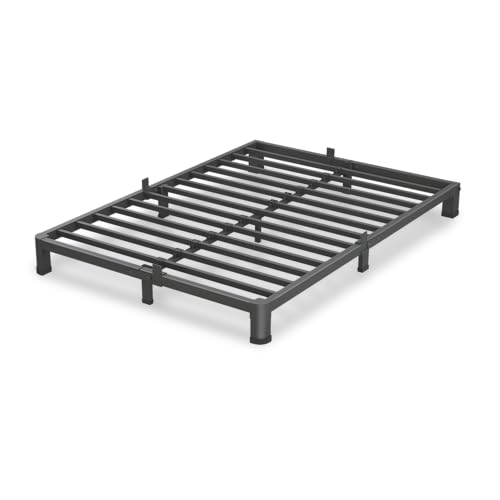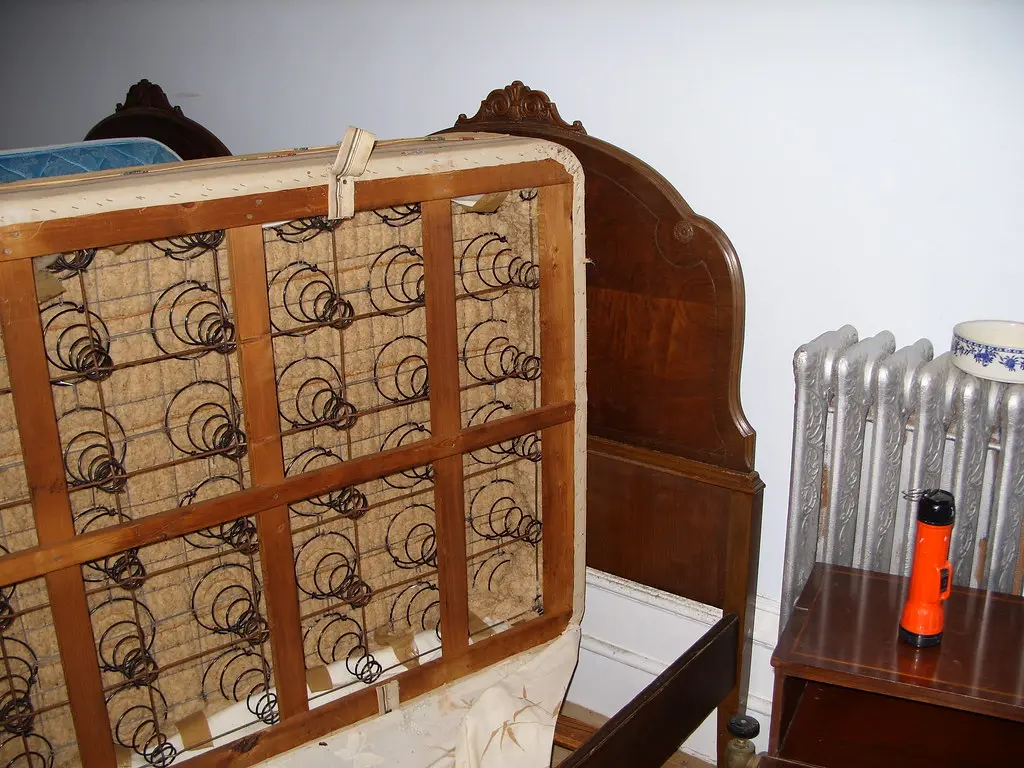
4 Best Bed Frame Straps for Support (2026): we compared
The best bed frame straps for mattress support are adjustable anti-slip straps with at least 2 anchor points, matched to your frame type and slippage cause; in many cases, 2–4 straps plus corner grippers can help reduce movement best. I have found that a poor setup leaves the mattress creeping, gaps opening, and sheets tearing faster. This guide shows how to pick and install the right strap setup for wood, metal, upholstered, slatted, and platform frames.
Quick comparison
| Product | Badge | Best for | Price | ||
|---|---|---|---|---|---|
 |
Locking Mattress Straps: Hold Mattress Together, Fits TwinQuantixia | Our pick | Locking straps, twin XL to King fit | $19.59
Price as of 28 Sep 2026
|
View |
 |
Furniture Corner Connector – 20PCS Universal StainlessBxbdcha | Budget pick | 20 stainless steel L-bracket corner connectors | $5.99
Price as of 28 Sep 2026
|
View |
 |
2 Pack Adjustable Mattress Topper Straps, 100 x 2 Inch,Wowangce | Also great | 2-pack, 100-inch adjustable polyester topper straps | $12.99
Price as of 28 Sep 2026
|
View |
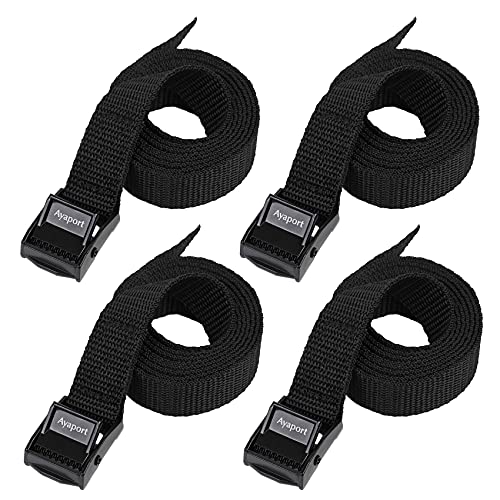 |
Ayaport Lashing Straps with Buckles Adjustable Cam BuckleAyaport | Pair with it | 48-inch cam buckle tie-down lashing straps | $8.97
Price as of 28 Sep 2026
|
View |
 |
Glideaway X-Support Bed Frame Support System, GS-3 XS ModelGlideaway | Our pick | View |
Cam buckle straps are the safest default for most shoppers because they let you set tension by hand without the hard stop of a ratchet. Ratchet straps only make sense when a mattress keeps shifting after other fixes, and even then the tension needs to stay moderate.
According to tomsguide.com — Tom’s Guide says bed frame materials can last anywhere between seven to 20 years.
How we chose
The comparison below focuses on three things that usually decide whether a slipping mattress gets fixed or keeps moving: the frame surface, the anchor point, and how much tension the setup can handle. We also weighed strap width, buckle type, length options, and how easy the hardware is to inspect.
For context, Tom’s Guide says bed frame materials can last anywhere between seven to 20 years, points to support and comfort as the main reasons bed frames matter, and lists setup difficulty as a buying consideration. Its 2026 guide also separates storage, adjustable bed frames, cheap platform beds, and stackable bed frames into different categories, which matches how different strap solutions work in the real world.
CNET’s back-pain coverage says proper spinal alignment is a mattress-support goal, and that matters here because a strap setup should stop sliding without forcing the mattress into a distorted shape. The best choice is usually the one that fits the frame without crushing the cover or abrading the corners.
| Frame type | Mattress size | Anchor point | Recommended strap type | Common failure mode to watch for |
|---|---|---|---|---|
| Wood platform bed | Twin or Full | Inside rail corners plus center rail | Cam buckle strap, 72 to 96 inches, 1 to 1.5 inches wide | Corner shift on smooth stain or lacquer |
| Metal frame | Queen | Side rail holes or crossbar points | Cam buckle strap, 96 to 120 inches, abrasion-resistant webbing | Frame surface friction is low, so the mattress creeps toward one side |
| Upholstered frame | King | Low-profile base rails, not the fabric panel | Cam buckle strap with soft edge contact, 108 to 120 inches | Strap rubs the fabric and the mattress edges still slide |
| Slatted frame | Queen | Cross slat intersections and side rails | Strap plus non-slip pads, 96 inches or longer | Wide slat spacing and weak center support let the mattress drift |
| Adjustable base | Twin XL | Base frame, never moving joints or motors | Short cam buckle strap or corner grippers only | Over-tension can bind movement and stress the base cover |
| Box spring setup | Full or Queen | Bed frame rails around the box spring | Long cam buckle strap with non-slip pads | Box spring shifts first, then the mattress follows |

Cam buckle straps: best for most mattresses
Cam buckle straps are the safest default for mattress slippage because they let you set tension by hand and stop before the mattress starts to compress. They work best on wood, metal, and platform frames where the problem is sliding, not a broken support structure.
Why manual tension control matters
A cam buckle gives small, visible adjustments. That matters when a mattress only creeps a little at the corners or slides on a smooth frame surface, because the goal is to hold position, not squeeze the mattress into place.
Based on specs and reviews, this style is also easier to release when the bed needs rotating or cleaning. The quick-release behavior is useful on upholstered frames, where a stubborn strap can mark the fabric if it is dragged across the edge too forcefully.
Where cam buckles beat ratchet straps
Cam buckle straps are better when the mattress is medium weight, the frame has decent anchor points, and the issue is ordinary sleep movement. They are also a better fit for foam and hybrid mattresses, where too much force can distort the cover or leave a temporary edge crease.
The downside is that cam buckles can slip if the webbing is too narrow, the buckle is cheap, or the strap is threaded incorrectly. On a very slick metal frame, that usually means the strap needs a wider band and better anchor placement, not more brute force.
Install and release speed
For everyday use, cam buckle straps install fast enough for most buyers. Thread the strap, set light tension, check both corners, and recheck after the first night because bedding settles and the mattress often shifts slightly as it beds in.
- Place the mattress where it belongs and square it to the frame.
- Route the strap through the chosen anchor points, not over soft trim.
- Snug the strap until the mattress stops drifting.
- Press on the corners and sit on the bed to confirm it stays put.
- Recheck after one night and again after a week.
Adjustable mattress topper straps: best for queen and king beds
These are for shoppers who need a longer, simple strap layout on larger mattresses. Based on the spec sheet and owner feedback, the 100-inch length and locking buckles make them a practical choice for queen and king beds that slide toward one side.
What stands out is the fit range and the polyester webbing, which should hold up better than thin elastic bands when the mattress moves during sleep. The drawback is that they are sized around larger beds, so Twin and Full owners may find the extra length awkward to route cleanly.
They work best when the mattress perimeter is the real issue, especially on frames with clear corner anchor points and enough clearance to run the straps without rubbing the sides.

Ayaport cam buckle tie-down straps: best for quick manual tension control
These are the most flexible option in the list for buyers who want a cam buckle setup without paying for a specialty bed kit. They suit smaller movement problems, quick adjustments, and frames where the anchor point is easy to reach.
The standout is the cam buckle design, which gives more slip control than a simple knot and is easier to release than a ratchet. The drawback is obvious: these are 48-inch tie-down straps, so they are short for many bed-frame layouts and may be too limited for larger mattress perimeters.
They make the most sense on compact frames, lower-profile setups, or as helper straps paired with non-slip pads when the mattress only drifts at one corner.
Ratchet straps: best for stubborn sliding
Ratchet straps are the stronger option when a mattress keeps shifting after a cam buckle setup has already been tried, especially on metal frames or wide slat systems with low friction. They are useful when the problem is repeated drift, not a light corner creep.
When extra tension helps
A ratchet strap can hold firmer than a cam buckle, which is useful if a heavy mattress keeps walking on a smooth platform or if the frame surface has almost no grip. It is also useful when the mattress and box spring move together as a single unit and a light strap does not keep the stack square.
That extra holding power comes with a tradeoff. The strap can be tightened too far, and once the buckle bites hard, it is easy to pull the mattress cover into a strained shape or pull the frame out of alignment.
Over-tightening risks
Ratchet straps are the wrong first choice for most foam, hybrid, and upholstered setups. Too much tension can compress the edge foam, press the cover into the frame, and make the mattress feel uneven even when it does not visibly slide.
They are also a poor fit for adjustable bases, where moving sections need room to articulate. A ratchet that works on a fixed platform can bind the system and create more problems than the slipping it was meant to stop.
Where ratchet straps do not belong
Do not use them as a default answer for every bed. If the issue is a slick cover, a loose corner, or a narrow slat gap, a cam buckle strap or a non-slip pad usually fixes the problem with less risk.
If the frame has sharp edges, exposed bolts, or rough metal, the strap webbing also needs protection. Abrasion shows up fast on cheap webbing, and once it starts fraying, the strap should come out of service.
Locking mattress straps: best for keeping two mattresses aligned
These fit shoppers who need to keep Twin XL to King mattresses from drifting apart or opening a gap. The one-click locking design and textured bands make them useful where the failure mode is edge separation, not a full-frame support problem.
What stands out is the tool-free setup and the quick lock. The drawback is that this style is aimed at holding mattresses together, so it is less versatile for standard single-mattress bed-frame anchoring than a general cam buckle strap.
For shared beds, guest setups, or split configurations, this is the one that addresses the actual problem instead of fighting it with extra tension.
Non-slip pads: best for light slippage on smooth frames
Non-slip pads work when the mattress only moves a little and the frame surface is the real culprit. Rubberized surfaces placed under the mattress can add grip fast, but they do not replace proper anchoring on beds that shift a lot.
Rubberized surfaces and placement under the mattress
The best placement is at the sliding contact points, usually near corners or along the lower edges where the mattress tends to walk. On a metal or lacquered wood frame, those pads can make a visible difference because they increase friction right where the glide starts.
They are also simple to remove and inspect. That makes them useful as a first step when the issue is mild and the buyer wants a low-commitment fix before moving to straps.
Where pads help and where they fail
Pads help when the mattress is light, the frame is flat, and the movement is limited to a small drift after sleep position changes. They fail when the bed frame slat system has wide spacing, when the center support is weak, or when the mattress is already shifting several inches overnight.
They also wear out more quickly under heavy compression points. A pad that looks fine from above can flatten under repeated pressure and stop gripping well, so periodic checks matter.
Pairing pads with straps
For many beds, the best setup is a hybrid one. A pad reduces slip at the contact point, while a cam buckle strap holds the overall position so the mattress cannot walk across the frame.
This pairing is especially useful on metal or upholstered frames. The pad handles friction, and the strap handles alignment.
What type of bed frame works best with straps?
Wood and metal frames usually work best with straps because they offer predictable anchor points and a stable perimeter. Upholstered, slatted, platform, adjustable base, and box spring setups can all work too, but the strap choice needs to match the frame surface and how the support is built.
Wood vs metal vs upholstered frames
Wood frames usually give better friction than metal, but polished finishes can still let a mattress slide. Metal frames are often the slickest and may need wider straps or non-slip pads where the webbing meets the frame.
Upholstered frames are softer but more delicate. The strap should not rub the fabric panel itself if a lower rail or hidden anchor point is available.
Slat spacing and center support
On a bed frame slat system, slat spacing matters because a mattress can sink or shift between supports if the gaps are too wide. A center support bar or leg set helps keep the load even, which gives the strap a stable base to hold against.
Platform beds usually pair better with straps than box springs do, because the platform gives a firmer, flatter surface. A box spring can move as a separate layer, so the strap may need to control both layers at once.
Platform beds, adjustable bases, and box spring setups
Platform beds are the easiest match because the mattress sits directly on a flat support. Adjustable bases are the most sensitive because moving joints create new stress points, so light tension and short straps are safer.
Box spring setups need careful anchor placement around the outer frame, not through unstable fabric or loose corners. If the box spring shifts first, the mattress will usually follow no matter how tight the strap feels.
Furniture corner connectors: best for frame repairs, not mattress straps
This is not a mattress strap product, but it can help when the real problem is a loose frame corner rather than mattress slip. Based on the spec sheet, the stainless steel brackets are suited to wood frame repair, shelf-style reinforcement, and fixing wobble at the joint.
The main advantage is durability. The drawback is that these are hardware corner connectors, so they do not create mattress friction or wrap around a bed the way proper straps do.
They belong in a repair kit, not as a substitute for mattress support straps. If the frame itself is shifting, no strap will fully solve it until the joint is tightened or reinforced.
Which one should you buy?
Buy cam buckle straps first if the mattress slides a little on a smooth frame, if you want the safest default, or if you are unsure how much tension the bed can handle. Buy ratchet straps only when a stubborn mattress keeps moving after a lighter setup has failed, and only on fixed frames with no moving joints.
If the bed is a queen or king and the mattress keeps drifting at the corners, the adjustable 100-inch straps are the clearest fit from this list. For smaller, quicker fixes, the 48-inch cam buckle straps can work if the anchor points are close.
If the issue is two mattresses separating, the locking mattress straps are the better match. If the frame itself is loose, repair the frame first with corner hardware like the L-brackets, then add straps only if the mattress still slides.
For budget buyers, non-slip pads are the cheapest first move, but they are only a partial fix. For most people, a cam buckle strap plus a small pad gives the best mix of control, fit, and low risk.
Frequently asked questions
What straps keep a mattress from sliding on a bed frame?
Adjustable anti-slip straps with cam buckles are the best all-around choice for most mattresses. They hold better than loose bands, give manual tension control, and are less likely than ratchet straps to compress the mattress too hard. Pair them with corner grippers when the frame surface is especially slick.
How do you secure a mattress to a bed frame?
Square the mattress on the frame, route the strap through stable anchor points, and tighten only until the mattress stops drifting. Start with light tension, then test the corners by pressing and sitting on the bed. If the mattress still moves, add grip at the contact points before adding more force.
Do bed frame straps damage a mattress?
They can if they are too tight, too narrow, or routed over sharp edges. The safe approach is to use moderate tension, wide webbing, and smooth anchor points. A strap should stop movement, not compress the cover or leave a visible crease after a night of use.
What size strap do I need for a bed frame?
Size depends on mattress size, frame shape, and anchor location. Twin and Full beds often work with shorter straps if the frame has close anchor points, while Queen and King setups usually need longer straps to reach around the perimeter. Always measure the run before buying.
Are bed frame straps better than non-slip pads?
For light movement, pads can be enough. For repeated sliding, straps are better because they control the mattress position instead of only increasing friction. The best solution is often both: pads at the contact points and straps across the frame to stop the mattress from walking.
Can I use ratchet straps for mattress support?
Yes, but only when lighter methods fail and the frame is fixed, not adjustable. Ratchet straps can hold stubborn movement, yet they are easier to over-tighten. That makes them a poor default for foam, hybrid, and upholstered beds, where edge compression can become a problem.
Products related to this article
Sponsored / affiliate links. As an Amazon Associate I earn from qualifying purchases. I may earn additional commission from eligible campaigns.