Best Furniture Straps for Childproofing (2026): we compared
The best furniture straps for childproofing heavy pieces are anti-tip straps with metal brackets, at least 2 fasteners per side, and wall anchors matched to your wall type; choose removable adhesive options only for light, temporary setups. A weak or mismatched anchor can let a dresser, bookcase, TV stand, or wardrobe tip during climbing, which can cause severe injury. This guide compares straps by furniture shape, wall material, and how often you need to remove or move the piece.
Top pick: DAMILA 304 Stainless Steel Anti Tip Furniture Anchor Kit for Dressers, because its stainless steel hardware and quick-release design make it the strongest fit for heavy, frequent-use furniture.
Quick comparison
| Product | Badge | Best for | Price | ||
|---|---|---|---|---|---|
 |
DAMILA 304 Stainless Steel Anti Tip Furniture Anchor KitDAMILA | Our pick | 304 stainless steel · 2-pack kit | $13.49
Price as of 12 Oct 2026
|
View |
 |
Safety 1st TV & Furniture Safety Straps, Black, 2‑Pack,Safety 1st | Budget pick | Black straps · 2-pack · 53 in | $9.99
Price as of 12 Oct 2026
|
View |
 |
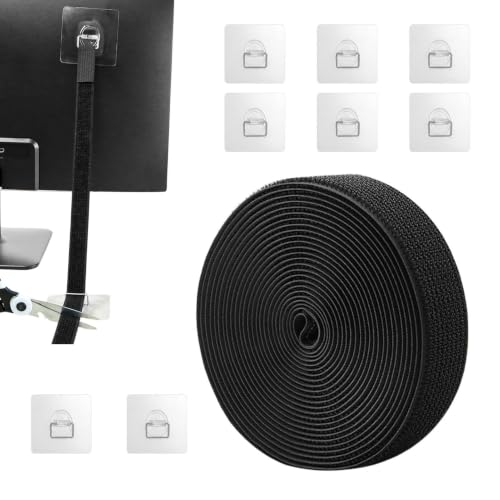
6 Pack Adjustable TV Safety Straps Stainless Steel,Jolliq | Also great | 6-pack · No-drill adhesive · 42 in max | $9.99
Price as of 12 Oct 2026
|
View |
Use this chart to match strap type to the furniture, wall, and living setup you actually have. Load rating matters, but fit, anchor method, and removal needs decide whether the strap will hold when a child climbs or a piece shifts.
For heavy dressers and bookcases, start with wall studs. For rentals or temporary rooms, no-drill adhesive anchors can help, but only on surfaces that stay smooth, clean, and within the product’s stated weight limit.
📊 A no-drill option supports furniture up to 200 pounds. Source: Best Anti Tip Furniture Straps for Childproofing Your Home.
How we chose
We compared four practical factors: load rating margin for top-heavy furniture, anchor style for stud, drywall, plaster, or masonry walls, removal needs for renters and cleaning access, and strap material and buckle design for long-term use.
We also looked for details that matter after installation, not just on the box: whether the kit includes hardware, whether the strap allows quick release, and whether the design fits common furniture shapes such as tall dressers, bookshelves, TV stands, and wardrobes.
DAMILA 304 stainless steel anti-tip furniture anchor kit: best for heavy dressers
- Durable stainless steel construction for heavy-duty use
- Quick-release design for easy furniture rearrangement
- Complete kit includes anchors, screws, and expansion plugs
This is the best fit for tall dressers, wardrobes, and other heavy pieces that stay in place most of the time. The stainless steel build suits a permanent screw-based install, and the quick-release design is useful when you need to move the furniture or clean behind it without starting over.
It includes anchors, screws, and expansion plugs, so you are not piecing together hardware from different boxes. The main drawback is the usual one for stronger anti-tip hardware: it is less convenient than a no-drill option, and it still depends on a proper wall anchor point for full hold.
For a dresser, attach the brackets high on the cabinet body, usually in the upper third, so the strap resists tipping force where the pull is highest. A product guide states that two straps per item are recommended for optimal protection, and taller pieces like dressers often need two straps anchored to wall studs.
Safety 1st TV & furniture safety straps: best for simple universal installs
- Universal straps for TV or furniture securing
- Hand-crafted triple stitching for added strength
- Works in multiple configurations for flexibility
This is a practical pick for households that want a basic strap for a TV stand, bookcase, or lighter dresser without sorting through a lot of hardware choices. The 53 in length and triple stitching make it a flexible option for common room layouts where the furniture sits close to the wall.
The downside is that it is a general-purpose strap, so you still need to match the anchor method to the wall. It is not the best answer for very heavy, top-loaded pieces, and the listing does not point to the same heavy-duty anchor hardware you get with a dedicated metal kit.
If you need one strap to cover a few room types, this is the simpler option. Just keep the load limit of the whole setup in mind, not the strap length alone.
Jolliq no-drill adhesive anti-tip furniture wall anchors: best for rentals
- No-drill adhesive installation for easy setup
- Adjustable length up to 42 inches for versatility
- Wide application for TVs, monitors, and furniture
This is the strongest rental-friendly choice in the group because it avoids screw holes and still gives you adjustable coverage. The no-drill adhesive setup is ideal for renters or temporary rooms, and the strap adjusts up to 42 inches, which helps on shallow cabinets and some media stands.
The tradeoff is capacity. The product data places this no-drill option in a lighter-duty category, and that matters on tall bookshelves, loaded dressers, or any piece with a high center of gravity. Adhesive anchors also depend on smooth, well-prepared surfaces, so textured walls and dusty finishes are poor candidates.
Use this only when the wall surface is suitable and the furniture stays within the stated limit. If the item is heavy, overfilled, or likely to get pulled forward, a stud-mounted strap is the safer path.
Can you use no-drill straps in a rental?
Yes, no-drill furniture straps can work in a rental if the wall surface is smooth, the furniture is within the product’s rated limit, and you are willing to accept lower holding power than a screw-based install. They are best for temporary setups, lighter cabinets, and places where visible holes are not allowed.
Adhesive anchors are not a good match for every rental wall. Textured paint, fragile plaster, old wallpaper, and dusty drywall can all reduce adhesion. Before you buy, check how the strap removes, whether residue is likely, and whether the finish can tolerate cleanup.
Best surfaces for adhesive anchors
Smooth painted drywall and other flat, clean surfaces are the best fit. The bond is more predictable when the wall is dry, non-porous, and free of texture. If the furniture can sit flush without pulling the anchor at an odd angle, the strap has a better chance of staying secure.
When no-drill options are too weak
Skip no-drill anchors for overfilled dressers, tall bookcases, wide wardrobes, or any piece on uneven flooring. Those situations create more tipping force and more movement, which can outmatch a lighter adhesive setup. In those cases, a stud-mounted screw anchor is safer.
Removal and residue checks before you buy
Read the removal notes before purchase. Some adhesive anchors come off cleanly on paper, but leave residue, pull paint, or fail on textured walls. For rentals, low-visibility hardware is useful only if the finish can be restored without damage.
Which strap type fits your furniture?
The right strap depends on furniture geometry, not just weight. A tall narrow dresser needs a different setup than a wide low console, and a media cabinet that holds a TV needs a different strap path than a bookcase with deep shelves. Shape changes how much tipping force the wall anchor must absorb.
Tall narrow dresser versus wide low console
A tall narrow dresser is a stronger candidate for stud-mounted anti-tip straps because the tipping leverage is higher. A wide low console may be stable enough for a simpler strap if the load is lighter and the wall is suitable, but it still benefits from a secure anchor if children can climb on it.
Bookcase versus wardrobe
Bookshelves and wardrobes often need the most careful placement because their height and stored weight stack up quickly. A product guide says taller pieces like bookcases and dressers often require two straps anchored to wall studs. Wardrobes usually deserve the same treatment if the doors or shelves add mass near the top.
TV stand and media cabinet placement
TV stands can tip when a child pulls on the screen or climbs onto the shelf edge. Place the strap near the back upper section of the cabinet, not low on the frame, so the anchor resists the forward rotation that starts at the top.
Decision table: choose by furniture, wall, and living situation
This table maps the safest strap type to the furniture shape, wall material, and living setup. Use it as a first filter, then check the stated load rating and whether the kit includes the hardware you need.
| Furniture type | Wall material | Living situation | Safest strap type | Anchor method | Minimum load rating |
|---|---|---|---|---|---|
| Tall dresser | Drywall with studs | Homeowner, long-term | Anti-tip strap with metal brackets | Screw into wall studs | 400 lbs per set |
| Bookcase | Drywall | Homeowner, permanent room | Anti-tip strap with steel and nylon webbing | Screw into wall studs | 400 lbs per set |
| TV stand | Smooth painted drywall | Rental, temporary setup | No-drill adhesive anchor | Adhesive wall anchor | 200 pounds |
| Wardrobe | Plaster with solid backing | Long-term use | Heavy-duty anti-tip strap | Stud-mounted screw install | 500 lb test strength |
| Leaning mirror | Masonry or solid wall | Temporary or seasonal room | Adjustable strap with secure buckle | Anchored to masonry fastener or solid backing | At least 200 pounds |
Which one should you buy?
If you own the home and can hit studs, buy the DAMILA kit for heavy dressers, wardrobes, and bookcases. Its stainless steel build, included mounting hardware, and quick-release design make it the strongest fit when the furniture stays put most of the time.
If you rent and need low-visibility hardware, the Jolliq no-drill adhesive option is the better starting point, but only for lighter furniture and smooth surfaces. If you need a universal, low-cost strap for a TV stand or mixed-use room, the Safety 1st straps are the simplest pick.
If cleaning access matters, look for a quick-release design that stays locked during use. The release should help you move the piece without forcing you to remove every fastener, and it should not loosen the strap while latched.
If earthquake protection matters too, choose the most secure anchor method your wall allows. Earthquake-resistant anchoring usually favors stud-mounted or solid-wall hardware over adhesive, especially for tall or top-heavy pieces.
What are the best furniture straps for childproofing heavy pieces?
The best furniture straps for heavy pieces are anti-tip straps with metal brackets, strong fasteners, and anchors matched to the wall type. For dressers, bookshelves, wardrobes, and TV stands, a stud-mounted screw install is usually safer than a lighter adhesive setup, especially when the furniture is tall or loaded near the top.
Are anti-tip furniture straps better than furniture anchors?
Anti-tip furniture straps and furniture anchors often do the same job: they tie the furniture to the wall to reduce tipping risk for children and pets. Straps are usually easier to route and adjust, while anchors can feel more rigid. The better choice depends on wall type, furniture shape, and how often you need to move the piece.
How many furniture straps do I need for a dresser or bookcase?
Two straps per item is a common rule for better stability, and one product guide recommends two straps per item for optimal protection. Taller pieces like bookcases and dressers often need two straps anchored to wall studs. Very wide or very heavy pieces may also benefit from a second point of attachment.
What weight rating should childproofing furniture straps have?
For heavy furniture, look beyond the strap itself and check the rating for the full system. Competitor pages in this category range from 200 lb to 500 lb, and higher capacity matters for top-heavy dressers, wardrobes, and bookcases. For the strongest margin, a 400 lbs per set rating or 500 lb test strength is preferable.
Do furniture straps work for earthquakes as well as childproofing?
Yes, they can help in quake-prone homes because the goal is the same: keep tall furniture from shifting or tipping. Earthquake use raises the bar for anchor quality, though, so stud-mounted or solid-wall hardware is usually the better choice. Adhesive-only anchors are less convincing when repeated shaking is part of the risk.
Where do you attach furniture straps on a heavy piece?
Attach the strap high on the furniture body, often in the upper third, because that is where tipping force has the most leverage. On dressers and bookcases, place the bracket toward the back, where it can resist forward rotation without interfering with drawers, doors, or shelf access.
What furniture items should always be strapped to the wall?
Dressers, bookshelves, TV stands, wardrobes, and leaning mirrors should always be considered for wall straps if they are tall, top-heavy, or accessible to children. Any piece that can be climbed, pulled, or loaded unevenly deserves a closer look, especially if drawers are filled or the floor is not perfectly level.
Common failure cases to watch for
Straps can still fail if drawers are overfilled, the floor is uneven, the anchor is installed in weak drywall, or the wall fastener is stripped. In those cases, the strap may hold the body to the wall but still allow tipping force to build where the load is concentrated.
That is why load rating alone is not enough. A 500 lb test strength anchor is not helpful if it is placed in the wrong wall material or attached too low on the furniture to stop forward rotation.
Maintenance and re-tightening schedule
Check the straps after installation, after moving the furniture, and after seasonal changes that can affect wall materials or hardware tension. A simple monthly look is a good habit for childproofed rooms, and any visible slack, tilt, or shifting should be corrected right away.
If the room experiences repeated door slams, heavy drawer use, or minor wall movement, inspect the fasteners more often. Quick-release hardware should still be re-latched firmly after each move or cleaning session, and adhesive anchors should be replaced if the bond weakens.
How to install them correctly
- Choose the anchor method that matches the wall: stud-mounted for strength, adhesive only for suitable rental surfaces.
- Place the bracket high on the furniture, usually in the upper third and toward the back edge.
- Use the recommended number of straps, usually two for taller pieces.
- Tighten the strap until the furniture sits snugly without bowing the wall or pulling the anchor sideways.
- Check that drawers, doors, and cords still move freely after the strap is in place.
Products related to this article
Sponsored / affiliate links. As an Amazon Associate I earn from qualifying purchases. I may earn additional commission from eligible campaigns.