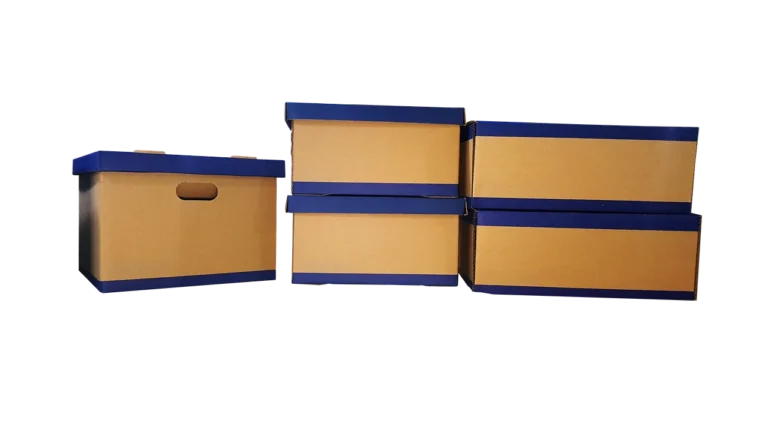
Best Furniture Shipping Boxes (2026): Based on Specs
The best moving boxes for furniture shipping are double-wall corrugated boxes matched to the part you’re packing: wardrobe boxes for hanging pieces, picture or mirror boxes for panels, and small heavy-duty boxes for hardware and legs. Wrong sizing can cause crushing, abrasion, bent corners, and carrier damage claims. This guide shows which box type fits each furniture part and shipping method.
Quick comparison
| Product | Badge | Best for | Price | ||
|---|---|---|---|---|---|
 |
U-Haul Large Moving and Shipping Box Kit, Double-WalledU-Haul | Our pick | 18" x 18" x 24" · 80 lb · 10-box kit | $69.95
Price as of 19 Oct 2026
|
View |
 |
IDL Packaging 2” x 2” x 12” Cardboard Edge Protector (PackIDL Packaging | Pair with it | 2" x 2" x 12" · Corner protectors · Recyclable | $13.51
Price as of 19 Oct 2026
|
View |
Start with the part’s shape, then check the shipping method. A parcel carrier, bus freight desk, and moving container can accept different box sizes and weight limits.
How we chose
This guide weighs four things: crush resistance, furniture-part fit, carrier and storage practicality, and the real cost of a damaged return or replacement. The goal is not the cheapest carton on the shelf. It is the box that protects a long, heavy, or fragile part without creating an oversize or overweight problem.
For most furniture parts, use corrugated moving boxes with double-wall board. That build resists tearing and burst damage better than single-wall board, and flat-shipped bundles are easier to store before packing. For fragile parts, packing paper, bubble wrap, newsprint, and heavy-duty tape matter as much as the box itself.
What box works for heavy furniture parts?
For heavy furniture parts, start with double-wall corrugated boxes. They are the safest default for dense items such as drawer stacks, short rails, and hardware bags because they resist crushing better than single-wall cartons. Large square boxes can work for bulky but lighter parts, yet they become risky when filled with dense wood or metal.
Match the box to load and shape. If the part is long and narrow, a side-loading box can be better than a top-load box. If the part is flat and broad, a picture, mirror, or panel-style carton often beats a generic moving box. For very heavy pieces, a crate may be the better tool.
Double-wall corrugated boxes
Double-wall corrugated boxes are the top default for furniture shipping because they handle flex, stacking pressure, and rougher transit better than single-wall boxes. Stack Moves lists 32-ECT corrugated construction for moving boxes, which is a useful baseline when you want a carton with more edge crush resistance.
Use them for hardware, short legs, drawer stacks, and protected small parts. They are less suitable for very long items that can bow under their own length or for oversized pieces that need a wider opening.
Large square boxes
Large square moving boxes, such as the 30 by 30 by 25 inch class, are better for bulky but lighter furniture parts. They stack well and give you room for mixed cushions, but they are easier to overload than they look. The bigger the box, the more likely a dense part will push the contents over safe handling weight.
Use them for light shelves, padded accessories, or nested soft items. Avoid stuffing them with multiple dense wood parts unless the carton rating clearly supports the load.
When to avoid single-wall boxes
Single-wall boxes are the weaker choice when the part is heavy, hard-edged, or likely to rub through the side. They can still work for very light, low-risk items. They are the wrong pick when you need extra protection against corner crush, seam flexing, or repeated handling.
Picture a 24-inch drawer stack packed into a thin carton with little cushioning. The box may close, but the seams can flex and the corners can buckle after stacking. That is the point where double-wall is worth the extra material.
Side-loading shipping boxes: best for long parts
Side-loading shipping boxes are useful when the part is long, awkward, or needs wide access during packing. Instead of forcing a tall item down through a narrow top, you slide it in from the side and control the fit more precisely. That matters for rails, narrow panels, and parts with awkward profile edges.
They are storage friendly and transit friendly when the contents need to lie flat. The tradeoff is space use: a side-loading box can take up more shelf or van space than a tighter carton, so it is best when access and edge protection matter more than compact storage.
Best uses for rails, legs, and awkward profiles
Rails, chair legs, stretcher bars, and shaped trim pieces fit better when the opening runs along the long edge. You can add padding along the full length instead of forcing the item into a box that is too short or too narrow. That lowers the chance of bent corners and point pressure on a single spot.
For furniture with sharp turn points or carved edges, use paper or bubble wrap around the exposed ends before the side-load carton closes.
Packing limits to watch
Side-loading boxes fail when the contents are too dense for the carton walls or too long for the box body to support. Keep the load balanced. If one end is much heavier, the box can twist during lifting and open a seam.
Do not use a side-loading box as a catchall for mixed furniture parts unless each piece is padded and separated. Long, loose items shift, and shifting is what leads to corner wear and box failure.
Long cardboard boxes: best for smaller components
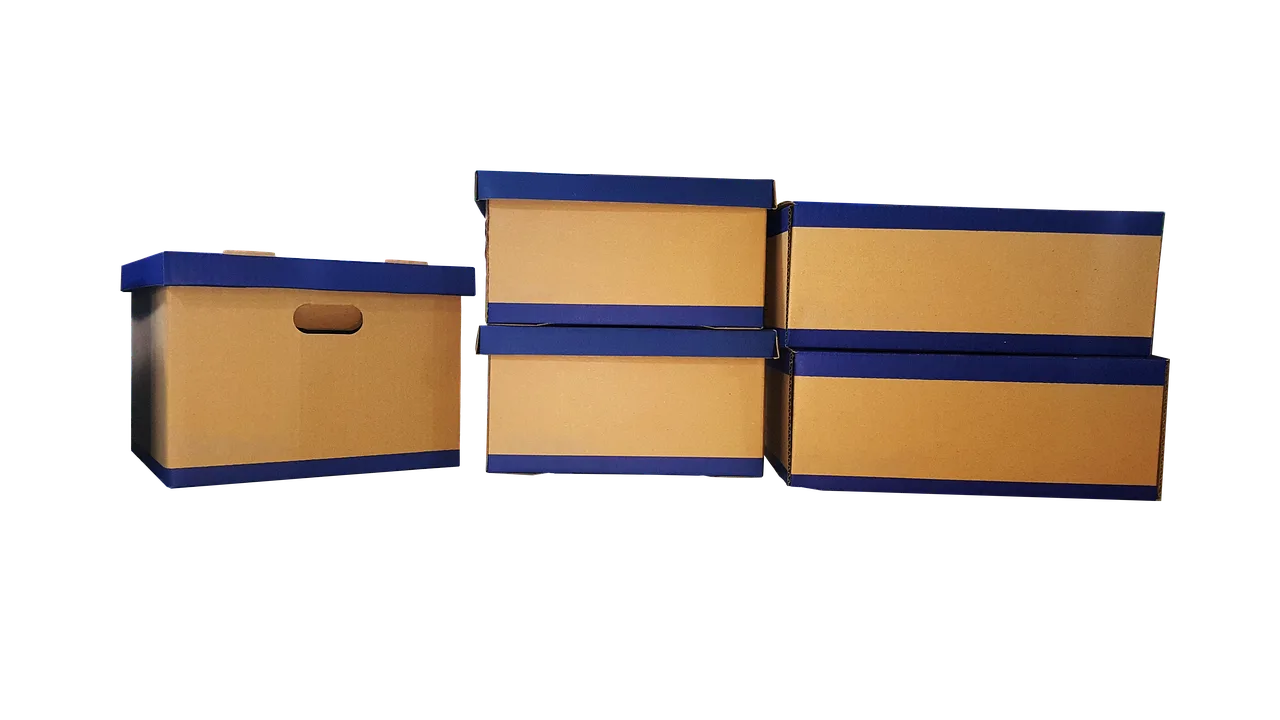
Long cardboard boxes in the approximate 24-inch class are a good fit for smaller furniture components that need length more than volume. They work well for short rails, narrow trim, and some disassembled legs, as long as the carrier accepts the completed box dimensions and weight. Length alone is not enough.
Carrier-compatibility matters because parcel rules can be stricter than moving-container or station shipping rules. Greyhound Package Express recommends a maximum box size of 29 inches high by 47 inches wide by 82 inches long, limits box weight to 100 pounds, and suggests a box limit of five. Those limits do not replace carrier-specific checks, but they show why the box format matters.
Approximate 24-inch class
A 24-inch-class box is often easier to pack and easier to keep under a sensible weight than a larger carton. It is also less likely to invite overfilling. That makes it a practical size for parts that are long enough to need a dedicated carton, but not so long that they need a specialty carton.
Ten Home Things lists a BOX USA side-loading box sized 30 inches long by 5 inches wide by 24 inches high, which shows how narrow long boxes can be when the part shape is the real constraint.
Carrier-compatibility checks
Check the shipping method before you buy the box. Parcel systems can reject oversize cartons, while bus freight and moving-container workflows may allow boxes that parcel networks dislike. Weight also matters. Greyhound limits box weight to 100 pounds and lists station-to-station shipping at about $44 per box, with door-to-door shipping at $168.
If a box is full before the part is properly padded, the carton is too small. If the part slides inside and rattles, the carton may be too large or underfilled. Either problem raises damage risk.
Furniture part decision table
| Furniture part | Recommended box type | Max safe fill | Cushioning | Shipping risk level |
|---|---|---|---|---|
| Tabletops | Picture or mirror box, or side-loading box if the top is narrow | Fill only until the top cannot shift side to side | Heavy-duty tape, packing paper on finish, bubble wrap on corners | High |
| Chair legs | Long cardboard box in the 24-inch class, or side-loading box | Up to a snug single layer with no flex | Paper wrap, corner guards, taped bundles | Medium |
| Cabinet doors | Double-wall corrugated box or panel-style carton | One door per packed layer, separated from hardware | Paper between surfaces, edge protectors, outer wrap | High |
| Shelves | Large square box for light shelves, panel-style carton for wide shelves | No more than a stable stack that does not bow | Paper between boards, bubble wrap on corners | Medium |
| Drawer stacks | Double-wall corrugated moving box | Enough room for padding without forcing the lid closed | Packing paper, light bubble wrap, tape on seams | Medium |
| Small hardware | Small heavy-duty box inside a labeled outer carton | One clearly labeled bundle or divided pouch set | Paper packets, taped bags, internal separation | Low |
Use this table as a sorting step, not a final rule. A cabinet door may be flat, but if the finish is soft or the edge is exposed, the risk rises fast. A hardware bag may be small, but loose screws can punch through thin board if they are not wrapped first.
U-Haul large moving box kit: best for heavy packed parts
This kit is for readers who want a sturdier corrugated option for dense furniture parts and a simple bulk buy. Based on the manufacturer’s specs and published product details, the double-walled build with ECT 48 is the main draw, and the 80 lb capacity suits many disassembled parts better than a light single-wall carton.
It also helps that the boxes include perforated handles, which can make lifting a packed carton less awkward. The drawback is simple: a 18 x 18 x 24 inch box still has size limits, so long tabletops and wide cabinet doors will not fit well, and the kit format may be more than you need for just a few items.
IDL Packaging edge protector: best for corner protection
This is a smart add-on when the furniture part has hard corners or when you need extra edge security inside a carton. Based on the published product details, the 2 x 2 x 12 inch protectors are cuttable and can be used with staple or stretch film setups, which makes them useful for protecting corners from shifting and abrasion.
The drawback is that it is not a box, and it will not solve a poor carton choice by itself. If the part is too heavy for the box, or if the carton is too short, edge protectors only reduce damage risk; they do not fix the load problem.
Which one should you buy?
If you are shipping the heaviest disassembled parts, start with double-wall corrugated moving boxes. If the part is long and awkward, choose side-loading shipping boxes. If the part is bulky but lighter, large square moving boxes usually fit better. Wardrobe-style specialty boxes make sense only when the furniture shipment includes hanging pieces or oversized relocation needs that justify the extra space and cost.
For budget buyers, the cheapest box is not always the cheapest shipment. Add tape, packing paper, and the cost of a replacement if the carton fails. A low-cost box with weak seams can cost more than a stronger carton once damage and reshipment enter the picture.
Say your shipment includes four chair legs, one shelf, and a hardware bag. Split them instead of forcing everything into one large box. That keeps the heavy items from crushing the light parts and makes the carton easier to lift and stack.
Suppose your cabinet door is 28 inches tall and finished on both sides. A side-loading or panel-style carton with edge protection is safer than a square box with excess empty space, because the door needs surface protection more than bulk volume.
Best choice by budget
For cheap sourcing, look for bulk box bundles, moving supply stores, local storage suppliers, and moving-company supply counters. Used boxes can work for dry, light items, but furniture shipping usually needs cleaner board, firmer seams, and more predictable strength. That lowers the risk of a crushed corner or a seam split in transit.
Where can you buy moving boxes for cheap? The best answer is usually from sellers that bundle cartons, tape, and fill together, because single-item pricing often hides the real shipping cost of buying parts separately.
Best choice by part type
Hardware and small fasteners fit best in a small heavy-duty carton with clear labeling. Legs and rails fit better in long boxes. Tabletops, cabinet doors, and shelves need wide, flat protection and should not be forced into a box that bows in the middle. If the part is fragile and flat, a panel-style carton or crate may be the better tool.
When a box is the wrong tool
Choose a furniture blanket, crate, or original manufacturer carton when the part is too large, too valuable, or too fragile for a general moving box. That is especially true for polished surfaces, glass inserts, or pieces that already have a purpose-built carton. A moving box is not the best answer for every furniture part.
Do moving companies provide boxes? Many do, but the supply mix varies by mover and by service level. Ask whether they stock double-wall cartons, specialty cartons, tape, and corner protection before you assume the right size will be available on moving day.
How to ship moving boxes without breaking them
The safest method is to match the box to the part, keep the load within the carton’s rating, and protect every hard edge. Seal all seams with heavy-duty tape, fill voids so contents cannot shift, and keep heavy parts low and centered. Broken boxes usually fail at corners, seams, or overpacked long runs.
- Choose the correct box shape before you pack.
- Wrap the furniture part with packing paper, bubble wrap, or newsprint as needed.
- Use edge protectors on corners and exposed ends.
- Fill empty space so nothing rattles.
- Tape the bottom and top seams with heavy-duty tape.
- Label the box with the part name and orientation.
How do you ship moving boxes without breaking them? Do not rely on tape alone. Flexing seams, crushed corners, and overpacked long boxes are the failure cases to watch. If the carton bends when you lift one end, it is too full or too weak for the contents.
Frequently asked questions
What are the best moving boxes for furniture shipping?
Double-wall corrugated moving boxes are the best all-around choice for most furniture parts because they handle crush and stacking pressure better than single-wall cartons. Use side-loading boxes for long components, long cardboard boxes for shorter rails and legs, and large square boxes only for bulky but lighter pieces.
How do I choose a moving box for heavy furniture parts?
Match the box to the heaviest part, not the largest one. Choose double-wall corrugated construction, check the weight rating, and keep the packed weight within a safe handling range. If the part is dense wood or metal, avoid single-wall cartons and avoid mixed loads that let the heavy piece move around.
Where can I buy moving boxes for cheap?
Cheap usually means bulk bundles, moving-supply stores, warehouse sellers, or mover supply counters. Compare the carton price plus tape, paper, and replacement risk. A lower sticker price is not a bargain if the box is too weak for furniture parts and must be replaced after one shipment.
What is the cheapest way to ship moving boxes?
The cheapest method is usually the one that fits the carrier rules with the fewest surcharges. Keep the box within the carrier’s size and weight limits, avoid oversize cartons, and use station-to-station or depot-style service when that is allowed and practical. Oversized home delivery often costs more.
How do I choose a moving box for fragile furniture pieces?
Pick a double-wall carton with enough depth for cushioning and enough width to prevent pressure points. Add packing paper, bubble wrap, or newsprint around the fragile surface, and use edge protectors on corners. If the part has a polished finish or glass, a specialty carton or crate may be safer.
Do moving companies provide boxes?
Many moving companies sell or supply boxes, but not all offer the same sizes or grades. Ask whether they stock double-wall cartons, specialty boxes, packing paper, and tape. If the furniture part is long or fragile, confirm the exact box dimensions before you rely on the mover’s inventory.
Products related to this article
Sponsored / affiliate links. As an Amazon Associate I earn from qualifying purchases. I may earn additional commission from eligible campaigns.