Best Shipping Boxes for Small Furniture Parts (2026): we compared
The best shipping boxes for small furniture parts are double-wall corrugated boxes, document mailers, and long cartons, picked by part shape: flat panels in flat boxes, rods in long boxes, and hardware in small rigid boxes. I have seen the wrong box bend parts, snap corners, and spill screws, which turns a cheap shipment into a return or replacement. This guide gives a practical packing matrix by part type, shape, fragility, and hardware count.
Quick comparison
| Product | Badge | Best for | Price | ||
|---|---|---|---|---|---|
 |
6 x 2 x 2 Inches Small Shipping Boxes Corrugated PackingYzjcafriz | Budget pick | 6×2×2 · 50 pack · Corrugated cardboard | $17.89
Price as of 2 Oct 2026
|
View |
 |
The Boxery 8.5×14.5" #3 Poly Bubble Mailers 100 Pack,The Boxery | Pair with it | 8.5×14.5 · 100 pack · Poly bubble mailer | $34.95
Price as of 2 Oct 2026
|
View |
 |
Secure Seal – 6x6x4 Pack of 25 Corrugated Cardboard PackingSecure Seal | Our pick | 6×6×4 · 25 pack · 32 ECT corrugated | $20.29
Price as of 2 Oct 2026
|
View |
 |
4" x 6", 100 Pack, Kraft Bubble Mailers Padded ShippingHarper Grove Productions | Upgrade pick | 4×6 · 100 pack · Kraft bubble mailer | $19.49
Price as of 2 Oct 2026
|
View |
 |
SupplyHut 8x8x8 Corrugated Shipping Boxes – Cardboardsupplyhut | Also great | 8×8×8 · 50 pack · Stackable corrugated cube | $50.37
Price as of 2 Oct 2026
|
View |
For small furniture parts, shape should drive the box first, then fragility and hardware count. A long narrow carton fits legs and rails with less void space; a cube box suits knobs, feet, and bracket sets; a furniture box with right-size dimensions is the safer pick when the part needs 3″ to 5″ of padding room on every side.
According to How to pack and ship furniture – FedEx — FedEx notes that shipments over 150 lbs. may require freight solutions for business shippers.
How we chose these boxes
The comparison is built around fit, edge protection, shipping cost, and how well each box handles mixed hardware. FedEx lists a furniture box or crate for furniture under 150 lbs., recommends extra cardboard, and warns that box size affects shipping price because it can be based on size and weight.
The other filter is failure risk. Long parts need straight walls, small hardware needs a rigid cavity, and fragile finishes need a buffer so bubble packaging or tape never sits directly on a delicate surface. If the part shape is awkward, I usually split it into two labeled sub-boxes instead of one overloaded carton.
Long narrow box: best for legs and rails
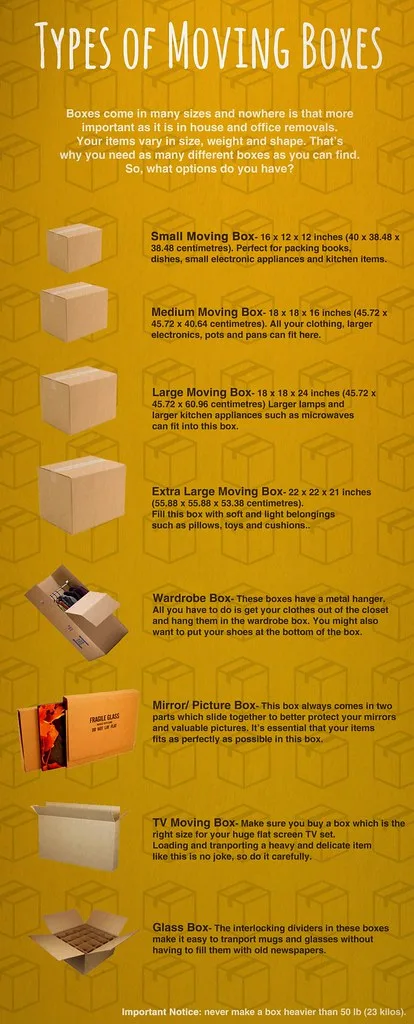
This 6 x 2 x 2 inch corrugated box works best for table legs, stretcher bars, and slim rails that need a tight channel instead of a roomy cube. It suits high-volume sellers moving one part at a time, and the low unit cost helps when the same part ships over and over.
The main strength is fit. A narrow box keeps long pieces from drifting sideways, which cuts edge rub and corner crush. The drawback is obvious: it is too small for padded leg sets, wrapped hardware bundles, or anything with knobs or brackets attached.
Why it works for slim parts
Long cartons reduce dead space around rods and rails, so the part does not rattle into the sidewall during transit. For small furniture parts under 150 lbs., that tighter geometry pairs well with a furniture box or an outer corrugated box when the shipment needs a second shell.
When to add foam padding or corner covers
Use foam padding around legs, arms, and corners, but put a paper or cardboard layer between the foam and any finished surface. Cardboard corner covers help when the part has sharp edges, lacquer, or a profile that can rub through wrap during a rough sort.
How to bag and tape hardware inside
Put knobs, screws, and brackets into a small sealable bag, then tape that bag to an inconspicuous area inside the box. That keeps the bag from migrating to the end of the carton and puncturing the finish or getting separated from the part set.
Cube box: best for knobs, feet, and small hardware sets
This 6 x 6 x 4 inch corrugated box appears to be a cleaner fit for knobs, feet, shelf pegs, handles, and small bracket sets. Based on the listed interior dimensions, it gives a rigid pocket for compact parts without forcing them into a padded envelope that can collapse under pressure.
The drawback is that cube boxes invite overpacking. If the parts are long, oddly shaped, or wrapped in too much bubble packaging, the load starts pushing against the seams and corners instead of sitting in a stable block.
What fits without overpacking
Use a cube box when the contents are small enough to sit flat in one layer with packing paper or a slim wrap around each piece. It works well for mixed hardware if the set is bagged first and then cushioned so the bag cannot shift and grind against plated finishes.
How much packing paper and bubble packaging to use
Start with packing paper on any surface that can mark, then add bubble packaging around removable parts or fragile components. FedEx advises not to put bubble packaging or packing tape directly on delicate surfaces, so the paper layer should come first whenever the finish is soft or polished.
When a cube box is too large
If the part can slide more than a finger’s width after wrapping, the cube box is too large. Extra space raises the chance of movement, and FedEx notes that box size affects shipping price because it can be based on size and weight, so oversizing can cost twice.
Multi-depth box: best for mixed parts in one shipment
This 8 x 8 x 8 corrugated cube appears to be a good choice for mixed parts that need separate wraps inside one carton. It gives a stackable shell for a small set of legs, brackets, and hardware, and the 32 lb breaking strength helps with heavier furniture components.
The drawback is dimensional waste. A cube box can be larger than the actual pieces need, so it should be chosen only when the contents are varied enough that a long narrow carton would force awkward bends or a split shipment.
When mixed shapes need separate wraps inside one carton
Use a multi-depth box when one shipment includes a short rail, a few feet, and a hardware bag that all need different wrap thicknesses. Separate each piece with packing paper or foam padding, then keep the heaviest item centered so the lighter parts do not get crushed.
How to keep parts from shifting
Fill empty spaces with extra cardboard and tight cushioning so the load cannot slide to one corner. For protruding parts, protect edges and corners with foam padding or cardboard corner covers before the outer wrap goes on, because loose corners are the first thing to scuff.
When to split into labeled sub-boxes instead
Split into labeled sub-boxes when a mixed set has one fragile piece, one oily hardware bag, and one long part that would force the box to be oversized. That approach keeps the shipping cost tied to actual volume and makes damage claims easier to sort later.
Packing matrix: 10 common furniture parts and the right box
Use this matrix when the part shape, finish, and hardware count all matter. It combines the box style, the minimum internal clearance to target, the cushion to use first, and whether the hardware should be bagged separately or taped inside the package.
| Part | Best box style | Minimum internal clearance | Recommended cushioning | Hardware handling |
|---|---|---|---|---|
| Legs | Long narrow box | 3″ to 5″ total around the wrapped leg | Foam padding on ends, packing paper on finish | Bag separately, tape inside |
| Drawer pulls | Cube box | 3″ total | Packing paper, then bubble packaging | Bag separately |
| Knobs | Small rigid cube box | 3″ total | Bubble packaging around each knob | Bag separately |
| Brackets | Cube box | 3″ to 4″ total | Packing paper with a light foam pad | Bag separately |
| Feet | Cube box | 3″ total | Foam padding on edges | Bag separately |
| Handles | Long narrow box | 3″ to 5″ total | Packing paper, then bubble packaging | Bag separately |
| Table leaves | Multi-depth box or furniture box | 4″ to 5″ total | Packing paper plus cardboard corner covers | Tape hardware inside if present |
| Shelf pegs | Small cube box | 3″ total | Bubble packaging in a sealed inner bag | Bag separately |
| Bed rails | Long narrow box | 3″ to 5″ total | Foam padding on ends and corners | Tape hardware bag inside |
| Arm caps or corner blocks | Multi-depth box | 4″ total | Foam padding with cardboard corner covers | Bag separately if removable |
Use this rule when deciding between one box and two: if the parts need different levels of protection, separate them into labeled sub-boxes. If the set can sit still with one cushion type and one hardware bag, keep it together and protect the delicate piece first.
Which one should you buy
Buy the long narrow box when you are shipping one slim piece, especially legs, rails, or handles. Buy the cube box when the order is mostly knobs, feet, or small hardware sets. Buy the multi-depth cube when the shipment mixes shapes and each piece needs its own wrap.
If the part is under 150 lbs. and needs a second layer, use an outer corrugated box around the packed inner carton. If the part has a delicate finish, start with packing paper, then add bubble packaging or foam padding, never bare tape on the surface. If shipping cost is tight, avoid oversizing because box size affects shipping price.
For resale sellers, the safest split is: one bag for hardware, one wrapped part, one box. For movers, the safer split is to keep attached parts with the main piece only when they can be immobilized and the corner load stays below crush risk.
Frequently asked questions
What is the best shipping box for small furniture parts?
A double-wall corrugated furniture box is the safest choice for fragile or mixed parts, while a long carton is better for slim pieces and a cube box is better for small hardware. FedEx lists a furniture box or crate for furniture under 150 lbs., plus extra cardboard for added support.
What box size should I use for furniture hardware and legs?
Use a box that leaves 3″ to 5″ of padding room on every side of the wrapped part. For legs and rails, that usually means a long narrow carton; for knobs, screws, and brackets, a small rigid cube box is usually the cleaner fit.
Should I ship small furniture parts together or separately?
Ship them together only when the parts can be wrapped to the same padding level and kept from shifting. Split them when one piece is fragile, one is sharp, or one hardware set would make the carton oversized. Labeled sub-boxes reduce mix-ups and damage claims.
How do I pack knobs, screws, and brackets so they do not get lost?
Put them in a small sealable bag, seal it fully, then tape the bag to an inconspicuous area inside the package. FedEx specifically recommends this, and it keeps the hardware with the shipment even if the outer wrap tears or the box gets reopened.
What cushioning should I use inside a box for furniture parts?
Use packing paper first on delicate finishes, then add foam padding for edges and corners or bubble packaging for removable parts. FedEx advises foam padding or bubble packaging, and warns not to place either directly on delicate surfaces without a barrier.
How much extra room should I leave for padding around furniture parts?
Leave 3″ to 5″ of padding room to each dimension when the part needs a full protective wrap. That clearance is enough for paper, foam, and a hardware bag without forcing the item against the box wall or turning the package into a loose, rattling load.
Products related to this article
Sponsored / affiliate links. As an Amazon Associate I earn from qualifying purchases. I may earn additional commission from eligible campaigns.