3 Best Shipping Boxes for Picture Frames (2026): research shows
For picture frames, a common choice is a double-wall corrugated box sized to the frame, with about 2 inches of edge padding; for glass, use a box plus corner blocks and a rigid insert, and consider triple-wall on longer or rough lanes. I have seen bad box choices lead to cracked glass, crushed corners, returns, and refund losses. This guide shows a protection-first way to choose frame boxes by fragility and shipping risk, with packing rules for standard, glazed, and high-value frames.
This guide is part of our Shipping costs and USPS postage rates series.
Quick picks
For mixed shipping, the best default is a double-wall corrugated picture frame box because it takes corner hits, stacking pressure, and longer transit better than a light single-wall box. For glass-heavy frames, use reinforced corners plus a rigid insert. For short local moves, a light single-wall box can be enough.
- Best overall: double-wall corrugated picture frame box for mixed-use shipping
- Best for glass-heavy frames: reinforced box with corner protectors and inserts
- Best for long-distance lanes: higher ECT box with edge protectors
- Best budget pick: single-wall box for light frames and short routes
According to theboxology.us — The page offers picture frame boxes with low MOQ starting at 10 units.
How we chose
This selection method starts with protection, not dimensions. Frame weight, glazing type, and lane risk come before size.
The main checks were crush resistance, corner and edge protection, flute type, ECT rating, and whether the fit needs standard sizing or custom sizing. Corrugated picture frame boxes are the base choice because they are recyclable, can be built with reinforced corners and edges, and can be paired with corner protectors, edge protectors, and corrugated padding inserts when the frame is fragile.
For seller-side choices, the page also notes low MOQ starting at 10 units, turnaround time of 8–15 business days, free shipping across the USA, and sizes customizable every dimension. Those matters help ordering, but they do not decide protection by themselves.

Which box type is best for your frame?
The best box type depends on frame weight, glazing, and the route. Single-wall can work for light, low-risk frames on short lanes. Double-wall is the safer default for heavier frames, glass-front frames, and stacked shipments. For long or rough lanes, stronger corrugated builds and tighter fit control matter more than nominal size.
Single-wall corrugated boxes: when they work
Single-wall corrugated boxes fit light prints, photos, and thin frames that are shipped locally and handled gently. They are easier to recycle and usually cheaper, but the thinner wall gives less crush resistance and less edge protection when a carton gets loaded under other parcels.
Use single-wall only when the frame is light, the glazing is acrylic or otherwise low risk, and the box can be fit closely with minimal void space. If the frame has glass, deep mats, or protruding hardware, single-wall becomes a weaker choice fast.
Double-wall corrugated boxes: when the extra crush resistance pays off
Double-wall boxes are often a better fit for heavier frames, longer lanes, and parcels that may be stacked. The added corrugation layers improve compression resistance and help corners hold shape when the shipment gets squeezed in transit.
That extra wall also gives more margin for edge protectors and inserts. The tradeoff is bulk and cost, but the lower damage risk usually pays for itself on glass-front or high-value frames.
Flute selection: how cushioning and compression change
Flute type changes two things at once: cushioning and stacking strength. A larger flute gives more air space for impact buffering, while a tighter flute pack can improve carton rigidity and help the box hold shape under load.
For framed art, the box should not feel springy in the wrong places. The best build is the one that resists corner crush while still leaving enough internal cushion to stop the frame from rattling against the wall.
Lamination and coating: when matte or gloss helps with scuffs
Matte or gloss lamination can help the outer face resist handling marks and scuffing during storage or delivery. It does not replace good corrugated construction, but it can reduce visible wear when cartons are reused or moved through rougher warehouse conditions.
For picture frame shipments, coating matters most on premium boxes that are handled often. If the shipment will be unpacked once and discarded, a plain kraft corrugated box is often the more practical choice.
Best box builds by frame type
Match the build to the frame, not the other way around. That is where damage prevention becomes predictable.
Light prints and photos
Light prints and photos usually do well in single-wall corrugated boxes with a snug fit and minimal void space. If the glazing is acrylic, the risk is more about scuffing and corner dings than glass breakage, so simple edge control and a clean wrap are often enough.
Framed art with mats
Matted frames need a box that accounts for extra depth and a little more pressure on the face panel. A double-wall box is the safer choice when the mat is thick or the frame is larger, because the pack must resist flex without transferring force into the glass or print surface.
Glass-front frames
Glass-front frames need the most protection. Use a double-wall corrugated box, corner protectors, and a rigid insert or corrugated padding insert so the glass does not sit loose inside the carton.
Oversize or heavy frames
Oversize or heavy frames should move into stronger corrugated builds, especially when the lane includes hubs, long storage, or repeated stacking. At that point, ECT rating and box wall strength matter as much as the fit.
What size shipping box do I need for a picture frame?

You need a box that fits the frame’s outer dimensions plus room for protective layers, not a box sized only to the artwork face. Measure the full outside height, width, and depth, then add space for corner protectors, wrap, and a little insertion tolerance so the frame does not bind during loading.
For a simple wrapped frame, the box should leave enough room for a protective layer on each side without letting the frame drift. If the mat is deep or the frame profile is bulky, size from the outside edge of the assembly, not from the image opening.
Allowance for wrap, corner protectors, and inserts
A practical allowance is enough space for the frame to slide in with its corner blocks and an insert without squeezing the glazing. If the box is too tight, the corners get crushed on entry. If it is too loose, the frame shifts and the glass takes the hit.
How mats and deep frame profiles change the fit
Deep mats and shadow-box profiles eat internal space quickly. That is why custom sizing helps when a standard box leaves awkward voids near the edges or the back panel.
Why too much empty space raises breakage risk
Empty space lets the frame build momentum inside the carton. The impact moves from one edge to another, and the glass or print face gets the shock instead of the corrugated wall.
When custom sizing is the safer call
Custom sizing is safer when the frame is irregular, glazed, deep, or shipped often. The page notes sizes can be customized every dimension, which matters because a made-to-fit carton reduces movement and cuts down on filler waste.
Proof table: choose by frame, glazing, and shipping lane
| Frame type | Glazing type | Shipping lane | Recommended box build | Insert or protector choice | Clearance allowance | ECT target |
|---|---|---|---|---|---|---|
| Light print | Acrylic or no glass | Short local route | Single-wall corrugated, snug fit | Light wrap, optional edge pads | Small, just enough for wrap | Lower ECT acceptable if stacking is light |
| Matted frame | Glass | Regional parcel lane | Double-wall corrugated | Corner protectors plus corrugated insert | Moderate, to clear mat depth and wrap | Match to frame weight and stack risk |
| Glass-front frame | Glass | Long-distance parcel lane | Double-wall, reinforced corners and edges | Corner protectors, edge protectors, rigid insert | Moderate, controlled so the frame cannot shift | Higher ECT for stacking and load pressure |
| Oversize frame | Glass or acrylic | Long route or freight | Heavier corrugated build, consider custom sizing | Edge protectors and full padding insert | Tight fit with room for protective layers | Highest practical ECT for the lane |
How much clearance should you leave?
Leave enough clearance for wrap, corner protectors, and any insert, but not so much that the frame can rattle. Too little clearance creates pressure on the corners and glass. Too much clearance creates movement, and movement is what usually turns a small hit into a broken shipment.
Do picture frame boxes need corner protectors or inserts?
Yes, in many cases they do. Corner protectors handle impact at the most break-prone points, edge protectors reduce scuffing and side crush, and corrugated padding inserts stop the frame from shifting. Glass-heavy shipments benefit the most from using all three together.
Corner protectors: best use cases
Corner protectors are most useful for glass-heavy shipments, deep frames, and any order that will move through multiple handling points. They absorb localized knocks and keep the frame corners from bearing the full hit.
Edge protectors: when scuffing becomes the main risk
Edge protectors help when the frame has painted edges, fragile finish work, or longer lanes where rubbing and side pressure are common. They also help when the carton is likely to sit in a stack.
Corrugated padding inserts: how they stop shifting
Corrugated padding inserts fill clearance gaps and keep the frame centered. That matters because loose movement can stress the glass even if the outer carton never looks badly damaged.
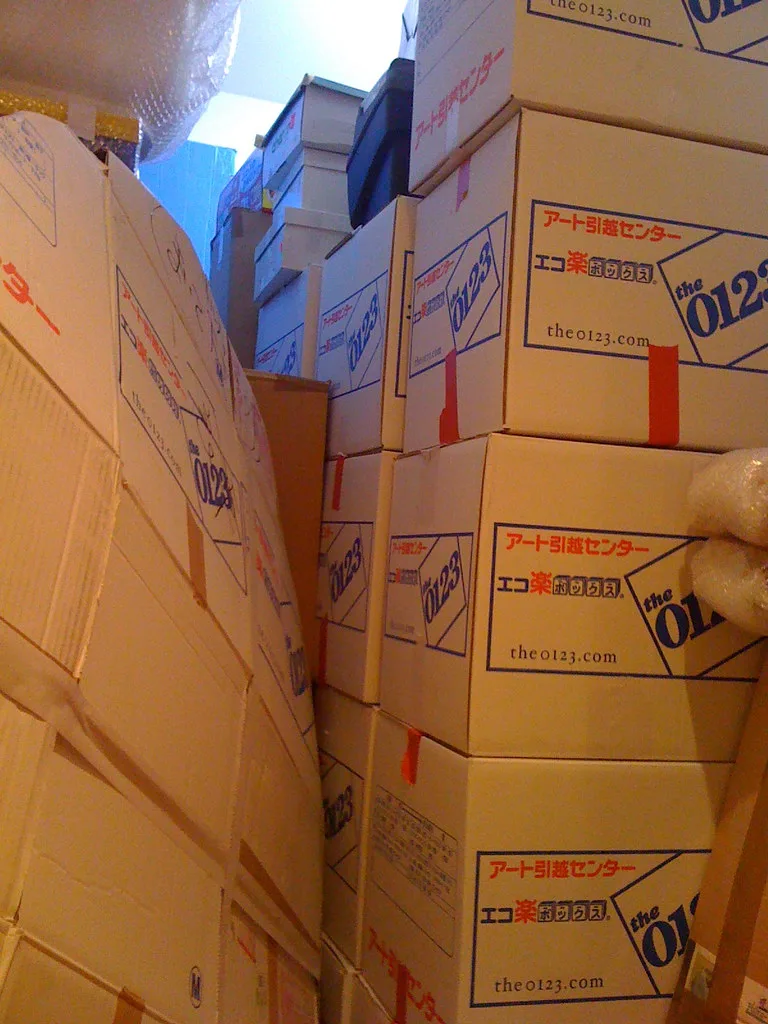
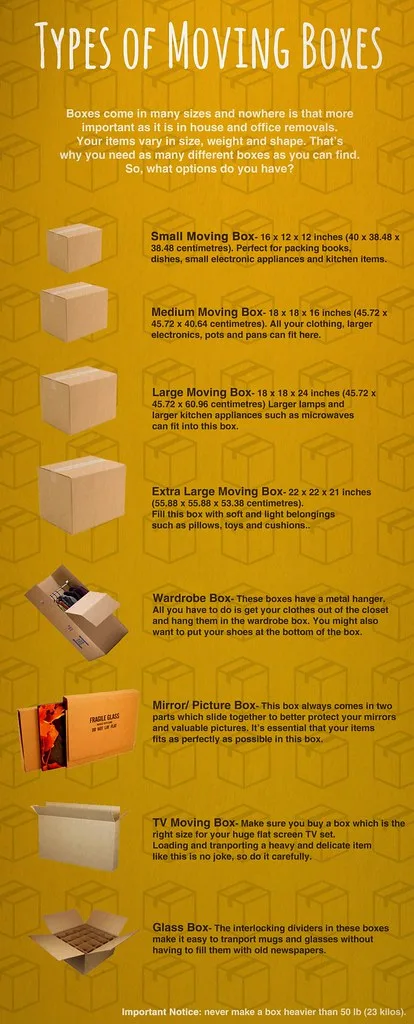
When a standard moving box is the wrong substitute
Standard moving boxes are usually too generic for framed glass items. They can be too loose, too weak at the corners, or wrong in depth, which means the frame and glazing take more force than they should.
Are double-wall boxes better for shipping picture frames?
Double-wall boxes are better for many picture frames because they resist crush, support stacking, and give more margin for protective inserts. They are especially useful for heavier frames, glass-front pieces, and long lanes where package handling is less predictable than a local handoff.
The tradeoff is cost and bulk, but the damage risk usually drops enough to justify the upgrade. For light prints going a short distance, single-wall can still be acceptable. For anything fragile, double-wall is the safer baseline.
How do I protect glass in a picture frame when shipping?
Protect glass with a rigid outer box, corner protectors, and a filler that prevents movement. The goal is not just to cushion the face; it is to stop the glass from flexing, rubbing, or taking a direct shock from the box wall.
- Wrap the frame face and protect the corners.
- Add edge protection where the profile can scrape.
- Place the frame in a snug corrugated box with a rigid insert.
- Fill any remaining gaps so the frame cannot shift.
- Seal the carton so the contents stay centered during transit.
What is the best corrugated thickness for picture frame shipping boxes?

The best corrugated thickness depends on frame weight, glazing, and route length. For light frames and short routes, single-wall corrugated may be enough. For heavier frames, glass-front pieces, and longer lanes, double-wall is the better choice because it improves compression resistance and corner support.
Paper stock options from 10pt to 75pt are listed on the page, and that range signals how much the build can vary for different protection targets. For shipping frames, the box should be selected for load and crush control first, then fit.
Which one should you buy?
Buy the lightest box that still protects the frame for the lane you are using. Short local shipping can justify a single-wall option. Glass-heavy, high-value, or long-distance shipments should move to double-wall with corner protection and inserts.
For irregular sizes, custom sizing is usually the safer choice. The page notes size customization every dimension, recyclable frame boxes in kraft corrugated board, optional frame corner protectors, optional frame edge protectors, and corrugated padding inserts for glass-heavy shipments. It also states quantities range from 10 to 500,0000+ and turnaround time is 8–15 business days, with free shipping across the USA.
Tatuo 5 Pack 24 x 20 x 2 in Picture Frame Shipping Boxes for 16 x 20 Frames: best for snug-fit standard frames

This is a strong fit for 16×20 frames that need less room for movement. The narrow design helps reduce extra filler space, and the three-layer heavy corrugated build gives it more stiffness than a basic single-wall carton.
The main drawback is that it is sized for a specific frame use case, so it is less flexible for odd depths, heavy mats, or mixed inventory. Based on the spec sheet and owner feedback, it suits sellers who ship the same frame size repeatedly.
BOX USA Large Mirror Box 30”L x 3.5”W x 40”H: best for adjustable sizing flexibility

This box is best for movers and sellers who need a 4-piece adjustable design and a recyclable option for oversized framed pieces. The stated ECT-32 strength and 65 lbs capacity make it a practical pick when the shipment is large but not extremely fragile.
The drawback is that an adjustable box is not as precisely supportive as a custom-fit frame carton, so void filling becomes more important. Based on the spec sheet and reviews, it is a flexible general-purpose solution rather than a dedicated fine-art pack.
Choice Shipping Supplies 36 x 24 x 12 Heavy-Duty Double Wall Boxes: best for heavy-duty lanes

This is the best fit when the lane is rough, the frame is heavy, or stacking pressure is likely. The double-wall kraft corrugated build and ECT-48 rating point to stronger compression performance than lighter cartons.
The drawback is size and bulk, which can waste material on smaller frames unless the interior is carefully filled. Based on specs and reviews, it is better for protection-first shipping than for budget-sensitive light items.
Frienda Picture Frame Corner Protectors: best for glass-heavy shipments

These are useful when corner impact is the main threat. The foam corners are meant to absorb shocks at the most vulnerable points, and they fit 1.5-inch frames, which makes them practical for many common frame profiles.
The drawback is that they are only one part of the pack-out. They do not stop shifting by themselves, so they work best with a rigid box and an insert. Based on the spec sheet and owner feedback, they are a smart add-on rather than a standalone fix.
SPESFUTA 11×14 Black Deep Shadow Box Picture Frame with HD Clear Glass: best for evaluating frame depth and glazing risk

This is the most useful pick when you need a real-world example of a deeper frame with glass. The 1.57-inch depth and thickened genuine glass panel make it a good model for understanding why clearance and corner protection matter.
The drawback is that it is a frame, not a shipping carton, so it does not solve the packaging problem by itself. Based on the spec sheet, it is most relevant for shippers who need to pack shadow-box style frames more carefully than flat prints.
Frequently asked questions
Can I ship picture frames in standard moving boxes?
Sometimes, but they are usually not the best choice for framed glass items. Standard moving boxes are often too generic in depth and stiffness, so they can leave gaps or allow corner crush. A purpose-built picture frame carton gives better fit control and usually better protection.
Products related to this article
Sponsored / affiliate links. As an Amazon Associate I earn from qualifying purchases. I may earn additional commission from eligible campaigns.