Best Shipping Boxes for Lamps: What to Use Safely
For many lamps, a good choice is a double-wall box with molded inserts and about 2 inches of cushioning. It balances fit, crush resistance, and movement control. Tall, heavy, or glass-shaded lamps usually do better in a two-box system. Bad packaging leads to cracked bases, broken harps, dented shades, and refunds. This guide compares lamp box types, inserts, and protection levels by lamp type, base weight, shade fragility, and shipping distance.
Best shipping boxes for lamps: quick picks
The best shipping box for a lamp is the one that matches the lamp’s failure mode first. A heavy ceramic base needs crush resistance. A delicate shade needs space control. A long trip through multiple carriers needs stronger board and tighter inserts than a local parcel run.
Quick picks by lamp need
- Standard table lamp: double-wall corrugated box with molded pulp or fitted cardboard inserts.
- Tall floor lamp: custom-sized double-wall box or two-box pack with separated pole and shade sections.
- Fragile shade or glass body: double-box setup, inner box for the lamp and outer box for impact control.
- Oddly shaped lamp: custom lamp box with shape-compatible insert and extra void fill.
- Retail presentation box: rigid stock or paperboard outer packaging, then ship in a protective corrugated mailer.
Quick picks by box construction
| Best for | Box construction | Insert style | Main reason to choose it |
|---|---|---|---|
| Small table lamps | Single-wall corrugated E-flute | Die-cut cardboard or molded pulp | Lightweight protection for compact shipments |
| Midweight table lamps | Double-wall corrugated B-flute | Molded pulp or chipboard support | Better crush resistance for transit handling |
| Floor lamps | Double-wall corrugated C-flute | Multi-piece internal support | Bulkier protection for height and extra reach |
| Luxury retail lamps | Rigid stock outer box, then ship-rated corrugated outer box | Foam or formed board insert | Presentation plus shipping safety |
Which lamp shipping box should you buy?
Buy the box that matches the lamp’s shape, weight, and breakage risk. A standard table lamp usually fits a corrugated box with a snug insert. A tall floor lamp often needs a custom box or a two-box pack. If the shade is glass or oversized, treat the shade as the first failure point and choose extra space control.
Top pick by lamp type
For most table lamps, a double-wall corrugated box with a molded insert is the safest default. For floor lamps, a stronger corrugated box with internal bracing usually works better, because long shafts bend and rub more easily than short lamp bodies. For lamps with fragile shades, the shade needs its own cavity or its own box.
Top pick by shipping distance
Local shipments can sometimes use lighter corrugated builds if the lamp is small, the route is short, and handling is simple. Longer shipping routes raise the risk of crush, drop, and vibration damage. The farther the lamp travels, the less forgiving the packaging should be.
Top pick by breakage risk
If the base is heavy, use a stronger board and a tighter insert. If the shade is fragile, separate it from the body. If the lamp has loose hardware, remove and bag it before packing. The packaging choice should protect the part most likely to fail.
When to choose custom sizing
Custom lamp boxes are worth it when the lamp has an unusual silhouette, a wide base, a fixed shade, or a premium selling price. Custom lamp boxes can be fully customized for size, shape, coating, and print. That matters when stock sizing leaves too much movement or forces compression on the shade or harp.
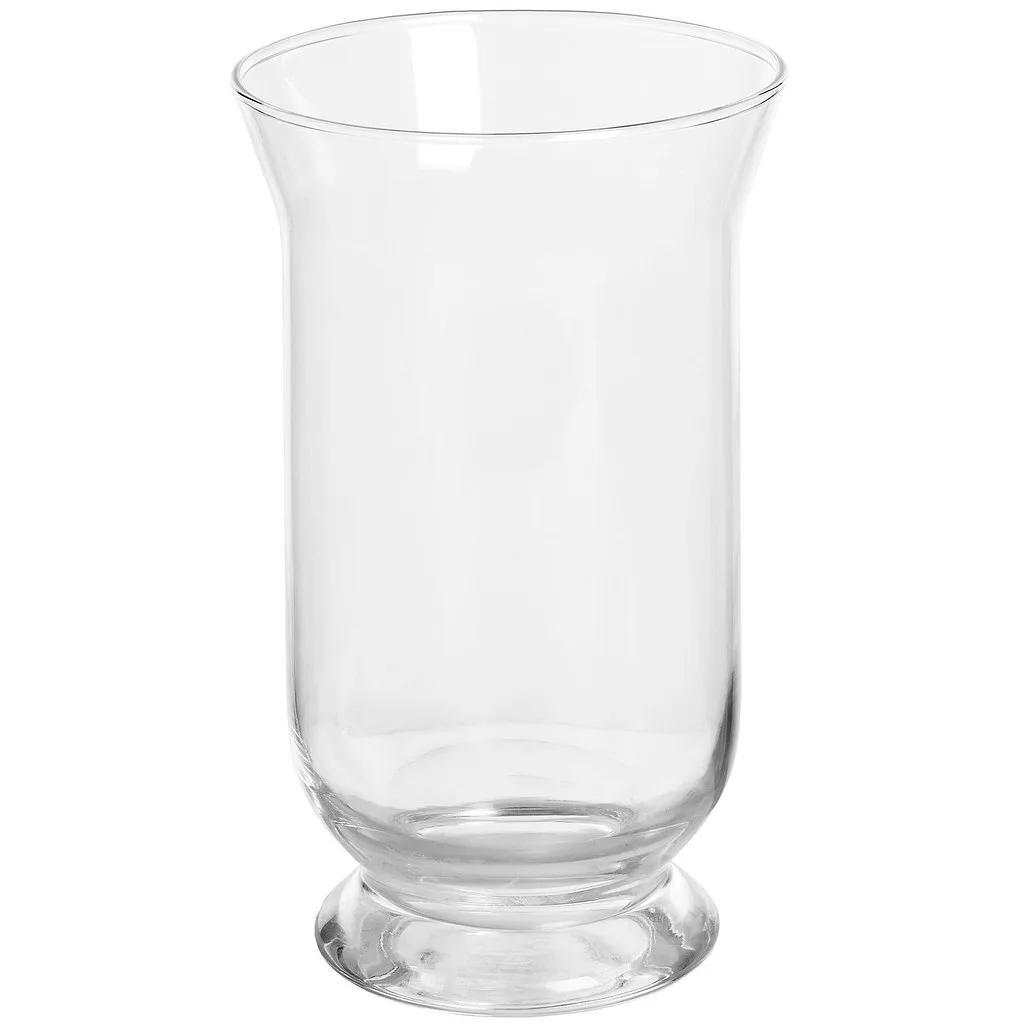
How to size a lamp box so it actually fits
Measure the lamp’s height, widest point, and base depth before choosing a box. Add room for wrap, inserts, and disassembly. A snug fit is the goal, but not a squeezed fit. Too much empty space lets the lamp shift. Too little space crushes the shade or bends hardware.
Measure height, widest point, and base depth
Use the lamp’s tallest assembled height for planning, then note the widest part of the shade or base. If the lamp disassembles, measure the tallest packed component, not the full assembled height. Base depth matters because a deep base needs a box that does not pinch the bottom edge.
Allow space for inserts and wrap
Protective wrap, edge pads, and molded inserts all consume interior room. A box that fits the bare lamp may be too tight once protection is added. The right fit leaves enough room to build a stable cushion around the base, stem, and shade without forcing pressure onto fragile points.
Check shape compatibility before ordering
Round shades, square bases, and arched stems behave differently in transit. Shape compatibility matters as much as raw size. A box can be long enough and still fail if the insert cannot stop the lamp from twisting, leaning, or crushing the shade seam.
Avoid loose fit and compression
Loose fit causes rattling. Compression causes dents. Both create damage. If the lamp can slide more than a little inside the pack, the box is too large or the insert is too weak. If the shade touches the wall under pressure, the box is too small.
Should I use a regular box or a double-walled box for shipping a lamp?
Use a regular single-wall box for small, light lamps with simple shapes and short transit routes. Use a double-walled box when the lamp is heavier, taller, glassier, or shipping farther. The main question is not box type alone; it is whether the lamp can survive crush, drop, and vibration without shifting.
When single-wall corrugated works
Single-wall corrugated can work for light table lamps, compact bases, and short trips with controlled handling. Lamp packaging may use corrugated E-flute board. E-flute is a lighter protective option, so it fits lower-risk shipments better than heavier builds. It is less forgiving when the lamp has a heavy base or fragile hardware.
When double-wall is the safer choice
Double-wall is the safer call for most shipping lamps. Lamp packaging may use corrugated B-flute board. Lamp packaging may use corrugated C-flute board. B-flute gives added strength. C-flute gives bulkier protection. Both are better when the lamp has more mass, more height, or more parts that can shift.
How carrier handling changes the answer
Carrier handling matters because the box may be stacked, dropped, or routed through more than one hub. BigCommerce says shipping is a major source of cost for businesses. BigCommerce notes that shipping can involve warehouses and delivery partners. More handoffs usually mean more damage risk, so the box should be built for the rougher route, not the ideal one.
Weight thresholds to watch
Exact weight cutoffs vary by lamp design, but the logic stays the same. Light lamps can use lighter board if the shape is simple. Once the base feels dense, the shade is wide, or the stem is long, the safer move is stronger corrugated board and better internal support.
Best box materials for lamps by protection level
Corrugated board is the main shipping choice. Paperboard and rigid stock are better for retail presentation or secondary packaging. The right material depends on whether the box is meant to survive parcel handling, sit on a shelf, or do both jobs in sequence.
Corrugated E-flute for lighter lamps
E-flute is the lighter corrugated option. It works best for small, lower-risk lamps where presentation and weight matter, but the route is short and the lamp is easy to separate into parts. It is a practical choice when the base is not dense and the shade can be protected without much crush load.
Corrugated B-flute for added strength
B-flute gives more structure than lighter board. It is a solid middle ground for table lamps that need better crush resistance but do not justify a bulky build. For many ecommerce lamp shipments, this is the first material that feels truly shipment-ready rather than merely box-shaped.
Corrugated C-flute for bulkier protection
C-flute is the heavier, bulkier option. It makes sense for floor lamps, heavy bases, and fragile assemblies that need extra wall thickness. The tradeoff is size and shipping cost, but the lamp gets more protection from stack pressure and knocks during transit.
Rigid stock and paperboard for retail packaging
Rigid stock options listed for lamp boxes include 22pt rigid stock. Another rigid packaging option listed is 60–100 pt rigid stock. Rigid stock works best for premium presentation, not for rough parcel abuse on its own. Paperboard and cardstock are better for retail sleeves, gift boxes, and shelf-ready packaging than for direct ship protection.
Kraft brown paperboard for cost-sensitive orders
Kraft brown paperboard is one of the listed lamp box materials. It gives a plain, practical look and works when the order needs cost control more than a luxury finish. It is best when paired with a stronger shipper box, because appearance alone does not stop impact damage.
What the decision table says for each lamp type
This table maps lamp type to breakage risk, box construction, insert style, and the first failure points to control. It is the fastest way to avoid buying a box by material alone and missing the real problem.
| Lamp type | Disassembly level | Breakage risk | Recommended box construction | Insert type | Minimum packing steps | Common failure points |
|---|---|---|---|---|---|---|
| Table lamp | Shade, bulb, and harp removed | Medium | Double-wall B-flute | Molded pulp or die-cut cardboard | Wrap base, bag hardware, brace stem, cushion top and bottom | Cracked base, bent harp, loose socket parts |
| Floor lamp | Pole in sections | High | Double-wall C-flute | Multi-piece corrugated support | Separate poles, protect joints, keep shade off the shaft | Flex damage, scuffed finish, crushed corners |
| Glass or ceramic lamp | Fully disassembled where possible | High | Double-wall B-flute or two-box system | Formed board or foam insert | Double wrap body, isolate shade, fill all voids | Broken shade, body crack, impact at base lip |
| Oddly shaped or multi-part lamp | Partial disassembly only | Very high | Custom-sized corrugated box | Custom insert cut to shape | Measure every projection, block movement, label fragile points | Twist damage, torn packaging, loose hardware |
Common failure points and what prevents them
Broken shades usually come from compression or side impact, so the shade needs its own space and support. Bent harps happen when the upper section moves inside the box. Cracked bases happen when a heavy bottom shifts and strikes the wall. Loose hardware fails when it is left inside the main cavity instead of bagged and blocked.
Do lamps need inserts when shipping?
Yes. Lamps need inserts when shipping because inserts stop movement, keep weight centered, and reduce point impact on fragile parts. Without an insert, even a strong box can let the lamp slide, tilt, or slam into the wall. The insert is what turns a box into a controlled package.
Protective inserts that stop movement
The supplier specifically notes lamps are fragile and often uniquely shaped. The supplier says lamp packaging can be built with secure inserts and impact-resistant layers. That is the right direction. A secure insert keeps the base from bouncing and keeps the shade from collapsing into the stem.
Insert choices for shades, bases, and hardware
Molded pulp works well for many table lamps. Formed cardboard is useful when the shape is more regular. Foam makes sense when the lamp has delicate finish work or sharp protrusions. Chipboard can support smaller accessory parts, but it should not be the only defense for a heavy lamp body.
Minimum packing steps for fragile lamps
- Remove the bulb, harp, and loose hardware.
- Wrap the base and stem separately.
- Place the lamp in a fitted insert with no side shift.
- Pad the top and bottom so the lamp cannot settle.
- Pack the shade in its own protected cavity or box.
How coatings, finishes, and carrier handling affect the choice
Coatings and finishes change handling, appearance, and scuff resistance, but they do not replace proper box strength. Matte, gloss, soft touch, and spot UV all affect retail presentation more than parcel survival. The shipping box still needs the right board and insert underneath.
Matte, gloss, soft touch, and spot UV
Matte lamination is one of the listed finishing options. Gloss lamination is one of the listed finishing options. Spot UV coating is one of the listed finishing options. Soft touch lamination is useful when the lamp ships as a premium retail item, because it gives a softer handfeel, but it should sit on top of a real protective structure.
Retail presentation versus shipping durability
Retail packaging and shipping packaging should be separated when the lamp is expensive or delicate. A rigid or paperboard presentation box can live inside a corrugated shipper. That keeps the shelf-facing package clean while the outer box takes the abuse of carriers and hubs.
Carrier timing, rough handling, and damage risk
Longer transit times mean more handoffs and more chances for the box to be dropped or stacked badly. Fast delivery helps, but the packaging still needs to survive delay. If the route involves warehouses and delivery partners, plan for handling, not just transport.
How do I ship a fragile table lamp without breaking it?
Ship a fragile table lamp by removing every loose part, using a fitted insert, and boxing the shade separately if it is at risk. A double-wall box is usually the safer choice. The goal is to stop the base from shifting, keep the harp straight, and prevent the shade from taking side pressure.
Minimum packing sequence for fragile table lamps
- Separate bulb, harp, shade, and hardware.
- Bag small parts so they cannot scratch the finish.
- Wrap the base with cushioning that does not slip.
- Seat the lamp in a snug insert.
- Fill all voids so nothing can rattle.
Are custom lamp boxes worth it for ecommerce shipping?
Custom lamp boxes are worth it when the lamp is odd-shaped, valuable, or expensive to replace. They are also worth it when stock boxes leave too much void space or force the seller to overpack with extra filler. For standard lamps, stock sizing may be enough. For irregular forms, custom fit usually pays off in fewer breaks.
When custom sizing makes sense
Choose custom sizing when the lamp has a wide decorative base, a fixed shade, multiple detachable pieces, or an awkward silhouette. Custom lamp boxes can be fully customized for size, shape, coating, and print. That matters most when the lamp cannot be packed safely in a generic rectangle.
When stock packaging is better
Stock packaging is better for predictable lamp shapes, low-value replacements, and routine ecommerce fulfillment. It is usually cheaper and faster to source. If the lamp fits a proven box size with a proper insert, custom work may add cost without adding much protection.
What box type is best for oddly shaped lamps?
Oddly shaped lamps usually need a custom corrugated box with a shape-matched insert. If the lamp has projections, curves, or a fixed shade, a standard rectangle can leave weak spots where the lamp shifts or presses through. A two-box system is often the safer answer for unusual shapes.
Shape compatibility matters most
The box must fit the lamp’s actual geometry, not only its height. Extra corners, handles, arches, and wide shade arms create stress points. If the insert cannot support those points, the box should be redesigned rather than padded harder.
How much protection do lamps need in transit?
Lamps need enough protection to prevent movement, absorb drop shock, and keep fragile parts from touching the outer wall. The right level depends on the lamp’s weight, shade material, disassembly level, and shipping distance. More breakable parts and longer routes mean more protection.
How to choose
Start with the failure mode. If the base is heavy, choose stronger corrugated board. If the shade is fragile, separate it. If the lamp is oddly shaped, order custom sizing. If the lamp is meant to look premium on arrival, keep retail packaging separate from the shipper and protect both layers.
Frequently asked questions
What size shipping box do I need for a lamp?
Measure the lamp’s height, widest point, and base depth, then add room for wrap and inserts. The right box is snug, not tight. If the lamp disassembles, size the box for the tallest packed component, not the assembled height. Extra space should be planned for protection, not left empty.
What packing material is best for a lamp?
For shipping, corrugated board is usually the best core material, with B-flute or C-flute used when more strength is needed. E-flute can work for lighter lamps. For retail presentation, rigid stock, paperboard, cardstock, and chipboard can help, but they should not replace shipment-grade protection when damage risk is real.
Products related to this article
Sponsored / affiliate links. As an Amazon Associate I earn from qualifying purchases. I may earn additional commission from eligible campaigns.