Best Box Resizers for Shipping Savings (2026): we compared
A manual box resizer can be a good starting point for low-volume shipping because it trims carton size only when the smaller box still leaves roughly 2 inches of cushioning for fragile items and may reduce dimensional weight enough to justify the extra labor. Resize badly, and you can spend more on damage claims, packing time, tape, and carrier surcharges than you save on postage. This guide compares box-resizing tools and shows when reducing carton size actually lowers shipping cost.
This guide is part of our Shipping costs and USPS postage rates series.
Quick comparison
| Product | Badge | Best for | Price | ||
|---|---|---|---|---|---|
 |
MDJ by Excell Box Resizer with Safety Blade Cover & ScoringModuJoah | Our pick | ModuJoah Box Resizer with Safety Blade Cover | $26.99
Price as of 13 Oct 2026
|
View |
 |
Box Resizer Tool with Scoring Wheel – Utility KnifeAll in Box One Resizer | Budget pick | All in Box One Resizer Tool | $16.88
Price as of 13 Oct 2026
|
View |
 |
Slice – 10400 Box Cutter, 3 Position Manual Button withSlice | Also great | Slice 10400 Box Cutter with Ceramic Blade | $13.40
Price as of 13 Oct 2026
|
View |
 |
ICO by Excell Professional Box Resizer Tool – CardboardICO | Upgrade pick | ICO Professional Box Resizer Tool | $20.49
Price as of 13 Oct 2026
|
View |
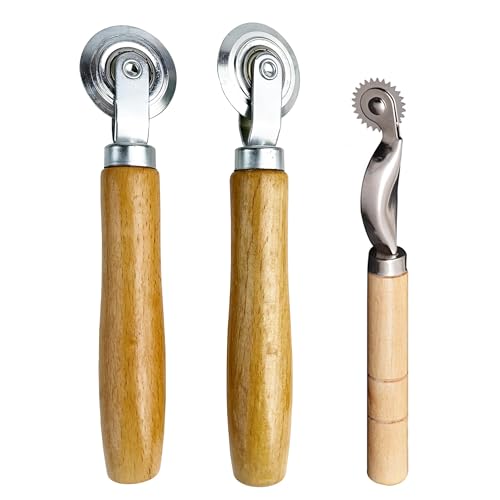 |
Box Resizer Tool Kit, Pack of 3 Scoring Tools with 1 PPTeyvayen | Pair with it | Teyvayen Box Resizer Tool Kit, Pack of 3 | $11.65
Price as of 13 Oct 2026
|
View |
Manual tools give you the most control on mixed carton sizes. They are usually the safest choice for small teams. Powered options matter more on packing lines where repeatable score lines and speed justify the higher setup cost.
How we chose
We compared corrugated compatibility, blade depth control, safety features, tape and seam reinforcement needs, and the chance that a smaller carton would beat the labor time needed to resize it.
The main savings driver is dimensional weight. Carrier pricing often uses length × width × height ÷ divisor, and the divisor changes by carrier and service level. A carton that drops one dimension can still bill the same if it does not cross the next weight band, so size alone is not enough.
| Item type | Box material | Carrier surcharge risk | Right resize method |
|---|---|---|---|
| Light apparel or soft goods | Single-wall corrugated | Low | Manual score-and-fold resize; tape seams only |
| Framed decor or ceramics | Single-wall or double-wall with inserts | Medium | Resize only if you can keep 2 inches of clearance; otherwise switch carton size or double-box |
| Heavy books, tools, or dense parts | Double-wall corrugated | High | Powered scorer or leave carton uncut if wall strength is already near the limit |
| Returns with mixed contents | Single-wall corrugated | Medium | Resize only after measuring item stack height and void fill volume |

MDJ by Excell box resizer: best for low-volume carton downsizing
- Create the perfect size box every time
- Ideal for retail, online sellers and warehouses
- Heavy-duty construction with safety in mind
This manual-style resizer fits small shipping teams, retail back rooms, and online sellers that need to right-size a carton without moving to a full packing line. The safety blade cover and scoring wheel make it practical for corrugated cardboard, especially when you want controlled score-and-fold work on standard flute grades.
What stands out is the focus on safe trimming and repeatable score lines. That matters when you are reducing a box rather than just opening one. The drawback is simple: manual tools still depend on operator skill, so they are slower on high-volume runs and less forgiving on thick double-wall cartons.
ICO by Excell professional box resizer: best for deeper cartons
- Right-sizes your packaging to reduce dimensional weight
- Industrial box sizer handles boxes up to 10 inches deep
- Heavy-duty box scorer tool constructed with metal components
This is the strongest fit when you need to resize deeper corrugated cartons and want a dedicated scorer rather than a general cutter. Based on the spec sheet and reviews, the protective blade guard and metal components point to a more industrial setup for e-commerce packing and storage work.
The main advantage is the ability to right-size boxes up to 10 inches deep, which helps when dimensional weight is driven by excess headspace. The drawback is that it is more specialized than a simple knife-and-ruler setup, so it makes less sense for occasional one-off jobs.
All in Box One resizer tool: best for mixed-use packing stations
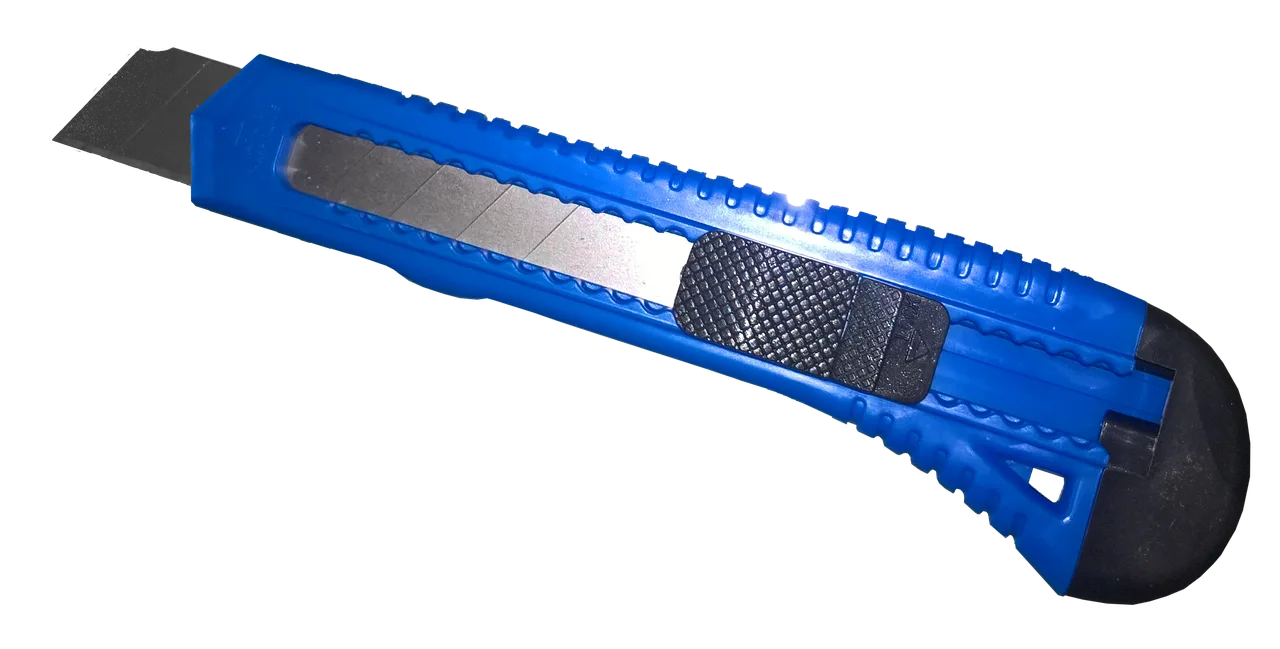
- Featuring utility knife blade and metal scoring wheel
- All-in-one multi-use tool for custom shipping boxes
- Can be used as a package opener or box cutter
This tool fits a station that needs both a scoring wheel and a utility knife blade in one body. That makes it useful for carton reduction, package opening, and light corrugated cutting where one tool has to do several jobs.
The drawback is the tradeoff built into the design. Multi-use tools rarely feel as purpose-built as a dedicated scorer, and a knife-style edge asks for more care around blade depth and seam work on thin cartons.
Slice 10400 box cutter: best for safer cutting control
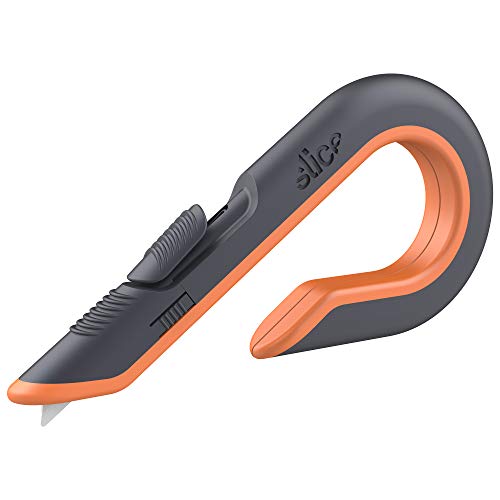
- 3-position manual slider button allows blade to stay locked
- Zirconium oxide ceramic blade with rounded tip for safety
- Designed primarily for cutting corrugated packaging and boxes
This is the best fit when you need a box cutter more than a scorer, especially for trimming corrugated packaging with a safer blade profile. The rounded ceramic blade and locking positions are useful where blade exposure and accidental puncture are the main concerns.
The drawback is that it is not a full box-resizing tool on its own. It helps with cuts, but you still need a ruler, scoring plan, and tape workflow if you are actually downsizing a carton.
Teyvayen box resizer tool kit: best for low-cost starter setups
- Include 1/16, 1/32, and tooth scribing wheel
- Ergonomic solid wood handle ensures safe grip
- High-precision rollers enable smooth scoring on corrugated cardboard
This kit suits budget buyers who want a few scoring options instead of one fixed wheel. The different scoring wheels can be useful on corrugated cardboard when you are matching the cut to the carton’s surface and trying to keep fold lines clean.
The drawback is that lower-cost kits can put more of the safety and consistency burden on the user. They are better for light-duty resizing than for repeat heavy cartons or high-speed packing lanes.
How dimensional weight changes the best choice
Dimensional weight affects the best choice because carriers may bill by package volume instead of actual weight once a carton gets large enough. If trimming length, width, or height lowers the billed weight band, a resizer can pay for itself; if not, a smaller carton or different packing method may be smarter.
Before/after dimensional-weight worksheet
| Field | Before resizing | After resizing |
|---|---|---|
| Length | 18 in | 14 in |
| Width | 12 in | 10 in |
| Height | 10 in | 8 in |
| Dimensional volume | 2,160 in³ | 1,120 in³ |
| Carrier divisor | Use your service divisor | Use your service divisor |
| Billed weight | Volume ÷ divisor | Volume ÷ divisor |
If the new billed weight stays in the same price band, the labor may not be worth it. Picture a 20 × 16 × 12 carton holding a 4-pound decor piece: trimming the box helps only if the smaller footprint also reduces void fill and keeps the carton within carrier limits.
Suppose a seller ships folded throws in a 16 × 12 × 10 box. If a 14 × 10 × 8 resize still leaves too much movement, the smaller carton is not the fix; switching to a different carton size or using kraft paper to stabilize the load may save more time.
What to check before you resize a carton
Check the carton grade, item weight, and clearance before you cut. Single-wall corrugated is easier to resize, while double-wall cartons hold up better after scoring but need more care because every cut weakens the structure and can reduce reuse potential.
Flute type matters too. Cutting across flutes can leave a cleaner fold line, but aggressive blade depth can crush the board. That risk is higher on heavy items, awkward shapes, and shipments that already sit close to carrier size limits.
- Measure the item, including padding, in all three directions.
- Confirm the carton still leaves about 2 inches of cushioning for fragile goods.
- Check carrier maximum dimensions and service-specific size rules.
- Inspect seam strength and choose tape width that matches the load.
- Decide whether the carton can be resized without voiding a claim or warranty requirement.
Shipping labels should stay flat and fully legible after resizing. If the new folds cover barcodes, crush the label area, or push the carton outside carrier limits, a smaller box can become a rejected shipment instead of a cheaper one.
Which one should you buy
Buy the MDJ by Excell manual resizer if you ship a few cartons a week and want a controlled tool for standard corrugated downsizing. Choose the ICO by Excell model if you work with deeper cartons or need more industrial construction.
Pick the All in Box One tool if you want one station tool for opening, scoring, and light trimming. Choose Slice 10400 if safety and blade control matter more than full resizer features, and choose the Teyvayen kit if you need the lowest upfront cost and can accept more operator skill.
A decision table helps more than a blanket recommendation:
| If your shipment is… | Use this method | Why |
|---|---|---|
| Light and non-fragile | Manual score-and-fold | Lower labor, lower risk, and often enough to cut dimensional weight |
| Fragile decor or glass | Resize only with double-boxing or edge protection | Maintains drop resistance and item-to-box clearance |
| Heavy or awkward | Use a stronger carton or leave the original box | Cut cartons lose integrity faster under load |
| Loose fill would exceed the size savings | Use void fill instead of resizing | Kraft paper, bubble wrap, or air pillows can control movement better than a risky cut |
Common mistakes are easy to spot. Overcutting the flap line weakens the carton, too little tape on the new seam invites failure, and using a resized box for a fragile item without edge protection can lead to crushed corners.
One prevention step matters: keep a simple carton log with the original size, resized size, and final billed weight. That makes it easier to see when resizing actually saves money and when it only adds labor.
Frequently asked questions
What is a box resizer tool and how does it work?
A box resizer tool scores corrugated cardboard so you can fold a carton down to a smaller height or footprint. Manual versions rely on a wheel or blade depth setting; powered versions do the scoring faster. The cut should match the flute grade and leave enough board strength for the load.
How do I know if a box is too large for my item?
If the item shifts when you close the flaps, the box is too large. A practical check is whether you can keep about 2 inches of cushioning on fragile items without packing in so much filler that the carton becomes wasteful or misses a lower dimensional-weight band.
When should I downsize a shipping box instead of using filler?
Downsize when the void is mostly empty air and the smaller carton will lower the billed weight or reduce carrier surcharges. Use filler when the item needs stabilization, edge protection, or shock absorption that a smaller box cannot provide without increasing breakage risk.
How does box resizing affect dimensional weight charges?
It changes the volume term in the billing formula. A smaller length, width, or height lowers the package’s cubic size, which can drop the billable weight if the new number crosses a carrier threshold. Check the service divisor before you cut, because it varies by carrier and service level.
What tools do I need to safely cut and resize corrugated boxes?
Use a box resizer or utility knife with a controlled blade length, a ruler or straightedge, and packing tape wide enough to reinforce the new seams. Replace blades before they tear the corrugation instead of scoring it cleanly, and use H-taping on the bottom and top flaps after the resize.
What box sizes are best for fragile items after resizing?
Choose a carton that leaves enough room for edge protection, corner protection, and a consistent cushion zone around the item. For many fragile goods, a resized single-wall box works only if the item is light; heavier decor or breakables often need double-boxing and a stronger carton grade instead.
Products related to this article
Sponsored / affiliate links. As an Amazon Associate I earn from qualifying purchases. I may earn additional commission from eligible campaigns.