Bathroom Cleaning and Maintenance
Use a simple bathroom cleaning and maintenance cadence: brief daily wipe-downs, an around-30-minute weekly sanitize-and-scrub, and a monthly check of grout, caulk, drains, fans, and shutoff valves; if a stain, leak, odor, or loose fixture comes back after a couple of cleanings, treat it as a repair. I have seen what happens when that rhythm slips from maintaining my own bathrooms and helping with rental-turnover and move-out cleaning checklists: soap scum hardens, mildew spreads, finishes go dull, water damage grows, and turnover cleaning takes longer and costs more. This guide lays out each task by schedule, matches products to surfaces, and marks the point where cleaning stops working.
My method here is practical first and source-checked second: I use first-hand maintenance routines that have held up in family and guest baths, then cross-check the cadence against CDC guidance on routine cleaning and disinfection of high-touch surfaces, EPA requirements to follow each disinfectant label and contact time, and residential ventilation guidance such as ASHRAE 62.2 and common code targets for local bathroom exhaust.
Bathroom cleaning vs bathroom maintenance


What counts as cleaning work
Cleaning work removes soil, residue, and germs from surfaces people touch or splash every day. In a bathroom, that means wiping counters, drying glass, scrubbing the toilet bowl, disinfecting flush levers and switches, and removing soap film before it hardens.
These jobs repeat by nature. They reset hygiene and appearance, but they do not fix a weak fan, a loose toilet, failing caulk, or a drain trap that keeps producing odor.
What counts as maintenance work
Maintenance work is prevention, inspection, adjustment, and minor repair. It includes cleaning a fan grille, checking whether caulk has gaps, pulling and rinsing a faucet aerator, testing shutoff valves, watching for ghost flushing, and replacing parts that cleaning cannot correct.
I use a plain rule: if the task deals with wear, moisture movement, airflow, sealing, or hardware function, it belongs under maintenance.
Why readers searching this topic usually need both
Many ranking pages drift into design. One HGTV bathroom inspiration page includes 99 bathroom ideas, and that page was updated on March 31, 2026. That helps with looks, not upkeep. For upkeep, the more useful references are public-health and building guidance: CDC recommends routine cleaning of high-touch surfaces, EPA says disinfectants should be used exactly as their labels direct, and bathroom moisture control depends on effective exhaust ventilation rather than finish claims alone.
Material choices still matter. A bathroom with fewer grout lines and more non-porous wall area is usually easier to keep up. Still, routine ownership comes down to cadence. Even systems marketed as low-maintenance still need daily drying, weekly sanitation, and monthly inspection around seams, drains, valves, and fans.
According to hgtv.com — HGTV’s bathroom inspiration page includes 99 bathroom ideas.
Deciding Between Refinishing and Replacing Your Bathtub
Before committing to a full bathroom overhaul, it is critical to determine whether a simple surface restoration or a complete fixture swap is the more economical choice. A standard refinishing project typically costs a few hundred dollars, whereas replacing a tub can range from the low thousands to significantly higher prices depending on the model. The right decision hinges on the underlying structural integrity of your existing tub; sound surfaces are candidates for refinishing, while rust-through, deep cracks, or plumbing damage necessitate replacement.
Skipping proper surface preparation during a refinishing job often leads to peeling coats and hidden leaks, ultimately resulting in higher long-term costs. Understanding these variables helps you avoid budget surprises. Explore the detailed breakdown of professional installation fees, DIY kit viability, and specific tub condition metrics in bathtub refinishing cost analysis to make a data-driven decision that aligns with your renovation goals.
How often should a home bathroom be cleaned?
Most home bathrooms need a quick daily reset after the last shower or bedtime routine, a weekly scrub of the toilet and bathing surfaces, and a monthly preventive check. That cadence lines up with how public-health guidance treats bathrooms: routine cleaning for frequently touched surfaces, more frequent cleaning when a room is used heavily, and label-directed disinfection when you are sanitizing touch points like flush handles, faucet levers, and switches. I tighten the schedule when several people share the room, kids miss the bowl, hard water leaves scale, or the fan cannot clear humidity fast. A guest bath can run lighter, but it still needs monthly water, odor, and dust checks.
A baseline schedule for low-, medium-, and high-use bathrooms
Low use: guest bath or powder room. Wipe sink and flush handle after use spikes, scrub weekly if recently used by guests, and do a monthly run-and-check so traps do not dry out and odor does not creep back.
Medium use: one or two adults. Daily counter and faucet wipe, weekly toilet and shower cleaning, monthly fan and grout inspection.
High use: family bath, kids’ bath, shared hall bath. Daily wipe-downs matter here because dried toothpaste, urine splash, and product film turn into heavy scrubbing fast. Weekly sanitation is the floor, not the ceiling.
What changes the cadence
Usage is only part of it. Hard water calls for more frequent descaling on bowls, shower glass, and faucets. Poor ventilation calls for stricter drying habits and fan cleaning. Multiple users multiply fingerprints on handles, switches, faucet levers, and counters.
If mildew returns between weekly cleanings, the schedule is no longer the issue. Move to airflow, moisture source, or failed seal inspection.
When a guest bathroom can run on a lighter schedule
A guest bathroom can skip some weekly scrubbing when unused, but it should not be ignored. Run water at the sink, tub, or shower during the monthly check, flush the toilet, wipe dust off the fan grille, and inspect for ring stains, dried trap odor, and slow seepage around the base.
What bathroom tasks should be daily, weekly, and monthly?
Daily bathroom tasks should wipe away sink splash, toothpaste spit, shower water, and fingerprints on handles before they dry into film or feed mildew. Weekly tasks should sanitize and scrub bowls, shower surfaces, and handles. Monthly tasks should inspect airflow, seals, drains, and hidden wear. Seasonal checks then catch issues like failing caulk, weak fans, and stiff shutoff valves.
Daily wipe-down and reset tasks
- Wipe sink basin, faucet handles, and counter with a finish-safe cleaner.
- Dry shower glass, tile, or solid panels with a squeegee or towel after the last shower.
- Spot-wipe the toilet seat, flush lever, and rim edge.
- Check the floor around the toilet and tub for splash or drips.
- Run the fan after bathing and leave the door open if privacy allows.
I get the best follow-through when daily tasks belong to the last user at night or the person using the bathroom most often.
Weekly sanitation and scrubbing tasks
Clean the toilet bowl, disinfect the seat, lid, handle, and base, scrub the shower or tub, wipe high-touch surfaces, and rinse product buildup from ledges and shelving. Shelves and niches are helpful, but those spots still collect residue and need direct cleaning.
Weekly is also the right time to sanitize the toilet brush holder, clear hair from the drain cover, and wipe the outside of the fan grille if it shows dust.
Monthly preventive care and inspection tasks
Monthly work is where maintenance begins. Remove and rinse the faucet aerator, inspect grout and caulk for gaps, descale hard-water marks, clean the fan cover more thoroughly, test for soft flooring near wet areas, and check shutoff valves for stiffness or minor seepage.
If a bathroom has painted walls, wipe splash zones gently and inspect for bubbling or recurring spotting near the ceiling line.
Seasonal checks to add to the schedule
Each season, look behind the toilet supply line, under the sink, and at ceiling corners. Confirm the fan actually exhausts moisture instead of only making noise. If a fan remains dirty, noisy, or weak after cleaning, replacement belongs on the repair list.
The bathroom maintenance matrix

How to use the matrix
Use the matrix as a household assignment tool. Each row names the task, how often to do it, why it matters, what tool or product fits the surface, and the trigger that means cleaning has stopped being enough. Start with the version that matches how the bathroom is used.
Family bathroom version
| Task | Frequency | Purpose | Tool/product | Escalation trigger |
|---|---|---|---|---|
| Wipe sink, counter, faucet handles | Daily | Remove toothpaste, splash, skin oils | Non-abrasive cleaner, microfiber cloth | Water under faucet base or finish pitting |
| Squeegee shower walls and glass | Daily | Reduce soap film and spotting | Squeegee, dry towel | Residue returns within a day or caulk stays damp |
| Spot-clean toilet seat, lid, handle, base | Daily | Control high-touch soil and splash | Disinfectant labeled for the surface | Wobble, seepage, or odor at base |
| Scrub toilet bowl | Weekly | Remove ring and film | Bowl cleaner, toilet brush | Hard-water stain remains after two cleanings |
| Clean tub/shower surfaces | Weekly | Remove soap scum and body-oil film | Non-abrasive cleaner or descaler as needed | Mildew returns quickly or grout stays dark |
| Disinfect switches, knobs, pulls | Weekly | Address high-touch surfaces | Disinfectant, soft cloth | Finish wears off or switch plate loosens |
| Sanitize toilet brush and holder | Weekly | Prevent re-soiling and odor | Disinfectant, rinse water | Persistent odor from holder after cleaning |
| Clean aerator and inspect drain | Monthly | Restore flow and prevent odor | Warm water, brush, descaler if compatible | Flow stays weak or drain remains slow |
| Inspect grout, caulk, fan, valves | Monthly | Catch moisture failures early | Flashlight, dry cloth, vacuum brush | Cracks, soft spots, fan noise, valve seepage |
Guest bathroom version
| Task | Frequency | Purpose | Tool/product | Escalation trigger |
|---|---|---|---|---|
| Dust counter, faucet, fan grille | Monthly | Stop dust-plus-moisture film | Dry microfiber, vacuum brush | Fan grille heavily loaded again soon |
| Run water and flush toilet | Monthly | Keep traps wet and parts moving | Plain water | Odor, weak refill, or tank runs on |
| Clean bowl, seat, sink before and after guests | Per stay | Reset sanitation | Disinfectant, bowl cleaner | Ring stains or base odor remain |
| Inspect caulk, grout, under-sink area | Seasonal | Catch hidden leaks in low-use rooms | Flashlight, dry tissue | Staining, softness, or rust marks appear |
Rental bathroom version
| Task | Frequency | Purpose | Tool/product | Escalation trigger |
|---|---|---|---|---|
| Document condition of caulk, grout, fixtures | Turnover | Separate wear from damage | Checklist, photos | Cracks, missing grout, corrosion |
| Deep-clean toilet, tub, sink, floor edges | Turnover | Reset sanitation and inspection access | Disinfectant, non-abrasive cleaner, descaler | Stains remain or odor returns after vacancy clean |
| Clean fan cover and test airflow | Turnover and seasonal | Reduce moisture complaints | Vacuum brush, mild cleaner | Fan hums but airflow feels weak |
| Clear aerators and drains | Monthly in occupied units or turnover | Reduce service calls for low flow and odor | Brush, warm water, hair tool | Repeated clogs or corrosion at fittings |
Budgeting for a Bathroom Remodel Without Surprises
Bathroom remodel costs range from a simple refresh to a full gut job, and the biggest price jumps happen when plumbing moves, a tub converts to a tiled shower, or the layout changes. Missing those triggers often leads to change orders and blown budgets before work even begins.
Understanding the difference between refresh, midrange, and high-end scopes helps you spot where expenses accelerate so you can request accurate bids. A detailed bathroom remodel cost breakdown maps trade-by-trade guardrails, fixture impacts, and labor percentages by bathroom size. Reviewing these drivers ensures your maintenance upgrades or full renovations stay financially predictable from planning through completion.
Estimating Toilet Replacement Costs by Scenario
A standard toilet replacement typically costs between a few hundred dollars and $1,000, but the final bill depends heavily on labor, fixture type, and hidden plumbing issues. Simple DIY swaps with basic parts stay at the lower end, while professional installations or rough-in changes push the total higher.
Unexpected problems like wax-ring leaks, flange damage, or subfloor rot can quickly inflate your budget if you aren’t prepared. Before buying a new unit, it helps to match your specific situation to likely expenses. This breakdown of toilet replacement cost covers pricing scenarios, labor additions, and pre-purchase checks so you can plan accurately and avoid surprise repair bills.
Maximizing Storage in Tight Bathrooms
Wall-mounted or over-the-toilet shelves with a 6–8 inch depth keep essentials accessible without blocking movement or crowding fixtures. Freestanding units work when you have at least 12 inches of clear floor width and need a renter-friendly setup that avoids wall damage.
Choosing the wrong shelf type leads to cramped walkways, unstable mounting, or wasted vertical space. The guide on small bathroom shelves ranks options by footprint, installation risk, and storage capacity so you can match a specific unit to your layout constraints.
Bathroom Vanity Replacement Costs by Type
A bathroom vanity replacement typically ranges from a few hundred dollars for a basic stock unit to several thousand for custom cabinetry. The final price depends on whether you choose stock, semi-custom, or fully custom construction, plus the cost of the countertop, sink, and faucet.
Labor, outdated plumbing, and subfloor repairs can add hundreds more, turning a straightforward swap into a larger remodel. Understanding each line item—cabinet, top, installation, and surprise fixes—helps you set an accurate budget before work begins. A detailed breakdown of bathroom vanity costs separates a simple fixture exchange from a full renovation so you know exactly where your money goes.
Understanding Bathroom Fan Installation Costs
Professional bathroom fan installation cost typically ranges from $250 for a straightforward like-for-like replacement up to $2,000 or more for complex projects requiring new ductwork and roof venting. Total pricing depends heavily on labor rates, electrical requirements, and whether technicians need to cut new openings through ceilings or exterior walls.
Reviewing detailed cost breakdowns helps you budget accurately and prevents moisture damage, mold growth, and rotting framing caused by improperly vented exhaust air. Knowing what influences these estimates allows you to compare contractor quotes effectively and choose the right ventilation system for your home’s layout.
Toilet cleaning and maintenance that prevents repeat problems
Bowl cleaning frequency and hard-water stain removal
Weekly bowl cleaning is the baseline for active bathrooms. In hard-water homes, ring stains set faster and need a descaler that is suitable for porcelain. Let the product work before scrubbing. If the stain still remains after a couple of cleanings, suspect possible mineral buildup below the waterline or older surface wear.
Seat, lid, handle, and base disinfection
The base matters because missed splash and mop water collect there. Clean the seat top and underside, lid, flush lever, hinge area, and floor line at the base. Use a disinfectant only where the label allows, and keep its required contact time instead of wiping it dry too fast. EPA registration and label directions matter here more than brand reputation; if the label says pre-clean first or keep the surface wet for a certain number of minutes, follow that.
Brush sanitation and storage
A dirty brush holder reseeds odor. After bowl cleaning, rinse the brush, apply disinfectant if compatible, and let it dry before closing it in the holder. Empty pooled liquid from the holder during weekly cleaning.
When wobbling, ghost flushing, or leaks mean repair instead of more cleaning
If the toilet rocks, the wax seal may be compromised or the flange may be loose. If water appears around the base after use, stop treating it as splash until proved otherwise. Ghost flushing points to flapper, fill valve, or tank hardware wear. Cleaning does not solve those failures.
Shower, tub, tile, and grout care
Soap scum removal by surface type
Use a non-abrasive cleaner on fiberglass, acrylic, finished metal trim, and most glass. Use a descaler only where hard-water film calls for it and the surface allows it. On tiled showers, residue often sits both on the tile face and in the grout haze near the corners.
Material choices change labor. A non-porous wall system with fewer seams can cut down on scrubbing, but corners, drains, doors, and sealant still need maintenance. In real use, those transition points are where I most often see mildew and callbacks start.
Squeegee use and daily drying habits
A squeegee works because it removes the water carrying dissolved soap and minerals. Use it after the final shower of the day on glass, smooth tile, and wall panels. Then wipe metal trim and ledges, where droplets tend to sit longest.
Grout care, caulk checks, and mold or mildew prevention
Grout should be scrubbed gently and kept as dry as possible between uses. Caulk should look continuous, flexible, and bonded at both edges. If mildew keeps returning to the same joint, check whether the bead has detached and is trapping water behind it.
When stained grout, failing caulk, or cracked tile need repair
Dark grout that does not lighten after repeated cleaning may be permanently stained, still damp below the surface, or breaking down. Caulk with gaps, peeling edges, or a brittle texture should be replaced, not coated with more cleaner. Cracked tile is a repair issue because water can move through the break.
Choosing the Right Squeegee Size for Compact Showers
A shower squeegee that clears your tallest glass panel in one pass prevents streaks and hard water buildup, but oversized blades become impossible to store in a compact bathroom. An 8- to 10-inch blade typically hits the sweet spot, balancing coverage with easy storage on a hook, suction cup, or built-in hanger.
Our guide to small bathroom squeegees breaks down how to match blade length to your specific shower dimensions. It compares top picks—including mini silicone options for tight corners and ergonomic handles for daily comfort—so you can maintain clear glass without cluttering limited wall space.
Sizing Bath Mats for Compact Bathroom Layouts
A bath mat that is too large traps moisture, crowds the floor, and increases slip risk in a small bathroom. Low-pile, quick-drying mats around 17×24 or 20×30 inches typically cover the wet step out of a tub or shower while leaving enough visible floor to keep the room feeling open.
Choosing the right size also depends on door clearance, material drying speed, and backing grip. Our guide to small bathroom bath mats breaks down how to match thickness, shape, and material—such as microfiber chenille or teak—to compact layouts so the mat dries fast and stays safely in place.
Sizing and Selecting Exhaust Fans for Small Bathrooms
A small bathroom needs an exhaust fan rated between 50 and 80 CFM at roughly 1.0 sone or lower to remove moisture effectively without adding disruptive noise. The baseline sizing rule is 1 CFM per square foot, adjusted upward for longer duct runs or frequent hot showers. An undersized or overly loud fan leaves humidity trapped, which leads to mildew growth, peeling paint, and a space people avoid using.
Matching airflow, duct size, and noise level to your specific layout prevents these problems. This guide to small bathroom exhaust fans compares top-rated models, including quiet units for tighter spaces and retrofit kits that replace existing motors without attic access, along with a sizing chart to verify your requirements.
Evaluating Shower Caddy Fit and Long-Term Value
A shower caddy that wobbles or slips damages bottles and forces premature replacements. The Simplehuman Shower Caddy works best in showers with standard-height showerheads and sturdy walls, lasting five to ten years when properly installed. Poor fit leads to instability and recurring costs that quickly outweigh the initial savings of cheaper alternatives.
Evaluating bathroom layout, storage capacity, and yearly ownership cost helps determine whether a premium organizer makes financial sense for your space. A detailed breakdown comparing models, fit requirements, and five-year cost-per-use clarifies which setup prevents clutter without wasting money. For specific dimensions and value calculations, review this Simplehuman shower caddy assessment before committing to a purchase.
Evaluating Moen Bathroom Faucets for Long-Term Reliability
Moen bathroom faucets deliver dependable valves, easy parts support, and finishes that resist wear, making them a practical choice when you need a fixture that lasts. They are not the cheapest option available, but selecting a low-cost alternative often leads to leaks, sticky handles, and additional labor costs.
A detailed Moen faucet review breaks down installation fit, repair support, and model-specific value so you can match the right faucet to your sink. It also includes a buyer-fit scorecard and compares viable alternatives, helping you decide whether the investment aligns with your bathroom maintenance budget before you buy.
Sink, faucet, drain, and countertop care
Water-spot removal and finish-safe cleaner choices
Water spots on chrome and porcelain usually respond to a soft cloth and finish-safe cleaner. Painted or specialty finishes need extra caution. Avoid abrasive powders and stiff scrub pads on plated faucets, coated hardware, and cultured or acrylic tops because the damage can outlast the stain.
Aerator cleaning and flow problems
If flow has become uneven or splashy, remove the aerator during the monthly check and rinse out grit. If mineral scale is visible, use a compatible descaling method. If flow stays weak after cleaning, the issue may be farther back in the faucet, supply stop, or house plumbing.
Drain odor prevention and what persistent smells usually mean
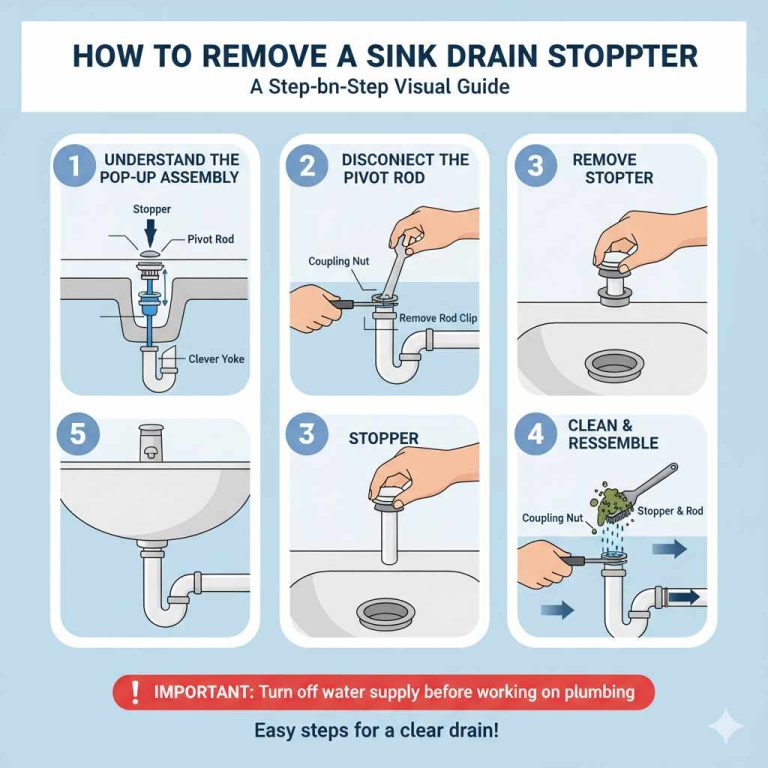
Most sink odor starts with residue in the stopper, tailpiece area, or overflow passage. Clean those first. If odor returns quickly, check for a dry trap in low-use baths, slow drainage, or leaks under the sink cabinet. A sweet or musty smell can also point to hidden moisture in stored items or cabinet panels.
When corrosion, drips, or slow drains need service
Green or white crust at faucet joints means moisture has been sitting there. A steady drip from the spout or handles calls for part replacement. Slow drains that stay slow after hair removal and routine cleaning may need trap service or line clearing.
How do you prevent mold, mildew, and soap scum in a bathroom?
Prevent mold, mildew, and soap scum by removing moisture fast, limiting residue left on surfaces, and fixing places where water stays trapped. Run the fan after showers, dry the enclosure, keep caulk intact, and treat recurring mildew as an airflow or leak problem rather than a missed cleaning alone.
Ventilation rules that actually work after showers
The fan should run after bathing long enough to clear lingering humidity from mirror, ceiling, and wall surfaces. A practical rule is to keep it running at least 20 minutes after a shower, and longer if the mirror, ceiling, or corners still stay damp. That aligns with common public-health moisture advice and with the bigger ventilation goal behind ASHRAE 62.2 and many local codes: move humid air out before surfaces stay wet long enough for growth.
Fan cleaning, dust removal, and humidity reduction
A dusty fan grille cuts performance. Vacuum the cover and wipe it during monthly care, then check whether tissue or light airflow at the grille suggests actual exhaust. If the room stays damp long after use, airflow may be inadequate, the duct may be blocked, or the fan may be undersized or worn out. For many bathrooms, code-style guidance calls for local exhaust around 50 cfm intermittent or about 20 cfm continuous, but performance in the actual room matters more than the box claim alone.
Drying habits, product residue control, and painted wall care
Keep fewer bottles in wet corners. Rinse shelves and niches so residue does not feed mildew film. Wipe painted walls gently in splash zones, especially near the sink and tub apron, because dried spray and condensation soil can become mildew food over time.
What to check when mildew keeps coming back
Check failed caulk, damp grout joints, curtain folds, shower door sweeps, the underside of bath mats, and ceiling corners. If mildew returns in the same line or patch after two cleanings, treat that area as a moisture-source investigation, not a scrubbing problem.
Choosing Paint Finishes by Room Conditions
Bathroom and kitchen paints typically share the same acrylic latex base, so the finish you select matters far more than the label on the can. Choosing by failure mode—humidity, grease buildup, or frequent scrubbing—prevents peeling, mildew growth, and staining before they start. Satin finishes work well for most walls, while semi-gloss is necessary in poorly ventilated spaces or areas that require heavy wiping.
Understanding how moisture and grease interact with different sheens helps you avoid costly repainting in bathrooms, kitchens, powder rooms, and laundry areas. This paint finish comparison breaks down exactly which sheen holds up best under specific room conditions, offering a practical decision matrix based on ventilation and surface demands rather than marketing categories.
Which cleaners are safe for bathroom surfaces and materials?
Use disinfectant for high-touch sanitation, descaler for mineral deposits, and non-abrasive cleaner for routine soil and soap film. Surface safety matters as much as cleaning strength. Bleach has narrow use cases, should never be mixed with other chemicals, and belongs only on surfaces that clearly allow it.
When to use a disinfectant, descaler, or non-abrasive cleaner
Use disinfectant on toilet seats, flush handles, faucet handles, switches, and similar contact points. Use descaler on hard-water rings, shower glass spotting, and crust on aerators where labels permit. Use non-abrasive cleaner for sink bowls, tubs, panels, counters, and routine shower cleaning. For disinfection, I default to EPA-registered products and the exact dwell time on the label rather than guessing based on scent or marketing copy.
Bleach-safe guidance and mixing cautions
Bleach is best reserved for surfaces that explicitly allow it and for problems that call for that chemistry. Never mix it with other cleaners. CDC and poison-control guidance are consistent on this point because mixing bleach with acids or ammonia can create dangerous gases. Test a small hidden spot first when finish sensitivity is uncertain, and avoid casual bleach use on metal finishes, colored grout, painted walls, and many specialty surfaces.
Material compatibility for tile, grout, glass, porcelain, metal finishes, and painted walls
- Tile: usually tolerates routine bathroom cleaners, but textured tile traps residue and needs more rinsing.
- Grout: use gentle scrubbing; harsh abrasion can open the surface.
- Glass: use non-abrasive glass-safe cleaner or descaler if mineral spotting is present.
- Porcelain: generally durable, but avoid scratch-prone tools.
- Metal finishes: use soft cloths and finish-safe products only.
- Painted walls: wipe lightly; soaking can dull paint or lift weak areas.
When should bathroom fixtures be repaired instead of cleaned?
Repair is the right move when the problem returns after two cleanings, when hardware is loose, when water is escaping a sealed area, or when odor points to plumbing or hidden moisture. Cleaners remove residue. They do not stop leaks, restore failed finishes, or replace worn moving parts.
Decision rules for stains, odors, mildew, leaks, and damaged finishes
Treat repeated hard-water staining as a water-quality or surface-wear issue when ordinary descaling no longer changes it. Treat drain odor that returns within days as a trap, vent, or residue problem. Treat mildew that returns at one joint as failed sealant. Treat peeling faucet finish as damage, not dirt.
Replacement triggers for caulk, grout, fan units, toilet parts, and faucet aerators
Replace caulk when it is cracked, loose, or mildewed through the bead. Regrout or repair when grout is missing, powdering, or staying dark from trapped moisture. Replace a fan unit when cleaning does not restore function. Replace toilet flappers, fill valves, and worn aerators when cleaning no longer restores operation.
A simple house cleaning maintenance schedule owners can assign and track
Assign daily wipe-downs to the last evening user, weekly sanitation to one household adult, and monthly inspection to the owner or whoever handles repairs. Rentals need turnover documentation and clear escalation notes. In my own checklists, the monthly inspection is the key line item because that is when hidden seepage, fan failure, and dried-out guest-bath traps usually show up before they become expensive.
If a remodel introduces solid panels, fewer grout lines, or warranty-backed systems, workload may drop. Even then, owners still need a schedule for cleaning residue, checking fans, and catching leaks early.
Frequently asked questions
How often should bathrooms be cleaned?
Bathrooms should be reset daily, scrubbed weekly, and inspected monthly. High-use bathrooms often need stricter daily wipe-downs and faster descaling, while guest baths can run on a lighter weekly schedule when unused. The right cadence depends on user count, hard water, and how well the room dries after showers.
Is cleaning maintenance?
Cleaning is one part of maintenance, but it is not the whole job. Cleaning removes residue, splash, and germs from exposed surfaces. Maintenance includes inspection, airflow care, seal checks, minor part replacement, and repair decisions when stains, odors, leaks, or looseness keep coming back.
Should you clean the bathroom every day?
Yes, but daily bathroom cleaning should be short. A quick wipe of the sink, faucet handles, counter, toilet touch points, and wet shower surfaces prevents buildup that later turns into heavier scrubbing. Daily drying matters most in shared bathrooms and in rooms with slow ventilation.
What should be on a bathroom cleaning checklist?
A usable checklist should include high-touch surfaces, moisture control, and task timing. Put sink wipe-downs, toilet touch-point cleaning, and shower drying on the daily list; bowl scrubbing, shower cleaning, and disinfection on the weekly list; and fan, grout, caulk, drain, and aerator checks on the monthly list.
What is the difference between bathroom cleaning and bathroom maintenance?
Bathroom cleaning handles soil on the surface. Bathroom maintenance handles the conditions causing repeat trouble, such as poor airflow, failing caulk, slow drains, mineral scale, worn flappers, and loose fixtures. One makes the room hygienic today; the other keeps tomorrow’s cleaning from getting harder and more expensive.
What public-health and product-label guidance supports a daily, weekly, and monthly bathroom schedule?
CDC guidance supports routine cleaning of frequently touched bathroom surfaces and more attention when contamination risk or traffic is higher. EPA guidance supports using disinfectants only according to the product label, especially for pre-cleaning steps, surface compatibility, and contact time. Ventilation guidance from ASHRAE 62.2 and common residential code practice supports using effective local exhaust after bathing to reduce lingering moisture. Put together, that is why a practical home cadence is daily drying and wipe-downs, weekly scrubbing and label-directed disinfection of touch points, and monthly inspection of fans, seals, drains, and valves.
Products related to this article
Sponsored / affiliate links. As an Amazon Associate I earn from qualifying purchases. I may earn additional commission from eligible campaigns.