Bathroom Mirror Problems Troubleshooting: Common Fixes
Check power first, then the control. If the outlet, breaker, or switch works and the mirror still flickers, flashes, or stays dark, the fault is usually in the driver, touch sensor, heating pad, or wiring. Skipping those checks can waste time, hide a wiring fault, and turn a small part swap into a full mirror replacement. This guide maps common symptoms to likely causes and the first test to run for plug-in, hardwired, LED, touch, and anti-fog mirrors.
Why is my bathroom mirror not working?
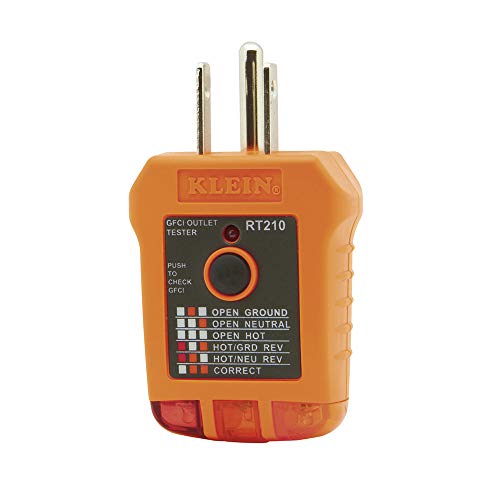

Match the symptom to the mirror type
A plug-in mirror that is dead points first to the outlet, plug, cord, or internal fuse. A hardwired mirror that is dead points first to the wall circuit, switch leg, or internal power supply. A lighted touch mirror that flickers often points to the dimmer, driver, or a sensor problem.
Anti-fog complaints are different. If the light works but the glass still fogs, the heating element, not the LEDs, is the part to test next.
Bathroom mirror troubleshooting matrix
| Symptom | Likely cause | Fastest test | Parts needed | Replace-vs-repair threshold |
|---|---|---|---|---|
| Plug-in mirror dead | Tripped GFCI, unplugged cord, failed plug, damaged cord, internal fuse or power supply | Press the GFCI Reset button, confirm the plug is seated, and try another known-good outlet | Outlet, cord set, internal fuse, power supply | Repair if the cord or fuse is clearly failed; replace if the body or internal board is damaged or sealed shut |
| Plug-in mirror flickers | Loose plug fit, worn cord, failing driver, bad dimmer compatibility | Bypass the dimmer if present and move the plug to a stable outlet | Compatible dimmer, cord, driver | Repair if the issue stops with a different outlet or dimmer; replace if flicker returns with a known-good supply |
| Hardwired mirror dead | Breaker trip, wall switch off, loose wire nut, failed driver, open circuit | Verify the breaker and switch, then shut off power and confirm the mirror is de-energized before opening it | Wire nuts, driver, switch, terminal hardware | Repair if the fault is a loose connection or failed driver; replace if the wiring is scorched, corroded, or repeatedly trips the breaker |
| LED/touch mirror flicker or partial light | Touch sensor residue, incompatible dimmer, failing LED driver, failed LED strip or section | Clean the touch area, reset power, and test with a non-dimming circuit if possible | Touch sensor, driver, LED strip or sections | Repair if the sensor or driver is separately replaceable; replace if the LED sections are integrated and the mirror shows multiple dark zones |
| Anti-fog mirror still fogs | Failed heating pad, failed conductive coating, excess room humidity, poor ventilation | Turn the fog-free feature on and feel for gentle back warmth after several minutes | Heating pad, rear coating, control module | Repair if the heating element is a separate part and available; replace if the coating is failed or the system is built into the mirror |
| Stop and call an electrician | Repeated breaker trips, scorch marks, buzzing, melted insulation, exposed conductors, water intrusion | Do not re-energize; leave the breaker off and do not open further | Professional diagnosis only | Replace is not the first step; unsafe conditions need professional repair before any reuse |
How do you check if the mirror has power?
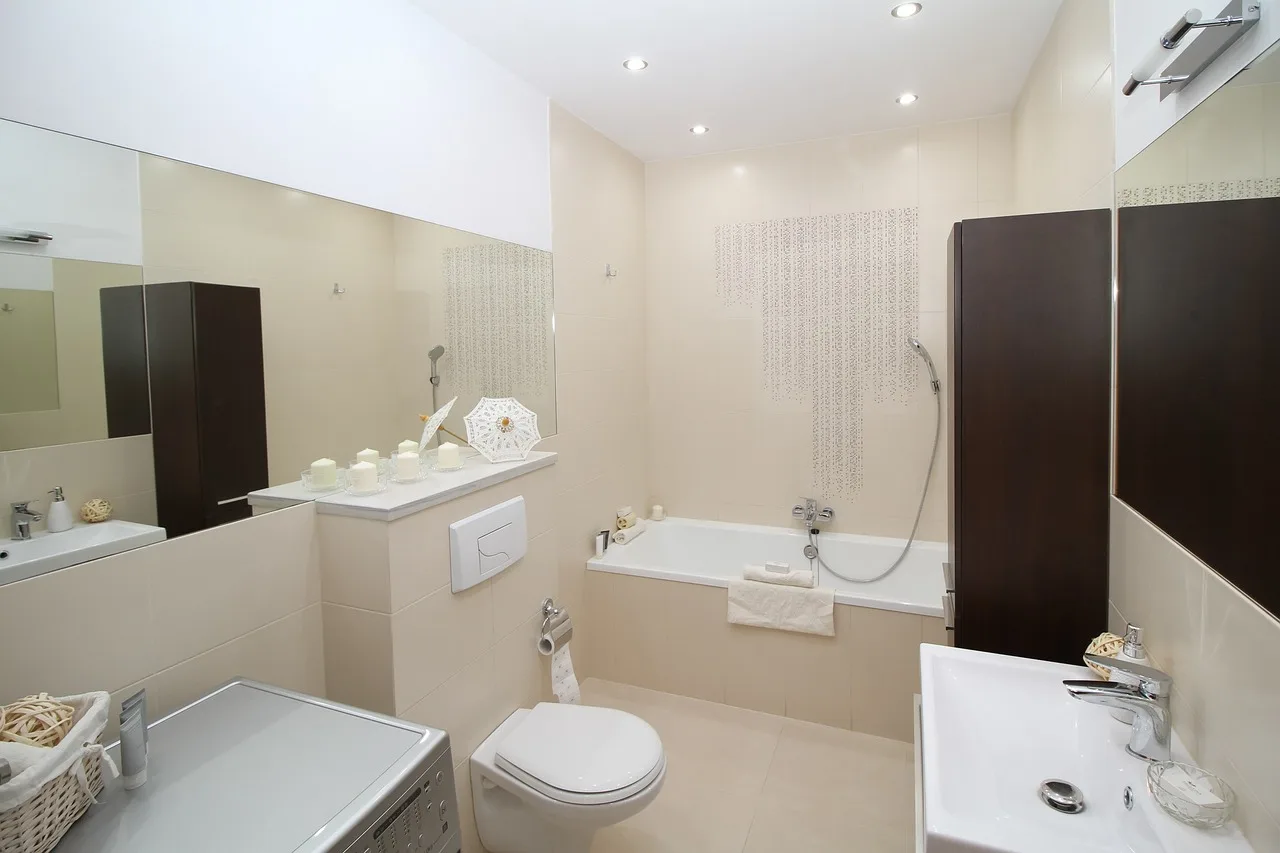
Start with the easiest interruption point. Check the wall switch, then the bathroom GFCI outlet, then the circuit breaker. If the mirror is plugged in, a tripped GFCI or a loose plug is a common possibility. If it is hardwired, a breaker trip or failed switch is the first thing to rule out.
Use the bathroom power checks in order
- Confirm the wall switch is on.
- If the mirror plugs into an outlet, press the GFCI outlet Reset button.
- If the outlet will not reset, check the breaker at the panel.
- If the breaker is tripped, reset it once. If it trips again, stop.
- Seat the plug fully if the mirror has a cord and plug.
What repeated tripping means
Bathroom mirror power issues often include voltage fluctuations and circuit breaker trips. A one-time trip can happen after a surge. Repeated tripping can point to a short circuit, a damaged driver, or a wiring fault, and that is where repair can stop being a simple homeowner check.
Is the problem the switch, wiring, or driver?
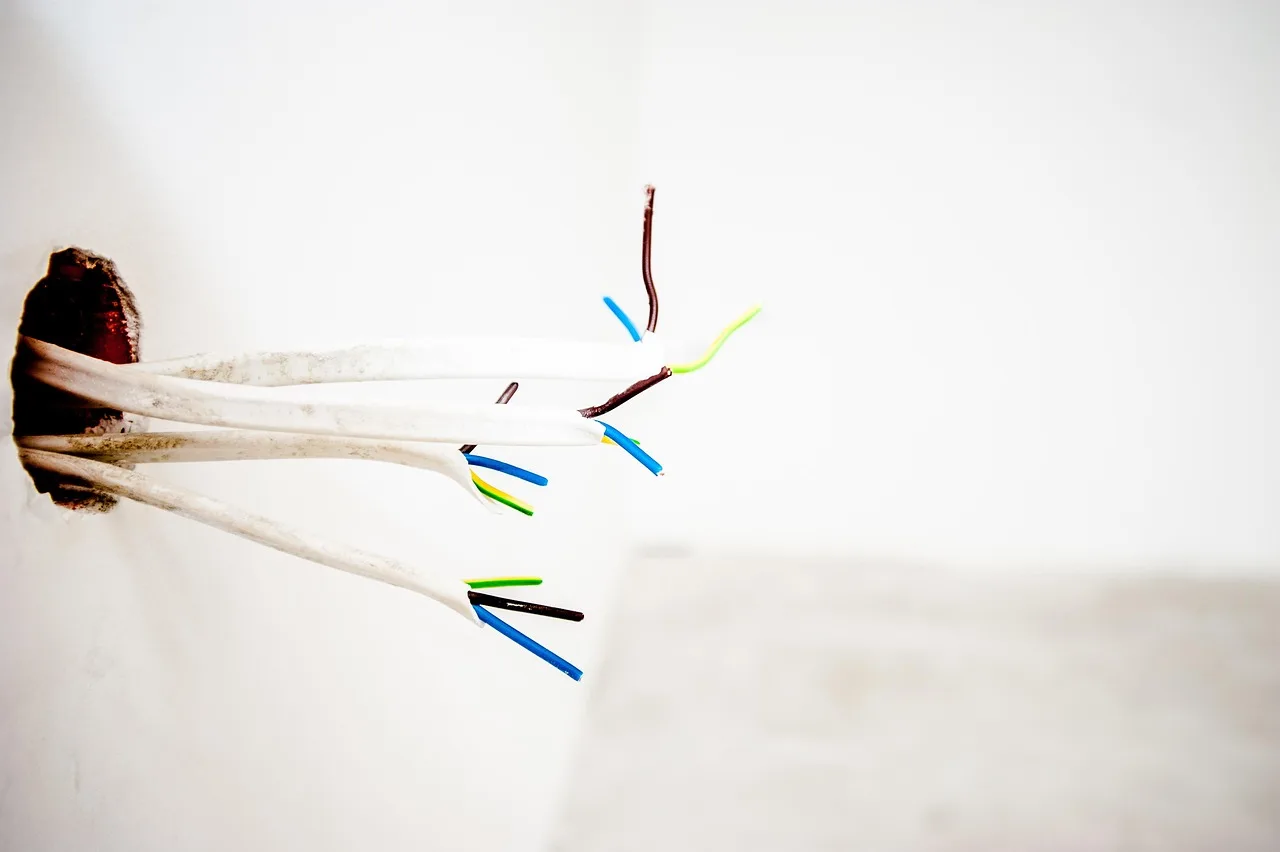
Separate the control from the power parts. If the mirror has a touch sensor, a dirty or moisture-blocked sensing area can stop it from responding. If the sensor works but the mirror still fails, the wiring or LED driver becomes more likely. Do not open hardwired parts until power is off and verified dead.
Touch sensor switch checks
Touch sensors use capacitive sensing, so residue can block the signal. Clean the touch area with a dry microfiber cloth, then retry. A hard reset by shutting power off for at least 5 minutes before restoring power. Moisture on the glass can also make the sensor act erratically.
Wiring connection checks after power is off
For hardwired mirrors, shut off the breaker and verify the unit is de-energized before opening the housing. Then look for loose wire nuts or terminals, frayed wires, corrosion, and scorch marks. Loose wire connections can cause intermittent mirror performance, while burn marks and melted insulation point to a repair that should stop there.
Say a lighted mirror works for a minute, then cuts out when the bathroom fan starts. That pattern fits a loose connection or a failing driver more than a bad touch sensor, because the symptom changes with load and vibration.
LED driver and power supply checks
The LED driver, also called a transformer or power supply, converts household AC into 12V or 24V DC. It is a common failure point. A failed driver can cause a complete blackout, flicker, or dim partial lighting. If replacement is possible, the new unit must match voltage, wattage, and connector type for the mirror model.
If the mirror uses a separate driver box, compare the label on the old part with the replacement. If the output voltage does not match, do not install the replacement driver. A mismatch can keep the mirror dark or damage the LEDs.
Why does my LED bathroom mirror flicker?
Flicker usually means the mirror is getting unstable power, the dimmer is wrong for the LED load, or the driver or LED sections are failing. Start with the dimmer if one is installed. Then check wiring. If the flicker appears in sections, the LED strip or individual LED section is more likely than the control.
Dimmer switch compatibility
Some LED mirrors have a dimmer switch that may not be compatible. Older incandescent dimmers can cause flicker or humming with LED mirrors. If the flicker stops when the mirror is connected to a non-dimming circuit, the fix may be an LED-compatible dimmer rather than a new mirror.
Loose connections or failing wiring
Loose wire nuts, corroded terminals, and frayed conductors can interrupt current without killing the mirror completely. That often shows up as flicker, delayed startup, or an image that brightens and fades as you touch the frame or wall. Recheck connections only after the circuit is off and confirmed dead.
LED strip or section failure
LED strips can fail in sections. That creates dark spots, uneven lighting, or a band of light that will not come on. Replacement usually requires matching polarity, so reversing the leads can keep the section dark. If the strip is built into the mirror and not sold separately, repair may be uneconomical.
Suppose a backlit mirror has one dim corner and three bright corners. That points to a section failure, not a full power loss. If the whole face is dark instead, look back to the driver or supply first.
Why won’t my anti-fog bathroom mirror still fog up?
If the light works but the glass fogs, the anti-fog system is the likely fault. Anti-fog mirrors may use a heating pad on the back or a conductive coating. The LEDs can work perfectly while the fog-free feature fails. High humidity in the room can also overwhelm a working system.
Heating element failure
Check whether the back of the mirror warms when the fog-free control is on. A dead heating pad or failed conductive coating means the glass stays cool and mist settles on the front. That is a separate repair from a light failure, so do not treat it like an LED problem.
Humidity and usage limits
Some anti-fog mirrors still fog when excess moisture builds up in the home. A weak exhaust fan, long showers, or a closed room can leave the mirror wet even if the heater is operating. If the mirror only fogs during heavy shower use, the room conditions may be part of the problem.
When the fog-free system is the part to replace
If the heating pad does not warm, the control is on, and the mirror still fogs in normal use, replace the separate heating module if the model allows it. If the coating has failed or the fog-free part is not sold on its own, replacement of the full mirror is usually the cleaner choice.
Frequently asked questions
How do you safely troubleshoot a hardwired bathroom mirror?
Turn off the breaker first, then verify the mirror is actually de-energized before touching internal parts. After that, inspect for loose wire nuts, corrosion, scorch marks, or frayed wires. If the breaker trips again, or you see heat damage or water intrusion, stop and call an electrician.
Can a dimmer cause my bathroom mirror to flicker?
Yes. Some LED mirrors have a dimmer switch that may not be compatible, and older incandescent dimmers can create flicker or humming. If the mirror works normally on a non-dimming circuit, the dimmer is the likely problem. Check the manufacturer’s listing for LED-compatible control requirements.
Should I repair or replace a broken LED mirror?
Repair is worth it when the fault is a resettable GFCI, a loose connection, a replaceable driver, or a separate touch sensor. Replace the mirror when the LED sections are built in, the driver is not available, the frame is heat-damaged, or repeated faults point to a larger internal failure.
Products related to this article
Sponsored / affiliate links. As an Amazon Associate I earn from qualifying purchases. I may earn additional commission from eligible campaigns.