Bathroom Sink Drain Problems
A bathroom sink that drains slowly, backs up, or gurgles can indicate a partial clog in the stopper, trap, trap arm, or vent path; if more than one fixture is affected, check the branch drain or main line first. Start with the symptom. Each one points to a different part, and that keeps you from cleaning the wrong component twice.
What you should check first
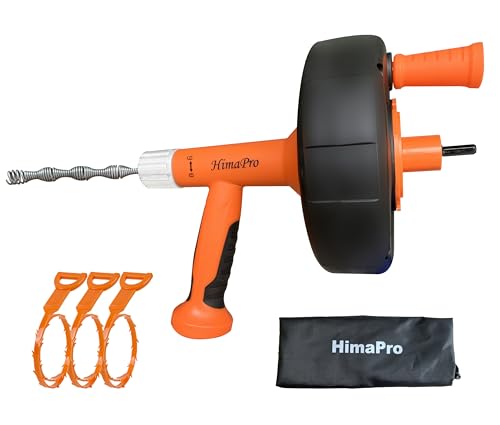
- Drill adapter allows powered operation
- Flexible spring reaches tight bends
- Handy for sinks, showers, and drains
Lift the stopper and run the faucet. If the sink drains normally with the stopper fully open, the stopper opening or linkage is the likely problem. If the bowl still holds water, watch for slow flow, standing water, or bubbling at the overflow opening. If the faucet stream itself is weak, clean the aerator first so you do not mistake a supply issue for a drain problem.
What you’ll need
- Bucket
- Towel
- Gloves
- Shallow pan
- Plunger
- Wet rag for the overflow opening
- Drain snake, auger, or plastic zip tool
- Screwdriver or pliers for stopper hardware
- Soft brush
- Warm soapy water
- Small container for parts
Sink drain troubleshooting matrix
| Observed symptom | Likely failed component | Fastest safe test | DIY fix | Plumber trigger |
|---|---|---|---|---|
| Slow drain with no visible blockage | Pop-up stopper or overflow path | Lift the stopper and retest the drain | Clean the stopper and overflow channel | Still slow after cleaning |
| No drain at all | P-trap clog | Check whether water backs up immediately after the trap | Remove, empty, and scrub the trap | Backing up from the wall fitting |
| Gurgling sound | Vent issue or deeper branch clog | Run water in the sink while watching for bubbling | Clear trap and trap arm first | Repeated gurgling after the visible drain is clear |
| Sewer smell | Dry trap or slime in overflow channel | Check for standing water in the trap | Refill the trap and clean the overflow channel | Odor returns after cleaning |
| Water rises in the bowl when other fixtures run | Wall drain clog | Run nearby fixtures one at a time | Snake the wall opening if accessible | More than one fixture backs up |
| Sink drains only when the stopper is lifted | Stopper misadjustment | Open the stopper fully and retest | Adjust the lift rod and pivot rod linkage | Stopper hardware is damaged or stripped |
| Drain slows after a few seconds | Trap clog | Remove the P-trap and inspect the trap body | Scrub the trap and washers, then reinstall | Trap is clear but the backup remains |
| Sink still drains poorly after trap cleaning | Trap arm clog or bad pitch | Brush or snake the straight pipe to the wall fitting | Clear debris and check alignment | Pipe does not hold proper pitch per code |
| Weak drain plus bubbling | Vent issue | Listen for gurgling while another fixture runs | Minor homeowner fixes usually do not solve vent faults | Vent blockage or undersized vent suspected |
| Drain slows after hair or a small item disappears | Foreign-object blockage | Use a zip tool or inspect with a drain camera | Fish out the object or open the trap | Object is farther down the pipe |
| Water drains only when faucet is slowed | Partial clog in stopper, trap, or trap arm | Compare full flow and reduced flow | Clean each section in order | Problem returns after cleaning |
| Odor with no obvious clog | Overflow channel debris or venting within the drain body | Inspect the overflow opening for slime | Brush and flush the overflow path | Smell persists after cleaning and refilling the trap |
What causes a bathroom sink to drain slowly?
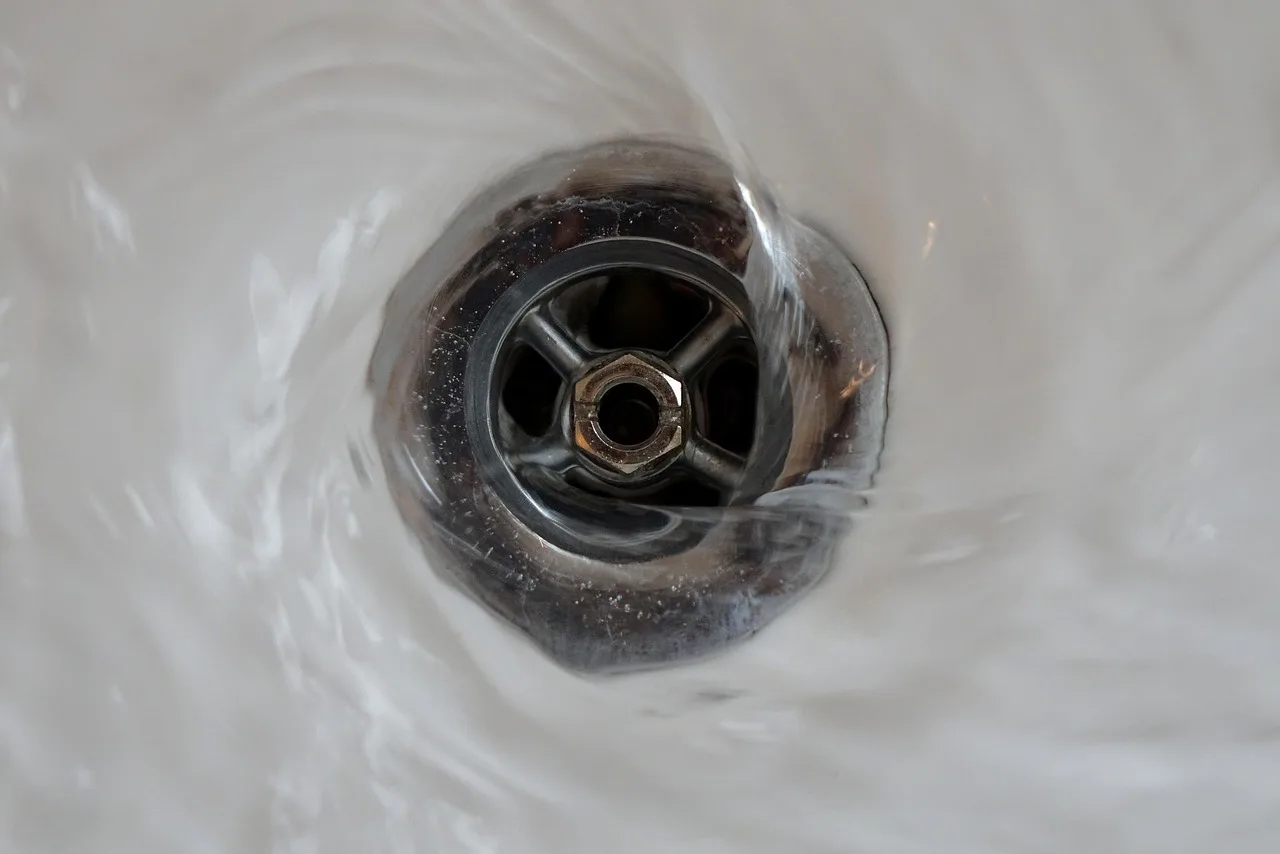
Hair is the most frequent cause of a slow or clogged bathroom sink. Soap scum, toothpaste, and small mineral deposits often collect where the stopper, trap, and trap arm narrow the flow path. If the sink drains slowly with no visible blockage, the stopper or overflow path is often the first place to inspect.
- Lift the stopper fully and test the drain again.
- Unscrew the faucet aerator and rinse the mesh if the stream is weak.
- Remove visible hair or slime from the stopper opening.
- Use warm water only if the clog looks like minor soap buildup.
How do you clean the stopper assembly?
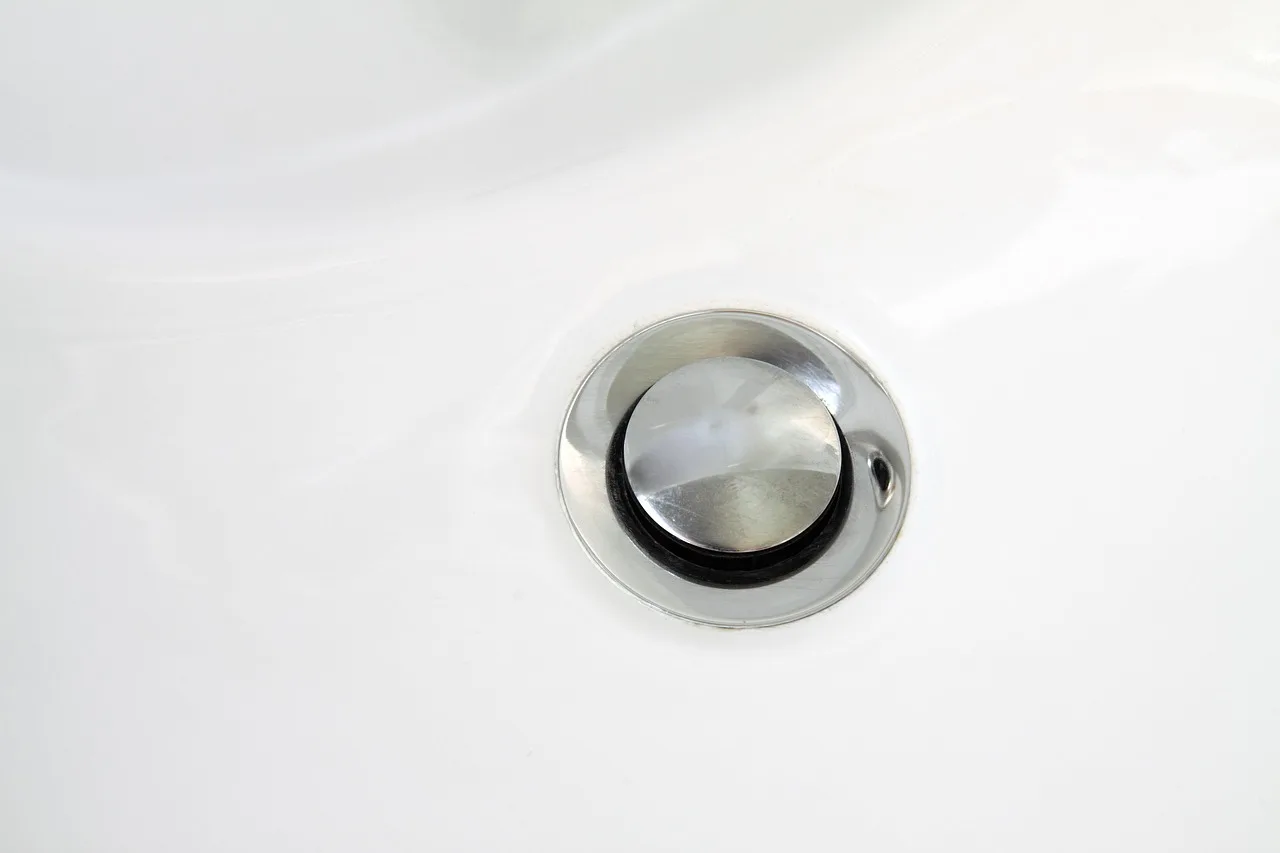
The pop-up stopper assembly often traps hair and toothpaste first. That includes rod-and-link setups and clicker stopper variants. If the sink drains only when the stopper is up, the stopper opening is likely the problem. Clean the stopper body, the lift rod or pivot rod linkage, and the opening it seals.
- Pull the stopper straight up or follow the linkage release for your model.
- Wipe the stopper body and linkage with a towel and warm soapy water.
- Clear hair from the pivot rod hole and the drain opening.
- Reinstall the stopper and adjust the lift rod so it opens fully.
- Test the sink with the stopper up and then fully closed.
Say your sink drains slowly only when the stopper sits halfway open. That usually means the linkage is limiting the opening, not that the whole drain is blocked. A small adjustment to the lift rod often restores normal flow.
How do I remove and clean a P-trap under a bathroom sink?
The P-trap is the U-shaped pipe beneath the sink, and it holds water to block sewer gases. It is also a common debris collection point. Place a bucket under the trap before loosening slip-joint nuts, then remove the trap, empty it, and scrub the inside and washers before reinstalling.
- Place a bucket under the trap.
- Loosen the slip-joint nuts by hand or with pliers.
- Drop the trap into the bucket and empty the water.
- Scrub the trap body and inspect the washers for damage.
- Reinstall the trap and tighten the nuts snugly, not excessively.
Check the trap arm too
The trap arm is the straight section from the trap to the wall fitting. It can hide a partial clog even when the trap looks clean. Brush or snake the trap arm if water still backs up, and check that the pipe alignment and pitch match the fixture and local plumbing code.
Why does my bathroom sink gurgle when draining?
Gurgling can point to a deeper branch drain or vent issue, especially when the sink looks clear but drainage still sounds rough. It can also show up when air is struggling to move through a partial clog or a narrow section of pipe. Clean the overflow channel, then test the drain again before assuming the vent is the only issue.
Suppose the sink gurgles while the toilet nearby flushes. That points away from the stopper and toward shared drain or vent behavior. If the noise returns after the trap and stopper are clean, the vent system may need a plumber.
- Brush the overflow channel with warm soapy water if you see slime or odor.
- Cover the overflow opening with a wet rag.
- Add enough water to cover the plunger lip, then make 10 to 15 firm pumps.
- Run the faucet again and listen for improved drainage.
When should I call a plumber for a clogged bathroom sink?
Call a plumber if the sink backs up again after cleaning the stopper, trap, and trap arm, or if more than one fixture drains poorly. Repeated backups, gurgling that keeps returning, and symptoms that point to the wall drain or vent system usually mean the problem is beyond a simple bathroom-only clog.
- The sink drains only when the stopper is lifted, then fails again after adjustment.
- Water rises in another fixture when the sink runs.
- The trap and trap arm are clear, but the bowl still drains slowly.
- The drain camera or snake suggests a deeper object or branch clog.
- The sink smells like sewer gas after the trap is filled and cleaned.
Common mistakes
Do not use boiling water as a routine fix. Hot water can help minor soap-scum buildup, but boiling water can damage some PVC piping, slip-joint washers, or porcelain if poured directly into a cold fixture. Use warm water instead, and stop if the clog looks solid or recurs quickly.
Another mistake is cleaning only the trap and ignoring the stopper assembly. If the sink drains only when the stopper is up, the opening is likely the problem. Also avoid forcing a snake before checking the linkage, because the tool can snag hardware instead of clearing the blockage.
If that didn’t work, try this next
- Clean the stopper assembly again and confirm full opening.
- Remove and scrub the P-trap.
- Brush or snake the trap arm toward the wall fitting.
- Check the overflow channel for slime and odor.
- Stop and call a plumber if the sink still gurgles or other fixtures back up.
Prevention
Rinse the stopper area regularly and remove hair before it packs into the linkage. A quick aerator rinse also helps keep weak faucet flow from being mistaken for a drain problem.
Frequently asked questions
Why is my bathroom sink not draining?
Most often, the stopper, trap, or trap arm is blocked by hair and soap scum. If the sink drains only when the stopper is up, the linkage is the first thing to check. If more than one fixture is slow, the branch drain or main line is more likely than the sink itself.
How do I fix a bathroom sink that won’t drain?
Start by lifting the stopper, then clean the stopper assembly, remove the P-trap, and brush the trap arm if needed. If the bowl still stays full, use a plunger with the overflow covered and then a zip tool or small snake. If the wall side backs up, call a plumber.
How do I clean a bathroom sink stopper?
Remove the stopper according to the linkage type, wipe away hair and slime, and clean the pivot rod or clicker parts with warm soapy water. Reinstall it so it opens fully when raised. If the sink still drains only partway, the opening or trap arm may also need cleaning.
Products related to this article
Sponsored / affiliate links. As an Amazon Associate I earn from qualifying purchases. I may earn additional commission from eligible campaigns.