Sink Installation Cost: What You’ll Actually Pay
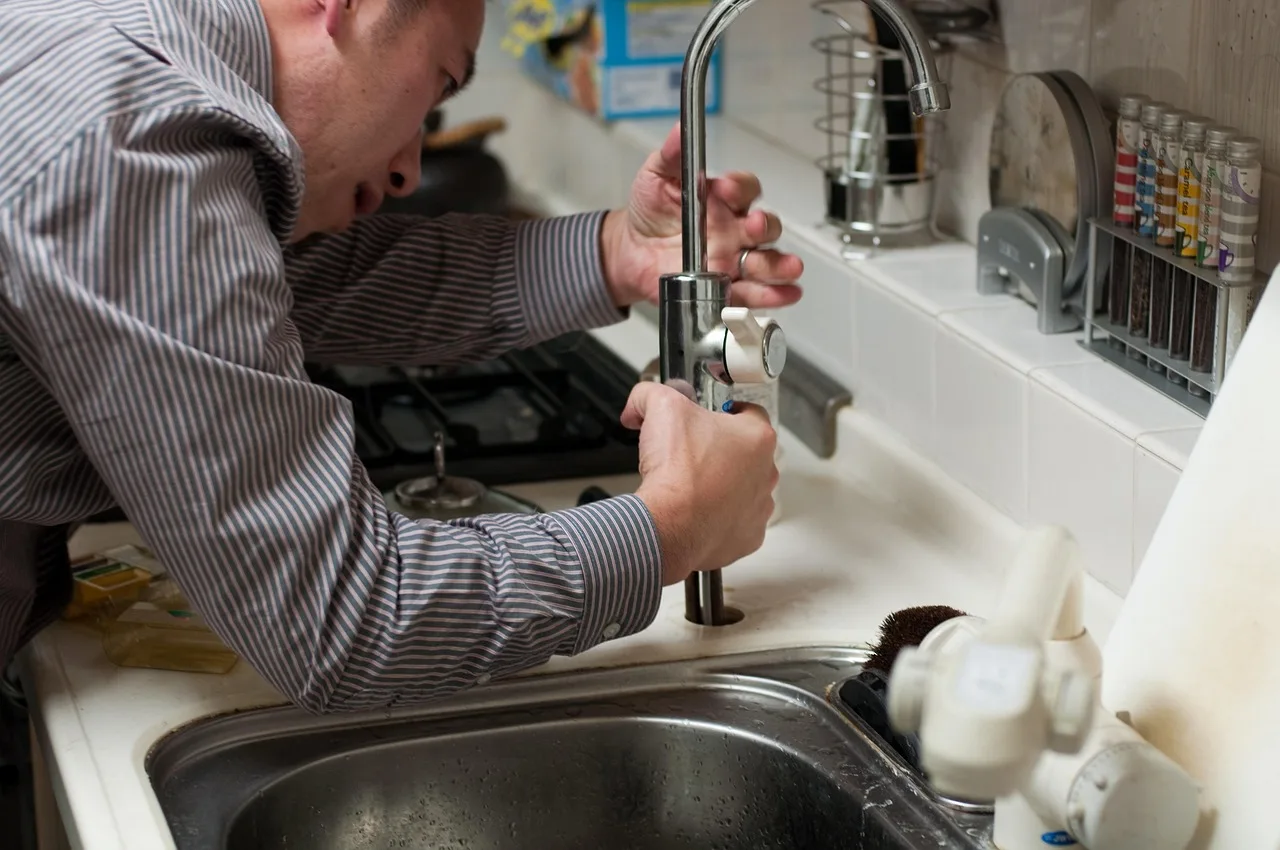
Sink installation cost usually runs about $200 to $1,200 for a straightforward replacement, and around $500 to $2,500 or more if plumbing, countertop, or electrical changes are needed. A weak estimate can stall the job, add labor charges, or leave leaks that cost more to repair. This guide breaks down sink installation price by project type, labor, materials, and add-ons so you can budget with less guesswork.
Typical cost range
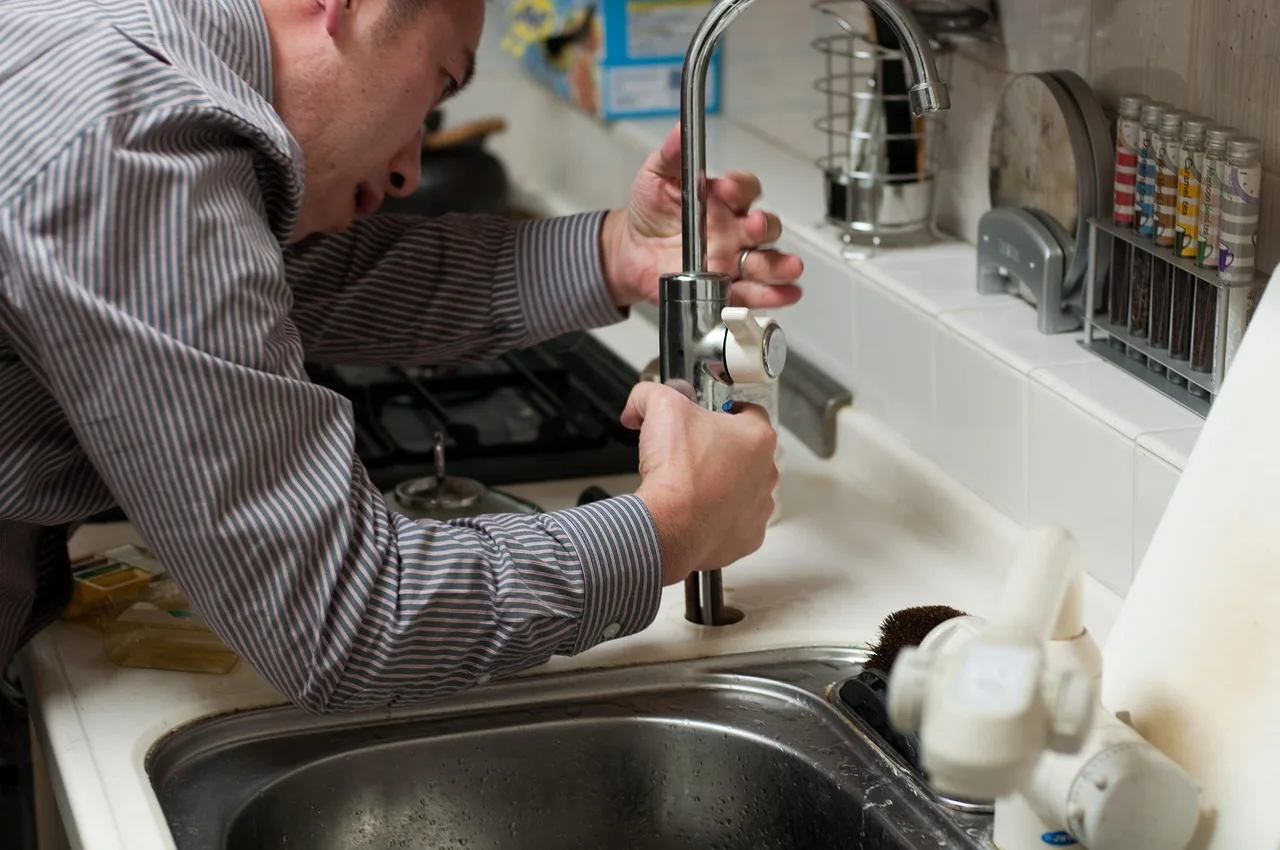
For a plain replacement in the same opening, a pro often lands near the middle of the national range of $216 to $663, with the average sink installation cost at $438. Basic jobs can start at $100, while complex projects can reach $1,600 or more when the sink type, cabinet work, or plumbing changes the scope.
The biggest price jump usually comes from moving beyond a like-for-like swap. A drop-in kitchen sink with the same cutout costs less than a new undermount bowl, and both are simpler than a first-time rough-in for a bathroom pedestal or utility sink in a basement.
Sink installation cost calculator
| Project scenario | Labor | Materials | Removal and disposal | Total cost | Main risk or hidden driver |
|---|---|---|---|---|---|
| Same-location bathroom sink swap | $150 to $300 | $75 to $250 | $0 to $100 | $225 to $650 | Pedestal or wall-mount alignment, plus faucet hole spacing |
| Kitchen sink swap with existing cutout | $200 to $450 | $100 to $350 | $0 to $150 | $300 to $950 | Corroded clips, worn shutoff valves, or a bad seal under the rim |
| Undermount replacement | $300 to $700 | $150 to $500 | $50 to $150 | $500 to $1,350 | Countertop support and adhesive cure time can add labor |
| Utility sink install | $150 to $350 | $50 to $200 | $0 to $75 | $200 to $625 | Drain height and trap routing in laundry or basement spaces |
| Sink-plus-faucet replacement | $250 to $600 | $175 to $650 | $0 to $150 | $425 to $1,400 | Compatibility between faucet holes, drain assembly, and sink depth |
| Full reroute install | $600 to $1,500 | $250 to $900 | $50 to $200 | $900 to $2,600 | New supply lines, drain adjustments, cabinet changes, and code issues |
Say your 30-inch kitchen sink is being swapped for another drop-in model with the same faucet holes. The price stays far lower than a move to an undermount bowl, because the countertop opening, cabinet footprint, and most of the plumbing stay in place.
Suppose a bathroom pedestal sink is replaced with a new pedestal that uses a different basin depth. The work can take longer than a kitchen swap, because the pedestal hides some of the support and the faucet and drain have less tolerance for misalignment.
What does the total price include?

The total price usually includes labor, the sink itself, a faucet or drain assembly if needed, and removal of the old unit. For a basic job, labor alone commonly runs at $50 to $200 per hour, and many standard swaps take about two to four hours once shutoff, removal, hookup, and testing are included.
LatestCost lists labor averaging $450, which fits a simple replacement with no major surprises. The bill climbs when the installer must correct supply lines, enlarge a cutout, repair cabinet damage, or return for a second visit after a failed test fill.
Labor, parts, and disposal
- Labor: removal, fit-up, hookup, caulking, and leak checks.
- Materials: sink basin, faucet, drain assembly, P-trap parts, supply lines, sealant, mounting clips, and brackets.
- Disposal: old sink removal and debris disposal, often billed separately.
- Permits: required in some areas for new plumbing, structural changes, or code-triggering remodels.
Removal and debris disposal fees range from $150 to $600. That spread matters most when the old sink is cast iron, glued tightly to a countertop, or built into a cabinet that also needs patching.
Permits and inspections can cost $0 to $300, depending on the city or county. Some simple replacements need none, while a new rough-in, a plumbing reroute, or a remodel with wall changes may trigger both a permit and an inspection.
Why do bathroom sinks often cost more?
Bathroom sink installation often costs more because the mounting style, faucet layout, and drain position leave less room for error. A bathroom sink can need more careful fitting than a kitchen sink, especially with pedestal, vessel, wall-mount, console, or corner designs that depend on precise alignment.
Replacement can also be harder than a brand-new install if the old sink covers damaged drywall, uneven tile, or a worn shutoff valve. That is one reason the labor for a bathroom swap can feel higher even when the basin itself is smaller.
Bathroom sink types and constraints
Pedestal sinks need solid wall support and exact drain positioning. Vessel sinks need the right faucet height and bowl clearance. Wall-mount and console sinks may need blocking behind the wall. Corner sinks can save floor space, but they often require custom plumbing angles and careful measurement before the new unit arrives.
Bathroom sinks also face more faucet-fit issues than many kitchen jobs. A sink with one faucet hole cannot take a widespread faucet without extra drilling or a different model, and that can turn a quick swap into a more expensive fixture replacement.
How much to install a kitchen sink?
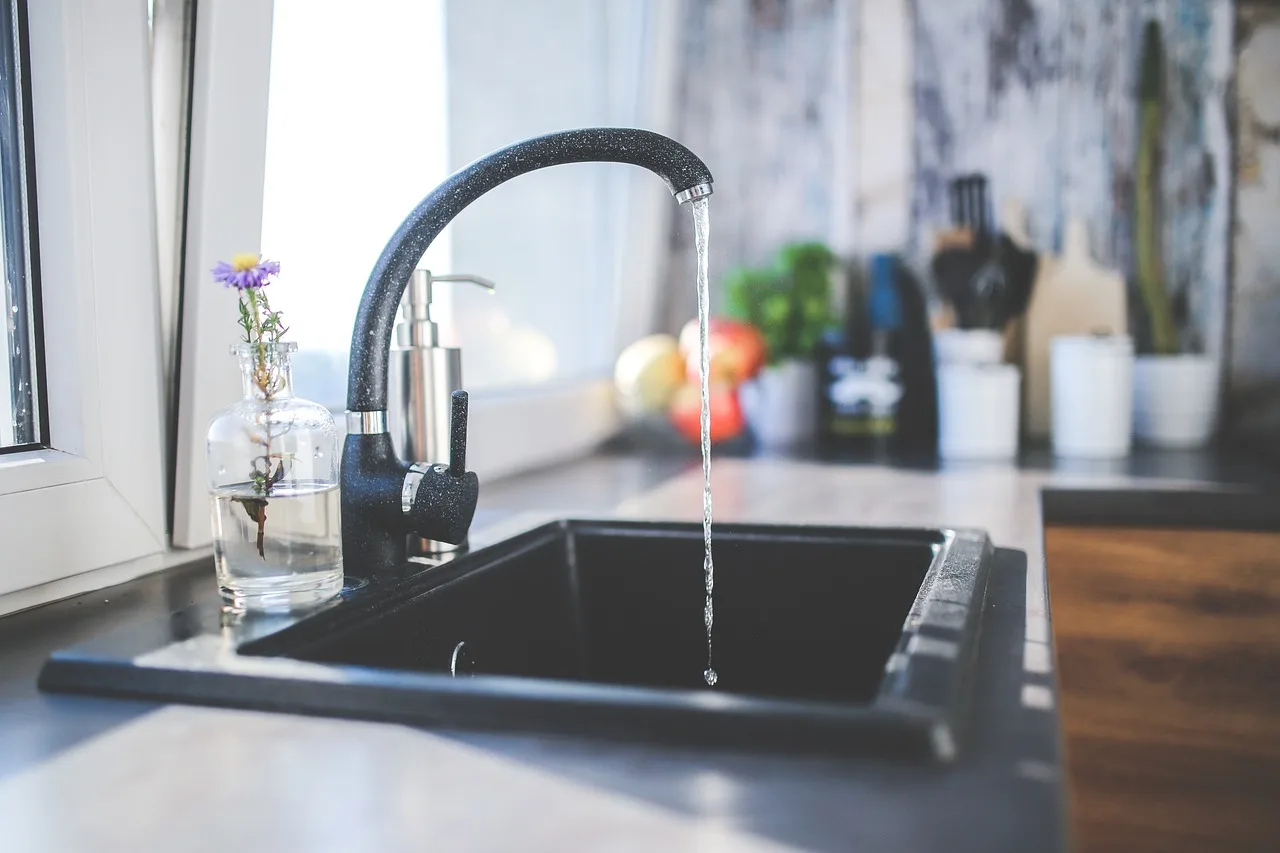
A kitchen sink install usually falls near the middle of the broader sink range when the cutout already exists and the plumbing stays put. Expect lower costs for a simple drop-in replacement and higher costs for an undermount, a farmhouse apron front, or any job that needs counter work, drain changes, or a new faucet pattern.
For a standard swap, many homeowners can budget around the installed ranges of $240 to $1,250 for drop-in sinks and $250 to $1,500 for undermount sinks. Farmhouse sinks cost more on average because the cabinet face, support framing, and sink weight often require more labor.
Drop-in versus undermount
A drop-in sink is usually the easier kitchen choice because it sits in an existing cutout and can often reuse nearby plumbing. An undermount sink needs a clean, correctly sized cutout and a secure bond under the counter, so labor tends to rise when the countertop must be altered or reinforced.
Kitchen sink installs also vary by material. Stainless steel is often more straightforward to handle. Cast iron, granite composite, and fireclay can weigh more and may need extra support. Copper and glass bowls can raise cost because they are less forgiving during handling and sealing.
Sink type and material
| Sink type | Cost pressure | Common note |
|---|---|---|
| Drop-in | Lower | Best fit for same-size replacement |
| Undermount | Medium to higher | Needs correct cutout and secure support |
| Farmhouse | Higher | Often needs cabinet work and extra framing |
| Pedestal | Medium | Mostly bathroom use; wall alignment matters |
| Vessel | Medium to higher | Faucet height and splash control matter |
| Wall mount, console, corner | Varies | Space-saving layouts often need custom plumbing |
Sink material changes the price in two ways: the basin itself and the labor required to support it. Stainless steel and porcelain are common and easier to price. Cast iron, glass, copper, granite, and fireclay can raise both handling time and risk.
How much to install a utility sink?
A utility sink usually sits in the lower-cost band because the project is simpler than a kitchen or finished bath install. The typical installed cost for utility sinks is $200 to $500, and they are often used in laundry rooms, basements, or garages where appearance matters less than deep-basin function and easy cleanup.
Costs rise when the sink needs a new drain line, a new trap, or a wall-mounted faucet with fresh supply lines. A basic utility sink can be a good value if the plumbing is close and the cabinet or wall framing already suits the basin height.
Why utility sinks usually cost less
Utility sinks are often easier to place because the room is already set up for practical water use, not a decorative finish. Many jobs avoid tile work, fancy countertop cuts, or complex cabinet trim, which keeps labor and materials lower than a finished bathroom or kitchen install.
That said, a basement utility sink can still trigger code-related changes if the drain, venting, or trap arrangement is not acceptable. Older homes also hide surprises such as corroded shutoff valves or soft flooring around the standpipe area.
What hidden costs can add up?
Hidden costs usually come from plumbing upgrades, cabinet damage, or code problems that appear after the old sink comes out. Supply line changes, drain adjustments, and cabinet modifications can add hours of labor, and hidden water damage can turn a routine install into a repair job.
Corroded shutoff valves are another common cost driver. If a valve will not close cleanly, the installer may need to replace it before the sink can be disconnected safely. That extra step protects the project, but it adds time and parts.
Common add-ons that change the bill
- Supply line changes: needed when the new faucet location or valve type does not match the old setup.
- Drain adjustments: required when the trap height, offset, or waste arm no longer lines up.
- Cabinet modifications: common with farmhouse, undermount, or deeper basins that need clearance.
- Water damage repair: possible if leaks softened subfloor, drywall, or cabinet panels.
- Code fixes: may be needed for venting, shutoff access, or permit requirements.
Can you save money by reusing plumbing? Often, yes. Keeping the same sink location, drain path, and faucet hole pattern can reduce labor and material costs. The savings are real only if the old parts are in good condition and the new sink matches the existing setup.
A common first-timer mistake is buying the sink before checking the drain offset, faucet hole count, and cabinet width. That mistake can force a return trip, which wipes out the savings from a cheaper fixture.
Frequently asked questions
How much to install a bathroom sink?
Bathroom sink installation is often more involved than a simple kitchen swap because pedestal, wall-mount, vessel, and console styles depend on tighter alignment. A same-location replacement can stay moderate, but a new rough-in or a different faucet layout can quickly raise the labor bill.
How much does a new sink cost?
The sink itself can vary widely by type. Drop-in sinks cost $240 to $1,250 installed, undermount sinks cost $250 to $1,500 installed, farmhouse sinks average $1,000 to $4,000 including installation, pedestal sinks cost $300 to $1,100, and utility sinks cost $200 to $500.
What does sink installation cost include?
Sink installation cost usually includes labor, the sink basin, connection hardware, and basic hookup work such as setting the drain, connecting supply lines, and checking for leaks. Removal and disposal are often separate, and permits or inspections may be extra where local rules require them.
Can I save money by reusing plumbing?
Yes, if the new sink matches the old location, drain height, and faucet hole pattern. Reusing plumbing can trim labor and parts costs, but it is not worth forcing a bad fit. Old valves, damaged traps, or mismatched drain parts are cheaper to replace than to leak later.
Products related to this article
Sponsored / affiliate links. As an Amazon Associate I earn from qualifying purchases. I may earn additional commission from eligible campaigns.