Toilet replacement cost: what you’ll actually pay at home
Toilet replacement cost usually runs from a few hundred dollars to around $1,000 for a standard swap, with simple DIY parts-only jobs often lower and full pro installs or rough-in changes pushing higher. A bad fit, wax-ring leak, or hidden flange damage can turn a cheap replacement into floor repair costs. This guide breaks down toilet price by scenario so you can match your job to the likely total.
This guide is part of our Bathroom cleaning and maintenance series.
How much does toilet replacement cost?


What “replacement” usually includes
Replacing a toilet usually means removing the old unit, setting a new wax ring or comparable seal, reconnecting the water supply, and checking for leaks after the flush. The toilet itself is a piece of sanitary hardware that collects human waste, and the job may also include a new seat, bolts, supply line, or shutoff valve.
A flush toilet uses water, while dry toilets do not. In urban areas, flush toilets are usually connected to a sewer system. In isolated areas, toilets may connect to a septic tank.
The main cost drivers that move the price up or down
The price moves with the toilet style, labor rates, site access, and hidden damage. A basic two-piece toilet is usually cheaper than a one-piece model. A comfort-height bowl, bidet seat, or smart toilet adds parts cost and can add time if electrical or plumbing changes are needed.
Regional labor, parking, stairs, tight bathrooms, and old plumbing all matter. So do rough-in size and drain location. If the new toilet does not match the existing rough-in, the job can stop being a simple swap.
Typical low, mid, and high price bands
For a straightforward replacement, a low-cost job usually means a budget toilet plus ordinary labor and no repair surprises. Midrange pricing fits most standard residential swaps. High-end totals usually involve premium fixtures, tougher access, or repairs under the toilet.
Use this as a planning range, not a quote. Labor and parts both affect price, and a hard install can change the total fast.
📊 There are estimated to be 419 million people with no access to a toilet. Source: Toilet.
What does labor add to the bill?

Labor often adds as much as the toilet itself, especially when removal, reset, and leak testing take longer than expected. A simple swap may stay on the lower end of the bill, while old plumbing, floor damage, or hard access can push labor well above a basic service call.
Basic swap versus full removal and reset
A basic swap is the cheapest labor scenario: shut off the water, drain the tank, remove the toilet, set the new one, and reconnect the supply line. If the plumber also has to replace the wax ring, level the base, or adjust the shutoff valve, the labor charge rises.
Why regional rates and trip charges matter
Local pricing varies by market, and many plumbers add a minimum service fee or trip charge. Urban rates tend to be higher than suburban or rural rates. Apartment buildings can add parking, elevator, or access delays, which affects the final labor bill.
When plumbers charge more for tight access or old plumbing
Old angle stops, corroded bolts, narrow alcoves, and second-floor bathrooms can all slow the job. If the water supply is seized or the flange is damaged, the plumber may need extra time and materials. These problems often count more than the new toilet’s sticker price.
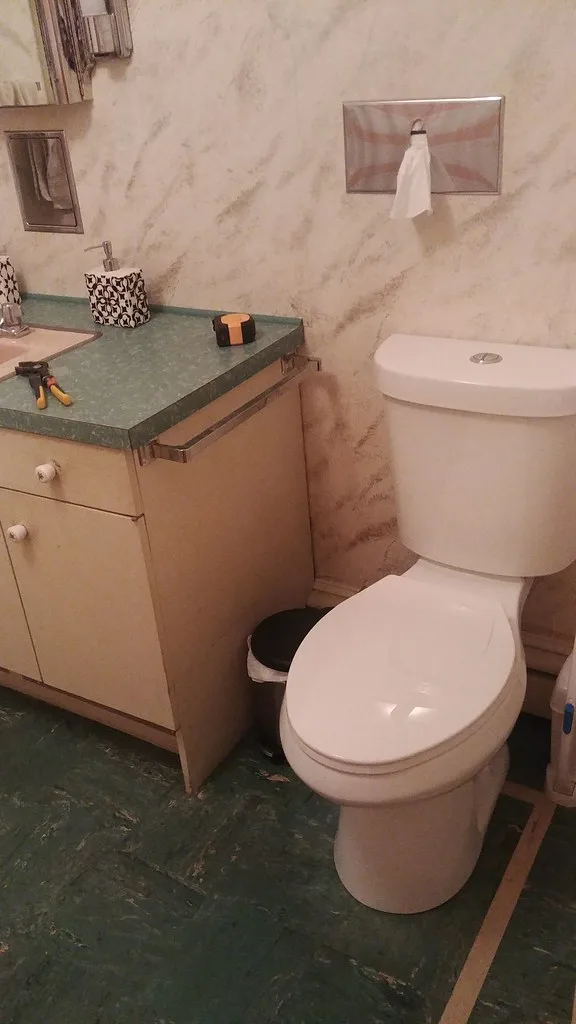
Which toilet type fits your budget?

Budget-friendly toilet replacement usually starts with a standard two-piece flush toilet. A one-piece model costs more up front. Comfort-height designs add convenience for many users. Bidet and smart toilet options can move the total sharply higher because they add features, and sometimes power or plumbing requirements.
One-piece versus two-piece toilets
A one-piece toilet has the bowl and cistern, or tank, molded together. A two-piece toilet has separate parts, which often lowers the purchase price and makes transport easier. One-piece units usually cost more to buy and may cost more to replace if a full lift-in is hard.
The toilet bowl shape and size also matter. A bowl can be ceramic, concrete, plastic, or wood, and it must match the rough-in and drain location. The seat should match the bowl shape, or you may need to budget for a separate seat purchase.
Comfort-height models and accessibility needs
Comfort-height toilets sit higher than standard bowls, which can help people with movement impairment or limited knee flexibility. For some users, a sitting toilet is not optional; it is the safer and more usable choice. That can justify a higher price if the new height improves access.
Bidet and smart toilet features that change price
Newer toilet technologies include dual flushing, low flushing, toilet seat warming, and self-cleaning features. These options can raise the purchase price and may require electrical access or more careful installation. A bidet seat is usually cheaper than a full bidet toilet combo, but the total still climbs once labor and any outlet work are included.
Picture a condo bathroom with a standard rough-in and a plain two-piece toilet. That is usually a modest replacement. Add an integrated bidet, however, and the project can need a new outlet, more setup time, and a higher parts bill.
What plumbing or floor problems raise toilet replacement cost?
Plumbing and floor problems are the main reason a toilet replacement moves beyond a simple swap. A bad flange, failed wax ring, shutoff valve trouble, or damaged flooring can add repair labor and materials. Those issues often matter more than the new toilet’s sticker price.
Flange damage and wax ring replacement
The flange anchors the toilet to the floor and connects it to the drain. If it is cracked, loose, or set at the wrong height, the toilet may rock or leak. A wax ring seals the connection between the toilet and the drain opening; replacing it is common during removal, and flange repair costs more than a routine reseal.
Shutoff valve problems
A corroded or stuck shutoff valve can turn a quick replacement into a longer plumbing job. If the valve leaks or will not close, the plumber may need to replace it before setting the new toilet. That adds parts, labor, and sometimes emergency-level pricing if the valve fails during the visit.
Floor rot, tile damage, and subfloor repair
Floor rot under the old toilet is one of the most expensive surprises. Tile can crack during removal, vinyl can tear, and a weak subfloor may need patching before the new toilet is set. If the toilet base has been leaking for a while, floor repair can cost more than the toilet itself.
- Turn off the water and empty the tank.
- Remove the toilet and inspect the flange and subfloor.
- Replace the wax ring or flange parts if needed.
- Repair any floor damage before resetting the toilet.
- Test for rocking, leaks, and proper flush performance.
Use this scenario table to estimate your total
This table uses common replacement scenarios instead of a single average. It separates parts, labor, and repair drivers so you can see where the money goes. The figures below are planning ranges for typical jobs, not a promise for any one quote.
| Scenario | Parts | Labor | Likely total | Main cost drivers |
|---|---|---|---|---|
| Like-for-like swap | $100–$250 | $150–$300 | $250–$550 | Standard two-piece toilet, working shutoff valve, no floor repair |
| Old toilet with bad flange | $120–$300 | $250–$500 | $370–$800 | Flange rebuild, wax ring, possible extra plumbing time |
| Floor damage repair | $150–$350 | $400–$1,000 | $550–$1,350 | Subfloor patching, tile or vinyl repair, reset after repair |
| Comfort-height upgrade | $200–$500 | $150–$350 | $350–$850 | Higher bowl, seat match, possible accessibility preference |
| Bidet or toilet combo installation | $400–$1,500+ | $200–$600+ | $600–$2,100+ | Feature-rich unit, seat or power needs, more setup time |
Can a toilet be replaced without changing the flooring?
Yes, if the existing floor is solid, level, and undamaged, a toilet can usually be replaced without touching the flooring. The new toilet still has to fit the rough-in and seal to the drain correctly. Flooring work becomes necessary when the subfloor is rotten, cracked, or too uneven to support the base.
When the existing floor can stay in place
If the old toilet came out cleanly, the flange is solid, and the finished floor height is unchanged, the flooring can often stay as is. That is the common case in a standard like-for-like replacement. The old finish only needs protection during the install.
When tile, vinyl, or subfloor work becomes necessary
Flooring work becomes necessary when water damage has spread, tile breaks during removal, or vinyl has curled around the base. A hidden leak can soften the subfloor. In that case, resetting a new toilet over damaged material risks another leak and another repair bill.
How floor height can affect fit and sealing
Floor height changes can affect flange height, wax ring compression, and the final seal. A thicker tile install or new underlayment can leave the flange too low or too high. That is why floor changes and toilet replacement should be planned together, not treated as unrelated jobs.
What should you check before you buy a new toilet?
Before buying, confirm the rough-in size, drain location, bowl shape, and water connection. Also check whether the home uses a sewer system or septic tank, because that can affect toilet selection and waste handling. For accessibility needs, choose a sitting toilet that fits the user, not just the bathroom.
Rough-in size and drain location
Rough-in is the distance from the finished wall to the center of the drain opening. If the new toilet does not match it, the toilet may not sit correctly. Drain location matters too, because an off-center or unusual outlet can narrow the replacement choices.
Sewer system versus septic tank
Flush toilets in urban areas are usually connected to a sewer system, while isolated homes may use a septic tank. Those are not interchangeable setups. Septic-compatible use depends on proper waste handling and the rest of the system, so any replacement should respect local rules and the existing discharge method.
Bowl shape, seat fit, and tank style
The toilet seat may be included or sold separately, and it has to match the bowl shape. The cistern, or tank, can be integrated with the bowl or separate from it, and that changes both style and price. Some toilets are compact for small baths, while others prioritize comfort and support.
Accessibility and movement-impairment considerations
For people with movement impairment, a sitting toilet with the right height and clearance can be essential. Comfort-height bowls and stable side clearance can make daily use easier. Squat toilets are more popular in Asia, but they are not the right choice for every household, especially where sitting access is needed.
When should you replace a toilet instead of repairing it?
Replace the toilet when cracks, repeated leaks, a failed flange, or repeated clogs make repairs short-lived. Repair makes sense for a worn seal, a fill valve, or a handle issue. Replacement makes more financial sense when the bowl, tank, or base has hidden damage or the old model no longer fits the room.
Signs repair is still enough
Repair is usually enough if the toilet is structurally sound and the problem is limited to a simple component such as a flapper, fill valve, or seat. If the bowl and cistern still work well and the base is stable, a targeted repair often costs less than replacement.
Signs replacement is the better move
Replace the toilet when the bowl is cracked, the tank leaks, the base rocks, or the flange repair would cost nearly as much as a new unit. Replacement also makes sense when you need a higher seat, better flush performance, or a style that fits the bathroom remodel.
A common first-timer mistake is buying a new toilet before checking the flange height and rough-in. If the old unit sat on a damaged base, the new one may still leak unless the hidden problem gets fixed first.
Frequently asked questions
How much does it cost to replace a toilet?
Most standard toilet replacements land between $200 and $1,000 once parts and labor are combined. Simple swaps stay near the low end. Costs rise when the flange is damaged, the shutoff valve fails, or the new toilet needs more setup than a basic reset.
What is the average price to install a toilet?
The average installation price depends on location, labor rates, and job complexity, so no single number fits every home. A basic install is usually cheaper than a job that includes hauling away the old toilet, replacing seals, or correcting a bad rough-in.
Does toilet replacement cost more with a new flange or wax ring?
Yes. A wax ring is usually a small added expense, while flange repair can cost much more because it may involve floor access and drain work. If the flange is damaged or set wrong, the labor and materials can move the total well beyond a standard swap.
How much is a one-piece toilet versus a two-piece toilet?
A one-piece toilet usually costs more than a two-piece toilet because the bowl and tank are built together. Two-piece models are usually the lower-budget option and are common in standard replacements, while one-piece units often cost more to buy and may be harder to move and install.
What plumbing or septic issues can increase toilet replacement cost?
Leaking supply lines, stuck shutoff valves, flange damage, poor drain alignment, and septic-system compatibility issues can all increase the bill. Septic homes may need closer attention to waste handling, while sewer-connected homes can still face code-related or old-plumbing complications that add labor.
Do bidet or smart toilet features change the price a lot?
Yes, often by a lot. Bidet and smart toilet features add parts cost first, then sometimes electrical work, extra plumbing steps, or more careful installation. Heated seats, dual flushing, low flushing, and self-cleaning features all raise the price above a standard toilet replacement.
Products related to this article
Sponsored / affiliate links. As an Amazon Associate I earn from qualifying purchases. I may earn additional commission from eligible campaigns.