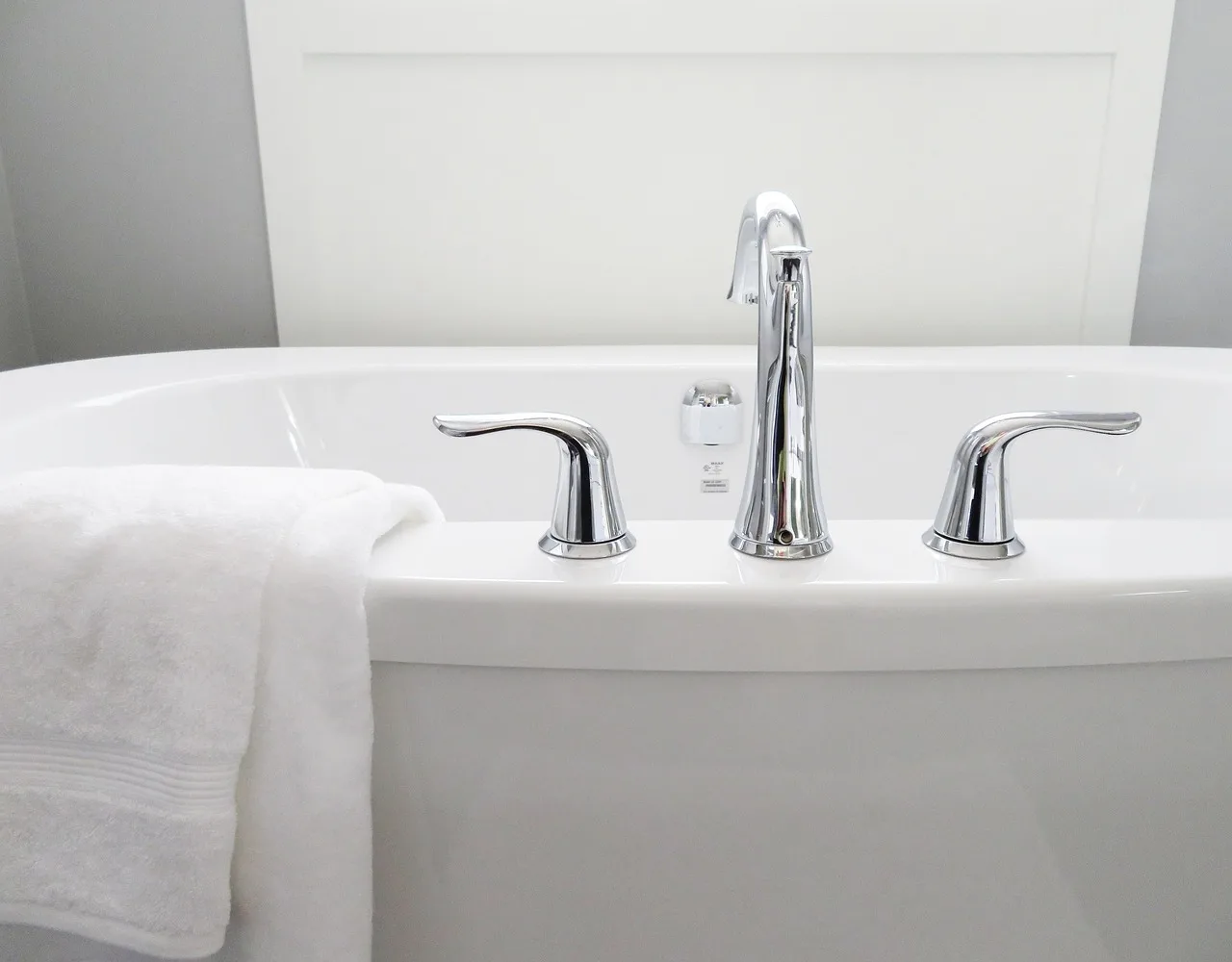
Bathtub Refinishing Cost: What to Expect Before Paying
Bathtub refinishing usually costs a few hundred dollars for a standard tub, while replacement can start in the low thousands and go much higher; refinish if the tub is sound, replace it if there is rust-through, cracks, or plumbing damage. Skipping proper prep can leave a peeling coat, hidden leaks, and a second bill. Here’s the cost breakdown, the factors that move price, and the point where replacement makes more sense.
This guide is part of our Bathroom cleaning and maintenance series.
How much does bathtub refinishing cost?

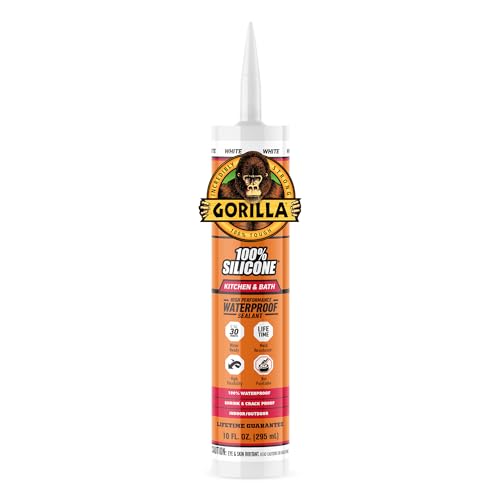

Bathtub refinishing costs about $480 on average, and most standard projects fall between $335 and $630. A basic professional job usually includes stripping, sanding, caulking, and resealing, then a new coating and cure time before the tub can be used again.
What a basic pro refinish usually includes
The standard refinishing method involves stripping, sanding, caulking, and resealing. That work removes failed finish and gives the new coating a clean bond surface. Expect a pro to mask surrounding finishes, clean thoroughly, repair small defects, and spray or roll on the new coating system.
How long the job takes and when you can use the tub again
Professional refinishing typically uses 6 to 14 hours of labor, often spread across surface prep, coating, and cleanup. Use restrictions matter as much as labor time. The tub usually needs cure time before water exposure, and ventilation matters because odor can spread into nearby rooms during and after application.
📊 Bathtub refinishing costs about $480 on average. Source: How Much Does Bathtub Refinishing Cost? (2026 Guide).
What changes the price to refinish a tub?
Material, damage level, and prep work drive bathtub refinishing price more than the coating itself. Fiberglass is usually cheaper to refinish than porcelain or cast iron, but chips, peeling, rust, drain trim issues, and poor ventilation can raise labor and add repair steps.
Material differences: fiberglass, porcelain, cast iron, and enamel
Fiberglass tubs cost $250 to $600 to refinish, and fiberglass refinishing total cost is listed as $250 to $600. Porcelain refinishing total cost is listed as $350 to $600. Cast iron and enamel tubs run $300 to $650 to refinish, and cast iron refinishing total cost is listed as $300 to $650.
Fiberglass often needs less aggressive prep than heavy metal tubs, but older fiberglass can have flexing, dulling, or prior coating failure. Porcelain, cast iron, and enamel-coated tubs can take more abrasion and correction, which is why labor can rise when the surface has chips or rust spots.
Damage level: chips, cracks, peeling, and rust
Small chips are usually repairable, but cracks, widespread peeling, and rust-through change the job. A tub with active corrosion or repeated delamination needs more prep, more filler work, and a higher risk of early failure. That is where refinishing starts to lose value versus replacement.
Prep work, drain trim, caulk removal, and ventilation setup
Old caulk, drain trim, and poor airflow add time before coating even starts. Removing failed caulk and resetting the joint helps keep water out at the tub edge. Drain trim may need replacement if it is stained, corroded, or difficult to mask cleanly. Ventilation prep matters in occupied homes.
Which refinishing method are you paying for?
Method matters because not every tub refinishing job uses the same coating system or level of surface correction. Standard refinishing is usually the lowest-cost professional option. Miracle Method sits higher in the price range, while epoxy and urethane systems vary by installer, prep quality, and expected wear.
Standard refinishing versus epoxy coating
Standard refinishing is the common budget-friendly route and usually covers stripping, sanding, repairs, caulking, and resealing. Epoxy coating is a more specific coating approach that some contractors use for adhesion and finish buildup. The main cost difference is often labor, prep depth, and the number of coating layers.
Urethane coating and how it affects durability
Urethane coating is often discussed as a tougher finish option than basic DIY-type kits, but performance still depends on prep and cure time. Better coating chemistry does not fix cracks, rust-through, or a failing substrate. A well-prepped basic system usually beats a premium coating applied over damaged material.
Where Miracle Method fits in the price range
The modern Miracle Method can cost $500 to $650 for a tub, and a tub and shower can cost $1,000 to $1,200 with the Miracle Method. That places it above the lowest-cost standard jobs, but still far below a full bathroom replacement project.
Should you refinish or replace the bathtub?
Refinishing is usually the lower-cost fix when the tub shell is sound and the goal is cosmetic renewal. Replacement becomes the better long-term spend when there are structural cracks, rust-through, repeat finish failure, or a larger remodel already needs plumbing or layout changes.
Cost comparison with bathtub replacement
A brand-new bathtub installation can cost $1,400 to $10,500. That range covers the tub, labor, removal, and the possibility of extra plumbing or wall repair. By comparison, refinishing usually stays in the low hundreds, so the savings are large when the tub can safely be kept in place.
When replacement becomes the better option
Replace instead of refinish when the tub has cracks, rust-through, active leaks, or repeated delamination. Replacement also makes more sense if the bathroom project already requires new tile, valve changes, plumbing access, or layout work. At that point, the extra removal cost buys a lower-risk long-term result.
When refinishing is the lower-risk spend
Refinishing is the better bet for landlord rentals, aging-in-place baths, and modest remodels where the tub still holds water and the goal is a cleaner look. If the surface is dull, stained, or lightly chipped, refinishing can improve home appeal without opening walls or changing plumbing.
Use this tub condition decision table
This table gives a practical decision threshold. If the tub is sound, refinishing usually wins on price. If damage is structural or the bathroom already needs major work, replacement usually becomes the smarter spend even though the upfront cost is much higher.
| tub condition | expected refinishing cost band | recommended action |
|---|---|---|
| Light wear, dull finish, small chips, no leaks | $335 to $630 | Refinish |
| Fiberglass with localized chips or stain buildup | $250 to $600 | Refinish if the shell is firm and not flexing |
| Porcelain or cast iron with moderate surface wear | $300 to $650 | Refinish if there is no rust-through or cracking |
| Peeling finish, old caulk failure, minor drain corrosion | $335 to $650 plus add-ons | Refinish only if repairs are localized |
| Cracks, rust-through, active leaks, repeated delamination | Not a good refinishing candidate | Replace |
Add-on cost checklist
- Chips: patching and blending before coating
- Rust: sanding, corrosion removal, and spot repair
- Caulk: removal and replacement after coating cures
- Drain trim: replacement or masking if old parts are stained or corroded
- Ventilation prep: fans, airflow setup, and odor control
Say your 30-year-old cast iron tub has three small chips, stained caulk, and a dull finish but no rust-through. That is a reasonable refinishing candidate. Suppose the same tub has flaking edges, a soft spot near the drain, and plumbing access already open for a valve change. Replacement becomes the safer call.
What do professional installers charge?
Professional refinishing pricing usually reflects labor hours, coating system, prep complexity, and the installer’s warranty terms. Labor rates commonly range from $50 to $120 per hour, and most jobs need 6 to 14 hours. A licensed or locally established contractor is easier to verify for warranty support and follow-up.
Typical labor hours and hourly-rate logic
Using the stated labor range, a job can move quickly on a clean fiberglass tub or stretch longer on a damaged cast iron unit. More labor goes to repair, masking, and ventilation setup, not just the finish coat. That is why cracked or peeling tubs cost more.
Warranty, licensing, and local contractor checks
Ask whether the work is warrantied, what voids that warranty, and whether the installer is licensed where local rules require it. A local contractor is easier to reach if adhesion fails or a drain edge needs correction. Written scope matters more than a low quote.
What to ask before you book
- What prep steps are included?
- Will chips, rust, and old caulk be repaired?
- How long before the tub can be used?
- What odor or ventilation steps are required?
- Is the work covered by a written warranty?
Is a DIY refinishing kit worth it?
DIY refinishing kits are typically $30 to $150 for materials, so they are far cheaper up front than professional work. The tradeoff is durability, surface quality, and warranty protection. For a quick cosmetic fix, DIY can make sense; for a long-life finish, pro work is usually better.
Material-only cost versus professional pricing
The kit price can look attractive beside the $335 to $630 standard pro range. But the kit does not include skilled surface correction, labor time, or warranty support. If the tub has rust, deep chips, or old coating failure, the savings can disappear fast if the finish peels.
Durability tradeoff and lack of warranty
DIY kits rarely match professional prep depth or coating consistency. They also depend heavily on temperature, masking, ventilation, and cure timing. Without a warranty, a mistake usually means buying a second kit or hiring a contractor later, which can erase the original savings.
Best-fit situations for DIY
DIY is best for a low-traffic guest bath, a rental turnover with modest expectations, or a tub that only needs temporary cosmetic improvement. It is a poor fit for cracked surfaces, severe rust, or any bathroom where you need a long service life from the refinish.
How does refinishing fit into a bathroom remodel?
Refinishing can save a large share of a remodel budget when the tub is structurally sound and the rest of the room does not need plumbing changes. It is especially useful in rental units, aging-in-place baths, and modest resale updates where a cleaner tub improves appearance without major demolition.
Where refinishing saves money in a remodel
Keeping the existing tub avoids demolition, disposal, and tile repair around the alcove. That keeps the project smaller and faster. If the bathroom floor plan stays the same, refinishing often preserves budget for higher-impact items like lighting, paint, or vanity replacement.
Rental, aging-in-place, and resale considerations
For rentals, refinishing can reduce vacancy time and refresh the bath at a fraction of replacement cost. In aging-in-place projects, keeping the existing tub may help avoid a larger remodel while improving cleanliness and grip-ready appearance. For resale, a clean tub often reads better than a worn one.
How a renewed tub affects room appeal
A bright, uniform finish removes the distraction of stains, yellowing, and patchy wear. That can make the whole room feel better maintained even if other fixtures stay in place. It is a practical cosmetic upgrade, not a structural fix.
What does bathtub refinishing cost near me?

Local bathtub refinishing price changes mostly because of labor rates, travel time, job access, and local contractor demand. The coating materials are similar from place to place, but prep complexity, warranty terms, and whether the contractor handles repairs in-house can move the final quote.
What matters most near you is not the zip code itself. It is whether the installer has to remove old caulk, repair chips, deal with rust, mask nearby tile, and set up ventilation in a tight bathroom. Those are the cost drivers that make local quotes differ.
Frequently asked questions
How much does it cost to refinish a tub?
Most tub refinishing jobs cost in the low hundreds, with a standard range of $335 to $630. Fiberglass refinishing is listed at $250 to $600, porcelain at $350 to $600, and cast iron at $300 to $650. Add repair work if the surface is damaged.
How much to replace a bathtub?
A new bathtub installation can cost $1,400 to $10,500. The lower end may cover a basic swap, while the higher end usually reflects removal, installation labor, and added plumbing or wall repairs. Replacement becomes more attractive when the old tub has structural damage.
How long does bathtub refinishing take?
Professional refinishing typically uses 6 to 14 hours of labor. Actual calendar time can run longer because the coating needs to cure before the tub is used again. Good ventilation and a clear schedule matter so odor and dust do not affect the rest of the home.
When is it better to replace instead of refinish?
Replace the tub when there are cracks, rust-through, active leaks, or repeated coating failure. Replacement is also the better choice during a remodel that already requires plumbing changes or wall work. In those cases, refinishing risks being a short-term fix for a deeper problem.
What affects the cost to refinish an old bathtub?
Age alone does not set the price. The bigger drivers are tub material, chips, peeling, rust, drain trim condition, caulk removal, and ventilation prep. A sound fiberglass tub is usually cheaper to refinish than a damaged cast iron or enamel unit with extensive correction work.
Products related to this article
Sponsored / affiliate links. As an Amazon Associate I earn from qualifying purchases. I may earn additional commission from eligible campaigns.
 All-in-One Water-Based Wood Refinishing Paint - Low VOC, Fast-Drying, for Furniture, Cabinets & Doors - Easy Furniture Makeovers, with Paint Roller (Orange Brown, 16 Fl Oz)
 Bathroom Counter Organizer, Large Makeup Organizer Countertop, Shelf Storage, Vanity Tray, Easily Assemble for Bathroom Organizers and Storage, Undersink, Cabinet, 2 Tiers Clear