5 Best Bathroom Shelves for Small Spaces (2026): we compared
For small spaces, over-the-toilet or wall-mounted shelves with a roughly 6–8 inch depth are often a practical choice; freestanding shelves may work if you have around 12 inches or more of clear floor width and want a renter-friendly option. Bad shelf choices block movement, crowd fixtures, or fail at the wall. This guide ranks shelf types by footprint, depth, installation risk, and the items each one stores best.
This guide is part of our Bathroom cleaning and maintenance series.
Quick comparison
| Product | Badge | Best for | Price | ||
|---|---|---|---|---|---|
 |
Snughome Rustic Corner Shelf Stand for Desktop, 4 TierSnughome | Also great | 4-tier freestanding corner shelf · rustic brown | $37.68
Price as of 10 Oct 2026
|
View |
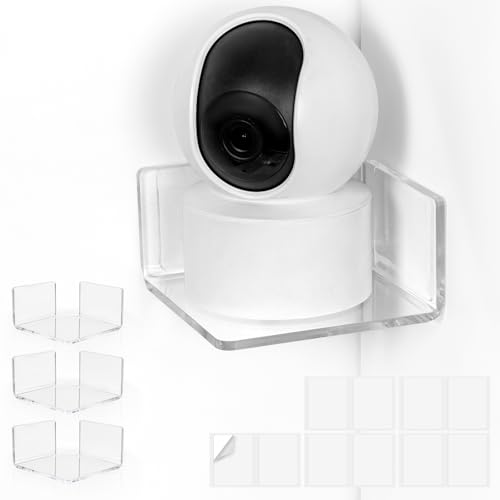 |
HAYVAN Small Corner Shelf Wall Mounted 3 Pack Clear AcrylicHAYVAN | Budget pick | 3-pack clear acrylic corner shelves · no-drill | $18.99
Price as of 10 Oct 2026
|
View |
 |
Gizoon 67.1" Tall Bathroom Storage Cabinet with AdjustableGizoon | Upgrade pick | Tall linen cabinet · adjustable shelves · waterproof | $69.98
Price as of 10 Oct 2026
|
View |
 |
Delamu 2-Tier Multi-Purpose Bathroom Under Sink OrganizersDelamu | Our pick | 2-tier under-sink organizers · pull-out drawers · stackable | $25.99
Price as of 10 Oct 2026
|
View |
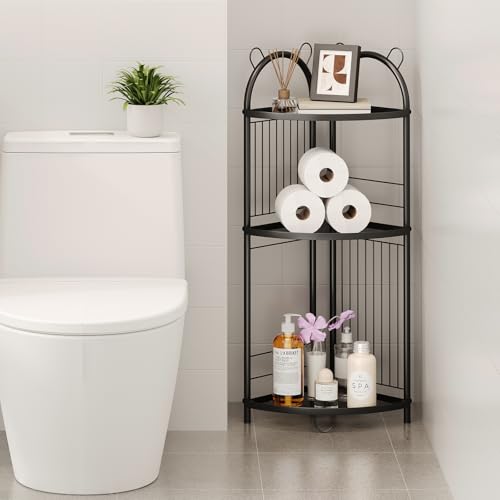 |
Corner Bathroom Shelf Metal Short Corner Stand Shelf BlackCICUFY | Also great | 3-tier metal corner shelf · black · shower-safe | $29.99
Price as of 10 Oct 2026
|
View |
Use the comparison table to match shelf type to wall width, depth, and risk level before you buy. In a small bathroom, fit matters more than style, because a shelf that sticks out too far can crowd the door swing or make the toilet area feel tight.
How we chose
This ranking favors fit first. The main filters were shelf depth, floor footprint, and how much clearance each type needs around a vanity, toilet, or door swing.
Installation risk matters too. Drill-required shelves, adhesive mounts, suction cups, and freestanding units behave differently in humidity and on different wall materials.
Storage job came next. A shelf for folded towels should not be judged the same way as one meant for toilet paper, toiletries, or a small display.
We also weighed visual bulk. Glass, shallow profiles, and corner units usually read lighter than bulky frames, even when their storage capacity is similar.
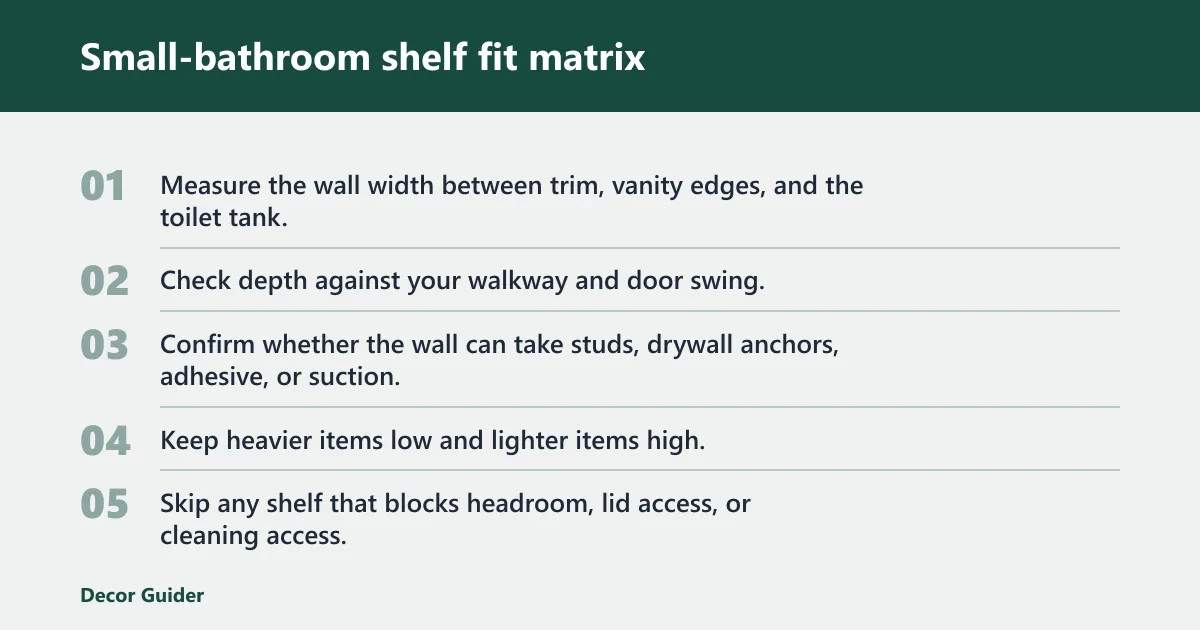
Small-bathroom shelf fit matrix
- Fits snugly into tight corners without permanent installation
- Sturdy metal frame supports multiple layers of items
- Fan-shaped design allows for flush wall mounting or freestanding use
Use this matrix as a quick fit check before shopping. The best shelf depends on room type, open wall width, depth, and whether you need hidden storage or only a small perch for toiletries.
| Room type | Available wall width | Shelf depth | Mount type | Weight limit | Recommended use case | Will this crowd the room? |
|---|---|---|---|---|---|---|
| Powder room | 25–36 in. of open wall above vanity or toilet | 4–6 in. | Floating wall shelf or glass shelf | Light to moderate, per manufacturer | Toiletries, hand towels, one small basket | No, if it stays shallow and above head level |
| Narrow full bath | 18–30 in. near a blank wall or corner | 6–8 in. | Corner shelf unit or over-the-toilet shelf | Moderate to higher, per manufacturer | Extra towels, tissue, daily-use items | Only if the shelf blocks the toilet tank or doorway |
| Rental | Any smooth wall, or 12 in. of clear floor width | 4–6 in. for walls; slim base for floor units | Freestanding, self-adhesive, or suction-cup | Usually lower for no-drill options | Toiletries, toilet paper, light decor, small baskets | No, if the unit is narrow and stable |
- Measure the wall width between trim, vanity edges, and the toilet tank.
- Check depth against your walkway and door swing.
- Confirm whether the wall can take studs, drywall anchors, adhesive, or suction.
- Keep heavier items low and lighter items high.
- Skip any shelf that blocks headroom, lid access, or cleaning access.
Will this crowd the room? quick checklist
- The shelf depth stays at 4–6 inches for shallow wall storage, or 6–8 inches if the wall is clear.
- The front edge does not protrude into the main walkway.
- The shelf sits clear of the toilet tank lid and the vanity mirror line.
- The room can still open the door fully without clipping the shelf.
- The highest shelf does not sit where it crowds headroom or feels visually heavy.
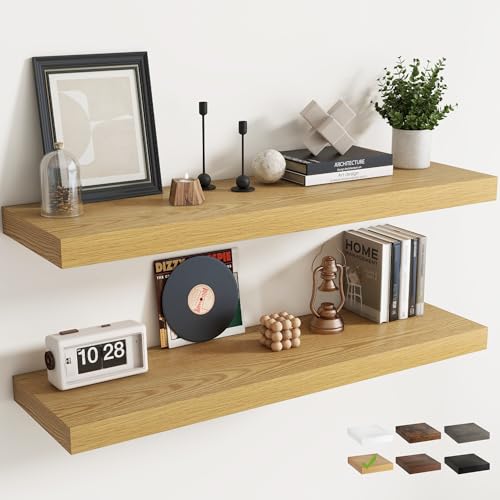
Floating wall shelves: best for keeping the floor clear
- Adhesive-backed for easy, tool-free installation on smooth surfaces
- Nearly invisible design blends into any decor
- Pack of three covers multiple small storage needs
Floating wall shelves work best when you have open wall space and want the floor fully open. IKEA recommends a wall-mounted glass shelf for toiletries, and Budget Nest Studio points to an 8-inch metal floating shelf for compact wall storage, which gives you a useful ceiling-to-floor tradeoff without adding a cabinet footprint.
Best depths for small bathrooms
For a tight bathroom, shallow is safer. A 4–6 inch depth is the cleanest fit above a vanity or toilet, while an 8-inch shelf should be reserved for walls with extra clearance and no door swing conflict.
Say your vanity wall has 28 inches of open width. A shallow floating shelf can hold daily toiletries and folded hand towels without visually pressing into the sink area. A deeper shelf in that same spot may work on paper, but it can make the room feel heavier.
Where to place them above a vanity or toilet
Above a vanity, floating shelves are best for items you reach often: soap refills, skincare, and one folded towel stack. Above a toilet, use them for lighter goods and keep the shelf high enough that the tank lid still opens cleanly.
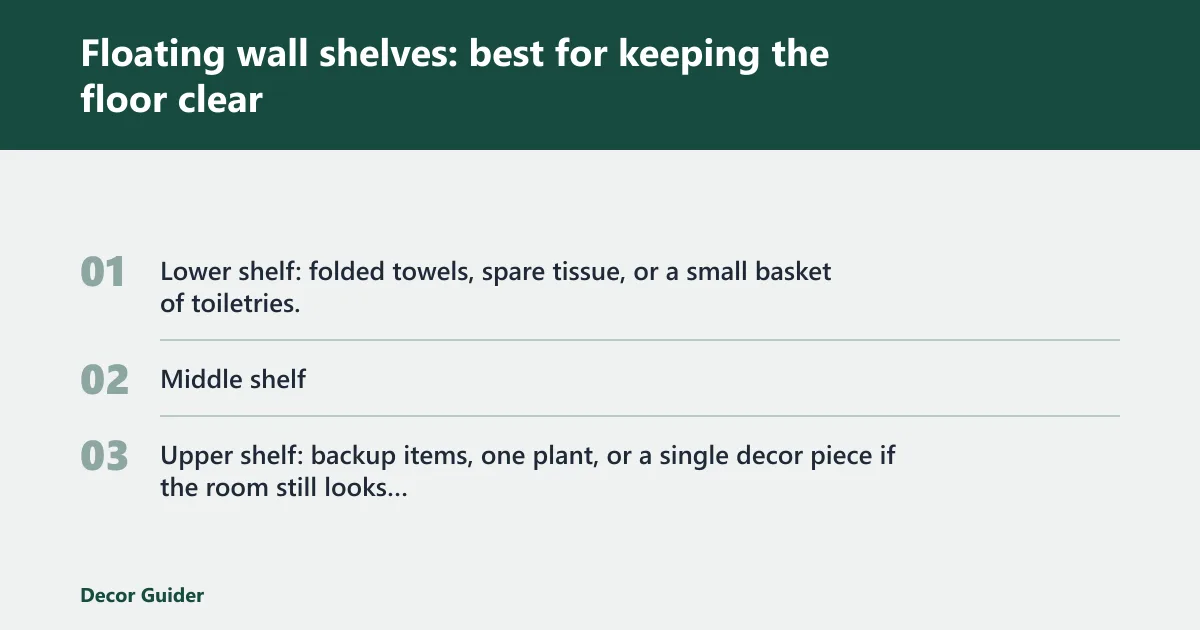
What goes on each level matters. Put the heaviest item on the lowest shelf, then keep the middle shelf for toiletries, and use the top shelf for reserve items or a small decor object. That order reduces visual clutter and lowers tip risk.
What to store on each shelf level
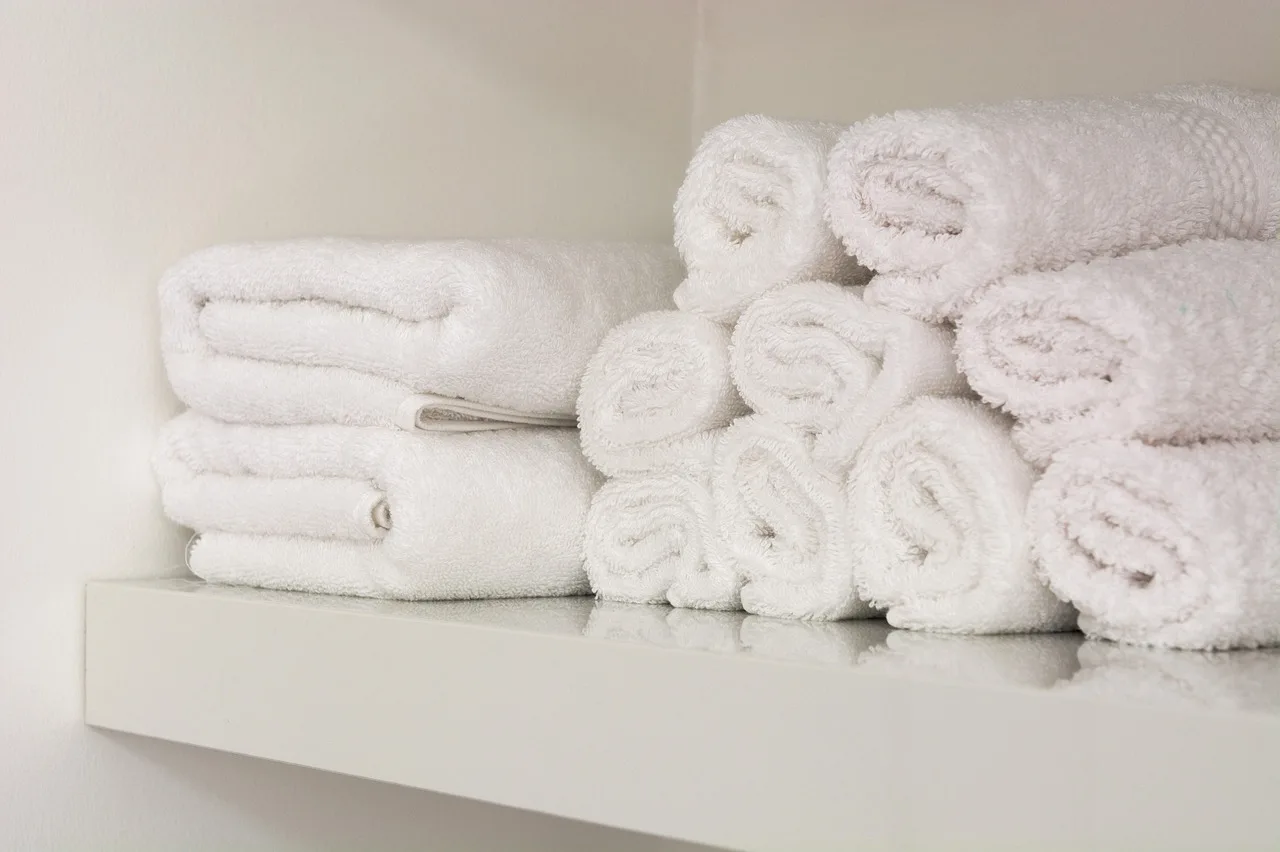
- Lower shelf: folded towels, spare tissue, or a small basket of toiletries.
- Middle shelf: hand soap refills, skincare, toothpaste, and daily grab items.
- Upper shelf: backup items, one plant, or a single decor piece if the room still looks open.
Floating shelves fail when they are too deep, too low, or too crowded. They also need sound mounting. On drywall, studs or proper anchors matter more than style.
Corner shelf unit: best for awkward angles
- Guardrails prevent items from sliding off shelves
- Durable metal construction supports heavier loads
- Fits neatly into bathroom corners for toilet or shower storage
Corner shelf units make the most sense when a room has dead corner space that would otherwise stay empty. IKEA recommends a corner shelf unit for extra towels and supplies, and that matches the core benefit here: a triangular or quarter-round form keeps traffic flow open while using space that a straight shelf cannot.
Triangle and quarter-round shapes
Triangle shelves fit tight corners well, while quarter-round forms soften the visual block a little. Both are useful when a straight wall shelf would cut into the room or sit too close to a sink edge.
Budget Nest Studio also notes slim corner and narrow units in compact sizes, including an 8.7-inch width for a narrow shelf unit. That kind of footprint is exactly what you want when every inch matters.
How to use dead corner space without blocking traffic
Corner units should tuck into an area where your shoulder will not brush them on the way to the sink or toilet. They work especially well beside a shower, next to a vanity end panel, or in a corner that would otherwise hold nothing.
A common first-timer mistake is picking a corner shelf that is visually small but physically awkward. If it forces a sidestep every time you cross the room, it is too large for the space.
Best use cases for toiletries and folded towels
Use the top of a corner shelf for items you do not need every hour, and keep the easiest-to-reach shelves for toiletries or rolled hand towels. IKEA’s guidance lines up with this use: corner storage is better for towels and supplies than for heavy decor.
Choose a corner shelf when the room has no spare straight wall, but keep the load moderate. Corner units often feel more open than a wide wall shelf because they leave the room’s main path intact.
What shelf type fits your bathroom?
Choose the shelf type that fits your wall space, not the one that looks most complete online. Floating shelves work best for open wall areas, corner units win in unused angles, over-the-toilet units suit vertical space, and freestanding narrow shelves fit rentals or rooms where drilling is a bad idea.
Choose floating shelves if wall space is open and shallow
Pick floating shelves when you need a shallow profile and a clear floor. They beat corner shelves when the wall above the vanity is wide enough and you want a more direct reach for toiletries.
Choose a corner unit if the room has unused angles
Corner units are the smarter call when a straight shelf would crowd the sink or toilet. They keep the center of the room open and make awkward angles useful.
Choose an over-the-toilet shelf if vertical clearance is available
Choose over-the-toilet storage when you need maximum vertical use and the room can handle the height. It is the best call for toilet paper, towels, and reserve supplies, but only if the shelf does not crowd headroom or block tank access.
Choose a freestanding narrow shelf if you cannot drill
Freestanding narrow shelves work best in rentals and low-risk setups. They need stable feet or anti-slip pads, but they avoid wall damage and are easy to reposition when the room layout changes.
Over-the-toilet shelf: best for vertical storage above the tank
Over-the-toilet storage is one of the strongest small-bathroom options because it uses vertical space that is usually wasted. It is especially useful for toilet paper, towels, and backup toiletries, but it must clear the tank and leave enough headroom so the room does not feel boxed in.
Clearance above the toilet and under the top shelf
The shelf should not sit so low that it interferes with the tank lid or so high that it becomes hard to reach. The space above the toilet matters just as much as the shelf itself, because poor clearance turns useful storage into an obstacle.
Freestanding vs. wall-mounted versions
Freestanding over-the-toilet units are easier for renters, while wall-mounted versions save a little more floor structure and can feel cleaner visually. Both can work, but the freestanding type is easier to remove and move if the room layout changes.
Look at the product dimensions before you choose. BROFJÄRDEN wall shelf with towel rail measures 75×29 cm, BROGRUND wall shelf with towel rail measures 47×27 cm, and BROFJÄRDEN wall shelf measures 60×6 cm. Those figures show how quickly a shelf can shift from compact to bulky.
What to store here without crowding headroom
- Extra toilet paper.
- Folded guest towels.
- One small basket of backup toiletries.
- A single low-profile decor item if the room still feels airy.
If the shelf sits too low or the room has a low ceiling, skip this format. In a tiny powder room, the wrong over-the-toilet unit can crowd the room more than it helps.
Freestanding narrow shelf: best for renters and low-risk setup
Freestanding narrow shelves are the easiest no-drill answer for renters and for bathrooms with delicate walls. They trade some wall efficiency for flexibility, and they work best when the footprint stays slim and the base is stable.
Slim base size and stability checks
Budget Nest Studio highlights a slim freestanding 3-tier shelf with a 15.8" x 10" footprint, which shows how compact a movable unit can be. It also notes a narrow bathroom shelf unit with an 8.7-inch width, a useful benchmark if you are trying to avoid a bulky base.
Keep heavier items on the lowest shelf. That lowers the center of gravity and helps the unit stay planted, especially on smooth tile.
Anti-slip pads and corner placement
Anti-slip pads matter when a unit sits on ceramic or vinyl flooring. Corner placement also helps, because it keeps the shelf out of the main traffic lane and makes the footprint feel smaller.
When a narrow rack beats wall mounting
A narrow rack beats wall mounting when you rent, the walls are hard to drill, or you expect to rearrange later. It also makes sense if you need more than one shelf zone but do not want to commit to anchors, studs, or adhesive hardware.
The drawback is visual and physical bulk. A freestanding unit uses floor space that a wall shelf would not, so keep the width tight and the storage job focused.
Which one should you buy?
Start with the room’s tightest constraint. If floor space is the problem, choose a floating wall shelf or over-the-toilet shelf. If wall space is awkward, choose a corner unit. If you cannot drill, choose a freestanding narrow shelf or a no-drill wall option with low load expectations.
Best pick by budget
If budget is tight and the wall is smooth, a no-drill option can be the fastest fix. HAYVAN’s 3-pack clear acrylic corner shelves are a low-cost way to use tiny corner zones, but they are best for lighter storage and smooth surfaces only.
Best pick for rentals
For rentals, freestanding shelves are the safest default because they avoid wall damage. If you want wall storage without drilling, self-adhesive options can work on smooth walls, but keep expectations modest and check the surface prep carefully.
Best pick for the smallest rooms
For the smallest rooms, choose the format with the least projection into the walkway. That is usually a shallow floating shelf, a corner unit, or a narrow over-the-toilet shelf. Avoid anything that turns the toilet area into a bottleneck.
Best pick if you need hidden storage
If you need concealed storage, pick a wall-mounted shelf with a basket or a small cabinet-style solution. A basket can hold toilet paper, cotton rounds, and other small items that look messy on open shelves.
For comparison, the GIZOON 67.1" tall bathroom storage cabinet and the Delamu under-sink organizers are not shelf replacements in the strict sense, but they may fit better if your real problem is concealed storage rather than display. Use them only if their footprint fits the room.
Installation options: wall mount, adhesive, suction, and no-drill
Installation risk should guide the purchase as much as depth does. Wall-mounted shelves need hardware and wall support. Self-adhesive shelves reduce drilling but need smooth surfaces. Suction cups are temporary and humidity-sensitive. Freestanding units avoid wall risk but occupy floor space.
Drill-required shelves
Use drill-required shelves when you need better load support and have the right wall type. They are the most secure option for heavier towels or stacked supplies, especially on studs, drywall with proper anchors, concrete, or brick.
Self-adhesive mounting
Self-adhesive shelves are best for renters and smooth walls. SKOGHALL towel rail is self-adhesive and measures 43×6 cm, which shows how compact a no-drill rail can be. The tradeoff is load expectation: keep the weight light and the surface prep precise.
Suction-cup storage
Suction-cup storage is temporary and easy to reposition. TISKEN towel rack uses a suction cup, which makes it useful for lightweight items, but humidity and surface texture can reduce performance, so it is better for short-term or low-load use.
No-drill takeaways
No-drill options work best for toiletries, lightweight towels, or small accessories. They are not the first choice for heavy supplies, high humidity, or rough wall surfaces.
Materials that work best in humid rooms
In a humid bathroom, choose materials that resist moisture and stay visually light. Glass, coated metal, and sealed finishes tend to suit small rooms better than heavy, dark, or moisture-sensitive materials that make the room feel denser.
Glass shelves
Glass shelves are the lightest-looking option. IKEA recommends a wall-mounted glass shelf for toiletries, and that makes sense above a vanity or beside a mirror where you want low visual bulk and a reflected-light effect.
Glass is best for minimal display items, not heavy storage. Keep the load modest and the styling sparse.
Metal, coated finishes, and waterproof cabinet surfaces
Metal shelves and waterproof-coated cabinet surfaces are practical in humid rooms if the finish is meant for bathroom use. They usually handle everyday storage better than decorative finishes that are more sensitive to moisture.
One simple rule helps: if the room is small, the material should not look heavy. Dark, boxy, or thick-framed shelves can make a tight room feel smaller even when the storage is useful.
How to keep shelves from making the bathroom feel crowded
- Compact footprint maximizes vertical storage in small bathrooms
- Adjustable shelves accommodate varying item sizes
- Waterproof finish resists moisture and easy to clean
Open shelves become clutter when you give them too much depth, too many objects, or too much visual weight. Keep the shelf shallow, store like items together, and leave some open space on each shelf so the room can breathe.
What to place on each shelf level
- Bottom level: heavier items, folded towels, or a basket of paper goods.
- Middle level: daily toiletries and small containers.
- Top level: lighter backup items or one small decorative piece.
Common failure cases
- The shelf blocks the door swing.
- The shelf crowds the toilet tank or lid.
- The shelf protrudes too far into the walkway.
- The shelf sits so low that it crowds headroom.
- The shelf is deep enough to collect clutter instead of controlling it.
Suppose your bathroom is a narrow full bath with only 20 inches of open wall next to the toilet. A wide shelf may fit the numbers but still fail in practice if it clips the tank or forces you to sidestep every time you enter.
Frequently asked questions
What to put on small bathroom shelves
Use small bathroom shelves for the items you need to reach often: toiletries, folded hand towels, toilet paper, and one small basket for loose goods. Keep the heaviest pieces on the lowest shelf and avoid mixing many tiny display items, which quickly makes a small room feel busy.
What to put on a small bathroom shelf
A small bathroom shelf should hold light, useful items first. Good choices are soap refills, skincare, rolled washcloths, a spare tissue box, or a single basket for cotton rounds. Skip bulky decor unless the shelf is purely decorative and does not crowd the room.
Best bathroom storage for small spaces
- Pull-out drawers improve accessibility for small items
- Movable dividers adapt to different storage needs
- Stackable design expands storage vertically in tight spaces
The best bathroom storage for small spaces is the one that matches the room’s constraint: wall space, floor space, or drilling limits. Over-the-toilet shelves and floating shelves are strong for vertical use, while freestanding narrow shelves are safer for rentals and rooms where wall mounting is not practical.
Best bathroom shelves for small spaces
The best bathroom shelves for small spaces are shallow floating wall shelves, corner shelf units, and compact over-the-toilet shelves. Choose the format that keeps the walkway open and the toilet area clear. A shelf that looks slim but blocks the room is the wrong choice.
What bathroom shelves work in a rental with no drilling
For rentals with no drilling, choose freestanding narrow shelves, self-adhesive shelves on smooth walls, or suction-cup storage for very light items. Freestanding units are the safest bet for load and flexibility, while suction and adhesive options are better for lightweight toiletries and temporary setups.
How deep should small bathroom shelves be
For most small bathrooms, 4–6 inches is the safest depth range for wall shelves. If you have more clearance and want a bit more usable surface, 6–8 inches can work, but deeper shelves are more likely to crowd movement or collect clutter in a tight room.
Should I choose floating shelves or a corner shelf for a small bathroom
Choose floating shelves if you have open wall space above a vanity or toilet and want the floor to stay clear. Choose a corner shelf if the room has an unused angle that would otherwise stay empty. Corner units are often better when a straight shelf would crowd the main path.
What is the best over-the-toilet shelf for a small bathroom
The best over-the-toilet shelf for a small bathroom is one that clears the tank, respects headroom, and stays shallow enough not to feel bulky. It should hold toilet paper, towels, or backup supplies without making the toilet zone hard to access or visually heavy.
What materials work best for bathroom shelves in humid rooms
Materials that work best in humid rooms are glass, coated metal, and moisture-resistant finishes. Glass keeps the room visually light, while coated metal and bathroom-rated finishes hold up better to daily humidity. Avoid finishes that swell, peel, or look heavy in a tight space.
Products related to this article
Sponsored / affiliate links. As an Amazon Associate I earn from qualifying purchases. I may earn additional commission from eligible campaigns.