Shower Curtain Liner vs Shower Door: Which Fits Best?
Choose a shower curtain liner for the cheapest, easiest fit in an existing tub or awkward shower; choose a shower door when you want firmer splash control and a cleaner look, and the opening is square enough to accept one. Choose wrong, and you get wet floors, mildew, sticky tracks, and a cleanup routine that never really stops. This guide compares cost, leak risk, cleaning burden, fit, and where each option fails in small, family, and low-ventilation bathrooms.
This guide is part of our Bathroom cleaning and maintenance series.
What is the real trade-off between a liner and a door?


The real trade-off is control versus flexibility. A liner costs less, swaps fast, and tolerates a tub, rod, or wall that is less than perfect. A door holds water better when the size and seal are right, but it brings hardware, clearance rules, and cleaning work that stays after the install.
| Decision factor | Shower Curtain Liner | Shower Door | Winner |
|---|---|---|---|
| Upfront cost | Lowest. A liner can be bought cheaply, and Bath Fitter says shower curtains can cost as little as $20. | Higher. Glass, hardware, and install raise the bill quickly. | Shower Curtain Liner |
| Install effort | Simple. Lifespan says curtains are easy to install with a walk-in shower curtain rod or tension rod. | More demanding. Framing, sealing, and alignment matter. | Shower Curtain Liner |
| Water containment | Good when sized and hung well, but gap, rod height, and movement can cause splash-outs. | Usually better, especially with sound seals and a properly shaped threshold. | Shower Door |
| Cleaning time | Lower day-to-day effort if washable; higher if it needs frequent replacement. | Higher wiping load because glass shows soap scum and spots fast. | Shower Curtain Liner |
| Mildew risk | Higher in damp rooms, especially with poor drying and constant bunching. | Lower on the panel itself, but tracks, seals, and corners can trap grime. | Shower Door |
| Rental fit | Strong. It is easier to remove and replace without changing the room. | Weak to moderate. Permanent hardware is less forgiving for renters. | Shower Curtain Liner |
| Space clearance | Best in tight rooms because it does not need swing space. | Sliding styles help, but swinging doors need clear floor area. | Shower Curtain Liner |
| Resale impact | Usually neutral. It is practical, but seldom a selling point. | Can help when the bath already suits glass and the install looks clean. | Shower Door |
Upfront cost and install effort
Once hardware enters the cart, costs break apart fast. A liner is the safer buy for an existing tub or a shower with questionable wall flatness, while a door often needs more labor and a straighter opening. If tile is damaged, out of plumb, or patched badly, the door job gets pricier and less forgiving.
Water control and cleanup
The shower door usually wins when the seal is right. The liner can still work well, but it depends on the rod height, the liner length, and whether the bottom stays inside the tub or curb. A short liner, a weak magnet, or a rod set too high will put water on the floor quickly.
Mildew and maintenance load
In a low-ventilation bath, the liner asks for more attention. PEVA and vinyl resist water well, polyester is often the more washable option, and all of them need drying time if the room stays humid. Doors shift the burden to glass, tracks, seals, and corners, where soap scum and hard-water film build up.
Rental fit and room changes
For rentals, a liner is the safer bet because it can be swapped without turning the bath into a project. A door makes more sense when the room is owned, the opening is stable, and the household wants a longer-term fix. A good door can last for years, and Bath Fitter says shower doors can last up to 30 years.
According to Shower Curtains vs. Shower Doors: Weighing the Pros and Cons — Bath Fitter says shower curtains can cost as little as $20.
Which is cheaper to buy and install?
The liner is cheaper to buy and install in nearly every ordinary bathroom. The door costs more because it needs glass, seals, tracks or hinges, and a tighter install process. If the wall is out of plumb or the opening is custom, the gap between the two options gets wider.
What goes into the liner bill
A liner usually means the liner itself, a rod if the current one is weak, and hooks or rings if the existing set is worn. Standard liners are often around 70 x 72 in, and that size fits many tub-shower setups without custom work. PEVA, vinyl, and polyester all sit in this category, but the fabric and finish change how long the liner lasts and how often it needs washing or replacement.
What goes into the door bill
A door often uses tempered safety glass in a common thickness range of about 1/4 in to 3/8 in, plus framed or frameless hardware, track or seal parts, and installation labor. Sliding doors are often the better choice where clearance is tight, and Bath Fitter says sliding shower doors are suitable for space-constrained bathrooms. Swinging doors need more open floor area and a more forgiving layout.
Does a shower door keep water in better than a liner?
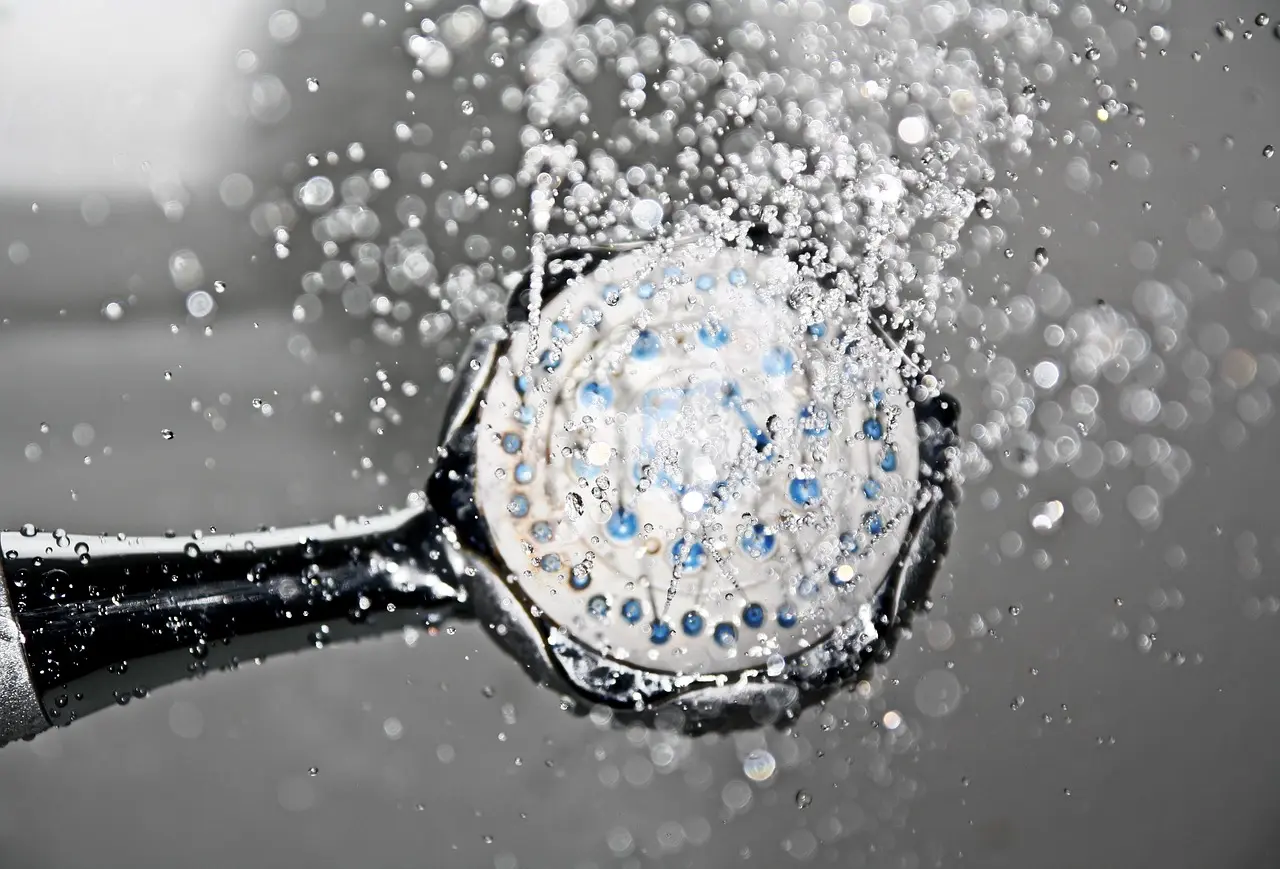
Usually yes, but only when the shower geometry supports it. A door seals better at the opening, while a liner depends on length, overlap, and how much the curtain moves when someone enters, exits, or runs water at an angle. Bad seals still leak, and a well-hung liner can beat a poorly fitted door.
Tub-shower alcoves
In an alcove tub-shower, the curb height and wall side panels help contain splash. A liner does fine here if it hangs inside the tub and reaches low enough. A door can be excellent too, but only when the surround is square and the wall condition can hold the hardware cleanly.
Walk-in showers
In a walk-in shower, water control depends more on the threshold, door seal quality, and spray direction. A liner is often weaker here because it flutters and leaves gaps at the opening. A door performs better when the opening width and curb shape match the hardware exactly.
Common leak points to watch
Short liners, rod height set too high, and showerheads aimed across the opening are the usual liner failures. For doors, weak seals, poor track maintenance, and a threshold that does not direct water back inside are the most common problems. The label matters less than the fit.
- Measure the opening width before choosing hardware.
- Check curb height or threshold shape.
- Look for wall and tile damage around the mount points.
- Test spray direction and splash zone before buying.
- Choose the option that matches the room, not the photo.
Which is easier to clean and keep mildew-free?
The liner is easier to replace, but the door is easier to keep looking tidy if someone is willing to wipe it often. The liner can go in the washer when it is machine-washable, or it can be replaced when stains or mildew win. The door needs a squeegee and regular glass cleaner to avoid spots and soap scum.
Cleaning a liner
PEVA and vinyl liners wipe down quickly and resist soaking through, but they can show buildup if they never dry fully. Polyester liners are often preferred when washability matters, because they can usually handle more regular laundering. Weighted hems and magnets can help the liner stay put, which can cut down on splash and bunching.
Cleaning a door
A door asks for daily or frequent wiping if hard water is an issue. A squeegee helps after each shower, and track or seal hardware needs periodic cleaning so grime does not collect in the corners. Doors can look cleaner than liners, but only when the wiping habit exists.
How ventilation changes the job
Strong fan performance shortens drying time for both options. Weak airflow leaves moisture hanging on fabric, seals, glass edges, and the wall around the surround. In that setting, mildew risk rises fast, especially in bathrooms used by kids or shared by multiple people.
How do bathroom layout and ventilation change the choice?

Layout often decides the winner before style does. A curtain fits more openings and needs less clearance, while a door needs room to swing or a track path to slide. Ventilation then determines how hard the upkeep will be after the install is done.
Clearance and opening width
Swinging doors need space to open without hitting a vanity, toilet, or wall edge. Sliding doors reduce that problem, which is why they work well in tighter rooms, but tracks still need cleaning. Curtains avoid both issues and are the easiest answer when the bath is narrow or the tub is awkwardly placed.
Alcove versus walk-in
An alcove tub-shower often favors a liner because the opening is predictable and the tub already acts as a splash catcher. A walk-in shower can favor a door when the threshold and wall condition are right. If the surround is uneven, tiled badly, or already showing water damage, the simpler option is often the safer one.
Ventilation, humidity, and mildew risk
Low airflow changes the whole decision. A bathroom that dries slowly will punish fabric and hardware alike, but it punishes a damp liner faster because the material stays folded and wet. In that setting, a door can be easier to maintain if the owner is willing to squeegee it and clean the tracks.
Decision matrix: liner vs door by bathroom type
This scorecard is a practical shortcut. Higher scores favor the option that solves more problems in that room type, not the one that looks best in a catalog. The recommendation column points to the choice least likely to leak, mildew, or get in the way.
| Bathroom type | Shower Curtain Liner | Shower Door | Recommendation |
|---|---|---|---|
| Tub-shower | 8/10 | 7/10 | Liner if the room is older, rented, or slightly out of square; door if the opening is true and splash is a constant complaint. |
| Small bath | 9/10 | 6/10 | Liner, especially where a swinging door would hit fixtures or crowd movement. |
| Family bath | 7/10 | 8/10 | Door if the household wants less splash and can keep up with wiping; liner if kids or pets are rough on hardware. |
| Low-ventilation bath | 6/10 | 8/10 | Door if the owner will clean glass and tracks; liner only if it can dry fully and be washed often. |
Choose Shower Curtain Liner if… / Choose Shower Door if…
Choose a shower curtain liner if the bath is a rental, the opening is tight, the surround is not perfectly square, or the household wants a low-cost fix that can be replaced quickly. It is also the better pick when a standard 70 x 72 in fit works, the wall condition is uncertain, or a kid- and pet-heavy room needs parts that can be swapped without drama.
Choose a shower door if the room has enough clearance, the curb or threshold is shaped to control water, and the owner is willing to wipe glass and clean tracks. It is the stronger choice for long-term ownership, for homes with frequent splash problems, and for baths where a fixed opening matters more than easy replacement.
Do shower doors add home value?
They can, but only in the right setting. A door may help when the bathroom already feels finished, the glass looks clean, and the installation matches the room. It does not automatically pay back its cost, and a poor fit can hurt more than help.
Are shower curtains better for small bathrooms?
Usually yes. Curtains take almost no swing space, and that matters in narrow baths where a door would hit a vanity, toilet, or wall. Lifespan says curtains are great for smaller bathrooms, and that practical point holds up when clearance is the limiting factor.
How long do shower doors last?
Good doors can last for years with minimal wear and tear, and Bath Fitter says shower doors can last up to 30 years. That long life only shows up when seals, tracks, and cleaning habits stay in decent shape. Neglected hardware shortens the useful life quickly.
How do I stop a shower curtain from sticking?
Use a weighted hem, magnetic edge, or heavier liner material so the curtain hangs straighter. Keep the liner inside the tub, set the rod low enough to reduce flutter, and aim the showerhead away from the opening. Good airflow also helps the curtain dry instead of clinging.
Can I use a shower curtain liner in a bathroom with kids or pets?
Yes, and in many homes it is the smarter choice. Kids and pets are hard on hardware, so a liner is easier to replace if it tears, gets dirty, or starts smelling musty. A washable polyester liner is often the most forgiving option in that kind of room.
Which is cheaper: a shower curtain liner or shower door?
The liner is cheaper by a wide margin in almost every ordinary case. Bath Fitter says shower curtains can cost as little as $20, and Lifespan says curtains are budget-friendly, under $20 for a basic one. Doors add glass, hardware, and labor, which pushes the total much higher.
Which is easier to clean, a shower curtain liner or shower door?
The liner is easier to replace, but the door is easier to keep visually neat day to day if someone wipes it. A washable liner can go in the laundry, while a door asks for a squeegee, glass cleaner, and attention to tracks and seals. The easier choice depends on the cleaning habit in the house.
Is a shower curtain liner better than a shower door?
It is better when budget, clearance, or a less exact opening matter most. It is not better when splash control is the main issue and the bathroom can support a well-fitted glass enclosure. The right answer comes from room geometry, ventilation, and how much upkeep the household will actually do.
Products related to this article
Sponsored / affiliate links. As an Amazon Associate I earn from qualifying purchases. I may earn additional commission from eligible campaigns.