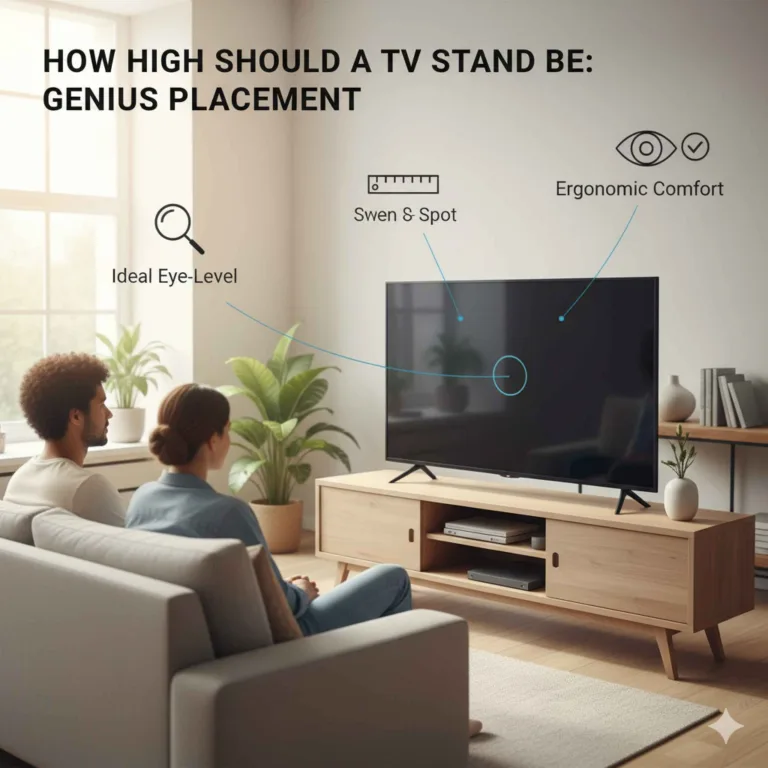
Open Shelf TV Stand vs Closed Storage: Pick by Setup
Choose an open shelf TV stand if you touch consoles, routers, or remotes often, and pick closed storage if you want a calmer room and better dust control; for hot gear, favor open or ventilated doors. Skip that choice and you invite overheating, cable mess, and a stand that works against the room. This guide compares open shelf vs closed storage by cable control, cooling, cleanliness, safety, and style, with a simple decision matrix for gamers, families, renters, and small spaces.
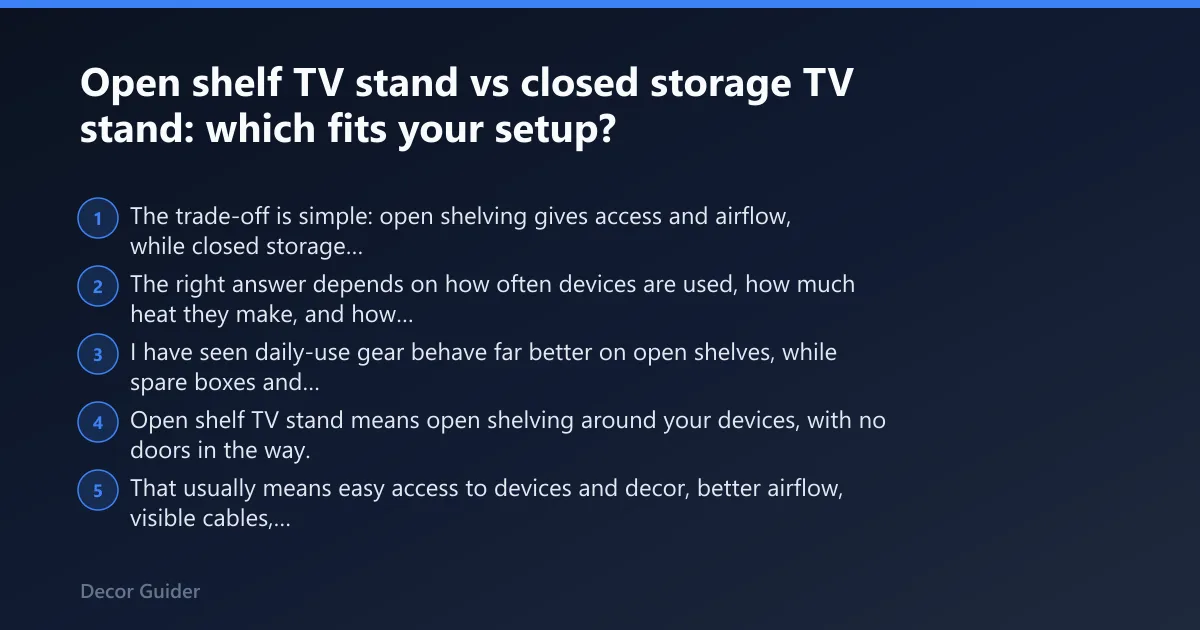
Open shelf TV stand vs closed storage TV stand: which fits your setup?
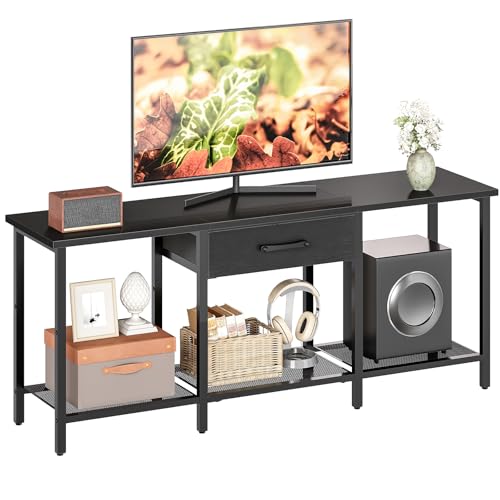

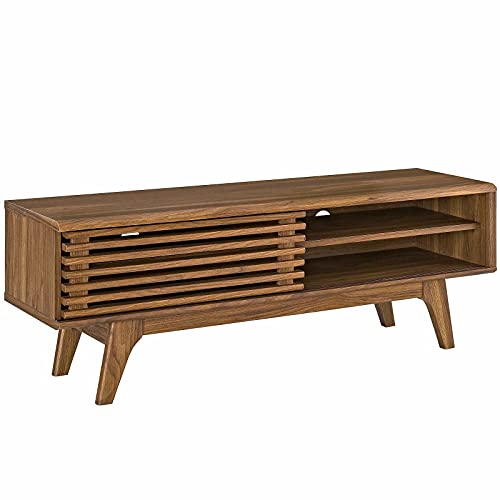
The trade-off is simple: open shelving gives access and airflow, while closed storage hides cords and cuts visual noise. The right answer depends on how often devices are used, how much heat they make, and how calm the room needs to feel. I have seen daily-use gear behave far better on open shelves, while spare boxes and family-room clutter usually belong behind doors.
Open shelf TV stand means open shelving around your devices, with no doors in the way. That usually means easy access to devices and decor, better airflow, visible cables, more dust exposure, and no door interference for remotes.
Closed storage TV stand means doors or drawers that hide cords and clutter. It also adds dust protection, but closed doors can trap heat and sometimes block remote signals, which matters more than most shoppers expect.
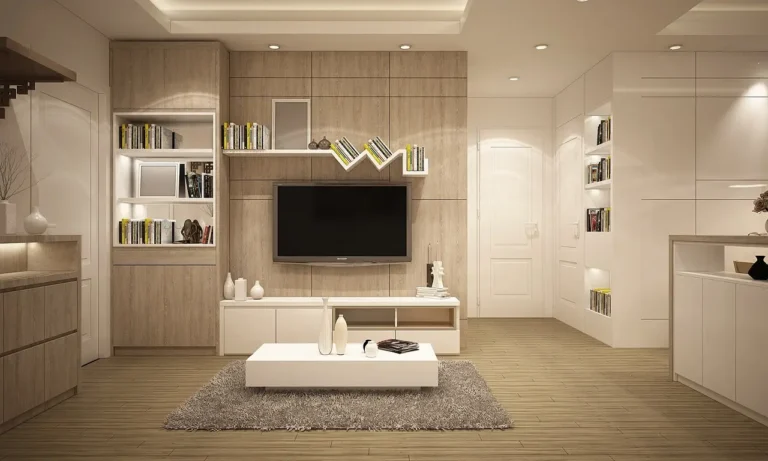
Hybrid TV consoles sit between the two. They mix open and closed storage, so the gear you touch often stays easy to reach while extra items stay out of sight.
When the choice is obvious, and when a hybrid unit is the smarter call
If a console, streaming box, or soundbar is used daily, open access usually wins. If the room already feels busy, and the stand will hold spare controllers, games, or kid clutter, closed storage often works better.
A hybrid TV console is the safer middle ground for busy living rooms. It gives you a display zone for gear that needs air and a hidden zone for the rest.
According to TV Stand – TV Bench – TV Table – TV Console Tables – IKEA… — IKEA notes the BESTÅ TV bench with doors can fit a 72 inch TV.
Open shelf TV stand vs closed storage TV stand: side-by-side comparison
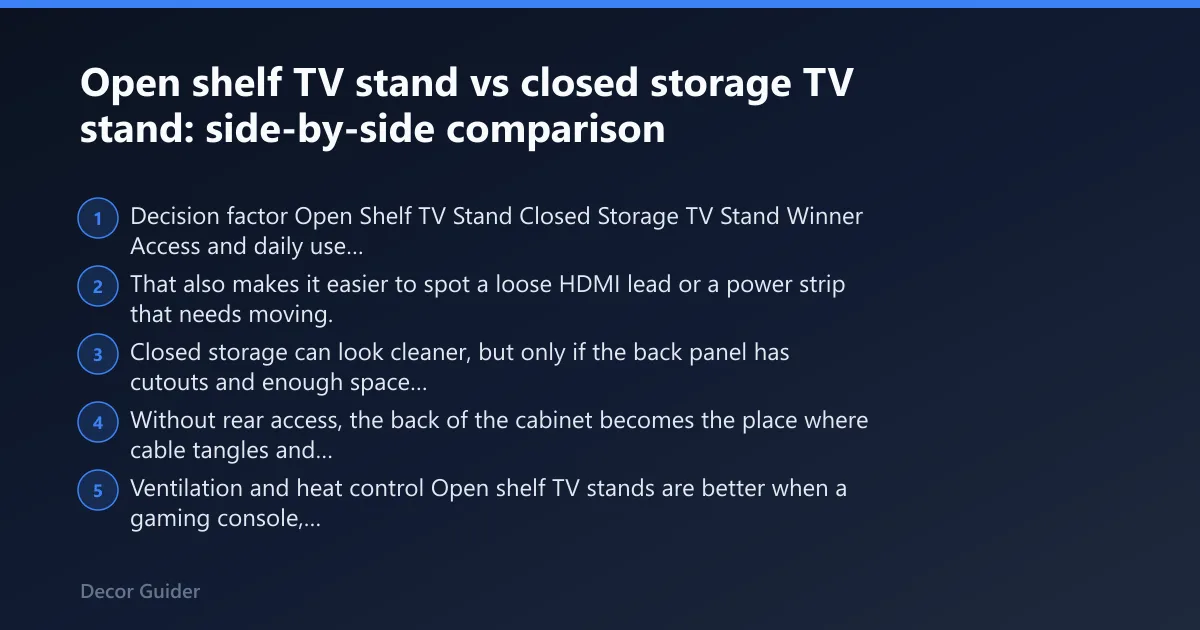
| Decision factor | Open Shelf TV Stand | Closed Storage TV Stand | Winner |
|---|---|---|---|
| Access and daily use | No doors to open; fast reach for remotes and devices | Slower access because doors or drawers must be opened first | Open Shelf TV Stand |
| Airflow and heat control | Air moves around electronics more freely | Can trap heat if doors are tight or vents are blocked | Open Shelf TV Stand |
| Dust and visual clutter | More dust exposure and more visible wiring | Hides cords and clutter, with better dust protection | Closed Storage TV Stand |
| Remote signal access | Open-front convenience, no door interference | Doors can block IR signals if the receiver sits inside | Open Shelf TV Stand |
| Family safety and spill control | More exposed gear and cables | Better barrier against curious hands, pets, and spills | Closed Storage TV Stand |
Cable management and rear access
Open shelves make cable routing easier because rear access is usually simpler and the wiring stays visible. That also makes it easier to spot a loose HDMI lead or a power strip that needs moving.
Closed storage can look cleaner, but only if the back panel has cutouts and enough space behind it for plugs. Without rear access, the back of the cabinet becomes the place where cable tangles and heat collect.
Ventilation and heat control
Open shelf TV stands are better when a gaming console, cable box, or streaming device runs hot. Air can move around the gear, and you are less likely to block vents with a decorative object.
Closed storage can work if the unit has real airflow space, not just a pretty front. Closed doors can trap heat, especially in summer, and stacked electronics can make the problem worse.
Dust, cleaning, and day-to-day maintenance
Open shelving collects dust faster because the gear is exposed. That means a more regular wipe-down, especially on top surfaces and around cable runs.
Closed storage protects gear from dust, but the cabinet still needs cleaning inside, around hinges, and at the floor line. The difference is that the mess is easier to hide, not that it disappears.
Safety, remote access, and household risk
Closed storage is usually safer in homes with kids or pets because doors reduce accidental button presses, tugged cables, and spills reaching gear. Open shelves leave more of the setup exposed.
Remote access also matters. If the TV box or console sits behind a solid door, the signal may not reach it cleanly, which is why open-front layouts are so convenient for everyday use.

Which TV stand is better for cable management?
Closed storage is better at hiding cords, but open shelving is often easier to wire neatly. The best cable management depends less on the front look and more on whether the stand gives you rear access, cutouts, and a sensible place for the power strip.
Visible wiring on open shelves
Open shelves keep wiring in plain view, so the quality of the cable route matters. When the cords are clipped to the back rail and grouped before they drop, the stand looks orderly instead of messy.
This layout also makes troubleshooting faster. A loose cable is obvious, and that saves time when a device stops responding.
Concealed cords with doors or drawers
Closed storage hides more of the wiring, which is useful when the room is shared and the stand sits in sight all day. It is the better choice if a clean front matters more than instant access.
The catch is that concealed cords need more planning. If plugs are stacked behind a solid back panel, future changes become annoying quickly.
Where to place the power strip and how to use rear cutouts
Place the power strip where the shortest cable runs can reach it, usually low and toward the back. Rear cutouts should line up with the devices, not sit too high or too far to one side.
If a stand has no rear opening, a closed model is more likely to turn into a tangle. That is one reason hybrid units often work better in real homes than either extreme.
Which TV stand is better for gaming consoles and soundbars?
Open shelving is usually better for gaming consoles and soundbars because those devices need easy airflow and quick access. Closed storage can work, but only if there is enough clearance and the front does not block sound or signal.
How much clearance consoles need
Gaming consoles run best when vents are not crowded by walls, doors, or stacked decor. A shelf that looks roomy from the front can still fail if the back is tight and hot air has nowhere to move.
For active gear, leave space around the intake and exhaust areas, and avoid pushing the device flush against a rear panel. Heat buildup starts with small blockages.
Soundbar placement and front-facing openings
A soundbar often works best in an open front bay where the speaker can face the room without a door in front of it. Closed doors can interfere with both sound and control signals.
If the soundbar is tall or deep, check the shelf depth before buying. A shallow cabinet can force the speaker too close to the front edge or push cables into a bend.
Heat traps to avoid in closed cabinets
Do not place a hot console behind a solid door with decorative objects crowding the vents. That setup traps heat fast, and it gets worse when multiple devices share one tight compartment.
If the stand has a closed section, put low-heat items there and keep the hotter gear in the open part. That is where a hybrid TV console earns its keep.
Which TV stand is easier to keep dust-free?
Closed storage is easier to keep dust-free because the gear is protected and the surfaces are hidden behind doors or drawers. Open shelves need more frequent wiping because dust settles directly on the devices, shelves, and cables.
Open shelf dust exposure and cleaning frequency
Open shelving puts every surface in the dust path. That means regular wiping is part of ownership, not an occasional chore.
If the room has pets, radiator dust, or heavy foot traffic, the cleaning cycle shortens. The stand will look fine longer only if the owner stays on top of it.
Closed storage and what still needs cleaning
Closed storage does reduce visible dust, but it does not remove cleaning. The top, door fronts, seams, and lower edges still collect grime.
Inside the cabinet, dust still settles around vents and cable openings. A cleaner front can hide a neglected interior for a while.
Spill risk, pets, and family traffic
In family rooms, spills and paw traffic are part of the equation. Closed storage gives more protection against accidents and tugged cables, especially if the stand sits near a walkway.
Open shelves are simpler to live with in quiet rooms, but they ask more from the household. The more movement near the stand, the more enclosed storage starts to make sense.
Choose open shelf TV stand if… / choose closed storage TV stand if…
Choose an open shelf TV stand if your devices are used daily, run warm, or need fast remote access. Choose closed storage if your top priority is a calmer-looking room, hidden wiring, and protection from dust or household contact.
Best fit for gamers and heavy device users
Open shelves usually suit gamers, streamers, and audio-first setups. These users touch their gear often, swap inputs more often, and care more about cooling than hiding the front of the system.
If the console stays on for hours, airflow matters more than a perfectly tidy facade.
Best fit for families with kids or pets
Closed storage is usually better for families with kids or pets. It reduces access to buttons, cords, and small gear, and it helps keep spills from reaching the devices as easily.
That said, the cabinet still needs ventilation. Safety should not come at the cost of heat buildup.
Best fit for minimalists and low-clutter rooms
Closed storage is the cleaner visual choice for minimalist rooms. It hides remotes, spare controllers, and cable runs, so the TV wall reads as calmer and less busy.
If the room already feels full, closed fronts often do more for the mood than another open shelf ever will.
When a hybrid TV console is the better middle ground
Hybrid TV consoles are the best middle ground for busy living rooms. Put hot, frequently used devices in open bays and keep extras, manuals, or game cases behind doors.
That split works well when the goal is both order and function.
How to size a TV stand for your TV and room
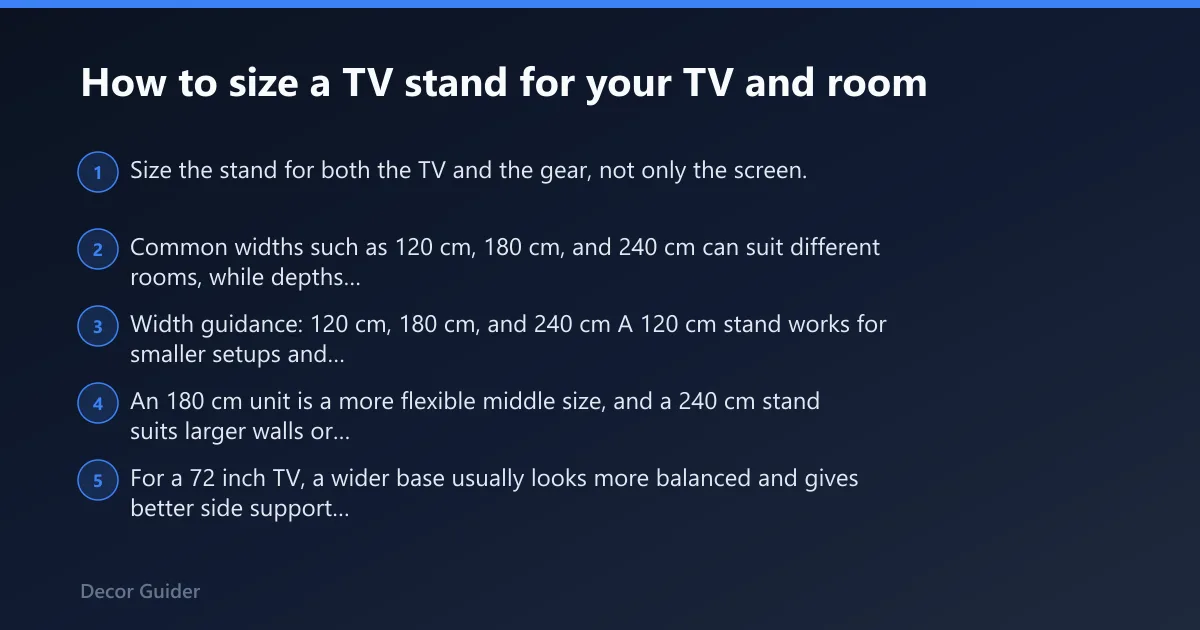
Size the stand for both the TV and the gear, not only the screen. Common widths such as 120 cm, 180 cm, and 240 cm can suit different rooms, while depths in the mid-30 cm to low-40 cm range can leave more room for cables and device bodies.
Width guidance: 120 cm, 180 cm, and 240 cm
A 120 cm stand works for smaller setups and tighter rooms. An 180 cm unit is a more flexible middle size, and a 240 cm stand suits larger walls or heavier storage needs.
For a 72 inch TV, a wider base usually looks more balanced and gives better side support visually. One useful reference point is the IKEA BESTÅ TV bench with doors at 180x42x38 cm, which IKEA says can fit a 72 inch TV.
Depth guidance: 35 to 42 cm
Depth is where many buyers misjudge fit. Around 35 to 42 cm is common territory for stands that need to hold a mix of boxes, consoles, and cables without crowding the back.
IKEA also shows examples such as the LACK TV bench at 120x35x36 cm and the BRIMNES TV bench at 180x41x53 cm. Those figures help show how depth changes the way a unit handles gear and cable space.
Fit checks for a 72-inch TV and larger gear
Before buying, check the stand width, the depth of the largest device, and the rear space for plugs. A TV can fit on a bench while the console still sits too deep for the shelf opening.
If the setup includes a soundbar, measure that too. The stand should allow front access, rear cable room, and enough air around the hottest component.
Decision matrix: open, closed, and hybrid TV stands scored
This one-page matrix is built for practical use. It scores each layout across ventilation, dust control, cable visibility, child/pet safety, and daily access, then points to the best match for common households.
| Criteria | Open Shelf TV Stand | Closed Storage TV Stand | Hybrid TV Console | Recommended choice |
|---|---|---|---|---|
| Ventilation | 5 | 2 | 4 | Open Shelf TV Stand |
| Dust control | 2 | 5 | 4 | Closed Storage TV Stand |
| Cable visibility | 2 | 4 | 4 | Closed Storage TV Stand |
| Child/pet safety | 2 | 5 | 4 | Closed Storage TV Stand |
| Daily access | 5 | 3 | 4 | Open Shelf TV Stand |
For gamers, the best pick is usually the open shelf TV stand because ventilation and daily access matter most. For families, closed storage is the better default because safety and dust control carry more weight.
For minimalists, the hybrid TV console often wins. It hides clutter while keeping one or two high-use devices easy to reach, which keeps the room calm without making the setup awkward.
Frequently asked questions
Is an open shelf TV stand better than a closed storage TV stand?
Open shelving is better when you use devices often, want easy rear access, or need better airflow. Closed storage is better when dust control, hidden cords, and a calmer room matter more. The better choice depends on whether the stand works like equipment furniture or storage furniture.
Do closed TV stands block remote signals?
They can. Solid doors may interfere with IR signals, especially when the device sits deep inside the cabinet or the receiver is tucked behind a front panel. Open-front layouts avoid that problem, which is why they often feel easier in daily use.
What TV stand is best for a family room with kids or pets?
Closed storage is usually the safer choice because it puts a barrier between children, pets, and the electronics. It also helps protect gear from spills and stray hands. Just make sure the cabinet still has enough airflow for any devices stored inside.
Can a hybrid TV stand solve open vs closed storage tradeoffs?
Yes. A hybrid TV console is often the most practical answer for mixed-use rooms because it keeps hot or frequently used devices open while hiding spare items and messy extras. That balance works well in homes where both order and access matter every day.
How much ventilation do electronics need in a TV stand?
They need enough clear space that vents are not blocked by doors, decor, or the back panel. The safest approach is to avoid crowding hot devices and to leave open air paths around intake and exhaust areas. Closed doors without ventilation are where problems usually start.
Which TV stand looks better in a minimalist living room?
Closed storage usually looks better in a minimalist room because it hides cables, accessories, and stacked devices. Open shelves can still work, but only if the setup is very tidy. If the goal is calm sightlines, closed fronts or a hybrid layout usually fit best.
What size TV stand should I choose for my TV?
Choose a stand that matches both the screen and the equipment. Common widths like 120 cm, 180 cm, and 240 cm cover most room sizes, while depths around 35 to 42 cm give more room for devices and cables. For a 72 inch TV, check the full footprint, not only the screen size.
Products related to this article
Sponsored / affiliate links. As an Amazon Associate I earn from qualifying purchases. I may earn additional commission from eligible campaigns.