Fireplace TV Stand vs Standard TV Stand: Which Fits?
Choose a fireplace TV stand only if it replaces a heater, media cabinet, or another piece of furniture; otherwise a standard TV stand is cheaper, lighter, and easier to place. I have seen the wrong pick waste floor space, add heat where nobody wants it, or leave you paying for storage you never use. This guide compares room fit, heat, storage, cost, and safety for living rooms, apartments, and family rooms.
| Decision factor | Fireplace TV Stand | Standard TV Stand | Winner |
|---|---|---|---|
| Heat function | Integrated electric fireplace, flame effects, supplemental heat | No built-in heat source | Fireplace TV Stand |
| Placement flexibility | Needs outlet access and more attention to heat clearance | Easier to place near a wall or corner | Standard TV Stand |
| Storage and media support | Often adds closed storage, cord ports, and media shelving | Can offer open or closed storage, shelves, and finish choices | Tie |
| Upfront cost pressure | Usually costs more because it combines furniture and heat | Usually costs less upfront | Standard TV Stand |
| Best fit for small spaces | Works when it replaces a separate heater or cabinet | Works when the goal is only TV support and storage | Tie |
What is the difference between a fireplace TV stand and a standard TV stand?

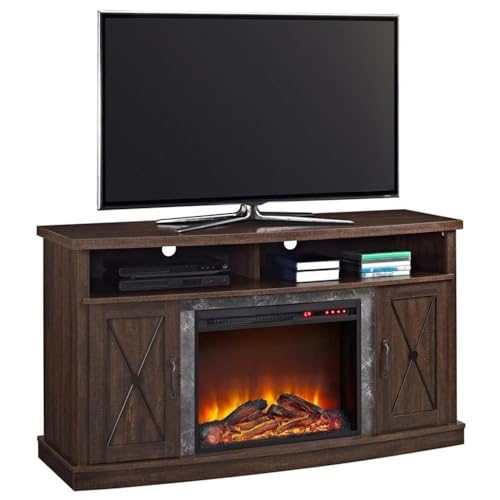

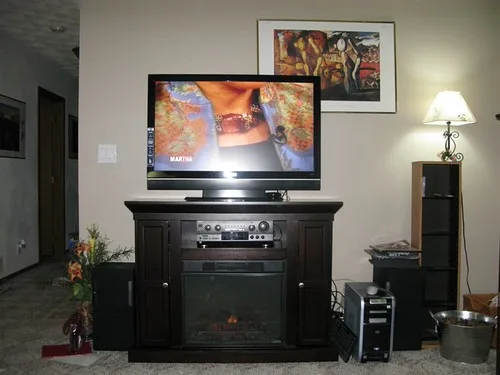
A fireplace TV stand combines TV support, storage, and an integrated electric fireplace in one cabinet. A standard TV stand is generally just for the television and media gear, with no built-in heat source. The fireplace version can be worth the extra cost if it replaces a separate heater or cabinet; otherwise, the simpler stand often makes more sense for cost and placement.
Fireplace TV stand: integrated heat and visual effects
A fireplace TV stand typically uses an electric fireplace insert that plugs in, with flame effects and some supplemental heat. On the Walker Edison model, the display and heat can be controlled separately, which matters when someone wants the look without extra warmth. That split control is why these units can work in shoulder seasons and in rooms that need heat only some of the time.
Standard TV stand: storage and support only
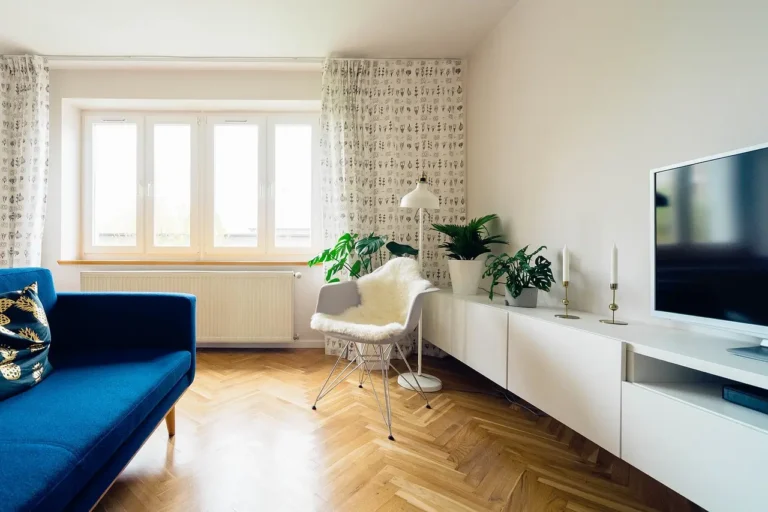
A standard TV stand is furniture for the screen, cable box, game console, and storage. It can use open shelving, closed cabinets, adjustable shelves, and cord ports, but it does not add heat or flame effects. For buyers who only need media support, it is usually the cleaner choice.
Typical size and media capacity differences
Fireplace TV stands are often built as larger media cabinets because the firebox needs space inside the frame. The featured Walker Edison model supports TVs up to 80 inches and includes four cord management ports. The Sauder Barrister Lane media fireplace accommodates TVs up to 60 inches, and the Amerlife fireplace TV stand fits TVs up to 80 inches with a 36-inch electric fireplace.
According to Best Fireplace TV Stand: Report on Top-Selling Models of 2022… — The Walker Edison fireplace heats up to 400 square feet.
Which one fits your room size better?
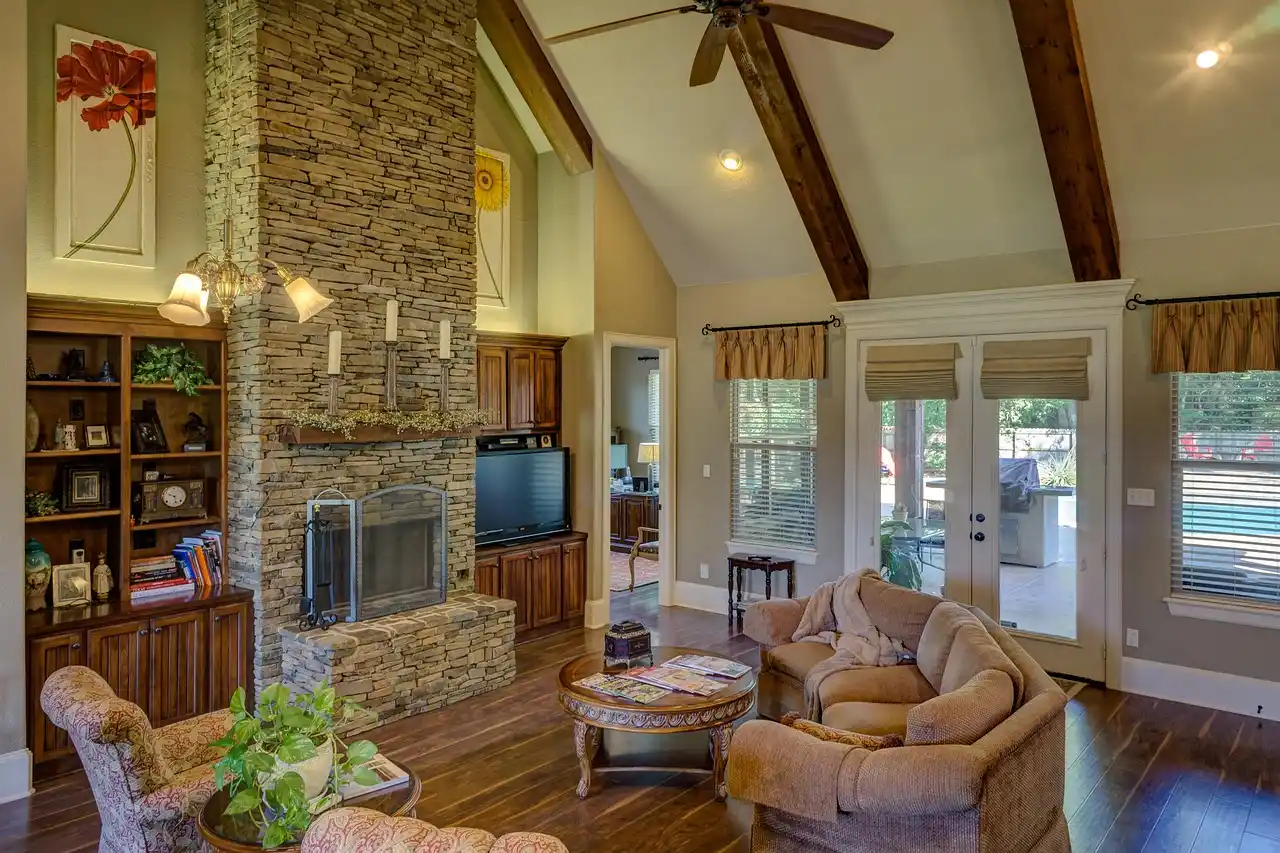
Room size should drive the choice more than style. A fireplace TV stand makes sense when its footprint replaces another item and the outlet layout works. A standard TV stand is usually easier in a small apartment, a corner layout, or any room where traffic flow matters more than added comfort. Bigger rooms with longer wall runs can take the fireplace cabinet more easily.
Small apartment and corner layout
In a small apartment, every piece of furniture has to earn its spot. A fireplace TV stand can justify that footprint if it replaces a space heater and a media cabinet at the same time. In a corner layout, though, the extra depth and heat clearance can make placement tighter than a standard TV stand with open shelving.
Family room and larger wall runs
A family room gives the fireplace unit more room to breathe. That matters because the stand can sit as a focal point without crowding walking paths, and the heat has more space to spread as zone heating. A standard TV stand still works well in a large room, but it may leave the room feeling more unfinished unless another heating source already exists.
Floor footprint, traffic flow, and outlet access
Fireplace TV stands often create more planning friction. The cabinet must sit where the plug can reach, the vents stay clear, and the electronics do not trap extra warmth. Standard TV stands are simpler when the wall has limited outlet access or when cords already compete with other devices.
How much heat does a fireplace TV stand provide?
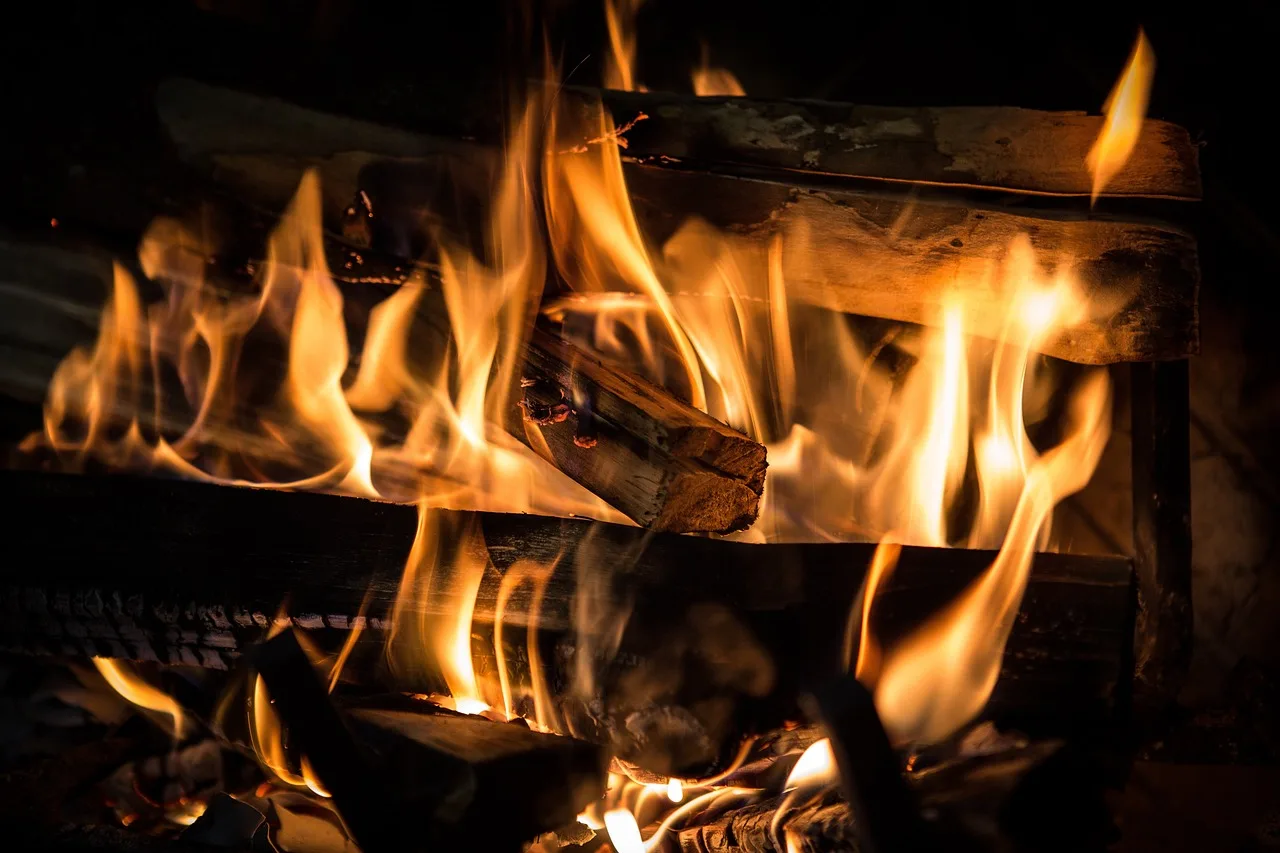
Most fireplace TV stands provide supplemental heat, not whole-home heat. The practical question is whether the firebox covers the room you want to warm, how adjustable the heat settings are, and whether the unit can replace a space heater in one zone. For many rooms, the answer is yes for comfort, but no for full-house heating.
Heat output, square footage coverage, and BTU rating
The heating figure that matters most is room coverage. The Walker Edison fireplace heats up to 400 square feet, and the Sauder fireplace firebox heats up to 400 square feet as well. Those numbers point to zone heating in a bedroom, apartment living area, or medium family room rather than a primary heating system for the whole home.
Adjustable heat settings and zone heating use
Adjustable heat settings make the fireplace feature more useful because the unit can run with flame effects alone or with heat added when needed. That makes sense in rooms that feel chilly in the evening but do not need heat all day. The best use is targeted comfort, not constant full-room replacement in a cold-climate home.
When it can replace a space heater and when it cannot
A fireplace TV stand can replace a space heater when the room is within the unit’s coverage range, the outlet is reliable, and the user wants one furniture piece to do both jobs. It cannot replace a space heater well when a room is oversized, poorly sealed, or already crowded with electronics that need more ventilation. Warm climates are also a weak fit because the fireplace cabinet adds bulk without much heating value.
Storage, cable management, and safety: where the two stands diverge
Both options can hold a TV and media components, but the fireplace version changes the layout inside the cabinet. The firebox takes up room that might otherwise be used for shelves, yet many fireplace TV stands still add useful cord ports and closed storage. Safety also matters more because heat, glass, and electronics share the same furniture.
Open shelving, closed cabinets, and adjustable shelves
Standard TV stands usually offer more freedom in storage layout. A buyer can choose open shelving for receivers, closed cabinets for clutter control, or adjustable shelves for taller equipment. Fireplace TV stands often trade some of that flexibility for the firebox, so buyers should check whether the remaining shelves still fit consoles and streaming boxes.
Cord ports, outlet access, and cord clutter
Cord management is a practical issue, not a small detail. The Walker Edison stand includes four cord management ports, which helps keep wires from hanging behind the cabinet. That said, a fireplace unit can increase outlet pressure because both the media gear and the electric fireplace need power in the same area.
Ventilation, clearance around electronics, and weight stability
Proper ventilation matters more with a fireplace TV stand because heat rises through the unit and around nearby electronics. The Sauder model includes built-in overheat protection, which is useful, but it does not remove the need for clearance. Weight stability also matters because the TV sits above the firebox opening, so the stand must remain steady under the full load.
Side-by-side decision table for five common scenarios
| Scenario | Fireplace TV Stand | Standard TV Stand | Winner |
|---|---|---|---|
| Small apartment | Best if it replaces a heater and a cabinet in one footprint | Best if the room only needs TV support and basic storage | Tie |
| Family room | Strong fit when the wall is large enough for the cabinet and the heat is useful | Good if the room already has another heating source | Fireplace TV Stand |
| Renter | Works only if outlet access and moving weight are manageable | Easier to relocate and simpler to live with | Standard TV Stand |
| Budget buyer | Higher upfront cost, but can replace a separate heater | Lower upfront cost and fewer operating tradeoffs | Standard TV Stand |
| Cold-climate home | Useful as zone heat for one room, not a whole-home solution | Only storage and TV support; no heating value | Fireplace TV Stand |
How to read the table
The table is about replacement value, not style. The fireplace option wins when it removes the need for a separate heater or media cabinet. The standard stand wins when the room does not need extra heat, the budget is tight, or mobility and simplicity matter more than ambiance.
How much more expensive is a fireplace TV stand than a standard TV stand?
A fireplace TV stand usually costs more upfront because it combines furniture and a heating appliance in one cabinet. The real comparison is total ownership cost: a standard stand plus a separate heater may cost less at purchase, but the combined footprint and wiring can be less tidy. The better buy is the one that replaces another item cleanly.
Upfront price gap
The fireplace feature adds hardware, wiring, and cabinet space, so the price gap is real even when the two units look similar. Buyers focused on budget often do better with a standard stand first, then add heat only if the room truly needs it. That keeps spending matched to actual use.
Energy use and operating cost
An electric fireplace insert uses plug-in power, so it adds to the electric bill whenever heat runs. The concern is not the flame effect by itself, but the heating cycle. A standard TV stand has no built-in electrical load of its own, which keeps ongoing cost lower unless a separate heater is added.
Long-term ownership value
Long-term value improves when the fireplace unit eliminates another appliance or piece of furniture. If it replaces a media cabinet and a space heater, the combined value can justify the higher purchase price. If it only adds warmth that is rarely used, the standard stand usually pays off better over time.
Choose Fireplace TV Stand if… / Choose Standard TV Stand if…
Choose a fireplace TV stand if it replaces a heater, a media cabinet, or both; if the room is within the unit’s heating range; and if outlet access, clearance, and weight stability all work in the intended spot. Choose a standard TV stand if the goal is only TV support, lower cost, easier placement, or simpler storage without added heat.
Choose fireplace TV stand if…
- The room is small to medium and needs supplemental heat.
- You want one piece of furniture to handle TV storage and zone heating.
- The wall location has reliable outlet access and enough clearance.
- You value closed storage and cable control more than maximum shelving flexibility.
Choose standard TV stand if…
- The room already has a heating solution.
- You need the lowest upfront cost and simplest setup.
- You want more freedom in shelf layout, finish, or cabinet style.
- You are in a warm climate, tight corner, or renter setup where heat is more burden than benefit.
Frequently asked questions
Is a fireplace TV stand worth it for a small living room?
It can be worth it in a small living room if the unit replaces both a heater and a media cabinet. If the room already feels crowded, the added depth and heat clearance can make the space harder to arrange. In very tight rooms, a standard stand is usually the safer fit.
Do fireplace TV stands use a lot of electricity?
They use electricity whenever the electric fireplace insert runs, because the heat source is plug-in power. The flame effect alone is different from the heating cycle, so the energy draw depends on how often the heat is used. A standard TV stand uses no power on its own.
Are fireplace TV stands safe under a TV?
They can be safe under a TV when the unit has proper overheat protection, enough clearance, and stable weight support. The Sauder model includes built-in overheat protection, and the Walker Edison stand has separate control for display and heat. Safety still depends on placement, ventilation, and keeping cords organized.
Which is better for storage: fireplace TV stand or standard TV stand?
For pure storage flexibility, a standard TV stand usually has the edge because it can use open shelving, closed cabinets, and adjustable shelves without a firebox taking up space. A fireplace TV stand can still offer useful storage and cord ports, but some of the interior volume is dedicated to the heater.
Can a fireplace TV stand replace a space heater?
Yes, in the right room. If the fireplace TV stand is sized for the space, has enough square-foot coverage, and sits where outlet access and clearance are safe, it can replace a separate space heater for zone heating. It should not be treated as a full-house heating solution.
Products related to this article
Sponsored / affiliate links. As an Amazon Associate I earn from qualifying purchases. I may earn additional commission from eligible campaigns.