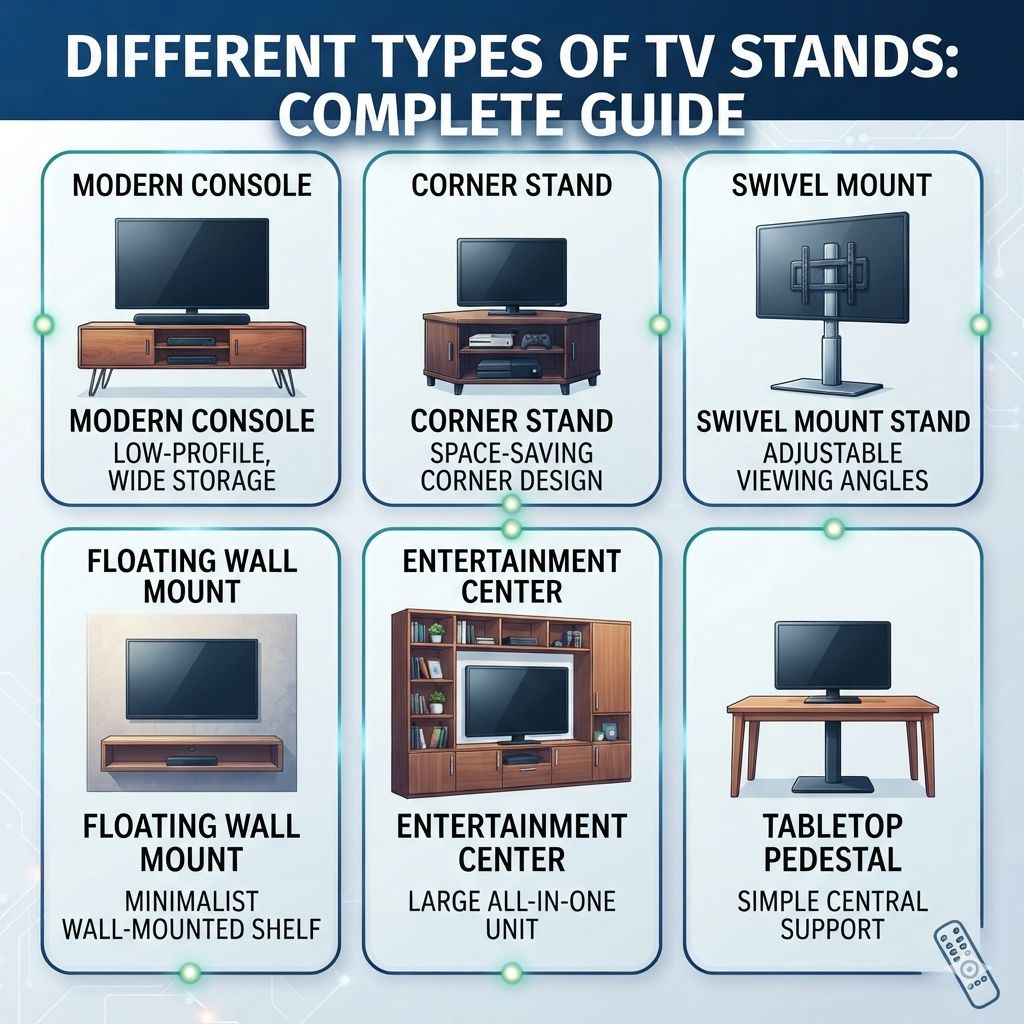
Different Types Of Tv Stands: Complete Guide
Are you tired of your TV just sitting there, looking like it’s floating in space? Or maybe your current TV stand is too small, too big, or just plain ugly. It’s a common problem.
Finding the right TV stand can feel like a chore. You want something that holds your TV safely. You also want it to look good in your room.
Plus, you need space for your other gadgets. This guide will help you figure it all out. We’ll look at all the different kinds of TV stands available.
You’ll learn what makes each one special. By the end, you’ll know exactly what to look for.
TV stands come in many styles and sizes to fit different needs and rooms. The best type depends on your TV size, how much storage you need, and your home’s decor. Common types include media consoles, wall-mounted units, corner stands, and TV carts.
Each offers unique benefits for display, organization, and space-saving.
Understanding Your TV Stand Needs
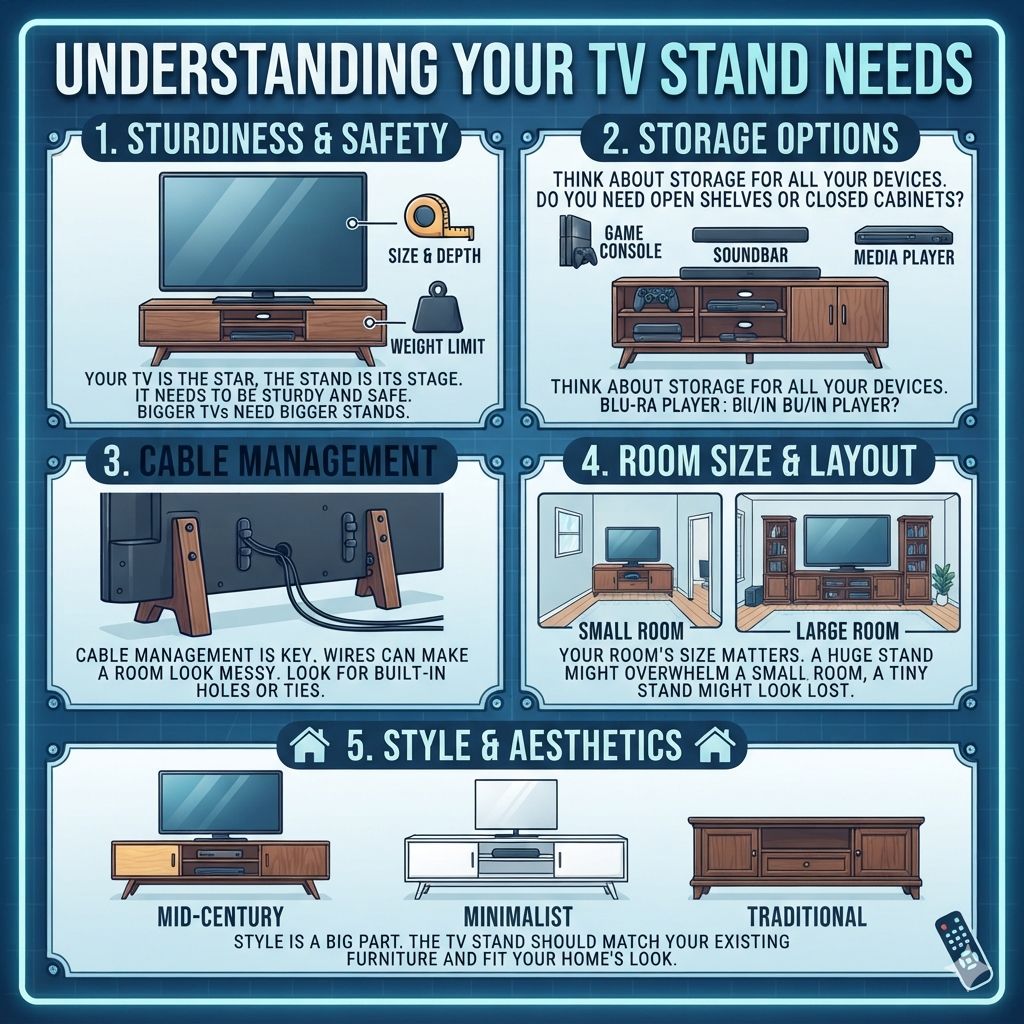
Before we dive into the many types, let’s think about what you really need. Your TV is the star, but the stand is its stage. It needs to be sturdy and safe.
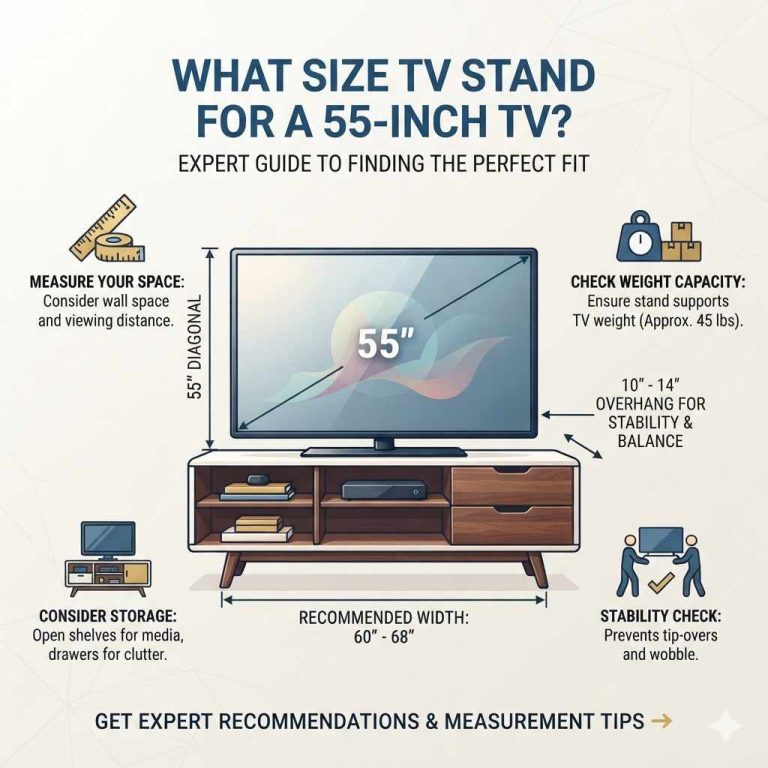
No one wants a wobbly TV. Think about the size of your television. Bigger TVs need bigger stands.
Measure your TV’s width and depth. Also, consider the stand’s weight limit. This is super important for safety.
Next, think about storage. Do you have a game console? A soundbar?
Maybe a Blu-ray player? You’ll need shelves or cabinets for these. Some stands have open shelves.
Others have closed cabinets with doors. Cable management is another key factor. Wires can make a room look messy.
Look for stands with built-in cable holes or ties.
Your room’s size and layout matter too. A huge stand might overwhelm a small room. A tiny stand might look lost in a large space.
Think about where you’ll put it. Will it block a walkway? Will it fit in a corner?
Finally, style is a big part of it. The TV stand should match your furniture. It should fit the overall look of your home.
Common Types of TV Stands
Now, let’s explore the different options. We’ll break them down so you can see what fits best for you. Each type has its own advantages.
Some are great for saving space. Others offer tons of storage. Many are just plain stylish.
1. The Classic Media Console (or TV Cabinet)
This is probably the most popular type. Media consoles are like dressers for your TV. They are typically long and low.
They sit on the floor. Most have shelves and cabinets. They hide your devices and wires well.
You can place your TV on top of them. Many people also put other decor items there.
Media consoles come in many styles. You can find them in wood, metal, or glass. They can look modern, rustic, or traditional.
This makes them very versatile. They are great for living rooms or family rooms. They offer good storage for all your entertainment gear.
They also help keep the room tidy.
Some media consoles have open shelves. This is good for showing off books or decorations. Others have closed cabinets.
This is best for hiding electronics you don’t want to see. Many include holes in the back for cables. This makes managing wires much easier.
They provide a stable platform for your TV. This is crucial for safety. They are a solid choice for most homes.
Media Console Highlights
Key Features:
- Long and low design
- Offers shelves and cabinets
- Hides electronics and wires
- Wide variety of styles and materials
- Good for displaying decor
Best For:
- Living rooms and family rooms
- Houses with lots of media devices
- People who like a tidy look
2. The Floating or Wall-Mounted TV Stand
This type is very modern and sleek. A floating TV stand is attached directly to the wall. It doesn’t touch the floor.
This creates a “floating” look. It’s a great space-saver. It makes your room look bigger and cleaner.
It’s perfect for smaller apartments or rooms.
These stands often have a main shelf or cabinet. Sometimes they are just a shelf. You mount the TV on the wall above it.
Or, the stand itself might have a bracket to hold the TV. Cable management is usually built-in. This keeps all wires hidden behind the wall.
It creates a very minimalist look.
The installation can be tricky. You need to find wall studs. This ensures it’s strong enough to hold the TV.
You might need some DIY skills or a handyman. But the result is a very clean and modern setup. It also makes cleaning the floor underneath super easy.
There are no legs to get in the way.
Floating Stand Insights
Looks: Very modern, minimalist, and clean.
Space Saving: Excellent, as it frees up floor space.
Installation: Requires mounting to wall studs; may need professional help.
Cable Management: Usually excellent, hiding wires behind the wall.
Best For: Small rooms, modern decor, and those who love a clutter-free look.
3. The Corner TV Stand
As the name suggests, these stands are designed for corners. They often have a triangular or wedge shape. This allows them to fit neatly into a room’s corner.
This is a smart way to use otherwise dead space. It’s a great solution for rooms where wall space is limited.
Corner stands come in many styles. You can find them in wood, glass, or metal. Some are designed to hold just the TV.
Others have shelves and cabinets for storage. They can be quite efficient with space. They make the TV feel like a natural part of the room’s layout.
The shape can sometimes limit viewing angles. If you have a very wide TV, it might extend out more than you’d like. Also, some corner designs can be a bit awkward for placing other furniture.
But if you have a specific corner in mind, they can be a perfect fit. They are especially useful in bedrooms or smaller living areas.
Corner Stand Quick Scan
| Feature | Benefit | Consideration |
|---|---|---|
| Shape | Fits snugly in corners, saving space | May limit viewing for wide TVs |
| Storage | Varies, some offer good shelf/cabinet space | Design can sometimes be less efficient than a straight console |
| Placement | Ideal for awkward room layouts | Can affect furniture arrangement |
4. The TV Cart or Mobile TV Stand
These are TV stands on wheels. They are super flexible. You can move your TV around the room.
Or even move it to a different room. This is fantastic if you use your TV in different places. Or if you like to rearrange your furniture often.
TV carts usually have a sturdy pole. This holds the TV screen. There are often shelves below for devices.
Some are very simple, just a shelf. Others are more elaborate with cabinets. The wheels make them easy to move.
They are often used in offices or conference rooms. But they are also great for homes.
They offer great adjustability. You can often tilt or swivel the TV. You can adjust the height easily.
This is helpful for finding the best viewing angle. Cable management is usually decent. Wires can often be routed up the pole.
They are a practical choice. Especially if you need flexibility. Or if you are on a tighter budget.
Mobile Stand Snapshot
Pros:
- Highly portable
- Adjustable height and angle
- Good for flexible use
- Often budget-friendly
Cons:
- May not match all decor styles
- Can look less permanent/elegant
- Wheels need to be locked for stability
Ideal For: Offices, classrooms, multi-use rooms, or frequent rearrangers.
5. The Entertainment Center or Media Wall Unit
This is the big daddy of TV stands. An entertainment center is usually a large unit. It often spans an entire wall.
It can include a TV mount. It has tons of shelves, cabinets, and drawers. It’s designed to house your TV and all your media.
Plus books, decor, and more.
These units are serious statement pieces. They create a dedicated media zone. They offer maximum storage.
This is perfect for people with a lot of devices or collections. They can be built-in or modular. Modular units let you customize the layout.
Built-in units are custom-made for your space.
They can be quite an investment. They also take up a lot of space. So, they are best for larger rooms.
They can make a room feel very organized and complete. If you want everything in one place, this is the way to go. They are the ultimate solution for a home theater feel.
6. The Simple TV Stand/Console Table
This is a more basic option. A simple TV stand looks like a console table. It’s usually a flat top with legs.
Sometimes it has a single shelf underneath. It’s designed to hold your TV. It’s often for smaller TVs.
Or for people who don’t need much storage.
These stands are often very stylish. They can be modern, minimalist, or industrial. They are great if you want your TV to blend in.
Or if you have a soundbar or gaming console on the floor. They are easy to set up. They don’t take up much visual space.
They are a good choice for very simple setups.
The downside is limited storage. You won’t be hiding many devices here. Cable management might also be an issue.
You’ll need to be creative. But if you like a clean look and have few accessories, this might be perfect. They are often more affordable too.
Simple Stand vs. Complex Needs
Myth: All TV stands must be bulky with lots of storage.
Reality: Simple console-style stands are perfect for minimalists or those with few devices. They focus on display and clean aesthetics over extensive storage. Cable management and device placement need careful planning with these simpler models.
7. The TV Credenza
A TV credenza is similar to a media console. The main difference is often the design. Credenzas tend to be a bit more formal.
They often have doors that hide storage areas. The style might lean more towards furniture than just an electronics holder.
They are designed to look good. They blend in with dining room or living room furniture. They offer good storage.
You can hide away your media devices. You can also store other items like dishes or linens. They are a stylish and functional choice.
Look for credenzas with ample depth. This is important for modern TVs and soundbars. Ensure it has cutouts for cables.
The style should match your existing decor. A well-chosen credenza can be a beautiful addition to your home.
Materials and Styles to Consider
The material and style of your TV stand make a big difference. It affects the look. It also affects durability and cost.
Let’s touch on some popular choices.
Wood TV Stands
Wood is a classic choice. It’s strong and looks great. You can find stands made of solid wood like oak, maple, or pine.
These are durable and can last for years. They offer a warm, natural feel. Wood can be stained or painted.
This lets you match it to your other furniture.
MDF (medium-density fiberboard) or particleboard is also common. These are more affordable. They are often covered with veneers.
These look like real wood. But they might not be as durable. Be gentle with them.
They can be damaged by moisture.
Metal TV Stands
Metal stands are often very modern. They can look industrial or sleek. They are usually very strong.
They can handle heavy TVs. Metal can be painted or have a brushed finish. They pair well with glass shelves.
This creates a contemporary look.
Some stands combine metal and wood. This can offer a nice contrast. Metal can sometimes feel cold.
But paired with the right elements, it looks great. Ensure the metal is treated to prevent rust.
Glass TV Stands
Glass stands are very elegant. They can make a room feel open and airy. They are often paired with metal frames.
They look modern and clean. Glass can show fingerprints easily. You’ll need to clean them often.
Tempered glass is used for safety. It’s much stronger than regular glass. It’s less likely to shatter.
Still, be careful with heavy impacts. Glass stands are good for smaller TVs. Or for people who don’t have many devices.
Style Notes
Think about your room. Is it modern? Farmhouse?
Traditional? Choose a stand that fits. A modern stand might have clean lines and metal.
A farmhouse stand might use rustic wood. A traditional stand might have ornate details.
Color also matters. Light colors can make a room feel bigger. Dark colors can feel more cozy.
White stands are popular for a bright look. Black stands are classic and sleek. Wood tones add warmth.
Key Features to Look For
Beyond the basic type and style, certain features are crucial. They make your stand more functional and safe.
Weight Capacity
This is NON-NEGOTIABLE. Always check the weight limit. Your TV’s weight must be well below this limit.
Many stands list their capacity. If not, it’s a red flag. A stand that’s too weak can break.
This is dangerous for your TV and anyone nearby.
Cable Management
Tangled wires are an eyesore. Good cable management systems are a lifesaver. Look for pre-drilled holes.
Or grommets. Some stands have built-in channels. Or cable ties.
This keeps everything neat and hidden. It also makes cleaning easier.
Adjustability
Some stands offer adjustable shelves. This lets you fit items of different heights. Some TV mounts on carts or wall units are adjustable.
You can tilt or swivel the TV. This is great for finding the perfect viewing angle. It’s especially useful if you sit in different spots.
Durability and Build Quality
A TV stand is an investment. You want it to last. Solid construction is key.
Check how it’s put together. Are the joints strong? Is the material good quality?
Read reviews. See what other people say about its durability.
Quick Feature Checklist
Must-Haves:
- Adequate weight capacity
- Effective cable management
Nice-to-Haves:
- Adjustable shelves or TV mount
- Durable materials (solid wood, tempered glass)
- Easy-to-clean surfaces
My Own TV Stand Fumble
I remember when I first moved into my own place. I was so excited. I bought a big, fancy TV.
Then I grabbed the cheapest TV stand I could find. It was a simple, particleboard thing. It looked okay in the store.
But once I got it home, oh boy. It was wobbly from day one. The shelves sagged a bit even with just a game console on them.
And the cables? A total disaster. They hung down like spaghetti.
I tried to hide them with tape. That didn’t work for long. One day, I was reaching for the remote.
My elbow bumped the TV. It wobbled precariously. My heart stopped.
I thought for sure it was going to fall. I quickly steadied it. That was the moment of truth.
I realized a cheap stand wasn’t just ugly. It was dangerous. I immediately started looking for a better one.
One with a higher weight limit and proper cable management. It was a lesson learned the hard way about prioritizing safety and quality.
Real-World Scenarios
Let’s look at how different stands work in real homes. It’s not just about looks. It’s about how they function day-to-day.
The Small Apartment Dweller
If you live in a small apartment, space is precious. A floating TV stand is a great option. It keeps the floor clear.
This makes the room feel larger. A corner TV stand is also smart. It uses an often-ignored space.
A compact media console can work too. Choose one that’s not too deep. Look for vertical storage.
This uses height effectively.
The Family Room Hub
Family rooms are busy places. You need storage for games, movies, and devices. A large media console or an entertainment center is ideal.
They keep everything organized. They hide wires, which is a big plus with kids. Look for durable materials.
Something that can withstand a bit of wear and tear.
The Home Theater Enthusiast
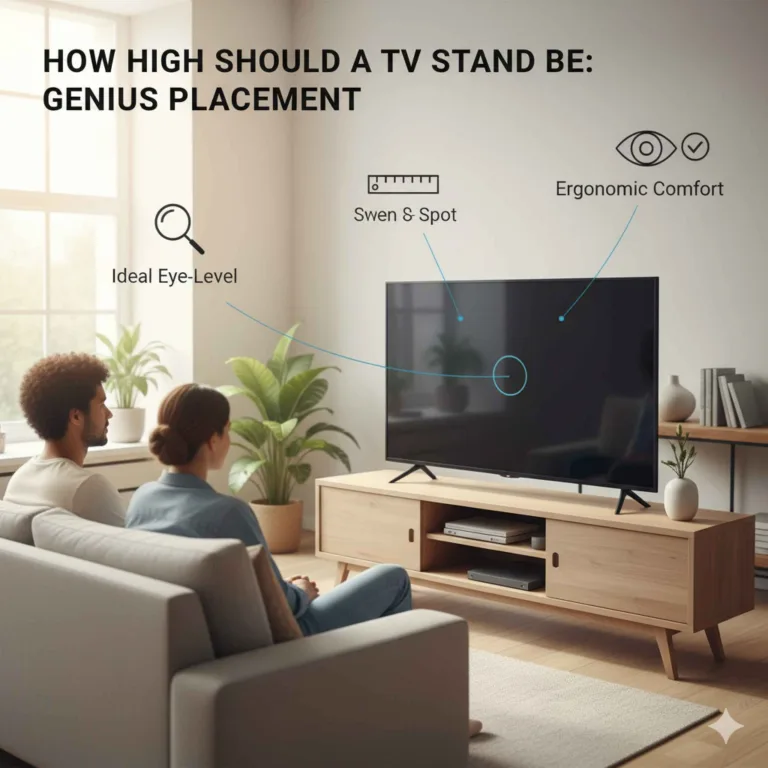
If you have a dedicated home theater room, you might want something specific. Some people prefer a long, low media console. This keeps the TV at a good viewing height.
It also leaves space above for a soundbar. Others might opt for a wall-mounted unit. This creates a very clean, cinematic look.
Built-in entertainment centers are also popular here.
The Gamer’s Setup
Gamers often have multiple consoles. They might also have gaming accessories. A media console with plenty of open shelves is good.
This allows for easy access to consoles. Good ventilation is also important. Some consoles can get quite hot.
Look for stands with back cutouts for airflow.
Scenario Contrast: Small Room vs. Large Room
Small Room Goal: Maximize perceived space, minimize clutter.
Stand Choice: Floating, corner, or slim media console.
Large Room Goal: Fill space, provide ample storage, create a focal point.
Stand Choice: Large media console, entertainment center, or wall unit.
What This Means for You
So, what’s the takeaway? It’s all about matching the stand to your life. And your room.
Don’t just pick the first one you see.
When is a stand “normal”?
A stand is usually “normal” when it safely holds your TV. It fits the space. And it doesn’t look out of place.
A well-chosen media console in a living room is normal. A floating shelf in a modern apartment is normal. A corner stand in a small bedroom is normal.
When should you worry?
You should worry if the stand is wobbly. If it looks like it’s about to tip over. If the weight capacity is too low for your TV.
If it’s too big for the room. Or if it has sharp edges or unsafe materials. Always prioritize safety.
And stability.
Simple Checks to Make
Before buying, do a quick check. Measure your TV. Measure the space where the stand will go.
Check the stand’s dimensions. Look at the weight capacity. Read reviews about stability.
Think about how many devices you need to store. And how you’ll manage cables.
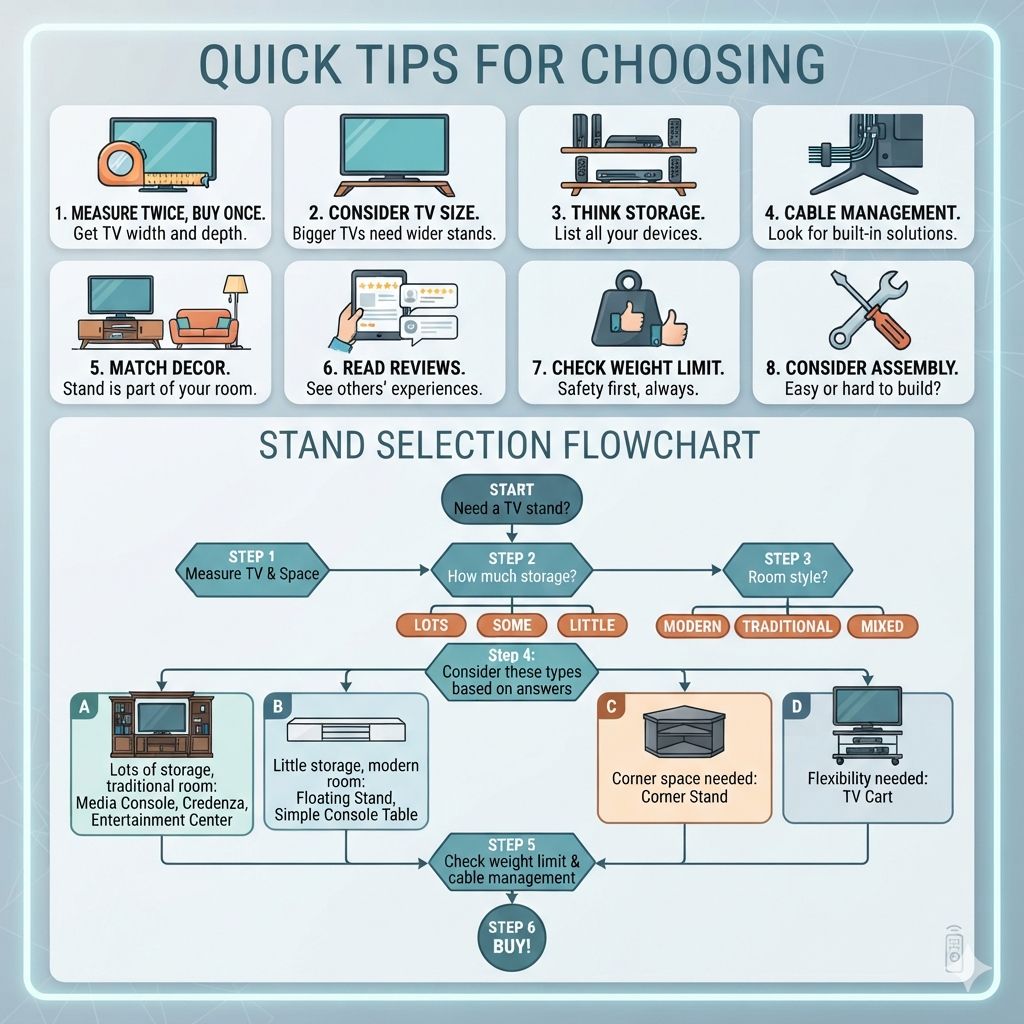
Quick Tips for Choosing
Here are some easy tips to help you choose. They can make the process smoother.
- Measure twice, buy once. This old saying is true for TV stands.
- Consider your TV size. Bigger TVs need wider, sturdier stands.
- Think about storage needs. List all your devices and accessories.
- Don’t forget cable management. Look for built-in solutions.
- Match your decor. The stand is part of your room’s look.
- Read reviews. See what other people experienced.
- Check the weight limit. Safety first, always.
- Consider assembly. Some stands are easy to put together. Others are not.
Stand Selection Flowchart
Start: Need a TV stand?
Step 1: Measure TV & Space.
Step 2: How much storage? (Lots / Some / Little)
Step 3: Room style? (Modern / Traditional / Mixed)
Step 4: Consider these types based on answers:
- Lots of storage, traditional room: Media Console, Credenza, Entertainment Center
- Little storage, modern room: Floating Stand, Simple Console Table
- Corner space needed: Corner Stand
- Flexibility needed: TV Cart
Step 5: Check weight limit & cable management.
Step 6: Buy!
Frequently Asked Questions
What is the best type of TV stand for a large TV?
For large TVs (over 65 inches), a sturdy media console is often best. Ensure it has a high weight capacity and is wide enough to support the TV’s base comfortably. Wall-mounted options can also be excellent if installed correctly into studs.
Should my TV stand be wider than my TV?
Generally, yes. It’s recommended for the TV stand to be at least a few inches wider than your TV. This provides a stable base and allows room for small decor items or soundbars.
For wall-mounted TVs, this isn’t a concern.
How do I manage cables with a TV stand?
Look for stands with built-in cable management features like pre-drilled holes, grommets, or channels. If your stand lacks these, you can use cable ties, sleeves, or raceways that attach to the wall or stand to keep wires organized and out of sight.
Can I put a TV on any shelf?
No, absolutely not. Always use a dedicated TV stand or mount that is rated for your TV’s weight and size. Shelves not designed for this purpose can be unstable and dangerous, leading to damage or injury.
What is the difference between a TV stand and a media console?
While often used interchangeably, a media console typically refers to a longer, lower unit designed to house multiple media components, often with doors and shelves. A TV stand can be any piece of furniture designed to hold a TV, from a simple table to a large entertainment unit.
Are floating TV stands safe for heavy TVs?
Yes, floating TV stands can be very safe, but only if they are properly installed into wall studs. The strength of the mounting is crucial. Always follow the manufacturer’s instructions and ensure the stand’s weight capacity is sufficient for your TV.
Making the Right Choice
Choosing the right TV stand is about more than just holding your television. It’s about creating a functional, safe, and attractive space for your entertainment. By understanding the different types, materials, and features, you can find a stand that perfectly fits your home and your lifestyle.
Take your time, measure carefully, and prioritize safety. A good TV stand will be a solid foundation for your viewing experience for years to come.
Products related to this article
Sponsored / affiliate links. As an Amazon Associate I earn from qualifying purchases. I may earn additional commission from eligible campaigns.