What Does Ncis Stand For? Meaning Explained
This guide will explain the full name. We’ll look at what the agency does. We’ll also touch on why the show is so popular. You’ll get a clear picture of NCIS. This will help you understand the show and the real-world impact.
For a related storage or furniture fix, How To Get The Iron Dresser In Animal Crossing helps readers compare the next practical option.
For a closely related home or decor topic, What Does TMZ Stand For? Thirty Mile Zone gives readers a useful next step.
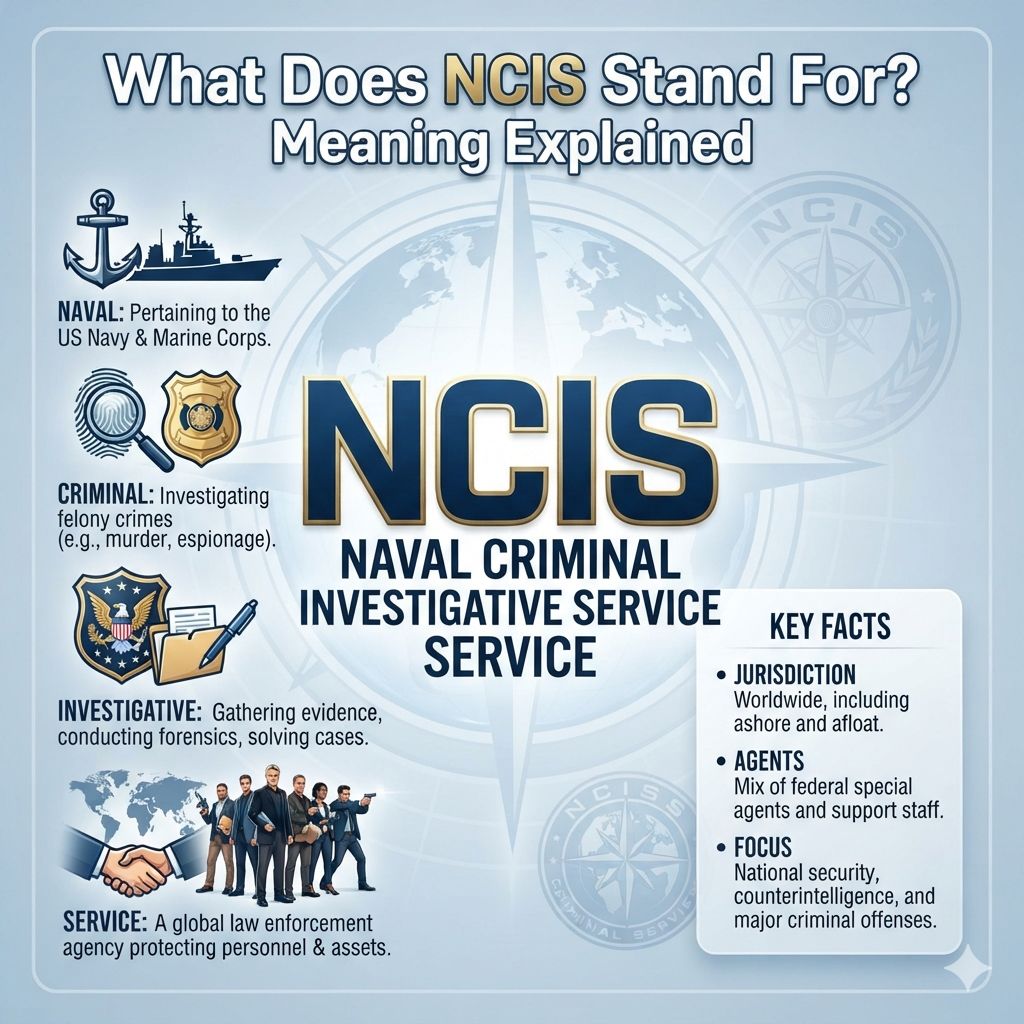
The full name for NCIS is the Naval Criminal Investigative Service. This is a United States federal law enforcement agency. It works for the Department of the Navy. NCIS investigates crimes involving the U.S. Navy and Marine Corps. This includes both active duty personnel and civilians.
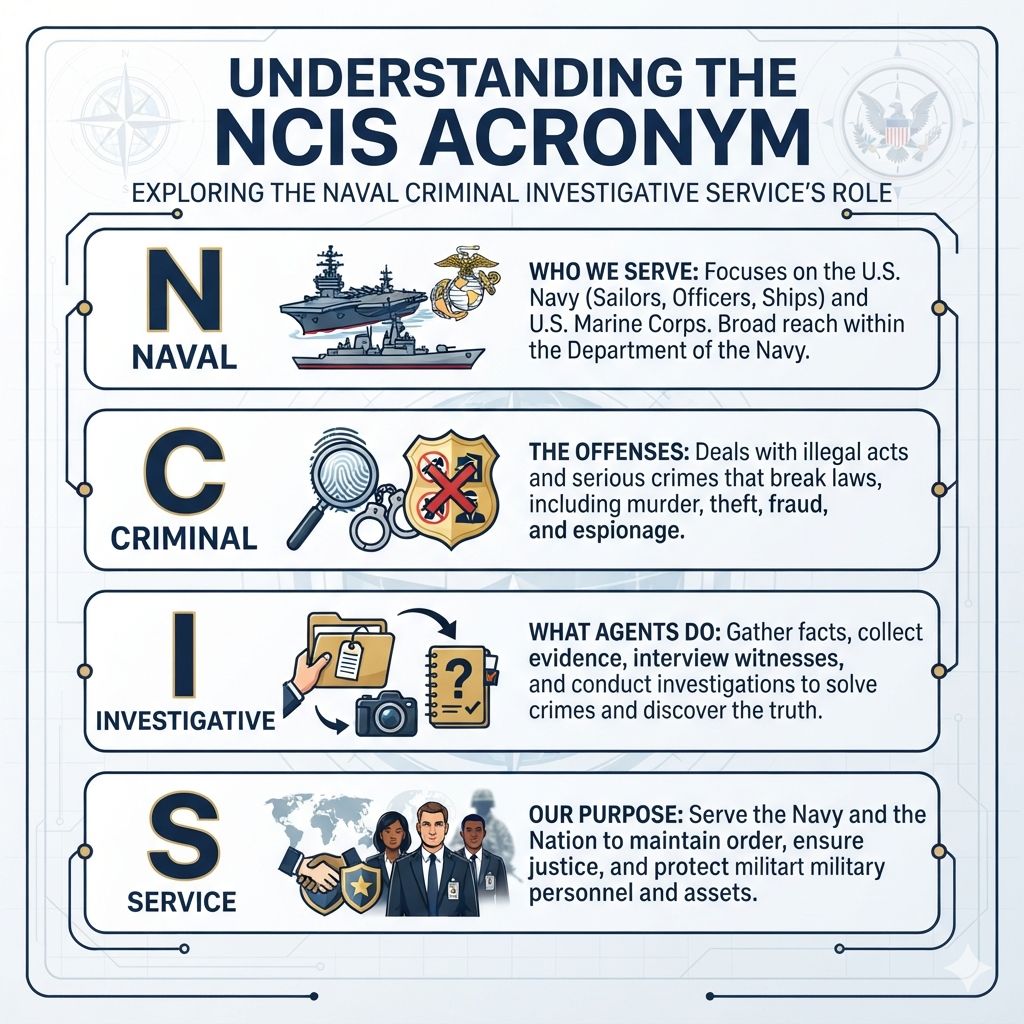
Understanding the NCIS Acronym
Let’s take a closer look at each part of the name. This helps us understand the agency’s role.
Naval
The word “Naval” tells us who NCIS serves. It focuses on the U.S. Navy. This includes sailors, officers, and ships. It also covers the U.S. Marine Corps. Marines are part of the Department of the Navy. So, NCIS has a broad reach.
Criminal
“Criminal” means NCIS deals with illegal acts. These are crimes that break laws. Think of murder, theft, fraud, and even espionage. It’s about serious offenses that need investigation.
Investigative
This part shows what the agents do. They investigate. This means gathering facts. They collect evidence. They interview people. They try to solve crimes. It’s a process of discovery.
Service
The word “Service” highlights their purpose. They serve the Navy and the nation. Their goal is to maintain order and justice. They protect military personnel and assets. It shows their dedication.
The Real NCIS: More Than a TV Show
It’s easy to think of NCIS only from the TV show. But the real agency is quite busy. They handle many types of cases. These cases can be complex and sensitive. They often involve national security.
NCIS agents are trained law enforcement officers. They have special skills. They work in many places. This includes bases at home and abroad. They also work on ships at sea. Their work is crucial for the military.
The agency was created in 1992. It replaced a previous naval investigative branch. Since then, it has grown. It is now a key player in military law enforcement.
Key Responsibilities of Real NCIS
- Investigating serious crimes: This includes murder, rape, and assault.
- Combating terrorism: Protecting naval assets from threats.
- Counterintelligence: Preventing spying and protecting secrets.
- Investigating fraud: Looking into financial crimes and corruption.
- Cybercrimes: Dealing with digital threats to naval systems.
- Protecting personnel: Ensuring the safety of sailors and Marines.
From the Small Screen to Real Life
The TV show NCIS started in 2003. It spun off from another popular show, JAG. It quickly became a hit. Many people tuned in each week. The show features a team of special agents. They solve crimes related to the Navy and Marines.
The show highlights elements like forensics. It shows teamwork and drama. It often uses real-world locations and scenarios. But it’s important to remember it’s fiction. The cases are often dramatized for entertainment.
I remember watching an episode years ago. A case involved stolen technology. It felt so real. The agents were working against time. The tension was high. Later, I learned that NCIS does deal with such threats. It made me appreciate the agency more.
The show’s popularity has brought attention to the real NCIS. Many viewers become curious about the agency’s work. They want to know if the cases on TV are accurate. While the show is fictional, it does draw inspiration from real events.
Behind the Badge: The NCIS Agent
What does it take to be an NCIS agent? It’s not just about looking cool in a suit. These agents have rigorous training. They must have a strong sense of duty. They often have a background in law enforcement or the military.
The job requires sharp intellect. Agents need good observation skills. They must be able to think critically. They also need to be physically fit. The work can be demanding and dangerous.
I met someone once who knew an NCIS agent. He described the long hours. He talked about the difficult decisions they make. He mentioned the constant travel. It sounded like a life of service. It wasn’t just a job; it was a calling.
NCIS Agent Qualities
Intelligence: Quick thinking and problem-solving skills.
Integrity: Honesty and a strong moral compass.
Physical Fitness: Ability to handle demanding situations.
Discretion: Handling sensitive information with care.
Teamwork: Working effectively with others.
Dedication: Commitment to duty and the mission.
NCIS: A Global Reach
The U.S. Navy and Marine Corps operate worldwide. This means NCIS must too. NCIS has field offices in many countries. They work with international law enforcement. This helps them solve crimes that cross borders.
Imagine a crime happening on a Navy ship in the Pacific. Or a case involving a Marine stationed in Europe. NCIS agents are there to investigate. They coordinate with local authorities. This ensures justice is served, no matter the location.
Their global presence is vital. It helps maintain security for naval forces. It also supports allies. This international cooperation is a big part of their job.
NCIS Field Office Examples
United States: Numerous offices on bases and in cities.
Europe: Offices in Germany, Italy, Spain, and the UK.
Asia: Presence in Japan, South Korea, and Singapore.
Middle East: Locations in Bahrain and other strategic areas.
Other Regions: Coverage extends to various other global hotspots.
The Evolution of Naval Investigations
NCIS didn’t just appear overnight. It has a history. Before NCIS, there were other organizations. These groups handled naval criminal investigations.
The Naval Investigative Service (NIS) was the predecessor. In 1992, a major reorganization happened. This led to the creation of the Naval Criminal Investigative Service (NCIS). The goal was to modernize and unify naval law enforcement.
This change reflected a growing need. The military landscape was changing. New threats emerged. A more robust investigative agency was required. The name change also clarified their role in criminal matters.
The agency has adapted over time. Technology advances. New types of crime appear. NCIS continues to evolve. They adopt new methods and tools. This ensures they can meet current and future challenges.
Timeline Snapshot
Pre-1992: Naval Investigative Service (NIS) and other units.
1992: Formation of the Naval Criminal Investigative Service (NCIS).
Early 2000s: Rise in popularity of the NCIS TV series.
Present Day: NCIS remains a vital global law enforcement agency.
Distinguishing Fact from Fiction
While the TV show is entertaining, it’s crucial to separate it from reality. Real NCIS investigations are not always as fast-paced. They often involve a lot of paperwork. There are legal procedures to follow strictly.
For instance, real agents don’t always have dramatic shootouts every week. They spend much of their time building cases. This involves forensic analysis. It also includes surveillance and intelligence gathering. The legal system plays a big role.
I recall a discussion on a forum. Someone asked if NCIS agents carry their personal weapons everywhere like on the show. The answer was no. Their authority and equipment depend on the specific mission and jurisdiction. It’s much more regulated.
The show simplifies many complex processes. It focuses on compelling narratives. Real life often involves long waits. It requires patience and meticulous detail. The dedication of real agents is immense. They pursue justice through established legal channels.
TV Show vs. Real NCIS
| TV Show Aspect | Real Life Aspect |
|---|---|
| Fast-paced, dramatic cases every episode. | Cases can take months or years to solve. |
| Agents often act independently. | Strict protocols and teamwork are essential. |
| Focus on action and quick resolutions. | Emphasis on evidence, law, and due process. |
The Importance of Naval Investigations
Why is an agency like NCIS so important? The U.S. Navy and Marine Corps are critical to national security. They operate globally. They protect American interests. Any crime or threat within these forces can have serious consequences.
NCIS ensures discipline and order. They investigate misconduct. They bring criminals to justice. This maintains the integrity of the armed forces. It also builds trust among service members.
Consider the vast resources at stake. Naval vessels, aircraft, and sensitive technology are involved. Protecting these assets from theft, sabotage, or espionage is paramount. NCIS plays a key role in this defense.
Their work also extends to supporting victims. They investigate crimes like sexual assault. They ensure victims receive care and justice. This aspect is often overlooked but is vital for morale.
When is it Normal? When to Worry?
For those serving in the Navy or Marines, understanding NCIS is important. Minor policy violations might be handled by command. These are usually for small infractions. Think of being late for duty or uniform issues.
You should worry when incidents involve potential criminal activity. This includes theft of government property. It also includes assault, drug use, or any act that breaks the Uniform Code of Military Justice (UCMJ). If you witness or are involved in something serious, NCIS will likely be involved.
NCIS also looks into threats to security. This could be anything from internal threats to external espionage. Any activity that could harm the Navy’s mission or personnel is a concern.
If you are unsure about a situation, it’s best to seek guidance. Your commanding officer or a legal advisor can help. They can clarify when an issue might require NCIS intervention. It’s always better to be informed.
Quick Checks for Service Members
Is it a minor breach of conduct? Command likely handles it.
Does it involve theft or damage to property? NCIS might investigate.
Is there violence or assault involved? This is a serious criminal matter.
Are national security secrets compromised? NCIS is involved.
Are there concerns about terrorism? NCIS investigates threats.
The Future of NCIS Investigations
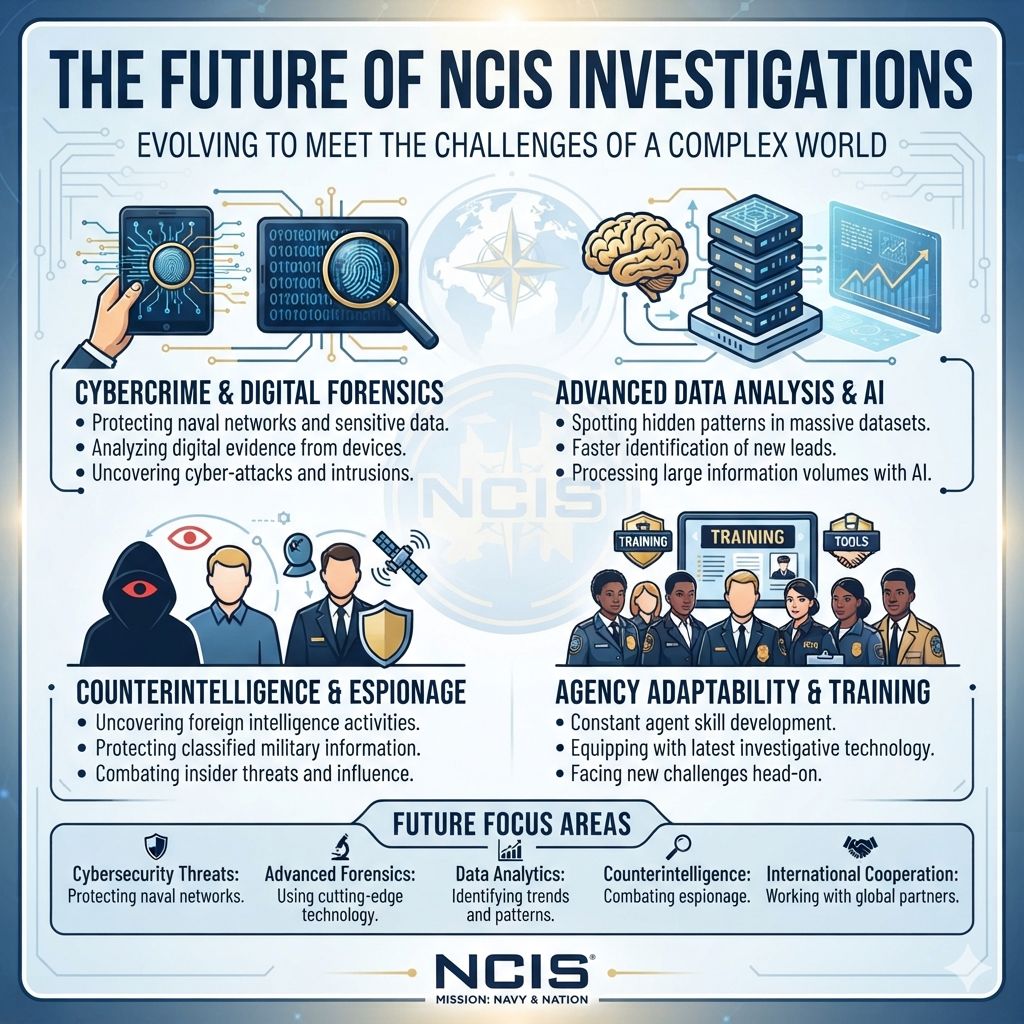
The world is always changing. So are the ways people commit crimes. NCIS must keep up. This means using new technologies. They are focusing more on cybercrime. Digital forensics is a big part of their work now.
They also use advanced data analysis. This helps them spot patterns. It can lead them to new leads faster. Artificial intelligence might play a bigger role. It can help process large amounts of information.
Counterintelligence is also a growing concern. With more information online, espionage is easier. NCIS agents work to uncover foreign intelligence activities. They protect sensitive military information.
The agency’s adaptability is key. They train their agents constantly. They ensure they have the latest tools. This allows them to face new challenges head-on. Their mission remains vital for the Navy and the nation.
Future Focus Areas
Cybersecurity Threats: Protecting naval networks.
Advanced Forensics: Using cutting-edge technology.
Data Analytics: Identifying trends and patterns.
Counterintelligence: Combating espionage and foreign influence.
International Cooperation: Working with global partners.
Frequently Asked Questions about NCIS
What is the primary mission of NCIS?
The primary mission of NCIS is to investigate and defeat criminal and national security threats to the U.S. Navy and Marine Corps. This includes protecting personnel, assets, and information.
Is NCIS a military branch?
No, NCIS is a federal law enforcement agency within the Department of the Navy. Its agents are federal officers, not typically uniformed military personnel, although many have military backgrounds.
Who do NCIS agents investigate?
NCIS agents investigate crimes involving active duty Navy and Marine Corps members, their families, and civilian employees of the Department of the Navy. They also investigate crimes that occur on Navy and Marine Corps property.
How does the NCIS TV show differ from the real agency?
The TV show is dramatized for entertainment. Real investigations are often slower, more methodical, and involve strict legal processes. Cases are not always solved within a single episode, and there’s a greater emphasis on evidence and protocol.
Where does NCIS operate?
NCIS operates globally. They have field offices located on naval installations within the United States and in numerous foreign countries to support U.S. Navy and Marine Corps forces worldwide.
Does NCIS handle espionage cases?
Yes, NCIS has a significant counterintelligence mission. They investigate and work to prevent espionage, sabotage, and other threats that could compromise national security and naval operations.
Conclusion: The Meaning Behind the Name
So, what does NCIS stand for? It’s the Naval Criminal Investigative Service. This name perfectly captures its vital role. It’s an agency dedicated to justice. It serves the brave men and women of the U.S. Navy and Marine Corps.
While the TV show brings excitement, the real NCIS is a serious operation. It’s about dedication, skill, and protecting our nation. Understanding the name helps us appreciate the work they do every day.
Products related to this article
Sponsored / affiliate links. As an Amazon Associate I earn from qualifying purchases. I may earn additional commission from eligible campaigns.