5 Best TV Stands for Small Apartments (2026): we compared
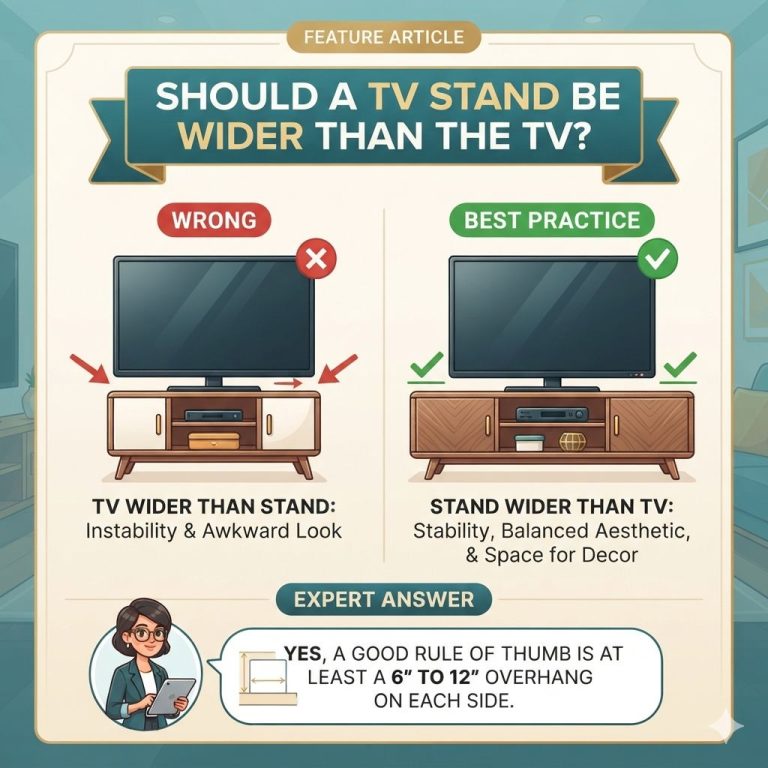
A good TV stand for a small apartment is usually a bit wider than the TV, fairly shallow, and offers storage that helps keep items off the floor. Too much base width blocks walkways fast. I check width, depth, and cable paths first, because a stand that fits the TV can still ruin a tight room. This guide breaks down footprint, storage style, and setup limits so you can buy the right stand the first time.
This guide is part of our TV stand guide: types, sizes, setup, and style series.
Quick comparison
| Product | Badge | Best for | Price | ||
|---|---|---|---|---|---|
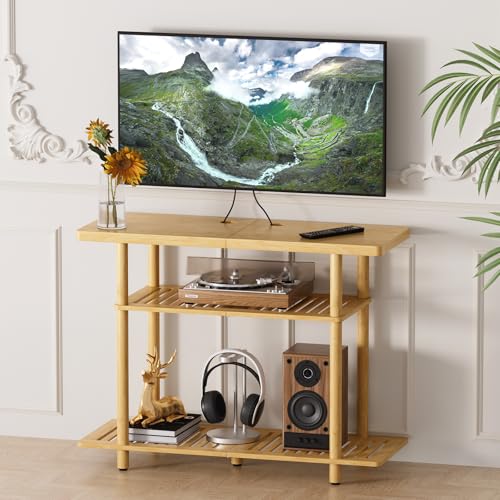 |
Atoping Bamboo TV Stand, Small TV Stands for up to 32 Inch,Atoping | Budget pick | 31.5 × 24.2 × 11.8 in · bamboo · 3-tier | $65.99
Price as of 24 Sep 2026
|
View |
 |
WLIVE TV Stand for 55 Inch TVs, Entertainment Center withWLIVE | Our pick | 47.2 in wide · fits up to 55 in · white | $84.54
Price as of 24 Sep 2026
|
View |
 |
Pipishell Tilt TV Wall Mount Bracket Low Profile for MostPipishell | Also great | 23–55 in · 99 lb · 1.3 in profile · tilt | $15.99
Price as of 24 Sep 2026
|
View |
 |
Modway Render Mid-Century Modern Two-Tier Display Stand inModway | Upgrade pick | Walnut · two-tier · mid-century display stand | $164.99
Price as of 24 Sep 2026
|
View |
 |
PERLESMITH Rolling TV Stand on Wheels for 23-65 InchPERLESMITH | Pair with it | 23–65 in · 99 lb · on wheels · tilt | $42.99
Price as of 24 Sep 2026
|
View |
This quick comparison is built for apartment layouts, not showroom rooms. A stand that looks fine online can fail once I factor in hallway width, door swing, and where the cords have to run.
Top compact pick for most apartments: a lowboard with mixed storage. It gives closed storage for clutter, open space for airflow, and a lower visual profile that feels lighter in a tight room.
According to 10 Best TV Stands for Small Apartments That Maximize Space … — The WLIVE stand measures 47.2W x 15.7D x 21.8H.
How we chose
Footprint came first. Width, depth, and walkway clearance matter more than diagonal TV size in a small apartment.
Storage fit came next. A good stand has room for consoles, remotes, and a soundbar without turning the top into a catchall.
Cable routing mattered as well. Rear cutouts, open backs, and drill-free cord cleanup are far more useful in rentals than polished photos suggest.
Stability, weight capacity, and material quality closed the list. A stand should hold the TV without wobble and should not rely on a flimsy top panel in a busy apartment.

Best overall compact stand: lowboard with mixed storage
The WLIVE TV Stand for 55 Inch TVs is the best all-around pick for most small apartments because it balances closed storage and open shelves without eating too much floor. At 47.2 in wide, it fits the common compact range, and the 21.8 in height keeps the profile low enough to avoid visual bulk.
It works best in a one-bedroom living room or a studio where the TV shares space with seating and circulation. The adjustable shelf and cable management help keep a console, streaming box, and remotes organized without forcing everything onto the top surface.
The drawback is simple: enclosed storage takes some planning. If you need quick access to game controllers, chargers, and handheld devices, the cabinet door can add a step to daily use. It is also wider than a bedroom stand, so measure your wall before buying.
Best open-shelf stand for easy device access
The Atoping Bamboo TV Stand is best for a bedroom corner, entryway-style TV zone, or a very small studio where the TV is under 32 inches. Its 31.5 in width and 11.8 in depth make it easy to place without crowding a walkway.
Open shelving makes sense when you want quick access to consoles, routers, or streaming devices and do not want cabinet doors in the way. The tool-free assembly is also attractive for renters who want a faster setup with fewer parts to sort through.
The trade-off is storage control. Open shelves show every cable and accessory, so the unit can look busy fast. It also has less room for hiding power strips, and it suits smaller TVs far better than larger flat screens.
Best closed-cabinet stand for hiding clutter
The WLIVE stand is the best choice when the room already feels busy and you want the TV area to read as one clean block. The cabinet storage hides accessories, while the open shelf gives ventilation for gear that runs warm.
That mix works especially well in living rooms where game consoles, remotes, chargers, and spare cables need a home. The mid-century white finish also pairs easily with light walls, wood floors, and simple apartment decor.
The weak point is airflow discipline. Closed storage needs care, because stuffed cabinets can trap heat and collect cords quickly. If your devices run hot or you swap equipment often, open storage may be easier to live with.
Best corner stand for tight rooms
The Atoping Bamboo TV Stand is the best corner-friendly option in this group because its narrow footprint works where a long console would block the room. A corner layout is often the right move in a studio or bedroom when the main wall is too short for a standard stand.
Corner placement can preserve walkway clearance near doors and keep the TV from cutting across the room. It also helps when the seating angle is already off-center, since a smaller unit is easier to orient toward the chair or bed.
The limit is size. This stand is made for compact screens, so it is not the answer if you want a larger television or a full entertainment wall. Corner use also demands careful cord routing so wires do not trail into the path of movement.
Best mobile option for renter-friendly layouts
The PERLESMITH Rolling TV Stand is the best choice when the apartment layout changes often, or when you want to shift the screen between bedroom and living area. The locking casters and built-in cable management make it easy to reposition without drilling into walls.
It is a practical fit for renters, shared spaces, and rooms where furniture gets rearranged often. The tilt adjustment also helps when the screen sits a little higher or lower than ideal.
The drawback is visual bulk. A cart looks more functional than furniture, and the wheels are not ideal if you want a low, anchored look. It also needs enough open floor for movement, which can be a problem in very tight studios.
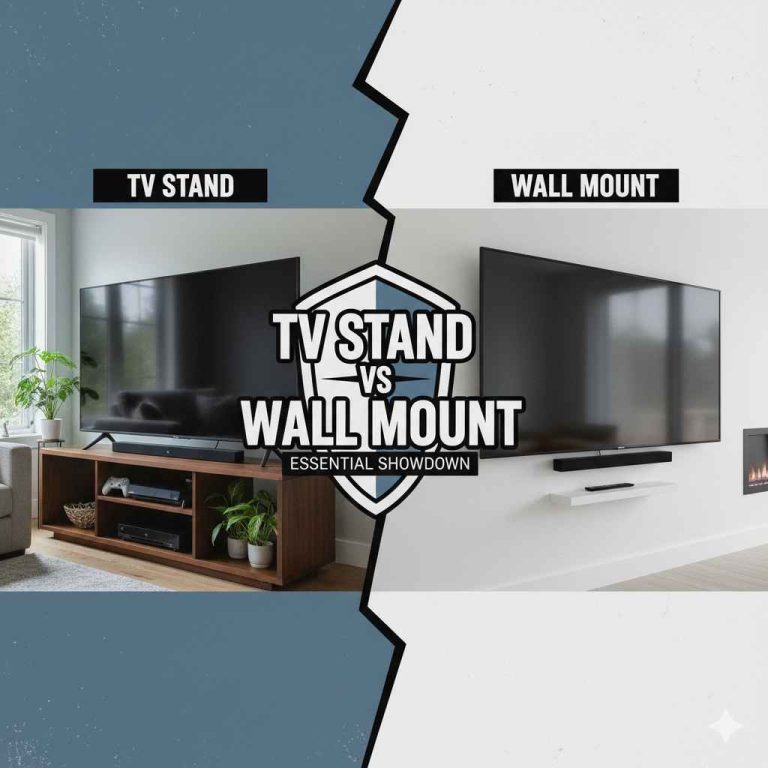
Best wall-mounted option when floor space matters most
The Pipishell Tilt TV Wall Mount is the strongest choice when the real problem is floor space, not furniture storage. It is useful in very tight apartments where even a shallow stand would block a pathway or door swing.
The low-profile mount keeps the screen close to the wall, and the tilt helps with glare from windows or ceiling lights. That matters in small rooms where the TV often faces a bright opening.
The downside is obvious: it does not give you storage for consoles or remotes, and it depends on wall structure. Renters also need to check building rules before drilling, and wall mounting does nothing to hide all the devices that still need a home.
Which one should you buy
Buy the WLIVE stand if you want the safest all-around answer for a studio, one-bedroom, or shared living room. It is the most balanced choice when you need storage and a modest footprint without going as small as a bedroom-only unit.
Buy the Atoping stand if your room is tight, your TV is small, or the corner is the only workable spot. It is the cleanest fit for a narrow footprint, but it is not the pick for larger screens.
Buy the PERLESMITH cart if you need flexibility more than furniture looks. It is the right move for renters who may move the TV often or need a temporary setup before deciding on a final layout.
Buy the Pipishell mount if the floor is the problem and you can use the wall. It frees the most space, but it also gives up storage and demands the most from the room structure.
Choose a closed-cabinet unit when clutter is your main issue. Choose open shelving when access and airflow matter more than hiding everything away.
What size TV stand works best in a small apartment?
A small apartment usually does best with a stand in the compact range, often around 40–60 inches wide, but the real rule is simple: the stand should be wider than the TV base and leave side clearance. Depth matters just as much. A shallow stand protects walkway space and keeps the room from feeling crowded.
Measure the room before the TV size
Room width, door swing, and a clear path around the furniture decide whether a stand works. A stand that technically fits the TV can still fail if it blocks a closet door, a bedroom entry, or the path to a sofa.
Match height to the seating position
Lowboard heights around 21–24 inches are common because they keep the screen lower and reduce visual bulk. The screen center should sit near seated eye level, which usually looks better and feels easier on the neck than placing the TV too high.
How wide should a TV stand be for a studio apartment?
For a studio apartment, width should follow the TV base and the room, not a generic diagonal size chart. A stand needs to be wider than the TV feet, and in a tight studio it should still leave space on both sides so the wall does not feel overloaded.
Use the TV base, not the box size
A 55-inch screen can have a much wider body than you expect, so the actual panel width matters more than the diagonal. The TV base or feet should sit fully inside the stand top with a little room left over for balance and cables.
Keep the walkway clear
If a stand narrows the path from the bed to the door, it is too wide. In a studio, a slightly smaller stand that keeps the aisle open is usually the smarter buy.
Why are TV stands so low?
TV stands are low so the screen sits closer to seated eye level and the furniture does not dominate the room. In apartments, a lower cabinet also reads as less bulky, which matters when the TV area shares space with dining, sleeping, or work zones.
Low height helps the room feel open
When the stand stays low, the wall above it remains visible. That extra empty space makes a small room feel less packed than a tall media unit would.
Low does not mean unstable
A low stand still needs a stable top surface and solid construction. If the TV sits on the unit, check for weight capacity and consider a tip-over restraint device when the stand design calls for one.
Should I choose open shelving or closed storage in a small space?
Open shelving is better when you need quick access and strong airflow for devices. Closed storage is better when cords, remotes, and small accessories would otherwise pile up and make the room look busy. Mixed storage usually gives the best balance in apartments.
Open shelving works best for active gear
Consoles, streaming boxes, and routers are easier to reach on open shelves, and heat can escape more easily. The downside is constant visual clutter, plus exposed cable runs that need more cleanup.
Closed cabinets hide the mess, but plan the heat
Cabinets hide spare controllers and power strips well. Still, enclosed spaces need ventilation and thoughtful cable routing so equipment does not overheat or get buried behind a door.
Is a corner TV stand better than a long TV stand in an apartment?
A corner TV stand is better when the room has awkward walls, a short main wall, or a doorway that would be blocked by a longer console. A long stand works better when you have enough wall width and want more storage surface without forcing the TV into a corner angle.
Corner layouts save walkway space
In a bedroom or studio, a corner stand can keep the center of the room open. That matters more than symmetry when every inch of floor needs to do a job.
Long stands fit better when the wall is clear
If the main wall has enough span and no door swing nearby, a longer unit usually gives better balance and more storage. It also gives the TV more visual breathing room.
Can a TV stand fit in a bedroom and still hold consoles?
Yes, but the stand has to stay shallow and organized. A bedroom TV area usually works best with a compact stand that has just enough room for one or two devices, remotes, and a soundbar without taking over the bed wall.
Keep the setup low and narrow
A bedroom stand should not compete with the bed frame, dresser, and walking path. A lower, narrower profile usually feels calmer and leaves more room for daily movement.
Choose storage by device count
If you only use a console and a streaming box, open shelves may be enough. If you also need to hide chargers, game cases, and power strips, mixed or closed storage is easier to keep tidy.
What is the best TV stand for small spaces with cable management?
The best choice for cable management is a stand with rear cutouts, open backing, or a dedicated cord path behind the shelves. In small apartments, that matters because the TV, console, soundbar, and power strip often end up sharing one tight zone.
Look for rear access first
Rear cutouts make it easier to route HDMI and power cords without bending them sharply. If the back is fully closed, the setup often becomes harder to service later.
Use renter-friendly cord cleanup
Drill-free cord clips, adhesive cable channels, and short power strips can clean up a TV area without wall damage. That is often the best fix for renters who want a neat look but cannot cut into the furniture or wall.
How do I keep a TV area from feeling crowded in a small apartment?
Keep the stand shallow, leave side clearance, and avoid stacking too many objects on top. A small apartment TV area feels crowded when the stand is too deep, cables run in every direction, and extra decor competes with the screen.
Choose one storage job per zone
Put only the items you use often on the stand top. Put the rest behind a door, inside a drawer, or in another room. That simple split keeps the TV area from becoming a catchall.
Protect walkway and door clearance
Before buying, measure the path between the stand and the nearest door or sofa arm. If the furniture trims that path too much, the room will feel cramped even if the TV itself fits.
How do you choose the right stand for your apartment?
Start with the TV width, not the diagonal size, then check the stand width, depth, and storage type against your room layout. The right stand is the one that fits the room first and the TV second, with enough clearance for cords, doors, and daily movement.
- Measure the TV’s actual width and the span of its feet or base.
- Measure the wall or corner where the stand will sit.
- Leave side clearance in tight rooms so the stand does not press against other furniture.
- Check depth in inches so the stand does not cut into the walkway.
- Decide whether you need open shelves, closed cabinets, or mixed storage.
- Plan cable routing before assembly so cords do not end up visible across the floor.
- Confirm the weight capacity and make sure the top surface feels stable for the TV and any decor.
- Review assembly needs, flat-pack parts, and whether you have the tools on hand.
Small-apartment TV stand selection matrix
This matrix maps room type, width, depth, storage need, and setup style to the stand profile that usually fits best. It is the fastest way to avoid buying a unit that looks right online but misses the actual layout.
| Room type | Available width | Depth target | Storage need | Setup type | Best stand profile |
|---|---|---|---|---|---|
| Studio | About 40–55 in | Under 16 in | Moderate, with cable hiding | Flat-pack, renter-friendly | Lowboard with mixed storage |
| Studio corner nook | About 32–40 in | Shallow, corner-shaped fit | Low to moderate | Fast assembly, no-drill cords | Compact corner stand |
| One-bedroom living room | About 47–60 in | 12–16 in | High, with room for consoles | Flat-pack with labeled parts | Mixed-storage lowboard |
| Bedroom TV wall | About 31–47 in | Under 14 in | Low to moderate | Simple assembly, few tools | Open-shelf compact stand |
| Shared living room with flexible layout | Varies by wall | Any shallow profile | Moderate, but needs mobility | Moveable, renter-friendly | Rolling TV stand |
| No floor space for furniture | Wall width allows it | None on the floor | Low, storage goes elsewhere | Wall-mounted setup | Low-profile wall mount |
Products related to this article
Sponsored / affiliate links. As an Amazon Associate I earn from qualifying purchases. I may earn additional commission from eligible campaigns.