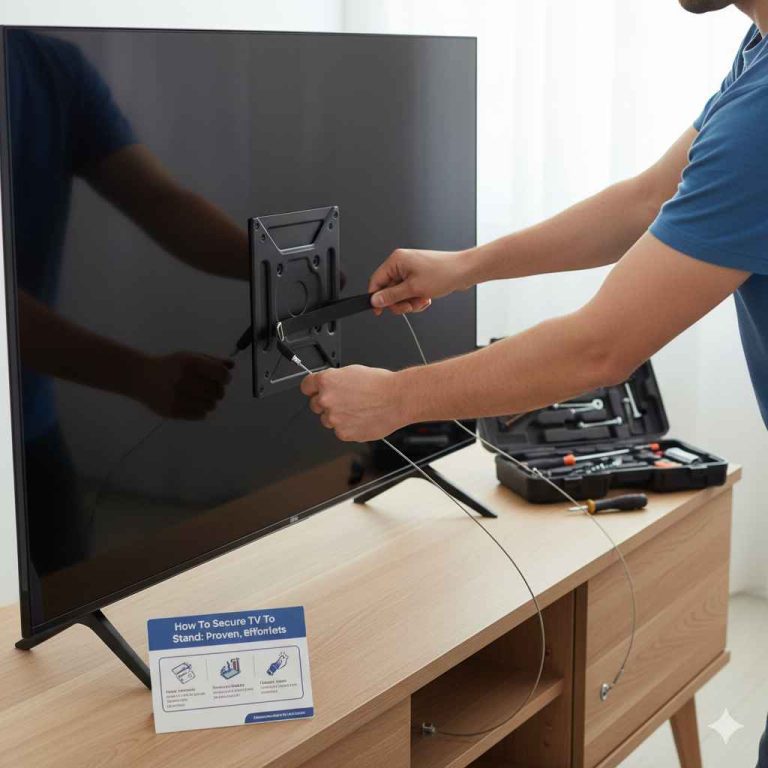
Best TV Stands for Large Living Rooms (2026): research shows
For a large living room, choose a TV stand that is roughly 60% to 80% as wide as the wall section it anchors, and noticeably wider than the TV for balance; many rooms do well with a stand in the 70s to 90s inches wide. Miss the scale, and the setup looks floaty and undersized, or heavy and boxy. This guide covers sizing rules, storage tradeoffs, and proportion checks so you can pick the best TV stand for a large living room.
This guide is part of our TV stand guide: types, sizes, setup, and style series.
Quick comparison
| Product | Badge | Best for | Price | ||
|---|---|---|---|---|---|
 |
Walker Edison Everette Modern Farmhouse Double Sliding XWalker Edison | Also great | 52 in · up to 58" TVs · sliding doors | $216.99
Price as of 26 Sep 2026
|
View |
 |
Sauder Harvey Park TV Credenza, Accommodates up to 70-InchSauder | Our pick | Credenza · up to 70" TVs · 95 lbs capacity | $353.12
Price as of 26 Sep 2026
|
View |
 |
OneBlis 65" Mid Century Modern TV Stand with Power Outlet,OneBlis | Upgrade pick | 65 in · built-in outlets · fluted walnut | $154.99
Price as of 26 Sep 2026
|
View |
 |
Flash Furniture 65" TV Stand, Fits up to 80" TVs, BlackFlash Furniture | Budget pick | 65 in · fits up to 80" TVs · glass doors | $265.12
Price as of 26 Sep 2026
|
View |
 |
Quvex 78.7" Floating TV Stand Wall Mounted Media ConsoleQuvex | Pair with it | Wall-mounted · 65-75" TVs · LED option | $665.99
Price as of 26 Sep 2026
|
View |
Read this comparison through proportion first. A stand can fit the TV and still fail the room if it is too short for a wide wall or too tall for a low sofa line.
Use the table to match stand type to wall span, storage load, and daily use in the room.
How we chose
The first filter was width and proportion. A large room needs a stand that grounds the TV without disappearing under it or looking like a thin strip on a long wall.
Next came storage layout. Family rooms with consoles, remotes, routers, streaming boxes, and game controllers need a different setup than a room used mostly for movies.
Build quality mattered too. Solid wood, engineered wood with solid backing, and metal frames all carry weight differently, especially with big screens and center-channel speakers.
Finally, the layout had to work for cable management, ventilation, and sightlines. A piece that blocks airflow or pushes the TV too high loses points fast.
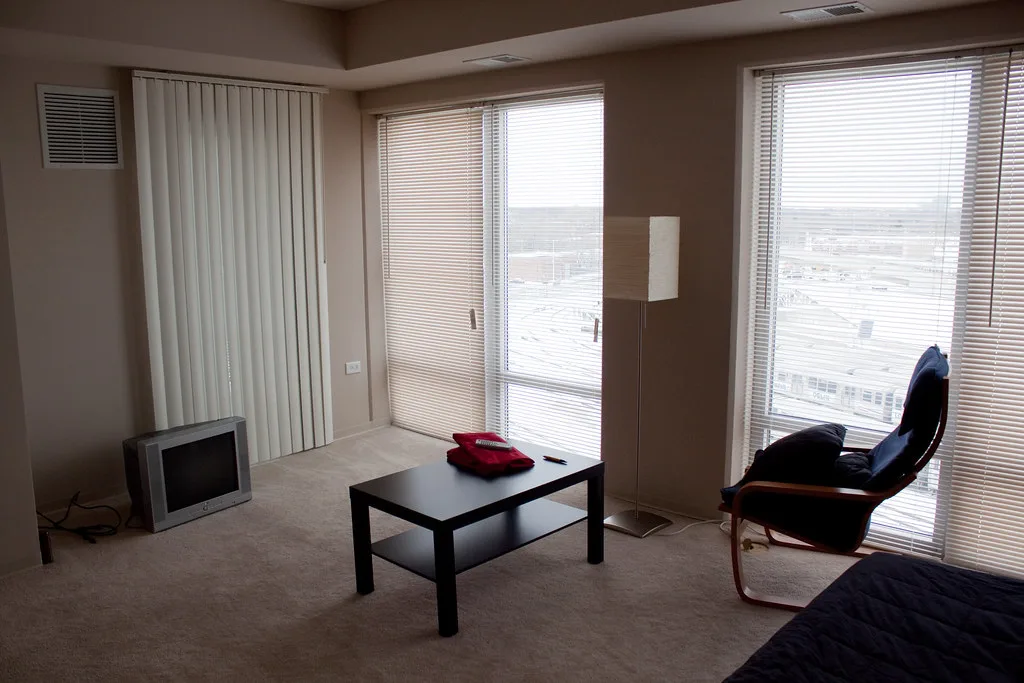
Long low console: best overall for wide walls
A long low console suits a large living room when the wall span is wide and the sofa sits far enough back to take in the full setup. It works best for 65- to 75-inch TVs, especially when you want the furniture to read as one broad base instead of separate pieces.
What stands out here is the split between open and closed storage. Sliding doors hide visual clutter, while adjustable shelves make it easier to fit a receiver, game console, or stack of media boxes without wasting vertical space.
The drawback is scale. At 52 inches wide, this specific piece fits a compact room or a secondary media cabinet; in a true large living room, it can read undersized unless the wall composition is very tight.
Media credenza: best for concealed storage
A media credenza is the better answer when the room needs calm surfaces and more hidden storage than display space. It suits households that want doors to hide controllers, cable boxes, and extra devices, while still keeping the front orderly in a broad family room.
The open shelves help with components that need quick access, and the stated 95-pound capacity makes the unit suitable for many mid-size TVs when the weight is matched correctly. The grand walnut finish also gives a more substantial read than lighter, thinner cabinetry.
The main drawback is that it is sized for up to a 70-inch TV, so larger screens can overhang or dominate the top visually. In very large rooms, that can leave the stand looking shorter than the wall wants.
Mid-century modern console: best for a clean, airy look
This style works well when the room is large but you do not want the furniture to feel heavy. The fluted walnut front adds texture without bulk, and the built-in outlets keep chargers and devices close to the stand instead of drifting across the room.
It fits 65-inch TVs in open-plan spaces where the stand must look polished from multiple angles. Adjustable shelves also make it easier to store media gear without leaving dead air inside the cabinet.
The drawback is that the 65-inch width can still be short for a very expansive wall. If the sofa is far back and the room spans a lot of blank wall, this unit may need art, lamps, or flanking furniture to avoid looking isolated.
Glass-door console: best for visible but tidy storage
This is the strongest pick when you want storage to disappear behind doors but still need a sense of lightness. The glass fronts help the stand feel less dense than a fully closed box, and the 200-pound static top rating gives it more confidence for larger screens.
It suits 75-inch TV setups better than narrower consoles because the 65-inch width gives the room a broader anchor. In a big living room, that extra presence helps the TV area feel intentional instead of borrowed from a smaller space.
The drawback is that glass shows internal clutter more easily than solid doors. It also asks for more careful cable work, because anything left loose behind the doors is still easy to spot.
Floating wall console: best for a clean built-in look
A wall-mounted console is a smart choice when floor space needs to stay open and the room benefits from a lighter visual line. It can work especially well with 65- to 75-inch TVs in long rooms where a floating installation helps preserve flow.
The pre-assembled construction and flexible height positioning are useful in rooms with tricky sightlines, since the display can be set at a more comfortable level. Drawers plus open shelving give you both hidden and accessible storage in one piece.
The drawback is commitment. Wall mounting adds installation complexity, and the floating style can look busy if the wall already has a fireplace, built-ins, or other strong features competing for attention.
What size TV stand looks best in a large living room?
The best-looking TV stand in a large living room is usually low, wide, and visibly longer than the TV by at least a foot on each side. That extra width gives the wall a grounded center, while a short or tall piece often looks too small against the room’s scale.
How room scale changes the answer
In a room with a long wall and a sofa placed well back, the stand has to read from a distance. Thin furniture disappears. A low console around 72 to 96 inches wide usually fills the wall without swallowing it, while a narrow chest-like piece tends to look accidental.
Ceiling height matters less than wall span here. A large room with a wide blank wall usually needs more horizontal furniture, not more height. Tall and narrow pieces can make the TV area feel pinched.
Why low and long usually wins
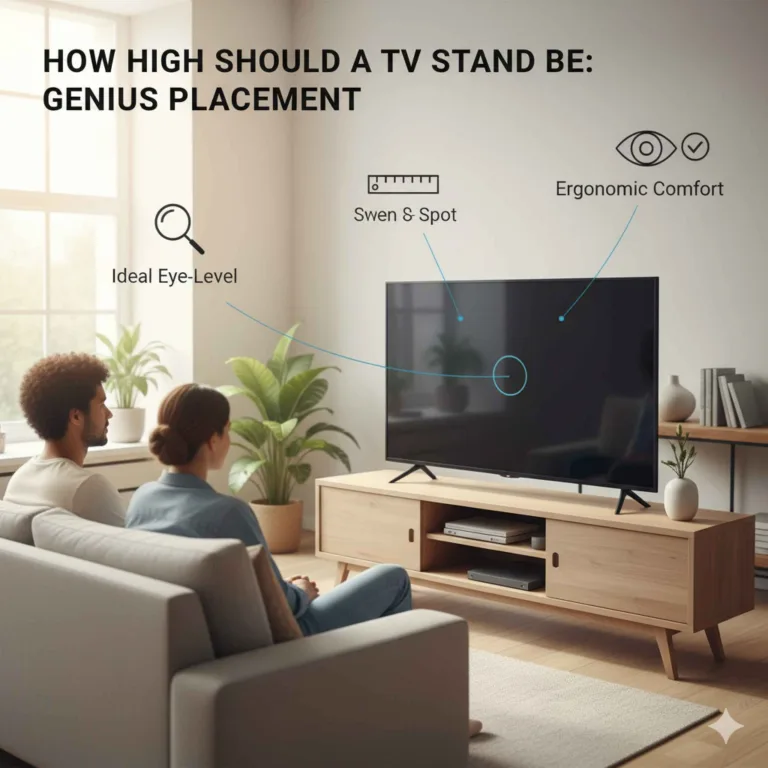
Low, long furniture keeps the TV at a comfortable height and gives the eyes a clear horizontal line to follow. In large rooms, that line helps connect the screen to nearby seating, rugs, and lamps instead of leaving the TV floating alone.
How wide should a TV stand be for a 65-inch or 75-inch TV?
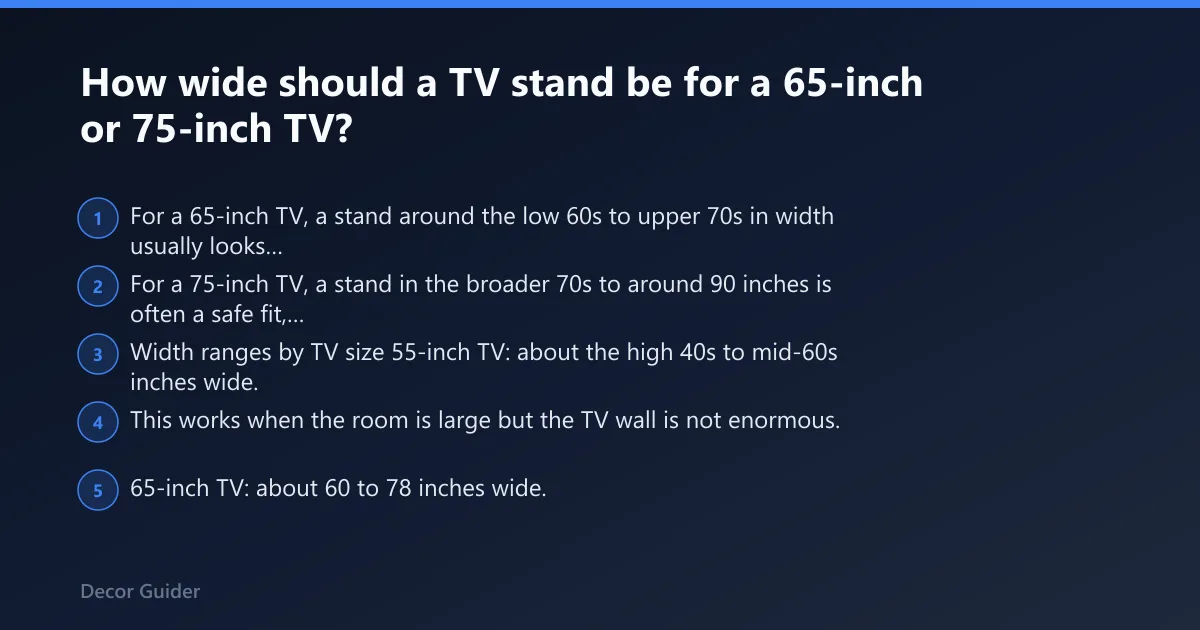
For a 65-inch TV, a stand around the low 60s to upper 70s in width usually looks balanced, with some extra width beyond the TV if the room is large. For a 75-inch TV, a stand in the broader 70s to around 90 inches is often a safe fit, and a wider one can work if the wall span is generous.
Width ranges by TV size
55-inch TV: about the high 40s to mid-60s inches wide. This works when the room is large but the TV wall is not enormous.
65-inch TV: about 60 to 78 inches wide. This is the range that most often lands well in spacious family rooms.
75-inch TV: about 72 to 90 inches wide. The larger the room, the more useful that extra width becomes.
85-inch TV: about the mid-80s to around 100-plus inches wide. At this size, the stand needs to feel like a real piece of furniture, not an accessory.
How much side clearance to leave
Stand width should exceed TV width so the screen does not sit edge to edge. A practical target is 6 to 12 inches of visual breathing room on each side, with more room helpful when the wall is very wide or the sofa is far back.
When to go extra-wide
Go extra-wide when the room is open concept, the TV wall is long, or the seating distance is beyond the usual family-room range. A wider console can make the screen feel properly anchored, especially with 75- and 85-inch TVs.
Should a large living room TV stand be low and long or tall and narrow?
For most large living rooms, low and long works better. It matches the width of a big wall, keeps the screen at a comfortable sightline, and leaves the room feeling open. Tall and narrow only makes sense when the layout is unusually tight or the TV is being placed in a corner.
When low furniture is the better fit
A low console is the safer choice when the sofa sits 8 to 12 feet from the screen or farther. At that distance, the viewer reads the whole media area at once, so the furniture needs enough horizontal mass to hold the composition together.
When taller storage can still work
Taller units are useful when the room lacks enough storage elsewhere. They can also work if the TV is small relative to the wall, but in a large room they can start to feel like a cabinet wall rather than a media base. That usually looks heavier than needed.
How much storage do I need in a TV stand for a big family room?
A big family room usually needs more storage than a simple shelf can provide. At minimum, plan for space for a streaming box, game console, router, remote storage, charging gear, and cable management; if the room doubles as a play space, closed storage becomes far more useful.
Storage configurations that work
Open shelving is best for gear that needs airflow and quick access. It works well for receivers and consoles, but it shows clutter fast.
Closed cabinets hide the mess, which is helpful for family rooms with more devices than anyone wants to see. The tradeoff is heat buildup if ventilation is poor.
Mixed storage is the most flexible option. It lets a soundbar or console sit where it can breathe, while remotes, controllers, and spare cables stay hidden.
Storage math for busy households
If there are two or more game consoles, a streaming box, a router, a soundbar, and a few charging docks, a stand with at least one closed compartment and one open shelf usually works better than an all-open design. That balance keeps the room tidy without making device access annoying.
What TV stand style fits a large living room without looking bulky?
Modern, transitional, and mid-century styles usually handle large rooms best because they stretch horizontally without looking dense. Farmhouse can work too, but it needs cleaner lines and lighter trim; otherwise it can turn blocky very fast in a big space.
Modern
Modern stands work when the room already has strong geometry. Flat fronts, slim legs, and long spans keep the piece readable from across the room.
Mid-century
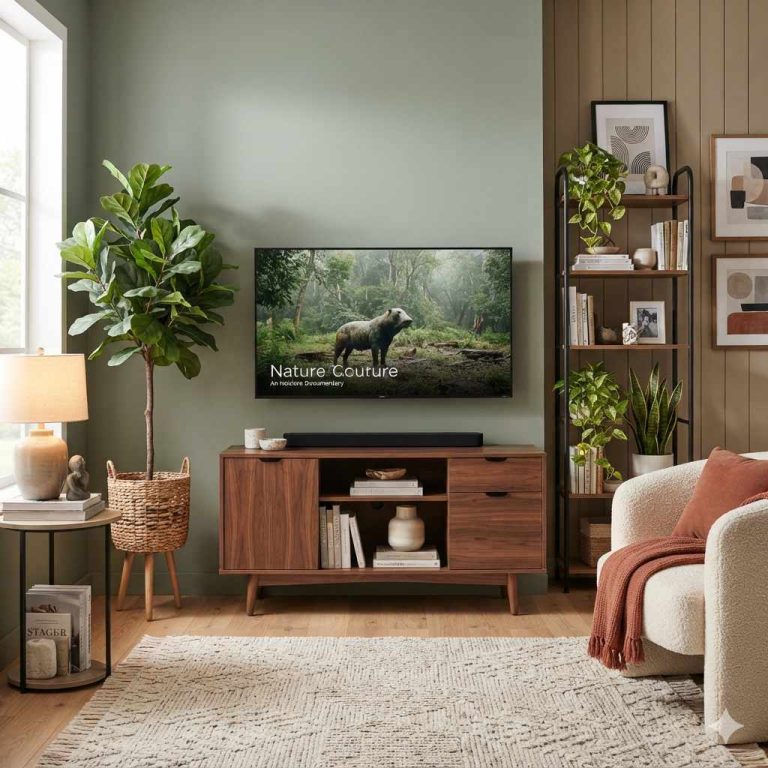
Mid-century pieces are good for large rooms that need warmth without bulk. Tapered legs and simple fronts keep the base light even when the width is generous.
Transitional
Transitional is often the safest option. It bridges classic and current details, which helps the stand feel anchored in a room with mixed furniture.
Farmhouse
Farmhouse works best when the doors and trim are restrained. Heavy trim or chunky side panels can make the stand feel larger than the TV wall needs.
Is a fireplace TV stand a good idea for a large living room?
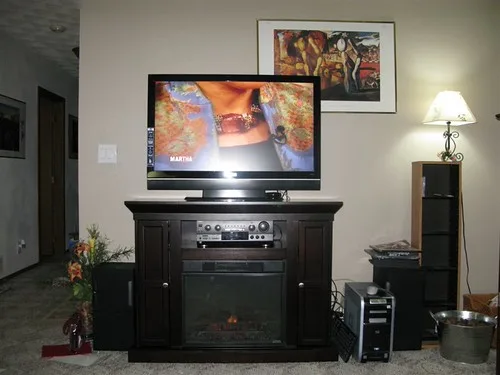
A fireplace TV stand can be a good idea when the room needs a stronger focal point and the wall is too empty for a simple console. It fills vertical space and can make a broad room feel finished, but it also adds bulk and can limit placement options.
When it helps
It works best when the room has a wide, blank wall and you want one central feature instead of several small pieces. In that case, the fireplace can give the TV zone enough presence to keep from feeling lost.
When it gets in the way
If the room already has a strong feature wall, fireplace media furniture can look crowded. It also reduces flexibility for device storage and may force the TV higher than ideal, which is a problem when the sofa sits close.
What materials are best for a large TV stand that feels premium?
The best premium feel usually comes from solid wood, high-grade engineered wood with strong joinery, or a metal frame used in a way that keeps the piece stable and visually light. In a large room, material quality matters because thin construction looks cheap faster at distance.
Solid wood
Solid wood has the strongest visual weight and usually ages well. It is a smart choice when the stand needs to look substantial under a large screen.
Engineered wood
Good engineered wood can be practical and stable, especially when the finish is even and the backing is solid. It is often the best value choice for people who want a large footprint without overspending.
Metal frame
Metal frames can keep a big console from feeling bulky. They work best when paired with solid panels or shelves that can handle the weight of larger TVs and gear.
How do I keep a large TV stand from overwhelming the room?
Keep the stand wide enough to anchor the wall, but not so tall or boxy that it blocks the room’s sightlines. The safest path is a low profile, a finish that matches nearby furniture, and storage that hides clutter without turning the piece into a wall of cabinets.
Use the room, not just the TV, as the guide
A stand can be wide enough on paper and still feel wrong if the room is very open. In that case, the piece may need more visual length, slimmer legs, lighter doors, or a wall-mounted layout to avoid looking stranded.
Watch the failure cases
The most common mistake is buying a stand that matches the TV width but not the wall span. Another is using a tall cabinet under a large screen, which makes the media zone feel too heavy and compresses the sightline for seated viewers.
Safety and compatibility checks
- Confirm the TV’s width, not just its diagonal size.
- Check the stand’s max TV weight support before buying.
- Use anti-tip hardware whenever the unit is tall or the home includes children or pets.
- If the stand includes a mount, verify VESA compatibility with the TV.
- Leave ventilation space around routers, soundbars, and streaming boxes.
- Route cables through cutouts or channels so the back does not become a snag point.
Room-proportion checklist and TV size matrix
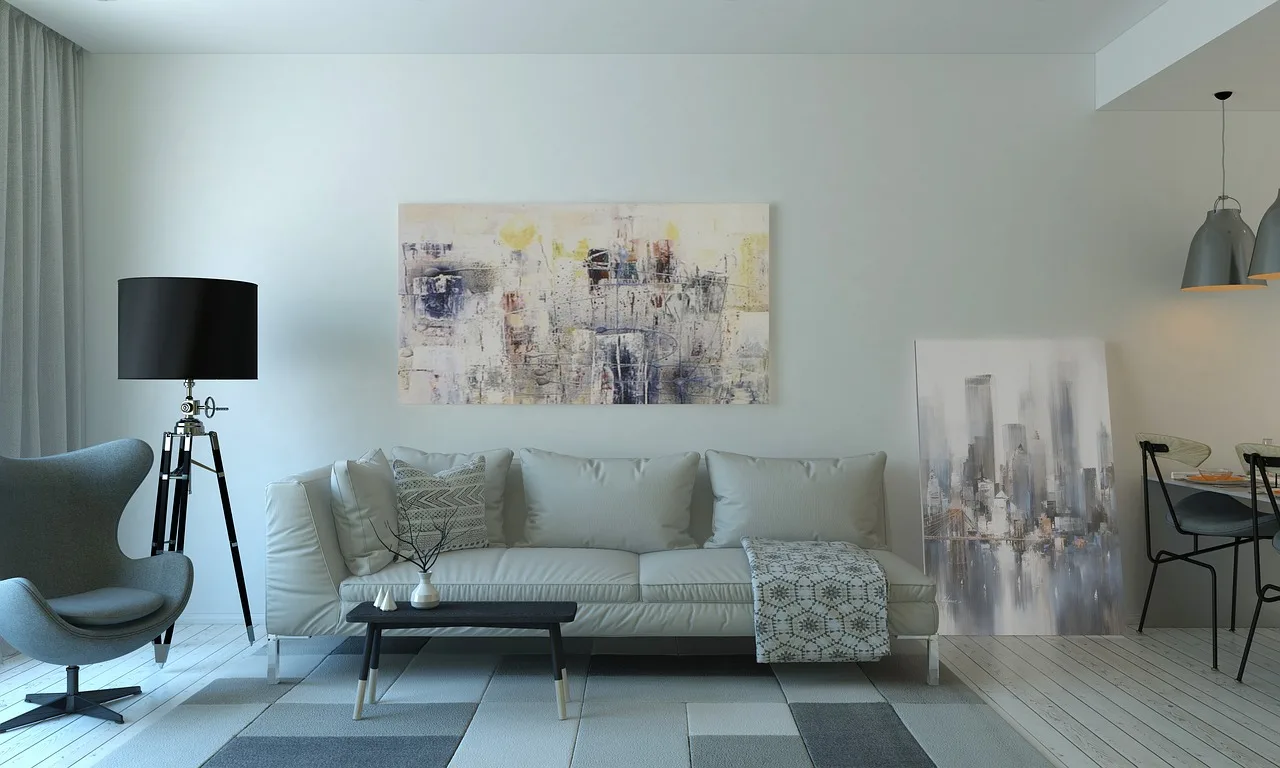
This is the part most shoppers skip, and it is where large rooms usually go wrong. A stand can be the right color and still feel too small, because scale depends on wall span, sofa distance, and how much storage the room actually needs.
| TV size | Recommended stand width | Storage need | Common layout mistake |
|---|---|---|---|
| 55-inch | 48 to 66 inches | Light to moderate; one console, router, and remotes | Choosing a tiny stand that vanishes on a wide wall |
| 65-inch | 60 to 78 inches | Moderate; streaming box, soundbar, game console, cable control | Buying a stand that is wide enough for the TV but too short for the wall |
| 75-inch | 72 to 90 inches | Moderate to heavy; closed space for extra devices and cords | Using a cabinet that feels squat and overbuilt |
| 85-inch | 84 to 108 inches | Heavy; broad storage and strong weight support | Pairing a giant screen with a stand that still reads as mid-size |
55-inch TV setup
A 55-inch screen can sit on a smaller stand in a large room, but it usually needs help from surrounding furniture or wall decor. Without that balance, the TV area can look lost.
65-inch TV setup
This is the easiest size to pair with a wide console in a large room. It gives enough screen presence to justify a longer piece without pushing the furniture into oversized territory.
75-inch TV setup
A 75-inch TV usually needs the roomiest console in the group. The stand should look deliberate on a long wall, not like a shorter unit selected because the TV fit.
85-inch TV setup
An 85-inch setup needs serious width and strong visual grounding. The stand should feel like a true base for the display, with storage and structure that can support both weight and scale.
Common mistakes that make a stand look too small
The biggest mistake is ignoring the wall span and focusing only on TV size. Another is using a stand with a lot of height but not enough width, which makes the entire setup look compressed. In open-concept rooms, that effect gets worse because the furniture has more visual competition.
Which one should you buy

Choose the best stand by room scale first, then by storage load and style. If the room is broad and the TV is 65 to 75 inches, a long low console usually gives the cleanest balance. If clutter is the main issue, prioritize closed storage. If the wall needs a focal point, consider a fireplace unit.
Best choice by budget
For a lower budget, the OneBlis console gives a strong style read with built-in power access. For a mid-range buy, the Sauder credenza offers a more substantial storage feel. For a higher-budget wall-mounted look, the Quvex unit brings a built-in effect.
Best choice for heavy storage
The Sauder Harvey Park credenza is the strongest fit when hiding devices matters more than display. The closed front and open shelves make it easier to manage family-room clutter without turning the setup into a visual pileup.
Best choice for a clean, minimal look
The OneBlis and Quvex pieces are the cleaner-looking options. The OneBlis works on the floor with a warm mid-century feel, while the Quvex floating design keeps the lower wall open and airy.
Best choice for a fireplace feature
A fireplace TV stand only makes sense if the room needs a stronger focal point and the layout can tolerate the extra height. If the wall already feels busy, a simpler long console usually looks better and leaves more freedom for seating and storage elsewhere.
Products related to this article
Sponsored / affiliate links. As an Amazon Associate I earn from qualifying purchases. I may earn additional commission from eligible campaigns.