What Does Mash Stand For? Tv Show Meaning Explained
Have you ever wondered what the acronym MASH really means? It’s a name that brings back memories for many. The TV show was a big deal.
For another TV setup decision, Are Electric Fireplace TV Stands Safe? gives readers a related next step before choosing or installing furniture.
For a closely related home or decor topic, What Does TMZ Stand For? Thirty Mile Zone gives readers a useful next step.
It showed us a different side of things. We’re going to dive deep into what MASH stands for. We’ll also explore its special message.
You’ll learn why this show still matters to us.
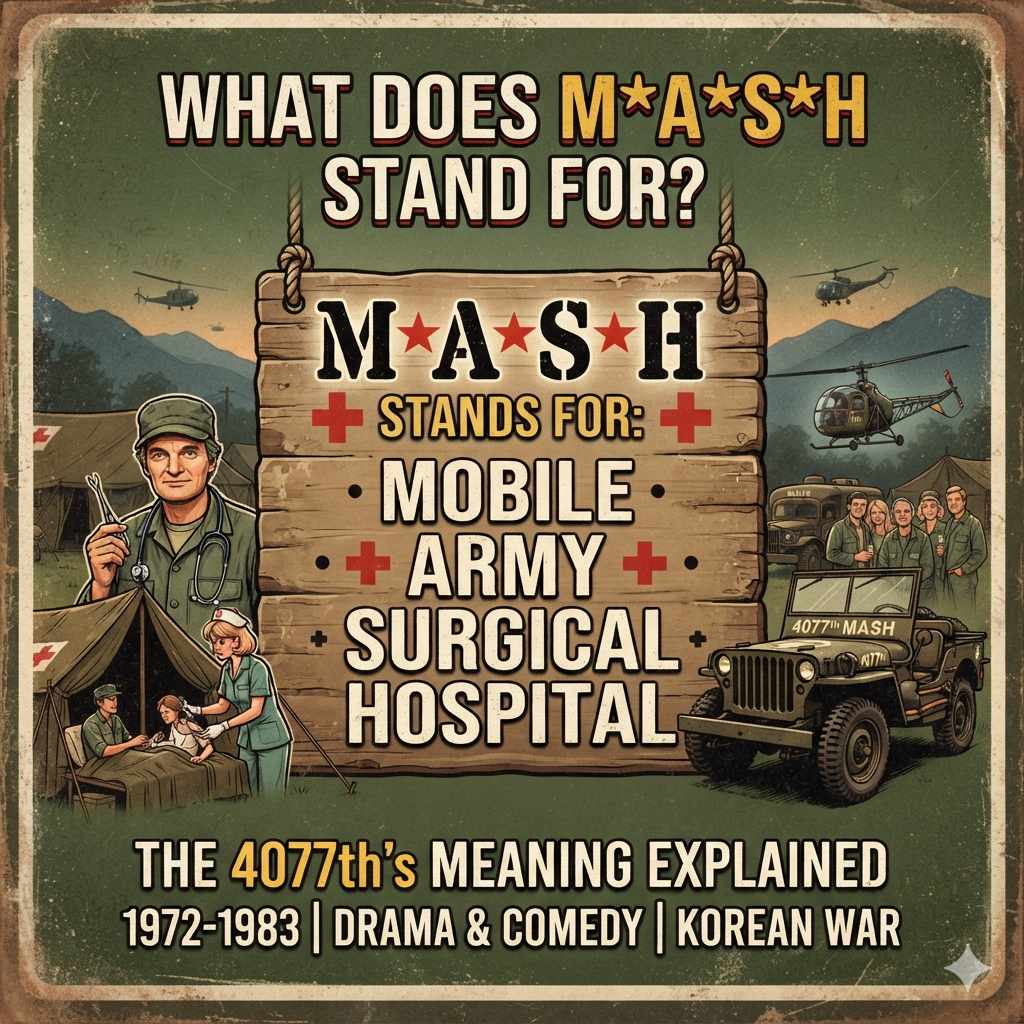
MASH stands for Mobile Army Surgical Hospital. It was a type of medical unit during wartime. These hospitals were set up close to the front lines. They treated wounded soldiers quickly. The TV show used this setting to tell powerful stories. It mixed humor with serious issues. This made it a unique and memorable series.
Understanding MASH: Mobile Army Surgical Hospital
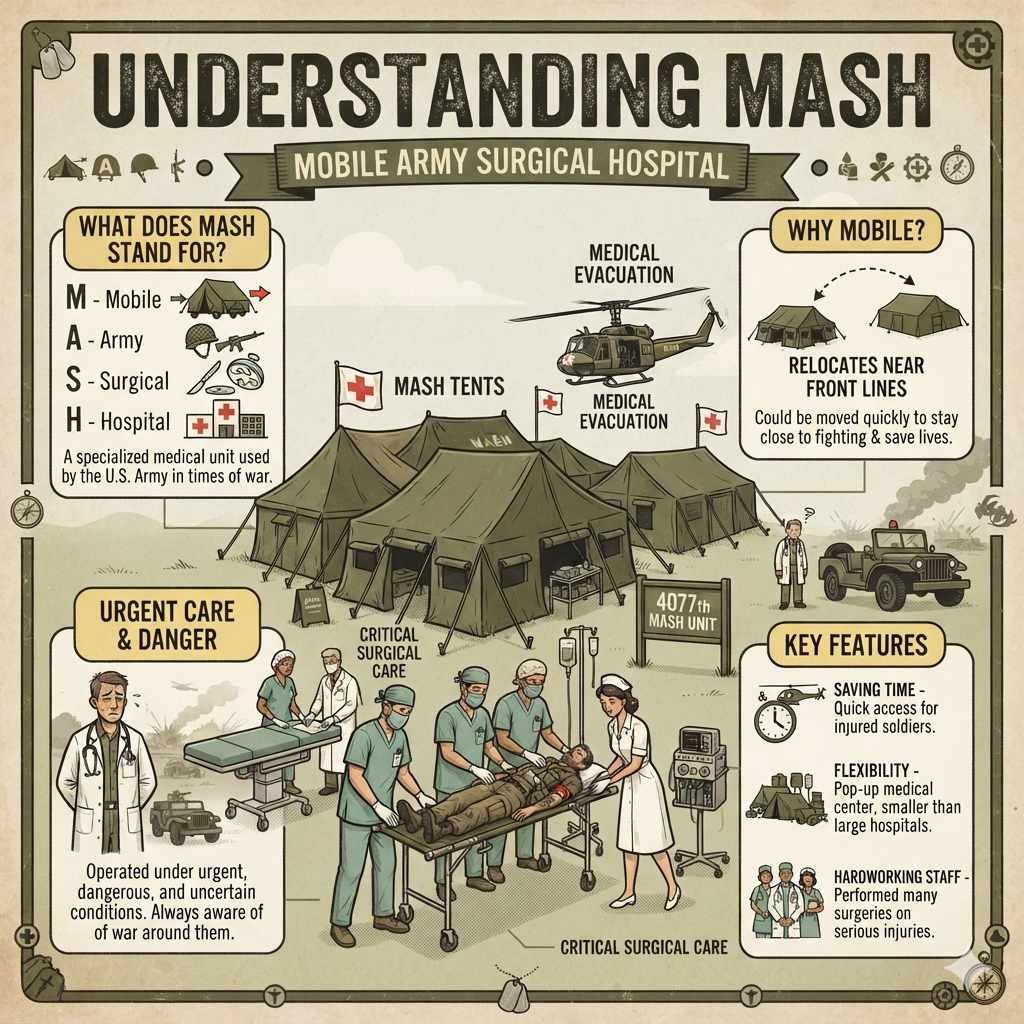
MASH is a word many people know. But what does it truly represent? The term itself is an acronym. It stands for Mobile Army Surgical Hospital. This is a specific type of medical unit. It was used by the U.S. Army. The goal was to help injured soldiers. This happened during times of war.
These hospitals were not like big city hospitals. They were much smaller. They were also mobile. This meant they could be moved. They were often set up close to where fighting was happening. This was important for saving lives. Soldiers needed help right away. Getting them to a distant hospital took too long.
The MASH units were like pop-up medical centers. They had doctors and nurses. They also had other staff. They worked very hard. They performed many surgeries. They treated all kinds of injuries. These were often very serious. The doctors and nurses saw a lot. It was a tough job.
The setting of a MASH unit was crucial. It was always near danger. This made the work urgent. It also made the lives of the people there very uncertain. They were always aware of the war around them. This closeness to the conflict shaped everything. It affected the people who worked there. It also affected the patients.
The word “mobile” is key here. It means they could be moved. They weren’t stuck in one place. If the front lines changed, the MASH unit could move too. This made them flexible. It ensured they could keep helping soldiers wherever they were needed. This mobility was a defining feature.
A Real MASH Story: My Uncle’s Experience
My Uncle Frank served in the Army. He was a medic. He was stationed in Korea during the war. He never talked much about it. But one time, he told me a little. He was part of a MASH unit. He said it was a strange place.
He described the tents. They were set up in a dusty field. The noise of the war was always there. Sometimes it was loud. Other times it was a low rumble. He remembered the smell of antiseptic. He also remembered the smell of blood. It was a constant reminder of why they were there.
He told me about one day. It was very busy. A lot of wounded soldiers came in. The doctors and nurses worked for hours. They didn’t stop. Uncle Frank helped carry patients. He gave supplies. He saw things he said he would never forget. He saw courage. He also saw great pain.
He said the humor was important. The doctors and nurses would joke. They would tell stories. It was a way to cope. They had to keep going. They couldn’t let the sadness take over. They had to be strong for each other. And for the soldiers they were helping.
He told me about a surgeon. This surgeon was amazing. He could do surgery very fast. He saved many lives. But he was also very tired. Everyone was tired. Sleep was rare. Food was often not great. But they all had a job to do.
He said the MASH unit felt like a family. They relied on each other. They saw the worst things together. They celebrated the small victories. Like when a soldier was stable. Or when someone was ready to go home. Those moments meant everything. It was a unique bond.
The Television Show: MAS*H
The TV show MAS*H brought these stories to millions. It started in 1972. It ran for 11 seasons. It was very popular. It told stories about doctors and nurses. They worked in a Mobile Army Surgical Hospital. The show was set during the Korean War.
It wasn’t just a comedy. It wasn’t just a drama. It was both. This mix was new. It made people think. It made them laugh. It also made them cry. The show was very brave. It tackled important issues. It showed the realities of war. But it did it with a light touch.
The characters were well-loved. There was Hawkeye Pierce. He was the main surgeon. He was smart and funny. He often protested the war. There was Trapper John. He was Hawkeye’s friend. He was also a surgeon. There was Frank Burns. He was a less skilled surgeon. He was often the butt of jokes.
There was also Major Houlihan. She was the head nurse. She was strong and capable. Radar O’Reilly was a young corporal. He was the company clerk. He was very observant. He often knew things before others. These characters felt real.
The show was set in a MASH unit. But it was about more than just medicine. It was about people. It was about how people act. Especially in tough times. It showed their hopes. It showed their fears. It showed their resilience. It showed their humanity.
The writers used humor to talk about war. This was a clever way to handle a difficult topic. They could make fun of the situation. They could point out the absurdity of war. But they never forgot the real cost. The show always reminded people of the pain.
The actors were very good. They brought the characters to life. They made us care about them. We laughed with them. We worried about them. We felt their sadness. The show had a big impact. It won many awards. It is still remembered today.
MASH: What It Really Meant
MASH was more than just a medical unit. It was a symbol. It represented a specific kind of service. It was about helping others. It was about being on the front lines. It was about facing difficult situations. And doing your best.
The show MAS*H took this concept. It made it into a story. It showed us the human side of war. It showed us that even in the worst places, people can find ways to survive. They can find ways to laugh. They can find ways to connect.
The meaning of MASH goes beyond the acronym. It speaks to resilience. It speaks to compassion. It speaks to the ability to find light in the darkness. It shows that even when things are bad, there is still good in people. There is still hope.
The show also critiqued war. It showed the waste. It showed the suffering. It made people question why wars happen. It didn’t shy away from the ugly parts of conflict. But it did it with wit. It did it with heart.
The name MASH itself became famous. It means a place where healing happens. A place where people are given a second chance. It is a place of urgency. But also a place of hope. It’s a reminder of the sacrifices made. And the lives saved.
MASH In The Modern World
Does MASH still matter today? Yes. The core ideas are still relevant. War still happens. People still get hurt. Medical units are still needed. They are still on the front lines. They still face tough challenges.
The show MAS*H taught us important lessons. It showed us that people can work together. Even when they are very different. It showed us the importance of humor. It showed us the importance of empathy. These are things we still need.
In today’s world, we see a lot of division. We see a lot of conflict. The lessons from MASH can help. They remind us to be kind. They remind us to support each other. They remind us that we are all human. We all have struggles.
The show also showed us how to deal with stress. The doctors and nurses were under a lot of pressure. They used humor. They formed bonds. They found ways to relax. These are strategies we can all use. When life gets tough.
MASH is a reminder of history. It’s a reminder of what soldiers and medical staff went through. It’s a reminder of the costs of war. It’s a reminder of the importance of peace. These are things we should never forget.
The name MASH is more than just a historical term. It’s a symbol of courage. It’s a symbol of service. It’s a symbol of the human spirit. It’s a symbol of hope in dark times. It’s a name that carries a lot of meaning.
The Impact of Humor in MASH
Humor was a vital tool in the MAS*H TV show. It wasn’t just for laughs. It served a deeper purpose. It helped the characters cope. It helped the audience cope too. War is a terrible thing. It brings immense sadness and fear. Humor can be a shield.
The doctors and nurses faced death daily. They saw terrible injuries. They had to remain professional. They had to keep working. If they only focused on the bad things, they would break. So, they used jokes. They made witty remarks. They found funny situations.
This humor was often dark. It was often gallows humor. It was the kind of jokes you tell when things are really bad. It was a way to release tension. It was a way to acknowledge the grim reality. Without letting it crush them.
Think about Hawkeye Pierce. He was a master of sarcasm. He used it to question authority. He used it to point out the absurdities of war. He used it to deflect his own pain. His humor was his defense.
But the humor never made light of the suffering. It was always balanced. A funny moment would be followed by a serious one. We would laugh with them. Then we would feel the weight of their work. This balance is what made the show so powerful.
The humor showed their humanity. It showed that they were still people. They still had spirits. They could still find joy. Even in the middle of hell. This made them relatable. It made us root for them.
It also taught us something about ourselves. It showed us that even when things are at their worst, we can find ways to smile. We can find ways to connect. We can find ways to keep going. This is a valuable lesson. Especially in difficult times.
MASH and Its Message About War
The television series MAS*H had a strong anti-war message. It didn’t glorify conflict. It showed the messy, brutal reality. It focused on the people affected by war. The soldiers who fought. The medical staff who treated them. And the civilians caught in between.
The show highlighted the futility of war. It showed how lives were lost for often unclear reasons. It questioned the motives of those in power. The characters often complained about the war. They didn’t understand why they were there. Or why it was so destructive.
One key element was the constant influx of wounded. It was a never-ending stream. This showed the scale of the conflict. It showed the relentless nature of casualties. The MASH unit was always busy. Always overwhelmed. This emphasized the cost.
The show also showed the personal toll of war. The stress on the doctors and nurses was immense. They experienced trauma. They dealt with loss. They had to make impossible choices. These were the human consequences. Not just the statistics.
It’s important to note that MASH wasn’t pacifist propaganda. It was set in a time of war. It showed the bravery of the medical staff. It showed their dedication. They were there to save lives. But the show made you think about whether those lives had to be put at risk in the first place.
The ending of the show is famous. It showed the unit leaving. It was a moment of closure. But it also left a lingering sadness. The war was over. But the scars remained. The impact of the conflict would last. This was a powerful closing statement. It reminded viewers that wars have long-lasting effects.
MASH: The Role of Sacrifice
Sacrifice was a central theme in the world of MASH. Both the TV show and the real-life units embodied this. The doctors and nurses sacrificed their comfort. They sacrificed their safety. They sacrificed their time with family. They were far from home.
They worked long hours. They faced constant danger. They dealt with extreme stress. Sleep was a luxury. Good food was rare. Their lives were unpredictable. They had to be ready for anything. At any moment.
The soldiers they treated also made sacrifices. They sacrificed their youth. They sacrificed their health. Many sacrificed their lives. They were sent to fight. They endured hardship. They faced enemy fire. Their contributions were immense.
The show MAS*H often portrayed these sacrifices. We saw characters making difficult choices. They put the needs of others before their own. They stayed on duty when they were exhausted. They performed surgery knowing the risks.
The sacrifices were not always glamorous. They were often grim and difficult. But they were essential. They were what allowed the unit to function. They were what saved lives. They were what kept hope alive.
The show also touched on the idea of wasted sacrifice. Sometimes, despite all the efforts, soldiers still died. This was a hard truth. It made the sacrifices seem even more poignant. It highlighted the tragedy of war.
Understanding MASH means understanding the spirit of sacrifice. It’s about people putting themselves on the line. For a cause. For each other. For the hope of peace. It’s a powerful concept. It’s something we should remember. Especially when we think about the service of our armed forces.
MASH and Camaraderie
Camaraderie is a word that perfectly describes the bonds formed in MASH units. Whether real or on TV, these units were tight-knit. They had to be. They were in a high-pressure environment. They relied on each other completely.
The characters in the MAS*H TV show were like a family. They argued. They teased each other. But when it mattered, they were always there for one another. They protected each other. They supported each other.
Think about the relationships between Hawkeye and Trapper John. They were best friends. They often got into trouble together. But they always had each other’s backs. Their friendship was a bedrock in the chaos.
Or the way the nurses looked out for the surgeons. And vice versa. They were a team. They had a common goal. To save lives. This shared mission created a powerful bond. It transcended differences.
This sense of belonging was crucial for survival. Not just physical survival, but emotional survival. In the face of so much death and destruction, having people who understood, who cared, made all the difference.
The show depicted this well. We saw them sharing meals. We saw them talking late at night. We saw them celebrating small victories. We saw them mourning losses together. These moments showed the depth of their connection.
This camaraderie is a testament to the human spirit. Even in the darkest of times, people can find connection. They can find strength in numbers. They can find comfort in shared experience. It’s a powerful reminder.
The Lasting Legacy of MASH
The television show MAS*H left an indelible mark. Its legacy continues to resonate. It changed television. It changed how we talk about war. It changed how we think about medical services.
It showed that television could be more than just entertainment. It could be thought-provoking. It could be meaningful. It could tackle complex issues. And it could do so with both humor and heart. This paved the way for many shows that followed.
The show’s approach to war was groundbreaking. It humanized the conflict. It showed the personal cost. It encouraged critical thinking. This perspective remains relevant. Especially in a world still dealing with wars and their consequences.
The characters became icons. Their struggles and triumphs are remembered. Their wit and wisdom continue to inspire. They represent resilience. They represent humanity.
The name MASH itself has become synonymous with wartime medical care. It evokes images of dedication. Of bravery. Of quick action in life-or-death situations. It’s a term that carries weight.
Even today, people watch reruns. They discover the show for the first time. They are drawn to its authenticity. To its emotional depth. To its enduring message. The show’s ability to connect with audiences across generations is a testament to its quality.
MASH reminds us of the importance of empathy. It reminds us to look beyond the headlines. To see the people involved. It reminds us that humor can be a powerful coping mechanism. And that hope can be found even in the direst circumstances. Its legacy is one of deep human connection.
MASH: A Look at the Medical Realities
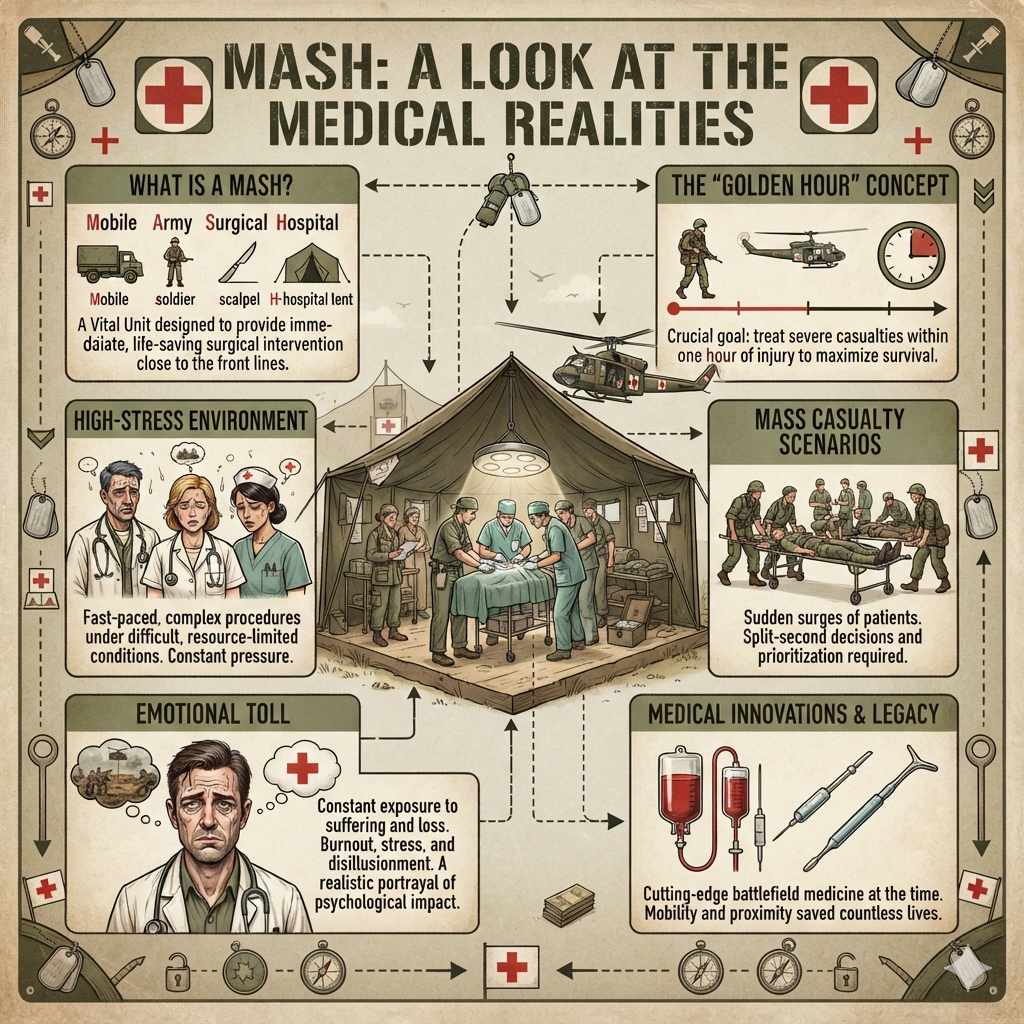
While the TV show MAS*H often used humor, it also strived for a degree of medical realism. The core of the show was a Mobile Army Surgical Hospital. These units were vital during wartime. They were designed to treat the most severe casualties quickly.
The concept of the MASH unit was to provide immediate surgical intervention. This was crucial for saving lives. Soldiers often sustained life-threatening injuries on the battlefield. Getting them to a surgical facility within what doctors call the “golden hour” was paramount. MASH units made this possible.
The show depicted the fast-paced, high-stress environment of a surgical tent. Doctors performed complex procedures under difficult conditions. Resources were often limited. Time was always of the essence. The medical staff worked under immense pressure. They were constantly on call.
We saw the surgeons dealing with mass casualties. This was a common scenario in war zones. A sudden influx of wounded soldiers would overwhelm the unit. The staff had to prioritize. They had to make split-second decisions. It was a constant battle against time and the severity of injuries.
The show also touched upon the emotional toll on the medical staff. Witnessing such suffering and loss on a daily basis was incredibly taxing. The fictional doctors and nurses in MAS*H often struggled with burnout, stress, and disillusionment. This was a realistic portrayal of the psychological impact of wartime medical service.
While the show used dramatic license, the core mission of a MASH unit was critical. They represented the cutting edge of battlefield medicine at the time. Their mobility and proximity to the front lines saved countless lives. The show brought attention to this vital but often unsung aspect of military service.
Frequently Asked Questions about MASH
What does MASH stand for literally?
MASH stands for Mobile Army Surgical Hospital. It was a type of medical unit used by the U.S. Army during wartime. These units were designed to be set up close to the front lines to provide rapid surgical care to wounded soldiers.
Was MASH a real type of hospital?
Yes, MASH was a real concept. The U.S. Army operated Mobile Army Surgical Hospitals during conflicts like the Korean War and the Vietnam War. The TV show was based on the experiences of these units.
Why was the TV show MAS*H so popular?
The show was popular because it skillfully blended comedy and drama. It addressed serious themes like the brutality of war, the sacrifices of soldiers, and the human cost of conflict. Its relatable characters and witty dialogue also contributed to its success. It offered a unique perspective on war.
What was the main message of the TV show MAS*H?
The show’s main message was about the resilience of the human spirit in the face of adversity. It highlighted the importance of camaraderie, humor, and empathy in surviving the horrors of war. It also served as a powerful anti-war statement, questioning the necessity and cost of conflict.
Did the TV show MAS*H accurately portray wartime medicine?
While the show took some creative liberties for dramatic and comedic effect, it captured the essence of the intense and demanding environment of a MASH unit. It showed the speed, pressure, and emotional toll on medical staff during wartime. It brought a sense of realism to the challenges faced.
What is the difference between a MASH unit and a regular hospital?
A MASH unit was mobile and set up close to combat zones to provide immediate surgical care. Regular hospitals are typically larger, permanent facilities located further from the front lines. MASH units focused on life-saving emergency surgery, while regular hospitals offer a broader range of medical services and long-term care.
Conclusion
So, now you know. MASH means Mobile Army Surgical Hospital. It was a vital part of wartime medical care. It was a place of urgent healing. It was a place of brave people. The TV show brought this world to life. It showed us the humor and the hardship. It showed us the bonds that formed. MASH reminds us of sacrifice. It reminds us of hope. It’s a name that holds a lot of meaning.
Products related to this article
Sponsored / affiliate links. As an Amazon Associate I earn from qualifying purchases. I may earn additional commission from eligible campaigns.