How to Open a Locked Door with a Bobby Pin
If your door has an outside emergency-release hole, try that first. If it has a real keyway or a deadbolt, stop and use a non-destructive fallback. A bobby pin is only a narrow-use workaround for simple interior privacy locks, not a substitute for a proper key or release tool.
Which interior lock do you have?


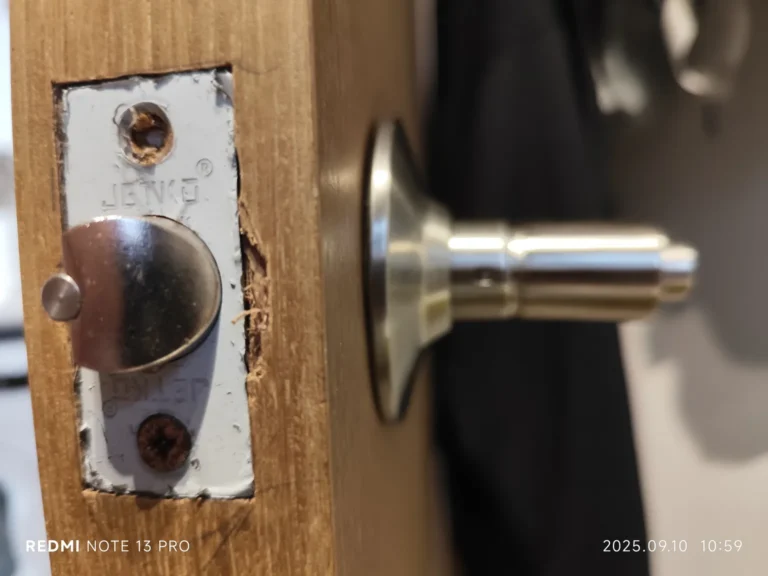
Spot a privacy lock versus a passage knob
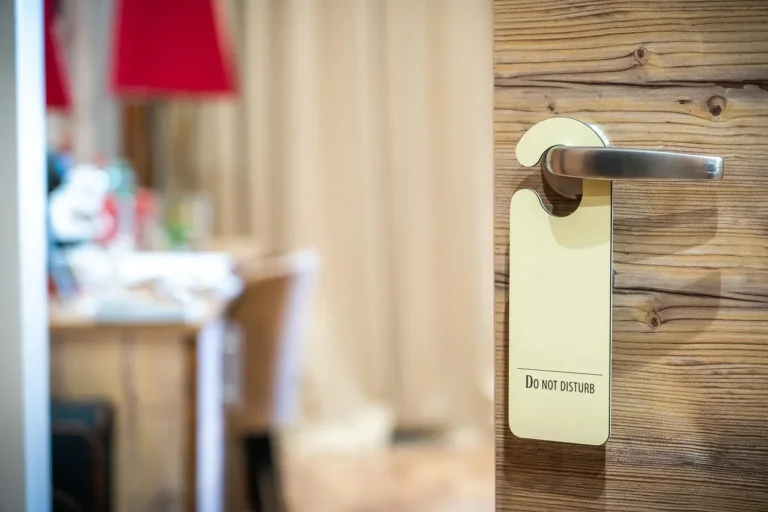
Start by looking at the knob or lever, not the door label. A privacy lock is usually found on a bedroom or bathroom door and often has a small button, twist piece, or emergency-release hole. A passage knob typically turns freely from both sides and does not lock.
If the outside side has a tiny pinhole, a privacy lock is likely. If there is a keyway, the door may be a keyed bedroom lock, which is a different mechanism and a poor candidate for an improvised bobby pin. If the door is a deadbolt, stop here.
Look for push-button, turn-button, or keyed features
Push-button privacy locks lock when you press a button on the inside knob. Turn-button privacy locks lock when you twist a small thumbturn. Keyed bedroom locks use a real keyway on the outside and typically a keyed cylinder in the lock core.
That distinction matters because privacy hardware is designed for easy inside privacy and emergency access, while keyed pin-tumbler locks use a more defined key profile and security layout. According to Schlage’s privacy-lock guidance and the Door Security & Safety Foundation, many privacy locks include a pinhole emergency release; keyed cylinders are a different mechanism entirely.
Check for an outside emergency release hole
Many bathroom and bedroom privacy locks include an outside emergency-release hole. That opening is meant for legitimate access when someone is stuck inside, and it is usually the safest non-destructive first option if you have the correct release tool or a straightened, suitable substitute.
If the lock has that feature, try it before any improvised picking. If the door is swollen, the latch is rubbing, or the knob feels gritty, the problem may be alignment rather than the lock core itself.
Interior lock decision table
This table answers the key question first: can a bobby pin plausibly work on this door? The answer depends on the lock type, not the door’s location alone. Results vary by brand, wear, and mechanism.
| Lock type | Visible features | Likelihood | Likely failure mode | Safest next step |
|---|---|---|---|---|
| Push-button privacy lock | Interior button locks the knob; outside may have a small release hole | Possible on a simple, low-wear version | The pin slips, the button mechanism resists, or the tool bends | Try the outside release hole first; if that fails, use maintenance help |
| Turn-button privacy lock | Small thumbturn on the inside; often on bedrooms and bathrooms | Possible only on very simple hardware | Light tension does not move the lock core, or the turn mechanism is too tight | Check for misalignment and try a non-destructive release method before any improvised attempt |
| Keyed bedroom lock | Real keyway on the outside, keyed cylinder, no simple emergency release | Unlikely | The pin does not match the pin chambers; hardware can jam or scratch | Use the proper key, a spare, or a locksmith |
| Bathroom emergency-release lock | Privacy lock with a small outside hole for emergency access | Low for a bobby pin, high for the correct release tool | The improvised pin misses the release point or bends | Use the emergency-release method designed for that lock |
| Standard passage knob | No button, no thumbturn, no keyway | Not applicable | Nothing inside is meant to be bypassed; force only damages parts | Inspect the latch, strike plate, and hinges instead |
Can a bobby pin actually work here?
It is far less useful on a keyed lock or deadbolt. The method relies on light tension and tiny movements inside the lock core, not brute force.
Why it may work on simple privacy cylinders
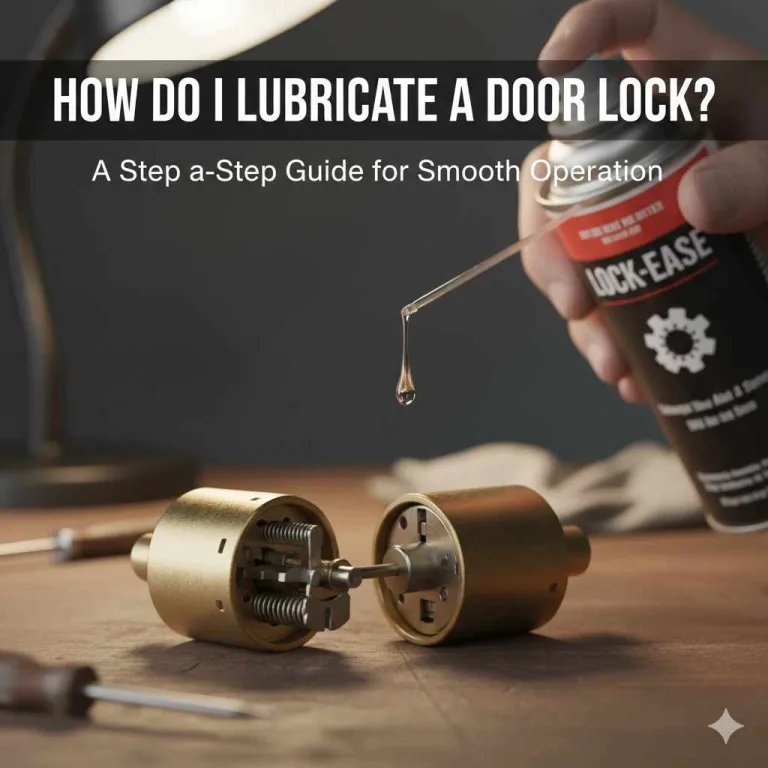
A bobby pin can be rigidified and bent to act as a rough tension tool and pick tool. On a simple spring-loaded pin tumbler lock, the aim is to apply a tiny amount of rotational pressure while lifting the internal parts into position. When the pin stacks align, the core can turn.
That is the basic mechanism described in lock-picking references such as the Lock Picking 101 primer from Art of Lockpicking and Schlage’s explanation of privacy hardware. It is a low-confidence method, not a dependable one, and it depends on a lock with enough tolerance to move freely.
Why keyed bedroom locks and deadbolts are different
Keyed bedroom locks and deadbolts are not the same as a basic privacy latch. A deadbolt moves in a different way and usually uses a more secure cylinder. A keyed bedroom lock also depends on a defined keyway and pin arrangement, which makes improvised tools far less likely to help.
Forcing either one is more likely to leave a bent bobby pin stuck in the cylinder than to open the door. If the lock is keyed, stop and switch to a proper non-destructive option.
What spring-loaded pin tumbler alignment means
In a spring-loaded pin tumbler lock, the pin stacks need to sit at the correct level so the plug can rotate. That is what people mean by alignment. The core must turn only when the key or release mechanism brings those stacks into the right position.
That is a different idea from bumping, which uses a separate bump key technique. Bump keys are a distinct method for keyed pin-tumbler locks and are not relevant to simple interior privacy locks; the U.S. Consumer Product Safety Commission and manufacturer guidance emphasize using the correct key or release feature instead of improvised force.
How do you use a bobby pin safely?
Use a bobby pin only as an improvised tool on a simple interior privacy lock, and keep the pressure very light. The goal is not force. It is to avoid binding the mechanism while you gently work the pins or tumblers into position. If the pin flexes hard, stop.
Bend one pin for tension and one for picking
A common approach is to use one bobby pin as a light tension tool and a second as the pick tool. The tension side applies a tiny rotational load. The pick side is shaped to nudge internal parts. A second bobby pin can be used for either job, but control is limited.
Hair pins and safety pins are often searched for too. A hair pin can sometimes be bent into a similar shape, but it is usually less controlled. A safety pin is a poor choice because its hinge and point make fine feedback harder to feel and increase the risk of slipping.
Apply very light rotational pressure
Turn pressure should be minimal. Excessive tension can bind the plug, increase friction on the pins, and leave the hardware harder to move. Locksmith training materials routinely warn that too much tension masks feedback and makes the lock harder to pick, not easier. Think light rotational pressure, not prying.
Suppose a bathroom door has a tiny outside release hole and a thumbturn inside. The correct release point may move easily, while the rest of the lock feels tight. A hard push on the bobby pin can make that easy movement disappear by binding the internal parts.
Watch for bending, slipping, or a jammed core
Stop if the bobby pin slides without feedback, if the core feels gritty, or if the tool starts to curl. Those are signs that the lock is not cooperating, or that the hardware may already be damaged. Forcing the issue can worsen the jam and mark the trim.
A common first-timer mistake is to keep working a lock that is already misaligned. On an interior bedroom door, the latch may be scraping the strike plate while the cylinder itself is fine. In that case, more picking will not help.
What should you try if it will not open?
If the lock will not open, move to the safest non-destructive option that matches the hardware. If there is no release hole, inspect the latch, door fit, and alignment before you attempt anything else. Do not force a jammed core.
Try the outside emergency release if the lock has one
Bathroom and bedroom privacy locks often include an outside emergency release. That feature exists for legitimate access and is usually the best next step. If you can identify it, use the proper release method rather than improvising with a bobby pin against the main mechanism.
Check for misalignment or a sticky latch
Look at the gap around the door and listen for scraping at the strike plate. A swollen door, loose hinges, or a shifted strike can make a door seem locked when the latch is simply stuck. If the knob turns but the door will not open, alignment is a stronger suspect than the lock core.
In that case, try gentle pressure on the door while turning the knob. If the latch is still not moving cleanly, stop before you deform the pin or mar the hardware.
Use a non-destructive fallback before forcing hardware
For a locked interior door that is not a simple privacy cylinder, the safest fallback is a proper emergency release tool, a spare key, building maintenance, or a locksmith. That is especially true for keyed bedroom locks, damaged hardware, and deadbolts. Once the core feels damaged, improvised picking is the wrong route.
When should you stop and call for help?
Stop if the lock core feels damaged, if the bobby pin will not seat cleanly, or if the door is keyed or deadbolted. A bobby pin is only a narrow-use workaround for simple interior privacy locks. If the hardware resists, professional help is usually cheaper than repairing a bent mechanism.
Stop also if the latch has been forced out of alignment, if the trim is already scratched, or if the lock has visible wear. High-security locks and exterior doors are different from a bedroom privacy lock. Do not treat them as interchangeable.
Frequently asked questions
How to open a door lock with a bobby pin youtube
Video searches often focus on bump keys and general lock-picking demos, but a bobby pin is a much narrower tool. For a locked interior door, use the video only to identify the lock type, not to copy a forceful technique. If it is keyed or damaged, stop and use a non-destructive fallback.
How to open a locked door with a hair pin
A hair pin can sometimes be bent into a rough improvised pick, but it has the same limits as a bobby pin and often less control. It is only plausible on a simple privacy cylinder, not on a deadbolt or serious keyed lock. Light tension and patience matter more than force.
How to open a locked bathroom door with a bobby pin
A bathroom privacy lock is the one interior lock type where a bobby pin may have a chance, but only if it is a simple push-button or turn-button mechanism. First check for an outside emergency-release hole. If the lock feels gritty or the latch is sticking, use a non-destructive fix instead of forcing it.
How to open a push lock door with a bobby pin
A push-button privacy lock may respond to an improvised tool only when the mechanism is simple and lightly loaded. The safer first move is to identify the emergency release hole on the outside. If the button is jammed or the lock core feels rough, avoid extra pressure and choose a repair-friendly option.
Products related to this article
Sponsored / affiliate links. As an Amazon Associate I earn from qualifying purchases. I may earn additional commission from eligible campaigns.