How to Unlock a Bathroom Door From the Outside
First, identify the bathroom lock style: use the matching outside release if there’s a pinhole, coin slot, or slotted emergency release; if there isn’t one, remove the knob or call a locksmith. Forcing the door can bend the latch, crack the trim, or leave the door jammed tighter. This guide shows how to spot each privacy lock, use the correct release method, and troubleshoot the three failures that keep the door shut.
Bathroom lock decision table


Match the hardware before you try a tool. The outside release on a privacy lock looks different from a deadbolt, and sliding bathroom doors use a different release point than a standard knob.
| Bathroom door style | Correct outside-release method | Likely tool | Usual failure point | Best next step if it fails |
|---|---|---|---|---|
| Privacy knob with emergency release hole | Insert a small tool into the exterior hole and press the release pin | Flathead screwdriver or straightened paperclip | Pinhole is painted over or the pin is stuck | Try a thinner tool, then inspect for a jammed latch |
| Push-button privacy lock with exterior slot | Depress the slot on the outside rose or face | Flathead screwdriver, coin, or thin butter knife | Tool is too thick or the release is misaligned | Switch to a thinner blade and add light door pressure |
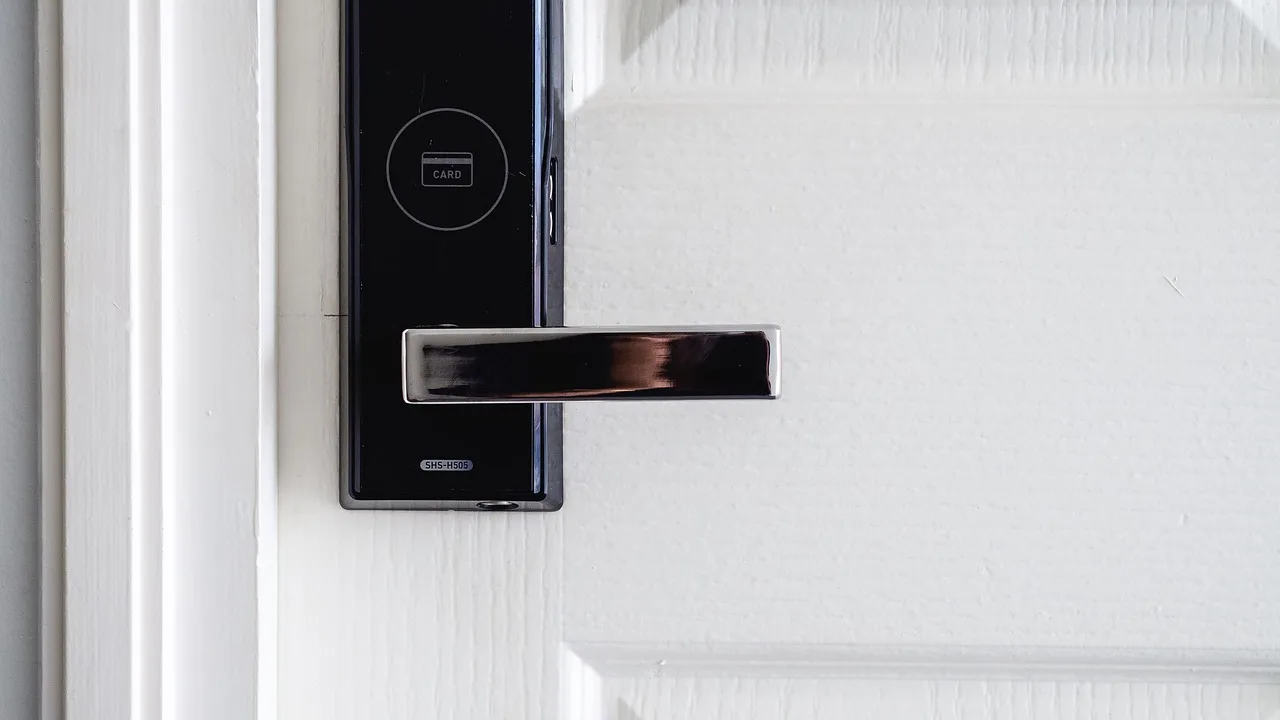
| Thumbturn privacy lock | Use the exterior emergency release if present, then check the spindle | Paperclip or small screwdriver | Stripped or jammed spindle | Stop turning and inspect the knob assembly |
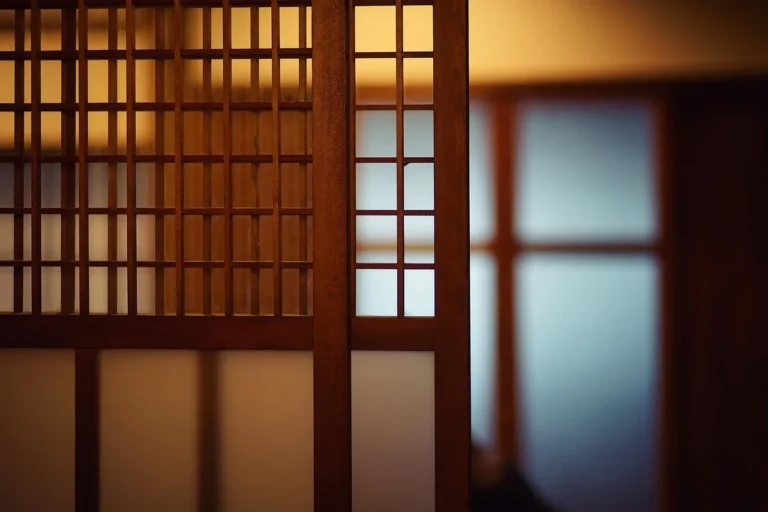
| Sliding pocket or barn-style bathroom door | Find the edge latch, privacy pull, or narrow emergency opening | Flashlight, small screwdriver | Latch is caught in the track or edge hardware is misaligned | Inspect the latch edge and track, not just the handle |
| Privacy knob with missing or stripped release hole | Remove the knob or stop and call for repair help | Small screwdriver, flashlight | Broken release pin or damaged trim | Do not force it; move to repair or locksmith help |
What you’ll need
- Flathead screwdriver with a thin blade
- Paperclip or straightened wire
- Coin or butter knife for some privacy sets
- Flashlight
- Optional: rubber gloves for better grip
Why the door still won’t open
If the release moves and the door stays shut, the lock may be free while the latch is still trapped. Common causes include a jammed spring latch in the strike plate, a misaligned strike plate or swollen door edge, or a broken release pin, stripped spindle, or damaged trim.
Jammed spring latch in the strike plate
Keep the release depressed and nudge the door toward the jamb, then away from it, in short motions. The latch tongue may be hanging on the strike plate opening, especially if the door was shut hard.
Misaligned strike plate or swollen door edge
Try lifting the door handle slightly while you release the lock. A strike plate that sits a few millimeters off center can trap the latch, and a humid bathroom can swell the door edge enough to make the fit tighter.
Broken release pin, stripped spindle, or damaged trim
If the tool spins without tension or the hole feels empty, stop. A stripped spindle or broken pin means the privacy set will not release normally, and forcing it can snap the trim or leave the knob harder to remove later.
If that did not work, try this next: place a flashlight on the latch side, hold the release open, and press the door inward by about 1/8 inch, then pull it back out. If the latch tongue moves but catches again, repeat once and stop. If the hardware feels loose or gritty, the set likely needs repair rather than more force.
Common mistakes
Most failed attempts come from using the wrong tool or pressing too hard. A coin, butter knife, or screwdriver can work on some privacy sets, but only if the slot fits the blade and the pressure stays light.
- Using a tool that is too thick and widens or scratches the release slot
- Forcing the knob or latch after the release has already moved
- Pulling hard before the latch clears the strike plate
- Missing the difference between a privacy lock and a keyed deadbolt
- Trying the same move on a sliding pocket or barn-style bathroom door without checking the edge latch
Prevention is simple: keep a spare release tool near the bathroom, and keep the hardware clean so paint and debris do not fill the emergency hole.
When should you stop and call for help?
Stop if the release hole is painted over or broken, the door is warped, or the lock feels damaged inside. Call building maintenance, a locksmith, or emergency services if a child, medical issue, or other urgent safety problem is involved. Shared-space and commercial bathroom sets should also be handled by the property owner or maintenance staff.
Do not keep prying at a missing or stripped release hole. That is the point where a privacy lock usually shifts from a simple outside-release fix to a repair job.
Frequently asked questions
How to open a bathroom door from the outside without key
Use the outside emergency release on the privacy lock, not a deadbolt approach. A flathead screwdriver, paperclip, or coin may work depending on the slot size. If the release hole is missing or stripped, stop forcing the hardware and move to removal or locksmith help.
How to open a sliding bathroom door from the outside
Check the edge latch, privacy pull, or narrow emergency access, because sliding bathroom doors do not always use a round knob release. A flashlight helps you see the hardware. If the latch is caught in the track, inspect the alignment instead of trying to turn a knob that is not there.
How to open a bathroom door knob from the outside
Use the small emergency release hole on the outside rose or face of the knob, then press or turn with a thin tool. A flathead screwdriver works on many sets if the blade is narrow enough. If the spindle feels stripped, the knob assembly may need replacement.
Can you open a bathroom door from the outside?
Yes, most privacy bathroom locks are built with an outside release. The correct method depends on whether you have a push-button lock, thumbturn lock, or sliding-door privacy latch. If the hardware is broken, painted over, or missing the release point, use repair help instead of more force.
Products related to this article
Sponsored / affiliate links. As an Amazon Associate I earn from qualifying purchases. I may earn additional commission from eligible campaigns.