How to Fix a Gap Between Two French Doors
Measure the gap at the top, middle, and bottom. If it changes by more than about 1/8 inch, address hinge sag or a twisted frame before replacing the astragal. Choosing the wrong cause can leave the doors rubbing, unlatching, or letting in drafts and light. This guide shows how to measure the gap, identify sagging hinges, astragal damage, or an out-of-square frame, and choose the right fix order.
Diagnosing why French doors have gaps
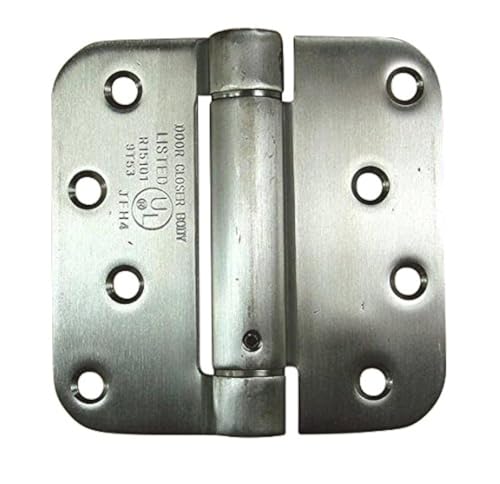


A French-door gap can come from hinge sag, a damaged astragal, or a frame that is out of square. The pattern matters. A gap that grows at the top often points to hinge wear; an uneven center gap can point to astragal or latch-side alignment; a gap that varies at both sides can point to the jamb or frame.
What you’ll need
- Tape measure
- 6-foot level or straightedge
- Phillips and square-drive screwdrivers
- Drill/driver and bits
- Longer screws of the same type
- Replacement 4 inch x 4 inch hinges or ball bearing hinges, if needed
- Replacement weatherstrip
- Replacement astragal parts, if the center strip is split or damaged
- Shims for jamb support, if the frame needs correction
French door gap diagnosis matrix
| Measurement pattern | Most likely cause | Fix order | Parts to plan for |
|---|---|---|---|
| Hinge side top gap is larger than middle and bottom | Sagging or relaxed hinge leaf | Tighten screws, then test longer screws, then replace hinges if needed | Same screw type, longer screws, heavy-duty hinges |
| Meeting stile gap is larger at top or bottom only | Astragal damage or latch-side misalignment | Check closure and bolt engagement, then inspect astragal, then realign doors | Astragal repair or replacement, weatherstrip |
| Gap changes at both sides and the door rubs in more than one place | Out-of-square or flexing frame | Check plumb and square before hardware changes | Shims, framing support, possibly new jamb work |
| Gap is even, but light or drafts show through | Weatherstrip wear after prior alignment changes | Correct alignment first, then replace the seal | Replacement weatherstrip |
- Measure the hinge side at the top, middle, and bottom, as a common check.
- Measure the meeting stile at the top, middle, and bottom.
- Compare the numbers; note any change larger than about 1/8 inch.
- Open and close the active door and check whether the inactive door bolt seats fully.
- Inspect the astragal for splits, bowing, or missing seal contact.
- Check for hinge screws that spin, lean, or sit in damaged holes.
Say your active door measures 1/4 inch at the top hinge side and 1/16 inch at the bottom, while the meeting stile stays close to even. That pattern points to hinge sag, not a center-strip problem. A split astragal would usually show up at the meeting stile, not as a hinge-side drop.
How do you tell if the hinges are the problem?
Hinges are the first place to check when the top gap opens on the hinge side and the door load pulls the leaf down. A French door around 65 lb. can fatigue a relaxed hinge leaf over time. If the screws are tight but the door still drops, the mortise or hinge body may be worn.
Inspect screws, leaves, and mortises
- Open the active door and inspect each hinge leaf for gaps or movement.
- Drive in the same screw type first; do not mix heads or thread patterns.
- If a screw spins, replace it with a longer screw that can bite into framing.
- Check the hole pattern; mismatched holes usually signal prior repair work.
When to upgrade the hinge
The repair used heavy-duty ball bearing hinges made by Hager Co., and the selected Hager BB1279 hinges were 4 inch x 4 inch models rated for doors up to 150 lbs. That kind of upgrade makes sense when the door is heavy, the top hinge has relaxed over time, and the screw bite still reaches solid framing. Each Hager BB1279 hinge cost about $15, while lower-end hinges on the door cost about $3 each.
If that didn’t work, move from screw tightening to hinge replacement. A 4 inch x 4 inch ball bearing hinge is a better choice than another light-duty hinge when the door weight is driving repeated sag. If the mortise is chewed out, recut it into virgin wood for a firmer bite.
How do you know the frame is out of square?
A frame problem shows up when the gap pattern changes in more than one place, or the doors close poorly even after hinge screws are snug. French doors are often pre-hung units, so a settled or twisted jamb can throw off the whole pair. Thin jamb flexing can also make a good hinge job look bad.
Check plumb and square
- Place a level on the jamb at both sides.
- Measure diagonal corners of the opening to confirm square.
- Press the jamb near the strike side and watch for flex.
- Look for shims that are missing, crushed, or poorly placed.
The casing covers the gap between the jamb and framing, so trim can hide movement while the opening itself shifts. If the door leaf still binds after hinge correction, the frame may need shim work or framing support rather than more hardware changes.
When shims or support are needed
Use shims when the jamb is slightly off and the framing is still sound. If the frame is twisted or the rough opening has settled, the better fix is support at the framing, not more screw length. Do not use trim caulk as a substitute for square.
How do you fix the gap between French doors?
Start with the hinge side, then move to the meeting stile, then replace seal parts only after alignment is correct. That order matters because weatherstrip contact can look bad when the real issue is sag or frame movement. A torn seal may be a symptom, not the cause.
Use this fix order
- Tighten all hinge screws with the same screw type.
- Add longer screws where the holes bite into framing.
- Recut the mortise or shift to virgin wood if the hole pattern is worn.
- Realign the active and inactive doors so the meeting stile closes evenly.
- Replace weatherstrip after the door closes squarely.
- Replace a split astragal only after the center line is true.
A common first-timer mistake is to add weatherstrip first because it looks like the easiest cure. That can leave the latch fighting the door and the inactive door bolt sitting proud. A 3/16 inch light line at the middle, even when the top bolts cleanly, usually points to alignment rather than extra seal thickness.
If that didn’t work
If the gap returns after screw tightening, move to heavy-duty hinges or fresh mortise wood. If the active door still drops, the hinge hole pattern is probably too worn for another screw-only repair. If the frame is out of square, stop on hardware and correct the opening instead.
Common mistakes
The wrong order wastes time. Fix the cause first, then the seal.
- Replacing weatherstrip before checking hinge sag, frame plumb, and astragal damage.
- Using shorter or mismatched screws that do not reach framing.
- Ignoring a split astragal that no longer supports latch closure.
- Assuming the same fix will work after a prior repair failed.
- Skipping the inactive door bolt and checking only the active door.
If the screw holes are stripped, do not force the same fastener back into the same opening. Move to virgin wood or recut the mortise for stronger bite. If the door leaf is warped, hardware changes may help only slightly; a warped leaf can keep the meeting stile uneven even with new hinges.
Frequently asked questions
How do I know if the gap is caused by sagging or a warped frame?
Sagging usually shows as a larger top gap on the hinge side, while a warped or out-of-square frame changes the reveal in more than one spot. Check plumb with a level and compare diagonal measurements. If the gap is uneven on both the hinge side and meeting stile, frame movement is likely.
Do I need to replace hinges or just adjust the strike side?
Replace hinges when the top hinge has relaxed, the screws will not hold, or the door is heavy enough to repeat the failure. Adjust the strike side only after the hinge side is stable and the frame checks square. A strike-side tweak cannot fix a loose hinge mortise.
What should I replace if the weatherstrip is torn from the gap?
Replace the weatherstrip after the door is realigned, not before. If the astragal is split or the center strip no longer seals, replace that part too. A torn seal often marks the rubbing path, so confirm the gap pattern first and then install the new weatherstrip to match the corrected closure.
Products related to this article
Sponsored / affiliate links. As an Amazon Associate I earn from qualifying purchases. I may earn additional commission from eligible campaigns.
 QWORK Butt Hinges Stainless Steel Ball Bearing Hinges, 40Pcs 1.73"/44 mm Thickened Inner Door Hinges with Screws for Home Door, Window, Storage Box Repair
 Doodlream 12PCS 4 x 4 Inch Ball Bearing Door Hinges, 304 Stainless Steel Brushed Satin Silver Hinges with Square Corners, Smooth Quiet Interior/Exterior Heavy Duty Door Hardware with Non-Removable Pin