How To Fix A Door Lock: Essential Guide
Fixing a door lock is often simpler than you think! Most common issues, like a sticky latch or a loose handle, can be resolved with basic tools and a few easy steps, restoring your home’s security and comfort without calling a handyman.
We all love the feeling of a secure, welcoming home. But what happens when that crucial door lock starts acting up? A stiff knob, a deadbolt that won’t turn, or a door that won’t quite latch—it’s frustrating, right? It can make you feel a little unsettled in your own space. Before you run to the hardware store for a whole new system, take a deep breath. Many lock problems are small, fixable hiccups! I’m here to guide you, step-by-step, through diagnosing and easily repairing the most common door lock failures. You’ve got this!
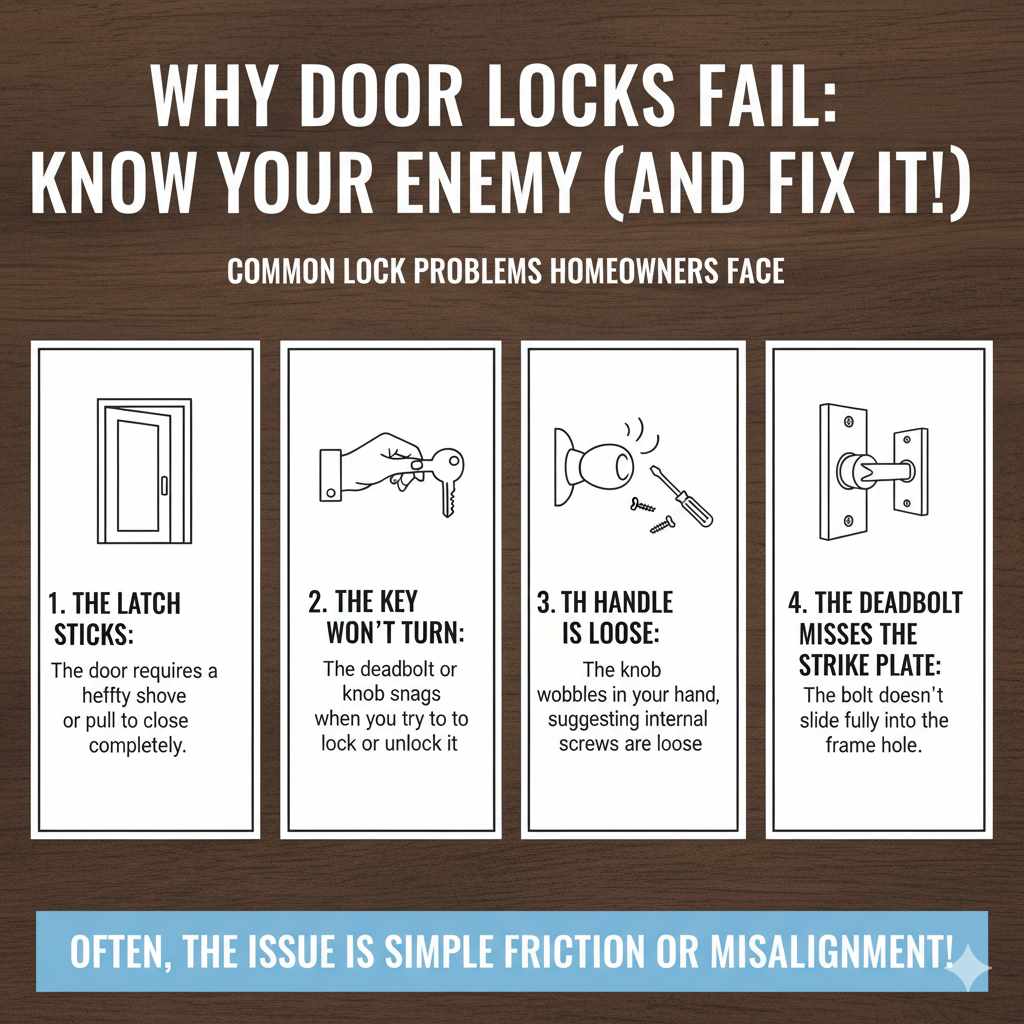
Why Door Locks Fail: Know Your Enemy (and Fix It!)
Locks are hardworking parts of our homes, constantly exposed to weather, daily wear, and frequent use. Understanding why they fail is the first step toward a fast fix. Often, the issue isn’t the lock mechanism itself, but something simple causing friction or misalignment.
Common Lock Problems Homeowners Face
As you look around your home, you might notice one of these familiar issues popping up:
- The Latch Sticks: The door requires a hefty shove or pull to close completely.
- The Key Won’t Turn: The deadbolt or knob snags when you try to lock or unlock it.
- The Handle is Loose: The knob wobbles in your hand, suggesting internal screws are loose.
- The Deadbolt Misses the Strike Plate: The bolt doesn’t slide fully into the frame hole.
Tools You Might Need for Simple Lock Repairs
Don’t worry; we aren’t breaking out power tools! Most of these fixes require just a few basic items you probably already have in a junk drawer or a small toolkit. Preparation makes any DIY project feel calmer and clearer.
Here is a shortlist of helpful items for tackling basic lock repairs:
| Tool | Purpose |
|---|---|
| Screwdriver Set (Phillips & Flathead) | Tightening screws on the handle or faceplates. |
| Lubricant (Graphite Powder or Silicone Spray) | Easing sticky lock mechanisms and keyways. |
| Pliers or Allen Wrench Set | Adjusting or tightening set screws on handles. |
| Utility Knife or Sandpaper | Smoothing minor snags on the door edge or strike plate. |
| Small Hammer | Gently tapping strike plates back into alignment. |
Tip for Longevity: Always use graphite powder for keyholes; liquid oil lubricants can attract dust and gum up your lock over time. You can find excellent resources on maintaining door hardware on sites like the National Association of Home Builders for preventative tips.
Step-by-Step Guide: How To Fix A Door Lock (Diagnosis and Repair)
Let’s start with the simplest issues first and work our way up. Remember, slow and steady wins the race in DIY repair!
Fix 1: The Sticking Latch or Knob (The “Wiggle and Slam” Fix)
This is the most common complaint! The latch bolt (the slanted piece that retracts when you turn the knob) doesn’t slide easily.
A. Cleaning and Lubricating the Latch
- Examine the Latch: Open the door and look closely at the bolt mechanism where it meets the door edge. Is there dirt, paint buildup, or grime coating it?
- Clean Excess Gunk: Use a dry cloth to wipe away any obvious dirt. If paint is covering the mechanism, you might need a utility knife edge (carefully!) to scrape it away.
- Apply Lubricant: For the latch edge itself, a light spray of silicone lubricant can work wonders. For the key slot, use graphite powder. Spray or puff a tiny amount directly into the mechanism or keyway.
- Test It Out: Turn the knob rapidly and manually push the latch in and out several times to work the lubricant deep inside.
B. Checking the Door Alignment
If cleaning doesn’t help, the latch might simply be hitting the metal plate on the door frame (the strike plate) instead of sliding into the hole.
- Check the Gap: Close the door slowly. Watch the gap between the latch and the strike plate hole. Is the latch hitting the top or bottom edge of the hole?
- Identify the Rub Point: If the door itself has sagged, the latch might be too high or too low.
- Adjust the Strike Plate (Slightly): Remove the screws holding the strike plate to the frame. If the latch is hitting below the hole, you can gently file down the bottom edge of the hole on the strike plate using a metal file. If you need a bigger adjustment, move the plate down slightly when you reattach it.
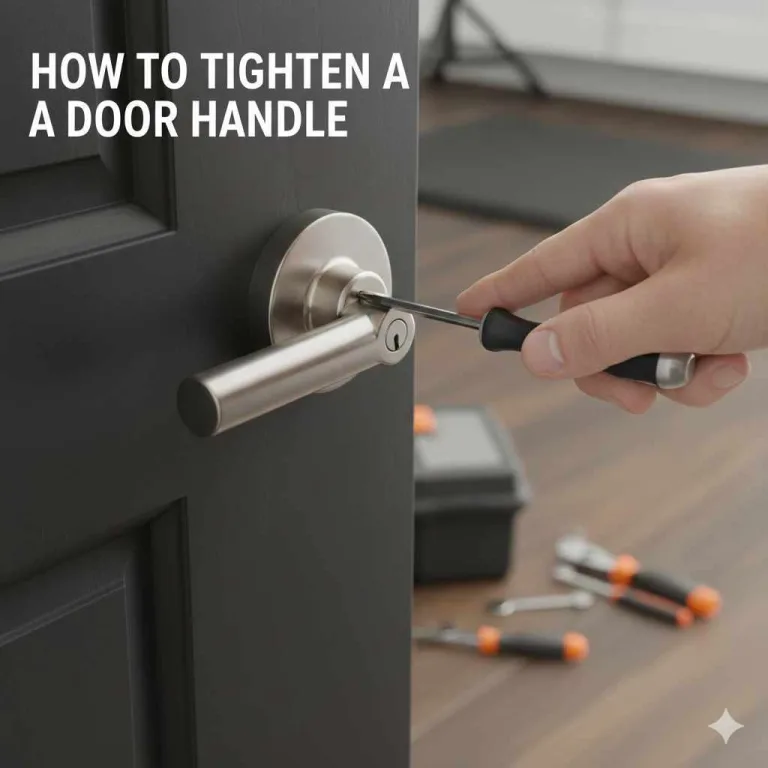
Fix 2: Tightening a Loose Handle or Knob
A loose handle is annoying, but it’s usually a quick fix. This usually happens because the internal screws have vibrated loose over time.
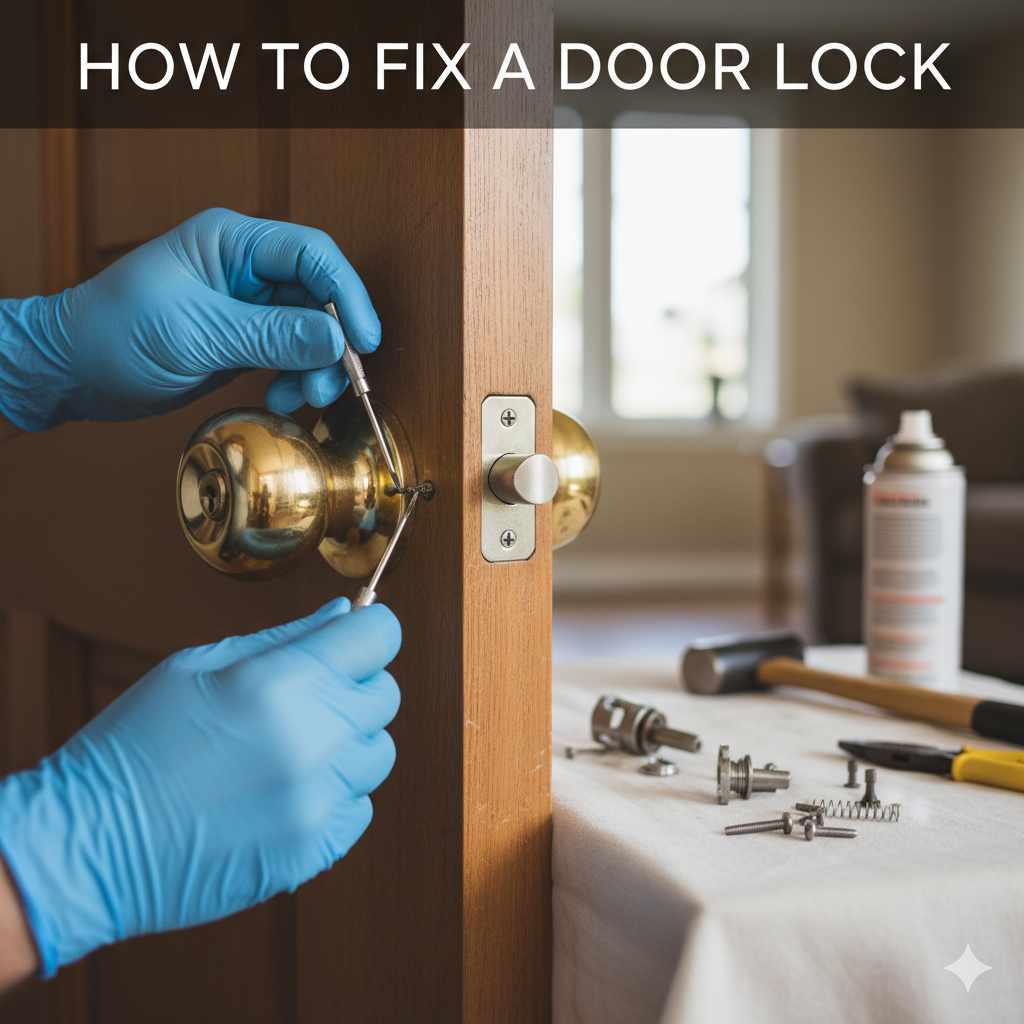
- Locate the Screws: Look on the inside handle plate. On modern knobs, you might see two small exposed screws. On older designs, the two screws might be hidden beneath a small decorative cap or ‘escutcheon’ plate.
- Remove the Cap (If Necessary): If you see a small slot or hole on the plate, gently pry the cap off using the tip of a flathead screwdriver or a butter knife. Be patient to avoid scratching the hardware finish!
- Tighten Firmly: Use your screwdriver to tighten these screws until the handle feels snug against the door. Do not overtighten, as this can compress the latch mechanism inside and cause it to stick.
- Check the Set Screw (If Applicable): If your handle slides onto a spindle but still spins, look for a tiny, almost invisible screw (often requiring an Allen wrench) on the underside or side of the handle base. Tighten this set screw firmly against the spindle.
Fix 3: Repairing or Adjusting the Deadbolt
The deadbolt offers extra security, but when it fails to throw (slide into the frame), it’s a major issue. Deadbolts usually fail for two reasons: misalignment or internal stiffness.
A. Checking the Throw and Frame Alignment
A deadbolt needs about one inch of clearance to throw properly. If the door has shifted even slightly, the bolt might hit the frame before it enters the hole.
- Test with the Door Open: Can the deadbolt slide smoothly one inch past the door edge when the door is open? If yes, the issue is alignment.
- Mark the Rub Spot: Close the door gently and stop just before the bolt fully enters the frame. Use a pencil to mark the area on the strike plate where the bolt is making contact.
- File or Mortise the Frame: If you marked metal on the strike plate, use a metal file to carefully widen the hole in the direction of the rub mark. If the door wood needs more space, find resources on mortising (recessing the hole deeper) available through general contractor guides to ensure you have enough depth.
- Re-Test: Test the lock repeatedly. If it’s still tight, apply graphite powder to the bolt itself and move it vigorously.
B. Addressing a Stiff or Grinding Deadbolt
If the key turns stiffly or grinds, the internal pins might need help.
- Lubricate the Keyway: Use a small amount of graphite powder puffed into the cylinder. Insert the key, turn it slightly back and forth, and remove it. Repeat this a few times.
- Check the Screws Again: Sometimes, the whole deadbolt housing itself (the cylinder plate) is loose on the door surface. Tighten the long screws that hold the interior and exterior parts together. Make sure they are snug—this pulls the mechanism tight against the door, ensuring the bolt stays aligned.
Fix 4: When the Lock is Fine, But the Door Won’t Latch
This is the frustration where the lock works perfectly, but the door won’t close fully so you can lock it. This often happens after new carpeting or settling in older homes.
The goal here is to move the strike plate so that it aligns with the latch when the door is closed.
- Identify Misalignment: Close the door. Shine a light between the door and the frame. Can you see where the latch is hitting the face of the strike plate?
- If the Latch is Too High: You need to move the strike plate down. Unscrew it, and using a pencil, mark the new position slightly lower. You may need to slightly lengthen the hole vertically using a small chisel or file. Reattach.
- If the Latch is Too Low: Move the strike plate up. You might have to wood-fill the old holes slightly if the screws don’t catch well when moved up, or simply adjust the screws into slightly different spots if the existing holes allow.
- The Shims Trick: If you only need a tiny adjustment (less than 1/16th of an inch), you can sometimes achieve this by inserting a piece of cardboard or thin plastic (a shim) behind the strike plate on the side that needs to move away from the door.
Advanced Troubleshooting: When to Consider Replacement Parts
If you’ve tried all the simple fixes and the problem persists, the internal components might be worn out. For most average homeowners, replacing just the exterior cylinder or the latch assembly is often much easier than replacing the entire lockset.
When to Replace the Latch vs the Whole Knob
Interior doors are usually easy—just swap the whole set. Exterior doors require more care to maintain security standards.
| Symptom | Likely Fix | Difficulty Level |
|---|---|---|
| Key turns but bolt doesn’t move (Exterior Knob) | Replace the cylinder plug. | Medium |
| Handle spins freely, latch stays extended/retracted | Replace the internal latch assembly (the gearbox inside the door edge). | Medium-High |
| Key won’t go in or sticks midway | Replace the cylinder (the part the key enters). | Easy |
| Total mechanism failure (everything is loose) | Replace the entire lockset for consistent security. | Medium |
How to Replace Just the Cylinder (The Key Part)
This is a great confidence builder!
- Remove Interior Hardware: Typically, you remove screws from the inside handle plate. Once removed, the exterior cylinder usually pulls straight out, or you might need to push a small retaining clip.
- Find the Tailpiece: Notice a thin metal strip (the tailpiece) extending from the cylinder that acts as the lever to move the bolt.
- Measure and Match: Take your old cylinder to the hardware store. Key measurements, especially the “backset” (distance from the door edge to the center of the hole), are crucial for getting a perfect fit.
- Install the New One: Insert the new cylinder, ensuring the tailpiece lines up perfectly with the slot in the bolt assembly. Reattach the interior handle.
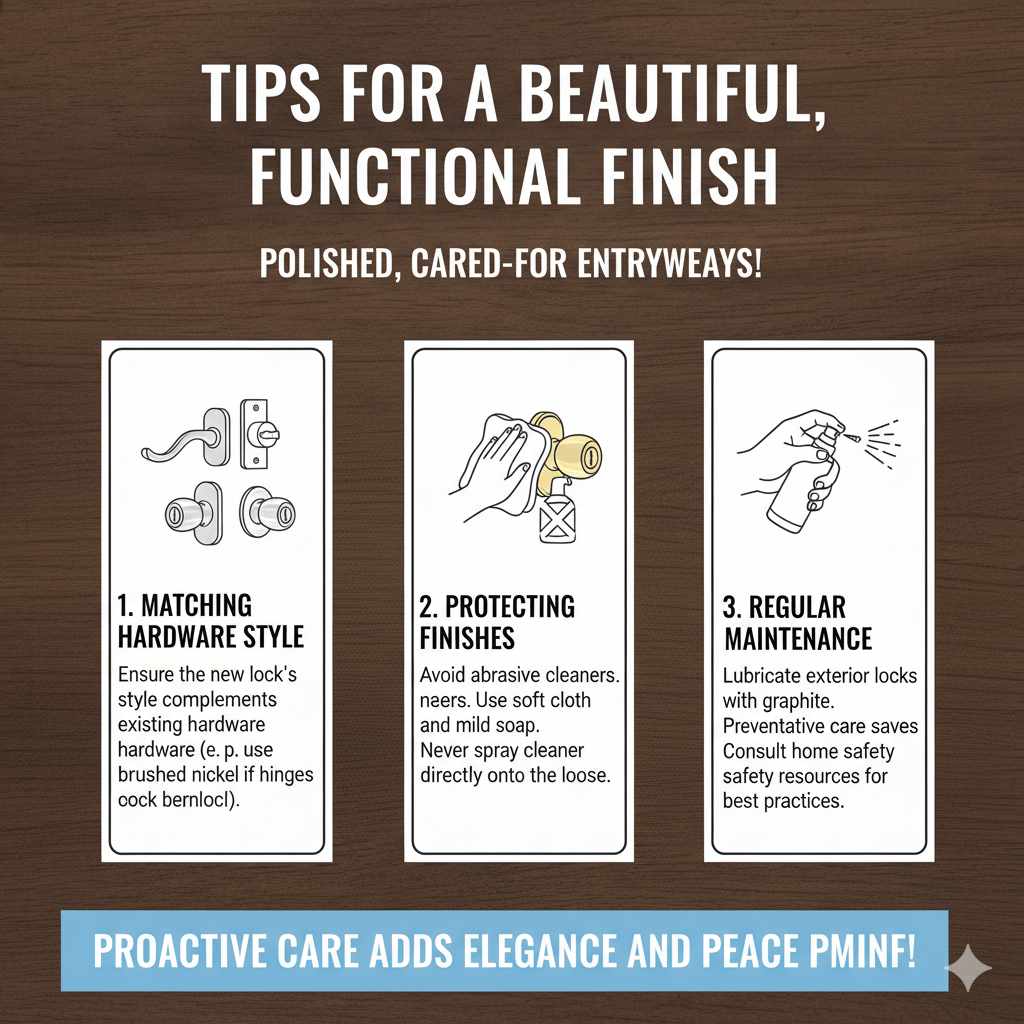
Tips for a Beautiful, Functional Finish
Once your lock is repaired or replaced, we can bring back that polished, cared-for look. A well-maintained lock adds subtle elegance to your entryways!
- Matching Hardware Style: When replacing an exterior lock, ensure the new style complements your existing door hardware (e.g., use brushed nickel if your hinges are brushed nickel).
- Protecting Finishes: When cleaning chrome or brass locks, avoid abrasive cleaners. Use a soft cloth and mild soap. Never spray cleaner directly onto the lock; spray the cloth first.
- Regular Maintenance: Make it a habit during spring cleaning to lubricate your exterior locks using graphite. A little preventative care saves a lot of hassle later! For more on home hardening and security best practices, you can consult resources from organizations dedicated to home safety.
Frequently Asked Questions (FAQ) About Door Lock Repair
- Q: Can I fix a lock if I don’t have the keys?
- A: If you cannot turn the key because it is jammed, try wiggling it gently while turning, and always use graphite powder first. If the key is lost entirely, you will almost certainly need to replace the cylinder or the entire lockset. Do not try to pick the lock unless you are trained.
- Q: What is the difference between a latch and a deadbolt?
- A: The latch is the triangular piece that springs out and retracts when you turn the doorknob or lever to open or close the door. The deadbolt is the solid rectangular bar that you manually throw (lock) using a key or thumb-turn for extra security when leaving or going to bed.
- Q: How do I stop my spring latch from making so much noise when the door closes?
- A: This means the latch is hitting the metal plate too hard. Fix this by slightly adjusting the strike plate downward (if it hits the top of the hole) or by applying a very thin piece of rubber, weatherstripping, or felt inside the strike plate hole to cushion the impact.
- Q: My key works fine in the outside keyhole, but the inside thumb-turn won’t lock the deadbolt.
- A: This strongly suggests the internal mechanism (the gearbox or tailpiece connection) between the thumb-turn post and the deadbolt is broken or disconnected. This usually requires replacing the inner portion or the entire deadbolt assembly.
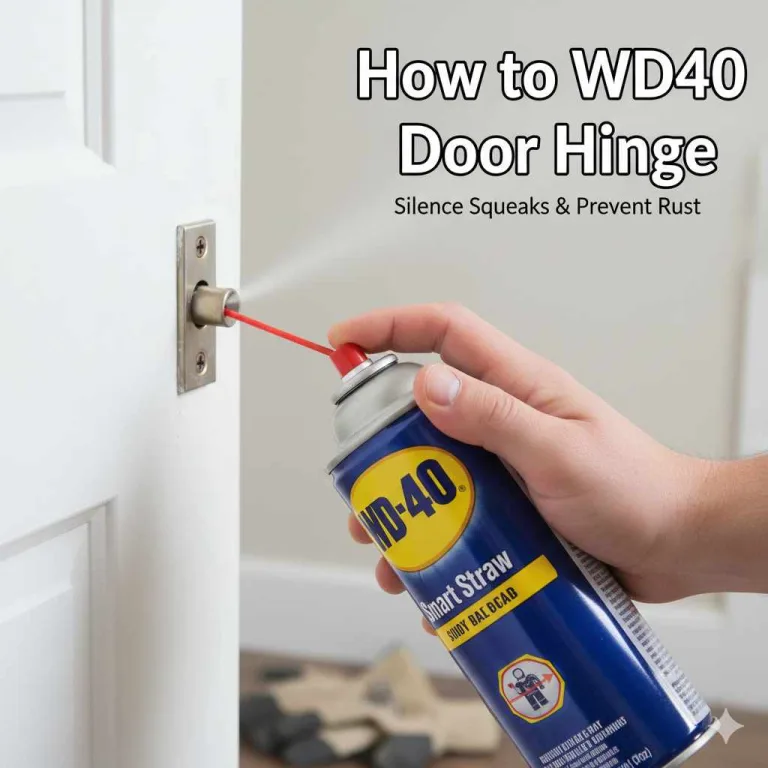
- Q: Should I oil my locks with WD-40?
- A: No, it is best to avoid using standard oil-based lubricants like WD-40 in keyways and latch mechanisms, especially on exterior locks. These liquids can attract dust and dirt, eventually gumming up the internal pins and making the problem worse over time. Stick to dry graphite powder or silicone spray.
- Q: My door is sagging, and now the lock won’t engage. What do I fix first?
- A: Prioritize fixing the door alignment by checking and tightening the hinges first. A sagging door is a structural issue. Once the door hangs straight, you can adjust the strike plate to align perfectly with the latch and deadbolt.
Conclusion: Enjoying Your Secure and Smoothly Operating Door
See? You navigated the sometimes tricky waters of door hardware repair like a seasoned DIY expert! Dealing with a sticky or loose lock can feel like a huge hassle, but as we’ve covered, most issues stem from simple misalignment, minor friction, or loose screws. By using a little lubrication, checking your alignment, and remembering which tool to reach for, you’ve saved yourself a service call and gained a fantastic sense of accomplishment.
With the latch gliding smoothly and the deadbolt throwing true, your home feels instantly more welcoming and secure. You’ve added true value to your living space through simple maintenance. Keep that toolkit handy, admire the quiet efficiency of your newly fixed lock, and remember—tackling these small household repairs is one of the best ways to make your house truly feel like your comfortable, well-cared-for home.
Related pick: Check today's price on Amazon
Products related to this article
Sponsored / affiliate links. As an Amazon Associate I earn from qualifying purchases. I may earn additional commission from eligible campaigns.