How to Make Door Hinges Not Squeak (No Pin Removal Needed)
Stop a squeaky door hinge by spraying silicone lubricant or WD-40 into the top crack where the hinge leaves meet — no pin removal needed. WD-40 works but attracts dust over time, so it needs reapplying more often than silicone or oil. This guide covers the no-pin-removal method, the more thorough pin-removal fix, and a lubricant comparison.
If the squeak is coming from a cabinet instead of a door, see how to measure cabinet overlay for hinges. And if lubrication alone doesn’t fix it, our guide on how to get pins out of door hinges covers the more thorough fix — or if the handle itself is the problem, see how to fix a door handle.
Why Do Door Hinges Squeak Anyway?
Before we dive into the fixes, let’s quickly understand why those hinges start singing their squeaky tune. At its core, a squeaky door hinge is usually a sign of friction. Your door hinge is made up of two main parts: the hinge knuckles and the hinge pin that runs through them. As the door opens and closes, these metal parts rub against each other. Over time, the lubricant that was originally applied at the factory can dry out, wear away, or become contaminated with dust and debris. This lack of lubrication means the metal-on-metal contact creates that unpleasant squeaking sound.
Think of it like a squeaky bicycle chain or a creaky car suspension – when parts that are supposed to move smoothly against each other lack lubrication, they start to protest. Factors like humidity, temperature changes, and even just everyday use can contribute to the drying out of the hinge’s internal surfaces. This is why even a well-made hinge can eventually start to squeak. The good news is, once you know the cause, fixing it is usually straightforward!

Gather Your Supplies: What You’ll Need
The best part about silencing squeaky hinges is that you probably already have most of what you need, or they are very inexpensive to acquire. Having the right tools makes the job so much easier and more effective. Here’s a quick rundown of what you might need:
Essential Lubricants
The key to a silent hinge is good lubrication. Here are some of the most effective options:
- WD-40: This is a popular, readily available choice. While primarily a water displacer and rust penetrant, it also works well as a lubricant for hinges. It’s easy to spray and can get into tight spots.
- Silicone Lubricant Spray: This is a fantastic option as it doesn’t attract dust and dirt as much as oil-based lubricants. It’s also long-lasting and great for a variety of materials.
- 3-in-One Oil (Multi-Purpose Lubricant): A classic for a reason! This oil is excellent for metal-on-metal friction and provides long-lasting lubrication.
- Petroleum Jelly (Vaseline): A surprisingly effective and budget-friendly option. It sticks well to the metal and provides good lubrication.
- Olive Oil or Vegetable Oil: In a pinch, cooking oils can work as a temporary fix. However, they can attract dust and may go rancid over time, so they aren’t a long-term solution.
- Graphite Lubricant (Powder or Pencil): Powdered graphite is excellent for applications where you want to avoid greasy residue. You can sometimes get this by rubbing a pencil lead (which is graphite) on the hinge.
Tools You Might Use
Depending on the method you choose, you might need:
- A small hammer
- A nail, screw, or thin screwdriver (to tap out the hinge pin)
- A rag or paper towels (for wiping away excess lubricant and debris)
- Gloves (optional, to keep your hands clean)
- Safety glasses (recommended when tapping or spraying)
Best Hinge Lubricant Pick
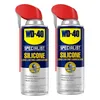
WD-40 Specialist Silicone Lubricant, Twin-Pack – $22.95
Silicone lubricant with the smart-straw attachment this guide’s no-pin-removal method calls for – aim it straight into the top crack of the hinge.
- Best for: The quick, no-pin-removal fix this guide covers first
- Why we picked it: Silicone doesn’t attract dust like WD-40 alone, matching this guide’s lubricant comparison table
- Main drawback: Pricier than a basic oil for a single squeaky hinge
Compare more hinge lubricants
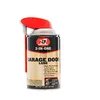 Option 1 3-IN-ONE Garage Door Lubricant – $7.18
|
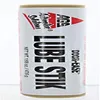 Option 2 AGS Door-Ease Lubricant Stick – $6.97
|
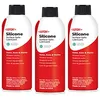 Option 3 Dupont Silicone Lubricant Value Pack – $21.85
|
As an Amazon Associate we earn from qualifying purchases.
The Easiest Fix: Lubricate Without Removing the Pin
This is by far the quickest and simplest method, and it often solves the problem completely! It’s perfect for when you want a fast fix without much fuss. You’ll be targeting the hinge pin and the space where the hinge knuckles meet.
Step-by-Step Guide (No Pin Removal)
- Assess the Squeak: First, listen carefully to identify which hinge is making the noise. Often, it’s just one, but sometimes it can be multiple.
- Prepare the Area: Place a rag or a few paper towels below the hinge to catch any drips. This will protect your flooring or carpet.
- Apply Lubricant:
- For Spray Lubricants (WD-40, Silicone): Position the straw attachment on the spray can so it points directly into the top crack of the hinge, where the two hinge leaves meet. Give a short burst of spray. Then, slightly open and close the door a few times to work the lubricant into the hinge. Apply more if needed.
- For Liquid Lubricants (3-in-One Oil, Cooking Oil): Use the applicator tip or a dropper to place a few drops of oil into the top crack of the hinge and onto the exposed parts of the pin.
- For Petroleum Jelly: Squeeze a small amount directly into the top crack of the hinge.
- For Graphite Powder: Puff a small amount into the top crack of the hinge.
- Work It In: Gently swing the door back and forth several times. This movement will help the lubricant seep down the hinge pin and spread within the hinge mechanism. You should start to hear the squeak diminish.
- Wipe Away Excess: Use your rag or paper towels to wipe away any excess lubricant that has dripped onto the hinge or door. This prevents it from attracting dust or staining surfaces.
- Test and Repeat: Open and close the door a few more times. If the squeak is gone, congratulations! If it’s still a faint squeak, repeat the lubrication process. Sometimes, it needs a little extra persuasion.
This method is great because it’s so non-invasive. You don’t need to take any parts off, and it can often be done in under five minutes! It’s the go-to for a quick, effective solution.
The More Thorough Fix: Lubricating with Hinge Pin Removal
If the simple lubrication didn’t quite do the trick, or if the squeak is particularly stubborn, removing the hinge pin allows for a deeper clean and more thorough lubrication. This method is still beginner-friendly, it just requires a few extra steps.
Step-by-Step Guide (Pin Removal)
- Prepare Your Workspace: Close the door almost completely, leaving just a small gap. Place a sturdy block or a wedge (like a folded piece of cardboard) under the edge of the door to support its weight. This is important so the door doesn’t sag or fall when you remove the pin. Put down your rags to catch drips.
- Loosen the Hinge Pin:
- Insert the tip of a nail or a thin screwdriver into the small hole at the bottom of the hinge pin.
- With your hammer, gently tap upwards on the nail/screwdriver to try and loosen the pin. You might need to tap a few times. The goal is just to get it moving slightly, not all the way out yet if you’ve never done this before.
- Remove the Hinge Pin: Once the pin starts to lift, you can usually pull it the rest of the way out with your fingers or pliers. If it’s still stuck, tap gently from the top of the hinge knuckles downwards onto the pin. Work your way down, and it should eventually slide out.
- Clean the Hinge Pin: Take the removed hinge pin and wipe it clean with a rag. Remove any rust, debris, or old lubricant. A wire brush can be helpful for stubborn rust.
- Clean the Hinge Knuckles: While the pin is out, use your lubricant (or a clean rag with a bit of solvent if there’s a lot of gunk) to clean out any dirt or old gunk from inside the hinge knuckles on the door and frame.
- Lubricate Everything:
- Generously coat the cleaned hinge pin with your chosen lubricant. Use a good amount – this is where the long-lasting silent action comes from! Petroleum jelly or a thicker grease works very well here.
- You can also put a little lubricant into the hinge knuckles on both the door and frame.
- Reinsert the Hinge Pin: Carefully align the hinge knuckles and slide the lubricated pin back into place from the top. You may need to gently tap it down with your hammer to get it fully seated.
- Work the Door: Open and close the door several times, swinging it fully. This will evenly distribute the lubricant and ensure a smooth, silent operation.
- Final Wipe Down: Wipe away any excess lubricant from around the hinge.
This method, while taking a bit more time, often provides a more robust and longer-lasting solution. If a hinge is severely neglected or has slight rust, this is the way to go.
Choosing the Right Lubricant: A Quick Comparison
Not all lubricants are created equal, and the best choice for you might depend on your preferences and the environment. Here’s a look at popular options:
| Lubricant Type | Pros | Cons | Best For |
|---|---|---|---|
| WD-40 | Widely available, easy to use spray, penetrates tight spaces. | Can attract dust and dirt over time, may require more frequent application. | Quick fixes, general maintenance, areas not prone to heavy dust. |
| Silicone Lubricant Spray | Doesn’t attract dust or dirt, long-lasting, waterproof, safe on most materials. | Can be a bit more expensive than WD-40, requires specific spray attachment for precision. | Areas that might get dusty, humid environments, a good all-around choice. |
| 3-in-One Oil | Excellent metal lubrication, long-lasting, comes with an applicator for precision. | Can drip if over-applied, may attract some dust. | Stubborn squeaks, long-term lubrication needs. |
| Petroleum Jelly (Vaseline) | Very inexpensive, stays in place well, provides excellent friction reduction. | Can be messy to apply, may attract dust in large amounts, not ideal for visible areas. | Thicker lubrication, when pin removal can be done, budget-friendly solution. |
| Graphite Lubricant | Dry application, doesn’t attract dust or grime, good for clean environments. | Can be messy to apply if powdered, requires careful application. | High-traffic areas where dust is a concern, when a non-greasy finish is desired. |
Beyond Basic Lubrication: Other Potential Fixes
While lubrication is the most common solution, sometimes the squeak has another cause, or the hinge itself might be the issue. If lubricating doesn’t work, consider these possibilities:
1. Bent or Damaged Hinge Pin
If your hinge pin is bent, it won’t sit correctly in the knuckles and can cause friction and noise. You might notice the door doesn’t swing smoothly in this case. If you can straighten a slightly bent pin with a hammer and a hard surface, try that. If it’s severely bent, it’s best to replace the pin. You can often buy replacement hinge pins at a local hardware store that match the size of your existing ones. For more information on hinge types and replacements, resources like Family Handyman offer excellent practical guides.
2. Loose Hinge Screws
Sometimes, a door hinge might squeak not because of friction within the knuckles, but because the hinge itself is loose against the door or the frame. If a hinge is rattling or doesn’t feel secure, check the screws. If they seem loose, tighten them. If the screw holes are stripped (meaning the screws won’t tighten down), you can try a few tricks:
- Wood Filler: Pack the stripped hole with wood filler, let it dry completely, then re-drill a pilot hole and screw the hinge back in.
- Wooden Dowels or Toothpicks: Insert a few wooden toothpicks or a small piece of wooden dowel into the stripped hole with wood glue. Once the glue dries, break off the excess and re-drill a pilot hole to screw into. This provides a new surface for the screw to grip.
A solid, properly attached hinge is crucial for a quiet operation.
3. Worn-Out Hinges
In rare cases, especially with very old doors or those in high-moisture environments, the hinge itself might be worn down. The metal can erode over decades, creating more friction points than lubrication can fix. If you’ve tried all the lubrication and tightening methods, and the squeak persists or the hinge looks visibly damaged or distorted, it might be time to replace the entire hinge. This is a slightly more involved DIY task, but still very manageable for beginners. You’ll need to carefully remove the old hinge, ensuring the door is supported, and install a new one of the exact same size and style.
Preventing Future Squeaks
Once you’ve silenced your doors, you’ll want to keep them quiet! A little preventative maintenance goes a long way to avoid that dreaded squeak returning.
- Regular Lubrication: Aim to lubricate your door hinges once or twice a year, perhaps when you change your clocks for daylight saving time. This is especially important for doors that are used frequently, or doors in humid areas like bathrooms or kitchens.
- Cleanliness: Keep the area around your doors clean. Dust and grime can accumulate on hinges and contribute to wear and tear. A quick wipe-down every now and then can help.
- Address Minor Issues Promptly: If you notice a hinge starting to stiffen or a very faint squeak, address it immediately. It’s much easier to deal with a minor issue than a full-blown squeak that’s become ingrained.

Frequently Asked Questions About Squeaky Door Hinges
Q1: How often should I lubricate my door hinges?
For most homes, lubricating your door hinges once or twice a year should be sufficient. If you live in a very humid climate or have a door that is used very frequently, you might consider doing it quarterly.
Q2: Can I use cooking oil to lubricate my door hinges?
Yes, cooking oil like olive or vegetable oil can work as a temporary fix. However, it’s not a long-term solution because it can attract dust and may go rancid over time, potentially causing more problems. It’s best to use dedicated lubricants designed for metal.
Q3: Do I need to remove the hinge pin every time I lubricate?
No! The simplest method is to spray or drip lubricant directly into the top of the hinge. Removing the pin is only necessary if the simple method doesn’t work, or if the hinge is very old, dirty, or has rust.
Q4: What if the squeak is coming from the door frame, not the hinge?
If the squeak isn’t related to the hinges, it might be the door rubbing against the frame or the threshold. Inspect the door edges for signs of rubbing and check if the door is sagging. Sagging is often caused by loose hinges or a failing frame, which would require tightening screws or potentially shimming the hinges.
Q5: My hinges are rusty. Can I still fix them?
Yes! If the rust is minor, cleaning it off with steel wool or a wire brush and then thoroughly lubricating the hinge pin and knuckles can solve the problem. For severe rust, replacing the hinge pin or the entire hinge might be necessary.
Q6: Is spraying lubricant into hinges bad for wooden doors or frames?
Most common lubricants like silicone spray, 3-in-One oil, or even WD-40 are generally safe for wood finishes when used in moderation and wiped away promptly. Petroleum jelly is also typically safe. Always test in an inconspicuous area if you’re concerned about the finish.
Conclusion: Enjoy Your Quiet Home!
There you have it! Silencing those bothersome squeaky door hinges is a super achievable DIY project that can make a big difference in the comfort and peace of your home. Whether you opt for the quick spray-and-go method or decide to tackle removing the hinge pin for a deeper clean.
Products related to this article
Sponsored / affiliate links. As an Amazon Associate I earn from qualifying purchases. I may earn additional commission from eligible campaigns.