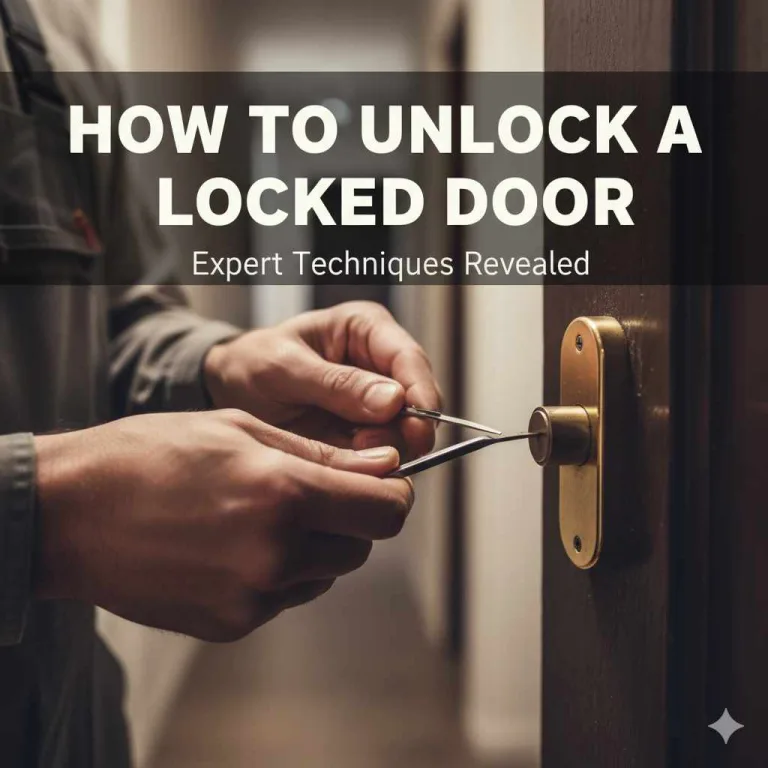
How to Get Into a Locked Door: A 30-Second Triage Guide
You’re standing in the hallway with an armful of laundry, and the bedroom door clicks shut. You didn’t mean to lock it. The knob has one of those little push buttons, and the door is solid wood. Your phone is on the nightstand. This is the exact moment most people start jiggling the handle and hoping for a miracle.
That hope usually wastes two minutes before you start looking for a screwdriver. The real problem isn’t the lock. It’s that you don’t have a plan. This article gives you one. You’ll learn a rapid triage system that tells you exactly which method to use based on the lock type and how urgent the situation is. You’ll also know when to stop messing around and call a professional before you cause real damage.

Vvenzi
Multi-Purpose Keyed Alike Locker Lock Set 6…
- High Quality Material: The high-quality lock body is made of brass, the lock is made of metal hardened material, the surface is sm…
As an Amazon Associate I earn from qualifying purchases.
Most interior doors use simple privacy locks, not high-security deadbolts. That means you can get through them with everyday items in under a minute. The trick is knowing which tool fits which mechanism, and when a DIY fix will cost you more than a locksmith would.
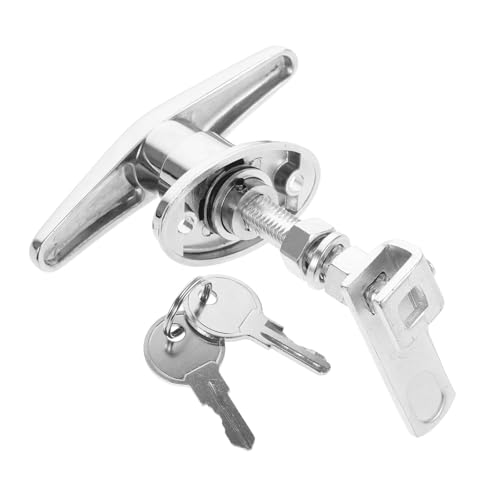
If you manage multiple lockers, storage units, or gates, a set of reliable padlocks prevents this whole mess. The Vvenzi Multi-Purpose Keyed Alike Locker Lock Set gives you six heavy-duty brass padlocks that all open with the same key. You carry one key instead of six, which eliminates the frustration of fumbling through a keyring at the gym or on a job site.
Assess the Situation: Lock Type and Urgency
Before you touch anything, look at the door for five seconds. You need to identify two things: the lock mechanism and how fast you need to get through.
Interior doors usually have one of three mechanisms:
- Privacy lock: A push button or twist knob on the inside, with a small hole or slot on the outside. These are for bedrooms and bathrooms, not security.
- Spring latch: The standard doorknob with a keyhole or thumb-turn. The latch is beveled, which makes it vulnerable to the credit card trick.
- Deadbolt: A separate lock above the handle with a square bolt. Common on exterior doors and rarely on interior rooms.
Urgency matters more than you’d think. If a toddler is locked in a bathroom and crying, you don’t pick the lock. You break the knob off or call 911. If you’re locked out of your own home office with a deadline looming, you have time for a careful approach.
Here’s your 30-second triage:
- Is there a visible emergency release hole? Use a paperclip or the included release tool. Done.
- Is it a spring latch with a gap? Try the credit card trick.
- Is it a privacy knob with no hole? Remove the knob or pick the lock.
- Is it a deadbolt? Skip DIY and call a locksmith unless you own a drill and don’t mind replacing the hardware.
This system prevents wasted effort. You won’t spend ten minutes with a bobby pin on a lock that has a two-second release hole.
Quick Wins: Tools You Already Have at Home
You don’t need a lockpick set for most interior doors. The stuff in your junk drawer works fine. Grab a few of these before you start:
- A stiff plastic card (old gift card, hotel key card, or license) for the latch trick.
- A paperclip or bobby pin for the emergency release hole.
- A flathead screwdriver and a Phillips screwdriver for knob removal.
- A butter knife with a thin, flexible blade.
- Needle-nose pliers if the knob screws are stripped.
One honest caveat: these tools work on cheap interior locks. They won’t touch a decent deadbolt or a high-security exterior lock. Don’t waste your time on those.
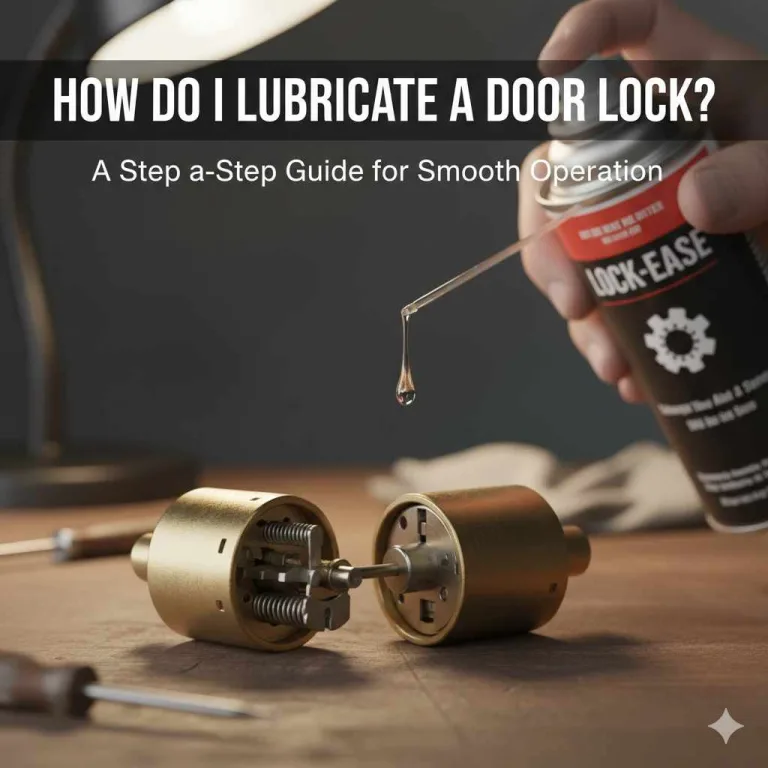
If the door has a keyhole that’s stuck, a shot of lubricate a door lock can save you a lot of grief, but that’s a maintenance fix, not an entry method.
Method 1: The Credit Card Trick (For Spring Latches)
This trick works on beveled spring latches, which is what most interior doorknobs use. The goal is to wedge the card between the door and the frame, then push the latch back into the knob.
Here’s the step-by-step:
- Hold the card with the long edge facing the door frame, about level with the latch.
- Slide it into the gap between the door and the jamb. Angle it slightly toward the latch.
- Push the card in and bend it backward toward the door. This hooks the latch’s beveled edge.
- Push down and toward the frame simultaneously. The latch should slide back into the door.
- Turn the knob while holding the card in place.
It takes a few tries. The card needs to be flexible enough to bend but stiff enough to transfer force. A hotel key card works far better than a thick credit card. If the door has a tight weather seal or a metal strike plate that sits flush, this method fails. Don’t force it. You’ll just snap the card.
This method also works on some exterior doors with spring latches, but it won’t defeat a deadbolt. If the deadbolt is engaged, the card is useless. Move on to another method.
Method 2: The Emergency Release Hole (For Privacy Knobs)
Most bathroom and bedroom privacy knobs have a small hole in the center of the outside knob. That hole is an emergency release. It’s designed to let parents get into a room where a child has locked themselves in.
Insert a paperclip, bobby pin, or the special tool that came with the knob. Push straight in. You’ll feel a spring mechanism depress. While holding it in, turn the knob. The door opens.
Some knobs use a slot instead of a hole. For those, use a flathead screwdriver or a butter knife. Insert the blade into the slot and turn it like a key.
This is the fastest method for a locked bathroom door. It takes about four seconds and causes zero damage. If the knob doesn’t have a release hole, check for a small pin on the inside edge of the knob that you can push with a narrow tool.
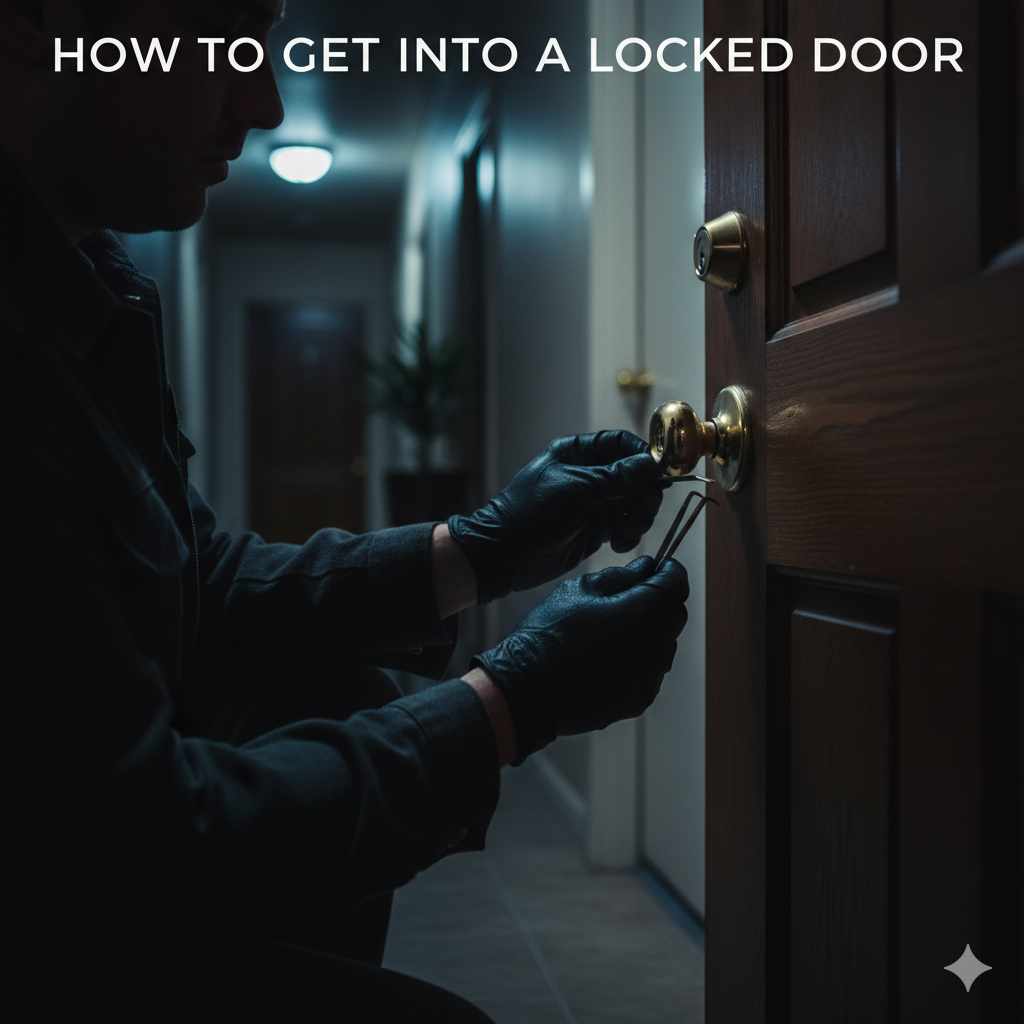
Method 3: Picking the Lock with a Paperclip or Bobby Pin
This method is for keyed knobs and locks where the credit card trick fails. You’re essentially doing a crude version of what a locksmith does, but with junk-drawer tools.
You need two tools: a tension wrench and a pick. A small flathead screwdriver works as a tension wrench. A paperclip with the end bent into a small hook works as a pick.
Here’s the process:
- Insert the tension wrench into the bottom of the keyhole. Apply gentle turning pressure in the direction the key would turn.
- Insert the paperclip hook into the top of the keyhole. Push it to the back of the lock.
- Rake the pick across the pins while maintaining tension. You’re trying to push all the pins to the shear line.
- When all pins align, the plug turns and the lock opens.
This takes practice. On a cheap interior lock, you might get it in thirty seconds. On a worn lock, it might take five minutes. On a quality deadbolt, it won’t work at all.
Be honest with yourself about your skill level. If you’ve never picked a lock before, this will likely frustrate you. A better approach for a keyed interior knob is to remove the knob entirely, which is the next method.
Method 4: Removing the Doorknob or Hinges
When the lock mechanism is stubborn, go around it. Interior doorknobs are held on by two screws on the inside plate, or a small slot on the shank that you push to release the knob.
For screw-on knobs:
- Look for two small screws on the interior knob’s base plate.
- Remove them with a Phillips screwdriver.
- Pull the knob off. You’ll see the spindle and the latch mechanism.
- Push the latch bolt back with a screwdriver to open the door.
For snap-on knobs, look for a small hole or slot on the neck of the knob. Push a paperclip or small screwdriver into it while pulling the knob off. Then use a screwdriver to retract the latch.
If the door is locked and you can’t get to the screws because they’re on the inside, you can remove the hinges instead. This only works if the door swings toward you and the hinge pins are accessible.
Tap the bottom of the hinge pin with a screwdriver and hammer to pop it upward. Remove all the pins, then pull the door toward you. This is a last resort because it’s heavy and awkward, but it doesn’t damage the lock.
For a pins out door hinges job, you’ll need a hammer and a nail or punch. It’s messy but effective on hollow-core doors.
Special Cases: Child Lockouts and Stuck Latches
When a child locks themselves in a room, your priority is speed, not preservation. The emergency release hole method is fastest. If the knob lacks one, you need to break the door open.
Here’s the step-by-step for a child lockout:
- Try the emergency release hole first. It works on most privacy knobs.
- If that fails, check if the door has a push-button lock that you can turn with a coin from the outside.
- If the child is very young and in immediate danger, put your shoulder into the door near the latch. Hollow-core doors break easily.
- If the door is solid wood, use a screwdriver to pry the latch away from the strike plate.
After you get in, you’ll need to secure the door. A broken latch or a damaged strike plate is a security hole. You can replace the entire knob with a new unit for under $20, or you can install a hasp and a padlock on the outside. That’s where a heavy-duty get into locked door solution like the Vvenzi padlock set comes in handy for securing storage rooms or utility closets after a break-in.
Stuck latches are a different problem. Paint or rust can freeze the latch in place, making it impossible to turn the knob. Spray the latch with penetrating oil, wait five minutes, then tap the latch area with a hammer. If the door still won’t open, you may need to remove the knob and manually push the latch.
When to Stop and Call a Locksmith
DIY entry methods have a cost. A snapped credit card is annoying. A scratched door frame is cosmetic damage. But a drilled-out lock, a broken door frame, or a shattered door is a real expense.
Call a locksmith when:
- The lock is a high-security deadbolt or a smart lock with electronic components.
- The door is solid wood or metal, and you can’t break it easily.
- You’ve been trying for more than 15 minutes and you’re getting frustrated.
- The lock is integrated into the door handle, and you can’t remove it without damaging the door.
- It’s an exterior door at night, and you’re concerned about security.
A locksmith will cost between $50 and $150 for a standard lockout. Replacing a damaged door costs several hundred dollars. Do the math before you start prying with a crowbar.
One more thing: if you live in an apartment, call your landlord or property manager first. They often have a master key and can let you in for free.
Preventing Future Lockouts: Simple Maintenance
Most lockouts happen because a knob is worn, a latch is misaligned, or a child accidentally presses the lock button. You can reduce the odds with a few minutes of maintenance.
Lubricate your locks twice a year. A dry graphite powder or a silicone spray works best. Avoid oil-based lubricants; they attract dust and gum up the mechanism over time.
Check the strike plate alignment. If the door doesn’t close smoothly, the latch is hitting the plate instead of sliding into it. Loosen the screws, move the plate a millimeter or two, and tighten it back down.
Replace worn knobs. If a knob is wobbly or the lock button sticks, replace it before it fails completely. A new interior knob costs about $15 and takes ten minutes to install.
If you manage multiple lockers, cabinets, or gates, consider a keyed alike system. The Vvenzi lock set uses one key for all six locks, which eliminates the need to carry a bulky ring of keys and reduces the chance of losing the right one.
Safety and Legal Considerations for DIY Entry
This article covers getting into your own doors. Using these methods on someone else’s property is illegal. Breaking into a car, a neighbor’s apartment, or a rental unit you don’t own is a crime, even if you have good intentions.
If you’re a landlord or property manager, you need written consent from the tenant before entering a locked unit, except in emergencies. Check your local laws.
For your own home, the main risk is physical injury. A door that breaks inward can send splinters flying. A falling door from hinge removal can land on your foot. Wear gloves and eye protection if you’re using force.
After you get in, assess the damage. A scratched frame is cosmetic. A broken latch needs replacement. A cracked door needs a new one. Fix the damage promptly so the door still provides privacy and security.
Frequently Asked Questions
Can I use a credit card on a deadbolt?
No. A deadbolt has a square bolt that slides into a metal strike plate with no bevel. The credit card trick relies on the beveled edge of a spring latch. If you try to wedge a card against a deadbolt, you’ll just snap the card or scratch the frame. You need a different approach for deadbolts, which usually means picking, drilling, or calling a locksmith.
How do I open a door locked from the outside without a key?
Check the lock type first. If it’s a privacy knob with a small hole, use a paperclip to push the release mechanism. If it’s a keyed knob, try the credit card trick on the latch. If neither works, remove the knob with a screwdriver. For a deadbolt, your options are picking, drilling, or a locksmith. Don’t try to force a deadbolt with a screwdriver; you’ll damage the door.
What is the fastest method for a bathroom door?
The emergency release hole is by far the fastest. Insert a paperclip or bobby pin into the hole, push the spring release, and turn the knob. It takes about four seconds. If the knob doesn’t have a release hole, the next fastest is the credit card trick, provided the door has a spring latch. If both fail, remove the knob with a screwdriver.
Will a locksmith charge more if I damage the lock trying to open it?
Usually, yes. A standard lockout service costs a flat fee. If the locksmith has to replace a drilled-out lock or repair a damaged strike plate, the parts and labor add to the bill. It’s often cheaper to call the locksmith before you start prying and hammering.
How do I open a sliding or pocket door that’s jammed?
Sliding doors have a latch on the edge that hooks into the frame. If it’s jammed, push the door toward the frame while turning the handle. For pocket doors, the latch is on the side of the door. Use a thin screwdriver to push the latch back into the door while sliding it open. If the door is off its track, you’ll need to remove the trim panel to access the rollers.
What to Do After You’re In
Getting through the door is step one. Step two is making sure it doesn’t happen again. Here’s a quick checklist for the next five minutes:
- Test the lock mechanism. If it’s sticky or broken, replace it.
- Lubricate the latch and keyhole with graphite powder.
- Check the strike plate alignment and adjust the screws.
- Hide a spare key in a secure location outside, or give one to a trusted neighbor.
- For children, install a childproof cover on the inside lock button.
- If you damaged the door, repair the frame and latch before you rely on it for security.
- Consider a keyed alike lock set for multiple lockers or gates so you carry fewer keys.
The best outcome of a lockout is that you learn something about your hardware. Most interior locks are cheap and easy to bypass. That’s fine for privacy, but it’s not real security. If you need actual protection, upgrade to a proper deadbolt or a smart lock, and keep the maintenance up. You’ll spend less time standing in hallways and more time moving on with your day.
Products related to this article
Sponsored / affiliate links. As an Amazon Associate I earn from qualifying purchases. I may earn additional commission from eligible campaigns.