How to Fix a Bifold Door That Won’t Stay Closed
Fix a bifold door that won’t stay closed by checking alignment first, then reseating the bottom pivot pin, adjusting the floor bracket, and checking the top pivot bracket and related hardware in that order. If you skip diagnosis, you can keep re-latching a door that will pop open again and may damage the pivot sockets, bracket, or jamb.
What you’ll need
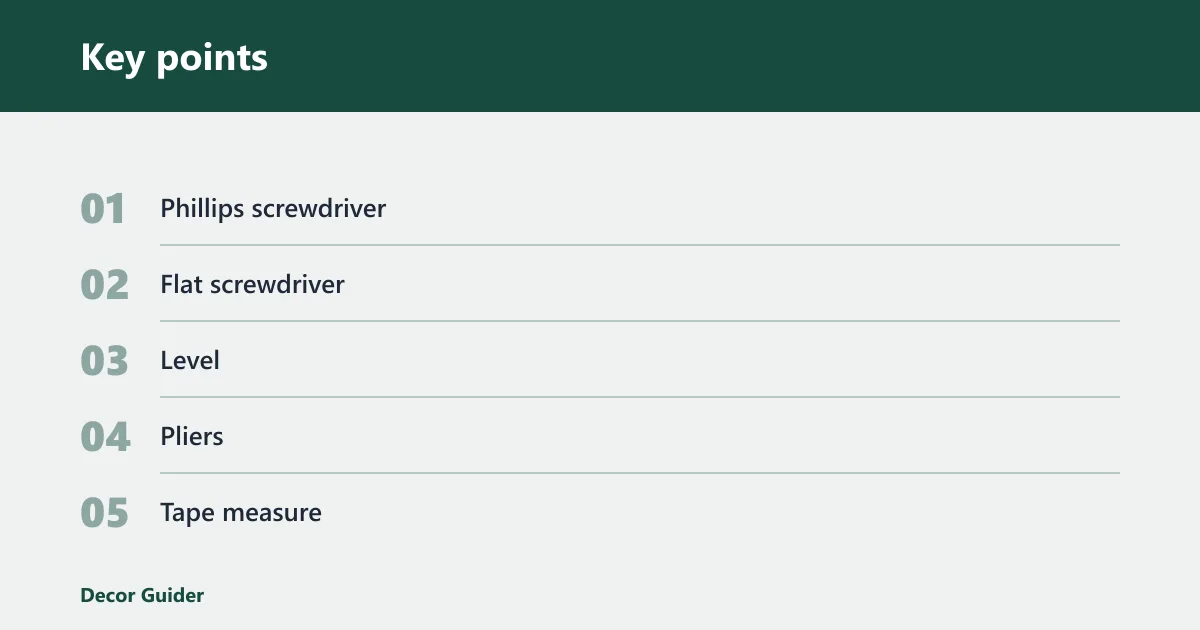


- Phillips screwdriver
- Flat screwdriver
- Level
- Pliers
- Tape measure
- Flashlight
- Replacement bottom pivot pin
- Replacement floor bracket
- Replacement top pivot bracket
- Replacement plastic floor guide
- Optional replacement rollers if the door is actually a sliding or bypass closet door
Bifold door troubleshooting matrix
| Symptom | Likely cause | Fastest test | Required part | Fix time |
|---|---|---|---|---|
| Door pops open | Bottom pivot pin is loose, floor bracket is out of line, or top pivot bracket is worn | Close the door slowly and watch whether the pin stays seated as the panel folds | Pivot pin or floor bracket | 30 to 60 minutes |
| Bottom pin slips out | Worn socket or mis-set floor bracket | Lift the panel and check whether the pin drops free of the bracket | Pivot pin, floor bracket | 30 minutes |
| Door hangs crooked | Uneven pivot heights, loose top bracket, or a warped panel | Hold a level to the panel edge and compare both sides | Top pivot bracket or alignment correction | 30 to 60 minutes |
| Door will not fold fully | Bottom pin is not seated, frame is out of square, or there is drag from swelling | Open the door halfway and see whether the panel binds at the jamb or floor | Pivot pin, bracket adjustment | 30 to 60 minutes |
| Door comes off the bottom bracket | Bracket is loose, damaged, or not aligned with the pin | Check for play at the floor bracket with the door partially open | Floor bracket | 30 minutes |
Why won’t my bifold doors stay closed?
A bifold door that will not stay closed usually has a problem at the pivot points, not just the latch side. The most common causes are a loose or worn bottom pivot pin, a floor bracket that no longer captures the pin, a loose top pivot bracket, or panels that are out of alignment from swelling or wear.
Closet doors have more moving parts than many people expect, including tracks, rollers, pivots, guides, and catches. That is why a sliding or bypass door can fail for a different reason than a bifold door. If your door uses roller hardware, focus on the rollers and guide instead of the bifold pivots.
Say your bifold closes, then springs back open by an inch. That usually points to the bottom pivot pin not fully seated in the floor bracket, or to a bracket that has shifted just enough to let the pin lift out under tension.
Step 1: Check the door alignment
- Close the door and sight down the panel edge with a level or tape measure.
- Check whether the frame is plumb and whether the panel sits square in the opening.
- Look for rubbing at the jamb, floor, or track area.
- Note whether the door closes but springs back open, because that usually points to pivot or bracket trouble rather than the latch alone.
If the panel sits crooked or the gap changes from top to bottom, correct that before buying parts. An uneven door can miss the catch even when the hardware still works. In humid climates such as Tampa Bay, wood parts can swell and metal tracks can corrode, so the door may drag before it pops open.
Step 2: Reseat the bottom pivot pin
- Open the bifold enough to see the bottom pivot pin and floor bracket.
- Lift the panel slightly and guide the pin back into the floor bracket.
- Press down until the pin seats fully and the panel swings without lifting free.
- Check the pin socket for wear, cracks, or rounding that would let it slip out again.
Bifold doors use top pivot brackets and bottom pivot pins. When the bottom pin slips out of the floor bracket, the door swings freely instead of folding. Re-seating the pin and adjusting the bracket fixes that problem when the parts are still sound.
Step 3: Adjust or replace the floor bracket
- Loosen the floor bracket screws just enough to shift the bracket.
- Align the bracket directly under the bottom pivot pin.
- Tighten the screws and test the swing three times.
- Replace the bracket if the pin will not hold or if the metal is bent.
The floor bracket should hold the pivot pin in place without forcing the door out of square. A common repair is simple bracket replacement, especially when the pin keeps slipping free after reseating. If the door swings freely after you tighten the bracket, the bracket is probably not aligned or the socket is worn.
Picture a 24-inch closet opening where the door closes but catches on the last inch of travel. A bracket moved only a few millimeters can change the pivot angle enough to keep the panel from folding fully, so adjust the bracket before you assume the panel itself is bad.
Step 4: Inspect the top pivot bracket and related hardware
- Check the top pivot bracket for looseness, bent metal, or stripped screws.
- Open and close the door while watching whether the top pivot tracks the bottom pin evenly.
- Replace worn hardware before it damages the door edge or lets the panel twist.
- If the screws spin, move to a larger fastener only if the bracket design allows it.
The top pivot bracket works with the bottom pivot pin to keep the door folding in line. If the top bracket is loose, the door can hang crooked, leave a gap at the latch side, or pop open again after a brief repair. Do not adjust only one end and call it done.
Step 5: Check for drag, swelling, or the wrong door type
- Inspect the panel edges for swelling or warping from humidity.
- Look at the plastic floor guide for cracks or breakage.
- Confirm whether the door uses bifold pivots or sliding-door roller hardware.
- If it is a sliding or bypass door, replace worn rollers instead of bifold pivots.
Plastic guides can crack from UV exposure, and that failure can let the door drift out of line. Broken floor guides are usually a quick, low-cost repair. If the opening uses roller hardware, the problem is not a bifold pivot issue, so a pivot repair will only mask the real cause.
Common mistakes
One common mistake is replacing the door before checking the pivots. That costs more than a bracket or pin repair and often leaves the original alignment problem untouched.
Another mistake is adjusting one bracket without checking the other. A loose top pivot bracket can undo a floor-bracket repair. Ignoring repeated reopening after a “fix” is also a trap; that usually means the socket, bracket, or panel is still worn.
Finally, do not treat sliding-door hardware as bifold hardware. Closet door roller hardware and a plastic floor guide point to a different repair path.
Repair or replace?
Replace the pivot pin or floor bracket when the hardware is bent, loose, or no longer holds the door in place. If the door stays misaligned after both pivots are set correctly, check for warped panels or stripped screw holes before replacing the whole door.
Full closet door repair is priced at $100 to $200 for both doors, and most closet door repairs take 30 minutes to one hour per door. A new hollow-core slab door costs $30 to $80, and installing a hollow-core slab door in the existing track costs about $100 in labor. Those figures matter when repeated reopening makes a repair uneconomical.
If a bracket or pin keeps failing after adjustment, the socket may be too worn to hold. At that point, replacement of the failed hardware is the better choice than trying to force a temporary fit.
Frequently asked questions
How to fix a bifold closet door that won’t stay closed
Start with the bottom pivot pin and floor bracket, then check the top pivot bracket and door alignment. If the door closes but pops back open, reseat the pin, tighten the bracket, and test the swing several times. If the problem returns, replace the worn hardware rather than forcing the latch.
Why does my bifold door keep coming off the bottom bracket?
That usually means the bottom pivot pin is not fully seated or the floor bracket is worn, bent, or out of line. Lift the door, re-seat the pin, and verify that the bracket captures it without side play. Replace the bracket if the pin will not stay put.
How do I adjust bifold door pivots and brackets?
Make small adjustments at the floor bracket first, then recheck the top pivot bracket so both ends stay aligned. Tighten loose screws, test the swing, and only then decide whether a replacement part is needed. If one change throws off the other end, the frame may be out of square.
Should I replace the floor bracket or pivot pin on a bifold door?
Replace the pin if it is worn, rounded, or loose in the socket. Replace the floor bracket if it will not hold the pin after alignment or if the metal is bent. The cheaper part is not always the right one, so test both ends before buying replacements.
Why is my bifold door hanging crooked or misaligned?
A crooked bifold door usually means the top and bottom pivots are set at different heights, the bracket screws have loosened, or the panel has warped. Check the frame with a level and compare both pivot points. Correct the alignment first, because a misaligned door can look broken even when the panels are fine.
Products related to this article
Sponsored / affiliate links. As an Amazon Associate I earn from qualifying purchases. I may earn additional commission from eligible campaigns.