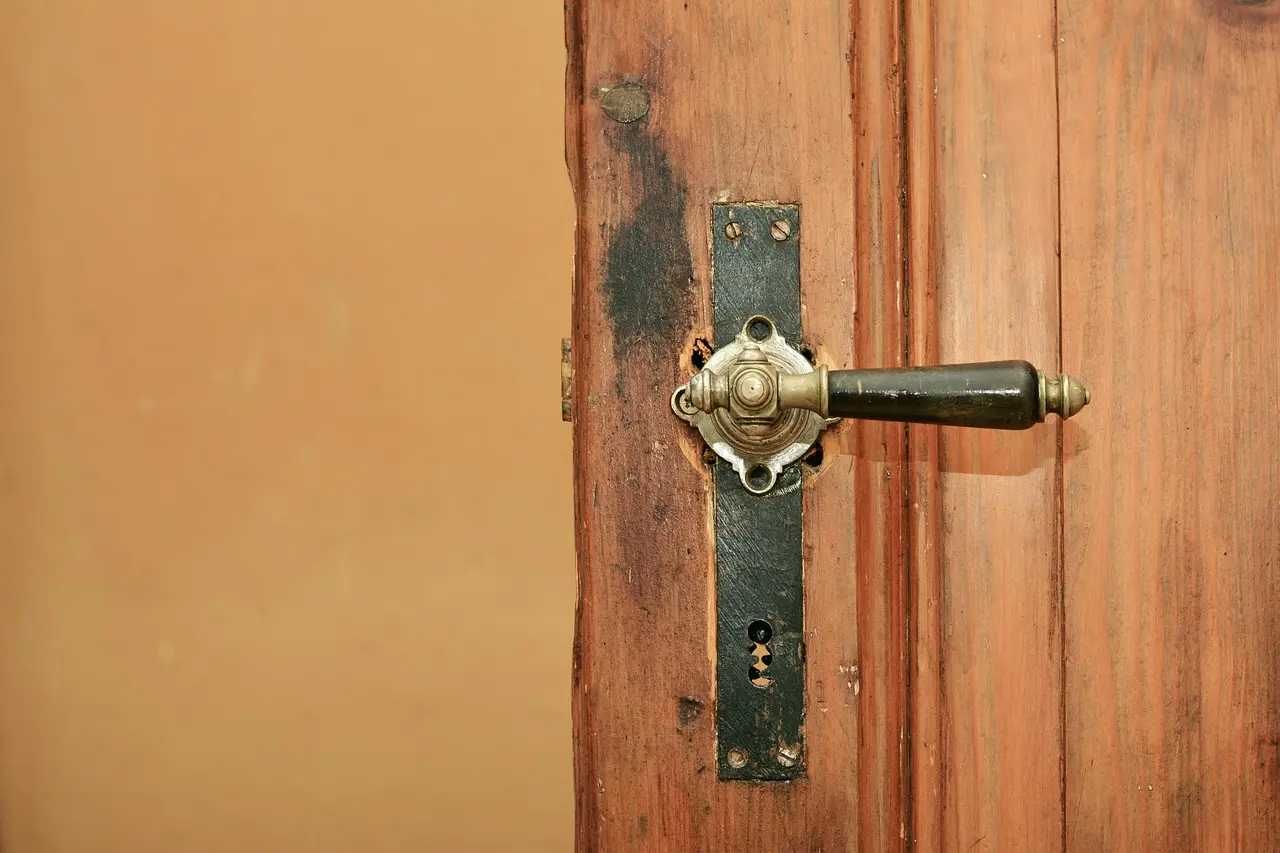
How to Remove a Loose Door Knob That Spins
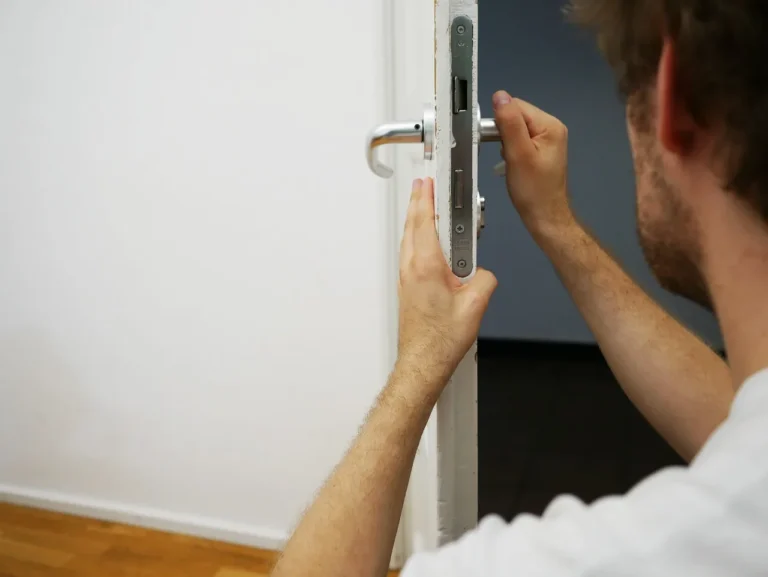
If an interior knob spins, start with the mounting screws. If it still spins, remove the knob through the detent hole or the faceplate screws, then check for a stripped spindle, loose set screw, or failed latch. Leaving it in place can trap the latch and chew up the door edge. This guide shows how to identify the failure, remove the knob safely, and decide what to replace.
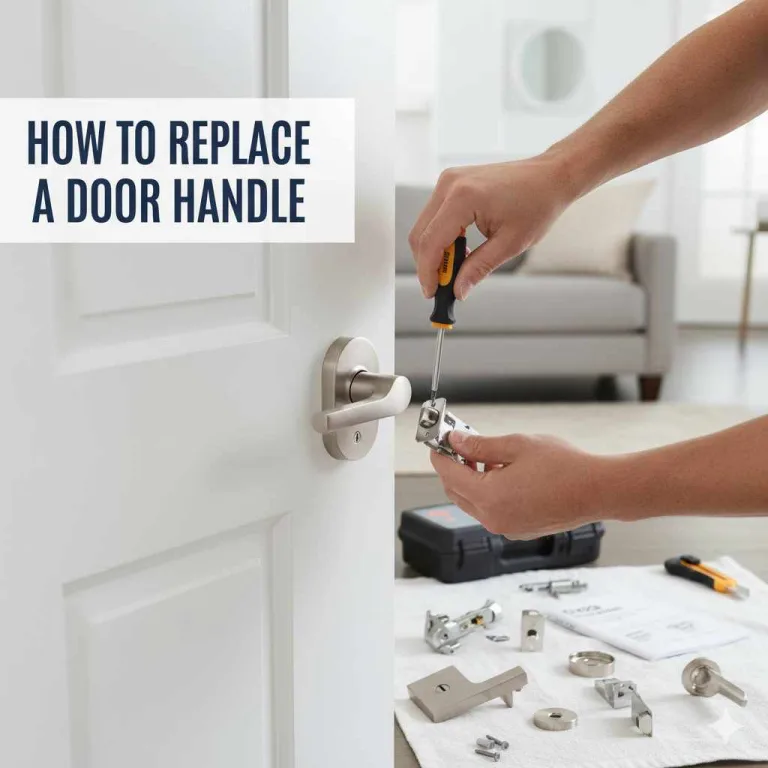
What you’ll need

- Includes common metric and SAE sizes
- Made from 304 stainless steel
- Comes with Allen keys and labeled storage
- Flat-head screwdriver
- Phillips screwdriver
- Allen wrench or hex key sized to the set screw
- Pliers, if the knob or spindle is stuck
- Replacement set screw, if the original is stripped
- Replacement latch or replacement knob set, if the part is damaged
How do you identify the failure first?
Start by separating a loose knob, a spinning knob, and a detached knob. A loose knob still moves the latch, but it wobbles. A spinning knob turns without moving the latch. A detached knob has slipped off the spindle or mounting screws. That diagnosis tells you whether to tighten, disassemble, or replace.
Check the symptom at the door
- Turn the knob with the door open.
- Watch the latch bolt in the door edge.
- Note whether the knob wobbles, spins, or separates from the base.
- Test both sides of the knob if the door has two handles.
Match the hardware type
Interior passage knobs usually have the simplest access path. Privacy knobs add a lock button or emergency release hole. Exterior keyed knobs may include a keyed cylinder and added security hardware, so stop if the door is locked or damaged. The removal path changes with the hardware, not with the symptom alone.
Spinning door knob removal steps
Use the least forceful path that fits the hardware. Start with hidden fasteners, then move to the spindle, then the latch. Rubelsg lists graphite or silicone-based lock spray instead of oil-based lubricant, and it also recommends testing a new lock while the door is open.
Step 1: expose the fasteners behind the trim plate
- Look for the trim plate or rose around the knob.
- Use a flat-head screwdriver to pry the cover gently, or press the spring tab if the model uses one.
- Remove the trim plate to expose the screws holding the assembly together.
Step 2: tighten or remove the set screw
- Find the small hidden set screw on the knob neck or collar.
- Use an Allen wrench or small screwdriver to tighten it first.
- If the knob still slips, back out the set screw and keep it aside.
Step 3: remove the mounting screws and separate the halves
- Remove the visible Phillips screws that hold both sides together.
- Keep steady pressure on the knob so it does not drop.
- Separate the halves and set the trim plate, screws, and spindle in order.
Step 4: slide out the spindle and inspect the latch
- Pull the spindle straight out of the hub.
- Check for rounded flats, bends, or stripped ends.
- Test the latch bolt with the door open before deciding on replacement.
How do you remove the spindle?
Remove both knobs first, then slide the spindle out of the center hub. If it will not move, check for rounded flats, a bent shaft, or a locked latch connection. Do not twist hard against the door edge. That can strip the hub or damage the latch case.
Free a stuck spindle
- Hold the knob body steady.
- Wiggle the spindle straight, not sideways.
- Use pliers only on exposed metal, wrapped with a cloth if needed.
- Stop if the spindle binds inside the latch.
Suppose the spindle slips out on one side but the other side still turns freely. That usually points to a disconnected or stripped spindle end, not a full latch failure. Compare the removed spindle with the old one before buying a part so the length and shape match.
Door knob troubleshooting matrix
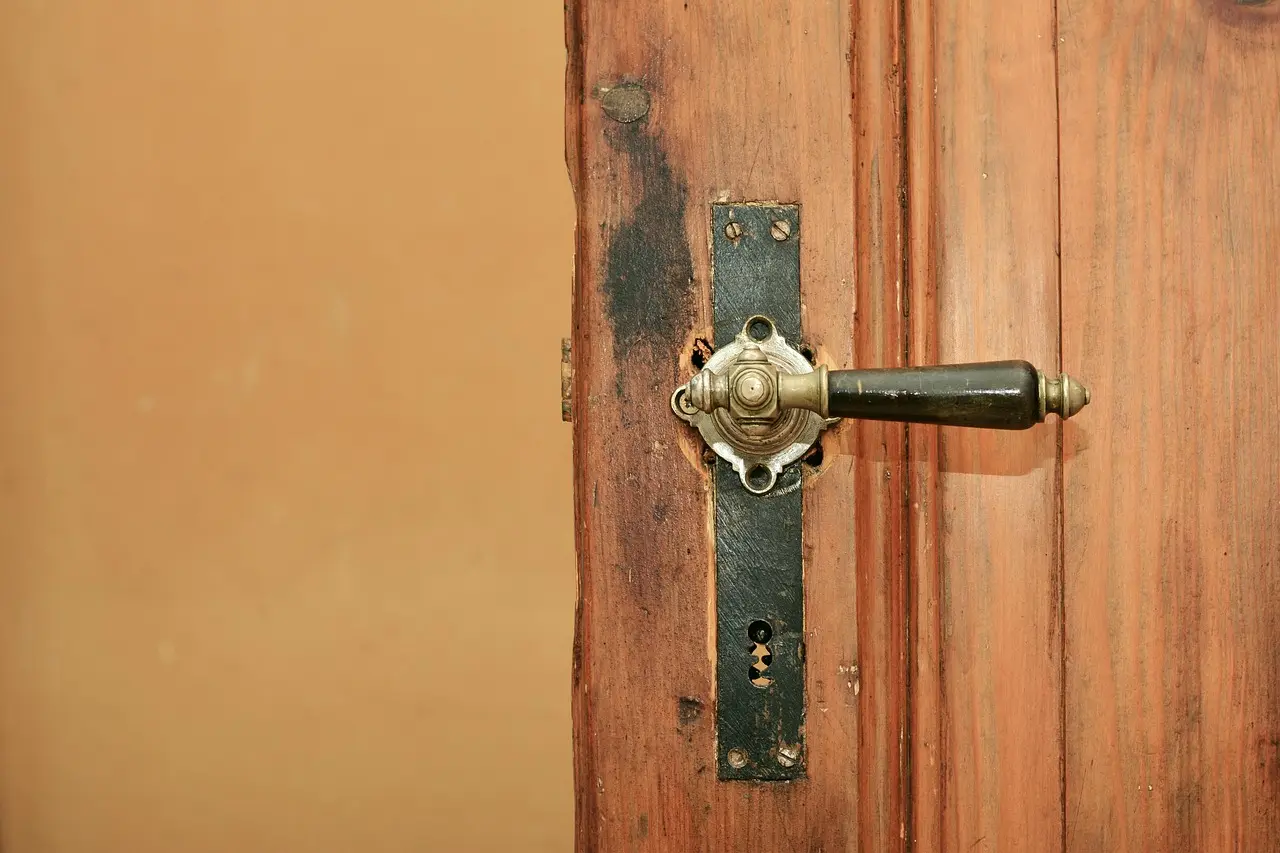
| Symptom | Likely failed part | How to remove the knob safely | Tighten, repair, or replace? | Quick parts check |
|---|---|---|---|---|
| Interior passage knob spins but the door is open | Loose set screw, loose mounting screws, or worn spindle | Remove the trim plate, tighten the set screw, then remove the mounting screws and slide out the spindle | Tighten first; replace the spindle or knob set if flats are rounded | Set screw type: hex key or small screwdriver; spindle condition: straight and unrounded; latch type: tubular latch |
| Privacy knob spins and the push-button lock still moves | Loose set screw, stripped spindle, or internal lock mechanism wear | Remove the emergency release cover or trim plate, then separate both halves carefully | Tighten if hardware is loose; replace the knob set if the lock body or spindle is damaged | Set screw type: hidden fastener; spindle condition: intact flats; latch type: privacy tubular latch |
| Exterior keyed knob turns oddly or will not retract the latch | Worn spindle, failed latch, or damaged keyed mechanism | Do not force it if the door is locked; remove only with the door open and the lock fully accessible | Replace the latch or full knob set if the keyed side is worn or misaligned | Set screw type: model-specific; spindle condition: straight and connected; latch type: keyed lockset with matching backset |
How do you fix a loose door knob without replacing it?
Start with the fasteners when the knob feels loose but is not broken. A loose knob may rotate farther than it should, which often means a set screw or mounting screw has backed out. If the spindle and latch still move correctly, tightening is enough.
Tighten the hardware in order
- Seat the knob squarely on the spindle.
- Tighten the set screw until it stops slipping.
- Tighten the Phillips mounting screws evenly.
- Recheck the knob with the door open.
A common mistake is trying to secure the knob by cranking the faceplate screws while leaving the inner mounting plate loose. That leaves the other half loose and the knob can spin again after a few turns. If the screw head is stripped, stop there and replace the screw rather than chewing up the trim plate or hub.
How do you replace a door knob?
Replace the knob set when the spindle is bent, stripped, disconnected in the hub, or the internal mechanism will not hold tension. Replacement is also the cleaner fix when the trim plate and screws are damaged together. Match the latch type, backset, and door bore size before buying a replacement set.
Match the replacement parts
- Measure the backset from the door edge to the knob center.
- Check whether the latch is tubular and whether it matches the existing hole size.
- Compare the spindle shape, screw pattern, and trim plate style.
- Install the new latch, then the new knob set.
- Test the new lock while the door is open.
Say your door uses a privacy knob with a bent spindle and a sticky tubular latch. Replacing only the knob will not solve the bind if the latch still drags. Replace the failed parts together when the spindle and latch both show wear.
Common mistakes
Do not force the knob with the door closed, since it can jam the latch against the frame or damage the door edge. That can jam the latch against the frame and break the edge of the door. Do not skip the trim plate on hidden-fastener models. Do not buy a replacement before checking the spindle, the latch type, and the backset.
- Forcing a spinning knob instead of removing it cleanly
- Missing a hidden set screw under the trim plate
- Reusing stripped mounting screws
- Replacing the knob without checking the tubular latch
- Testing the repair with the door shut
If that did not work, move to the latch. A flat-head screwdriver can help expose the latch hardware if the door is shut, but only enough to inspect it; do not pry against the frame. If the latch bolt does not retract smoothly with the door open, replace the latch or stop and call a door pro for an exterior, locked, or damaged door.
Frequently asked questions
How do I remove a door knob that just spins?
Open the door, expose the trim plate, and look for a set screw first. Tighten it if loose. If the knob still spins, remove the visible screws, separate the halves, and inspect the spindle and latch. If the door is locked or exterior, stop and get help.
How do I remove a door knob spindle?
Remove both knobs, then pull the spindle straight out of the hub. If it sticks, check for rounded flats or a bent end before using pliers. A spinning knob with an open door usually points to a spindle or latch issue, so compare the old spindle to the replacement before installing anything.
How do I take off a door knob?
Find the trim plate or rose, remove it, and look for mounting screws or a hidden set screw. Use a Phillips screwdriver for visible screws and an Allen wrench for many modern set screws. Keep the door open so the latch bolt can be checked before you separate the hardware.
How do I fix a loose door knob?
Tighten the set screw and the mounting screws, then retest the knob with the door open. If the knob still wobbles or turns farther than it should, inspect the spindle flats and the latch. Replace stripped screws right away, since they will not hold torque for long.
How do I repair a loose door knob without replacing it?
Repair the loose parts in place if the spindle is straight and the latch still moves cleanly. Tighten the hidden set screw, tighten the Phillips screws, and lubricate only with graphite or silicone-based lock spray. Replace the latch or full set only if the spindle or mechanism is worn.
How do I fix a loose door knob on an interior door?
Interior passage knobs usually respond to a simple tightening job. Remove the trim plate, tighten the set screw, and then tighten the mounting screws evenly. If the knob still rotates too far, the spindle or tubular latch may be worn and should be replaced as a matching-size part.
Products related to this article
Sponsored / affiliate links. As an Amazon Associate I earn from qualifying purchases. I may earn additional commission from eligible campaigns.