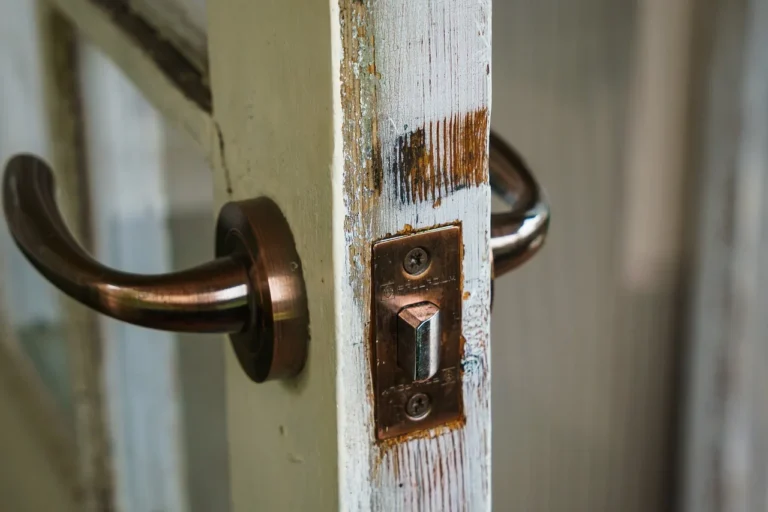
How to Unlock a Bedroom Door with a Push-Button Lock
To open a bedroom door with a push-button lock, first identify the release style: pinhole, slotted emergency slot, or exterior thumbturn; use the matching tool, and stop if it’s a keyed lock or jammed hardware. Forcing the wrong method can bend the latch, crack the door, or turn a simple lockout into a repair. This guide shows how to identify the exact privacy lock and open it without damage.
How do you identify the lock style?
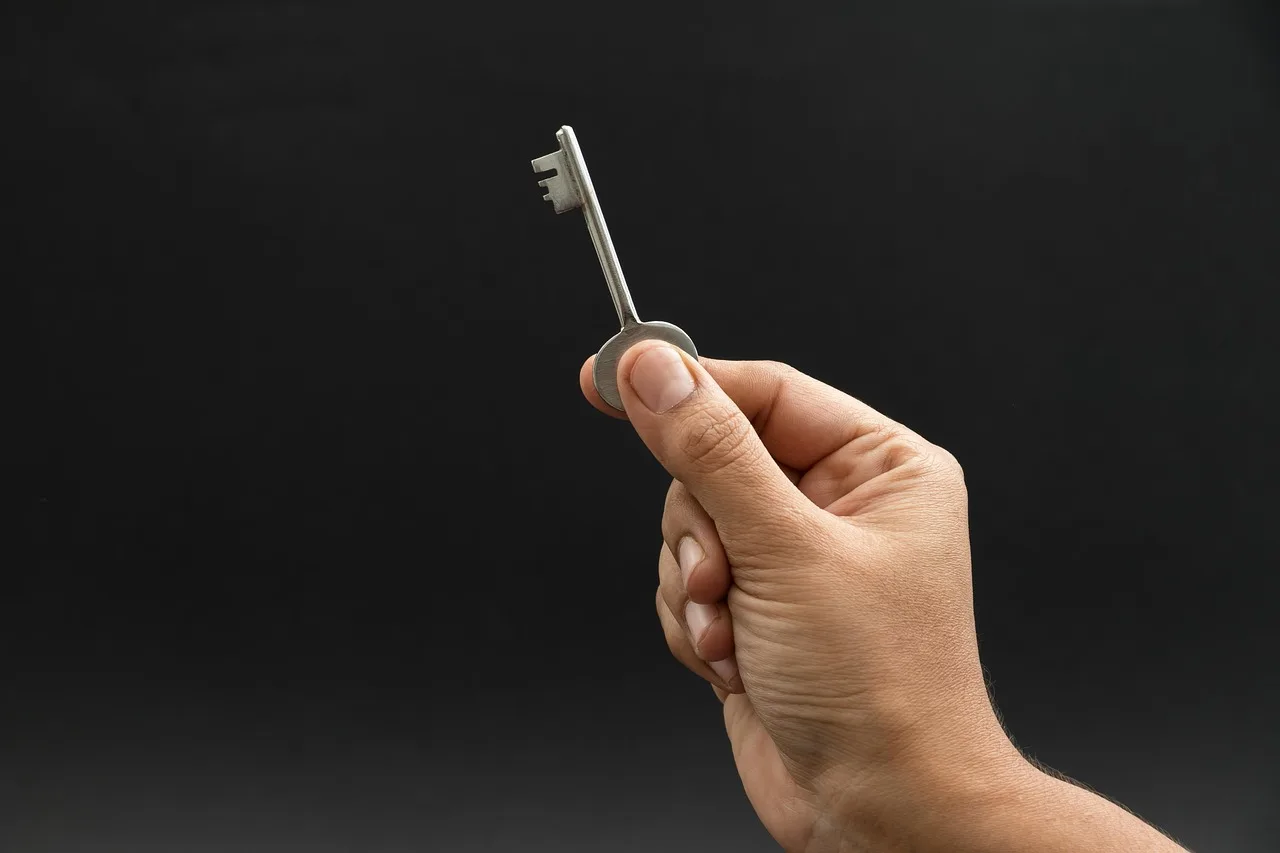


Start at the outside knob, lever, or trim. A push-button privacy lock usually has a small emergency release opening or a slot on the exterior side. A turn-button privacy lock typically has a thumbturn on the inside and may still have a release hole outside. A keyed bedroom lock uses a real key, not a paperclip tool.
What you’ll need
- Paperclip or straightened bobby pin
- Small flat screwdriver
- Thin nail
- Hex-style override tool, if the lock uses one
- Proper key, if the lock has a key override
- Flashlight for finding the release opening
Bedroom lock decision table
| Lock style | Outside release feature | Safest tool | When to stop and call a locksmith |
|---|---|---|---|
| Push-button privacy lock | Small emergency release hole or slot on the outside knob or trim | Paperclip, straightened bobby pin, thin nail, or small screwdriver that fits straight in | Stop if the tool will not enter cleanly or the button stays locked after one light attempt |
| Turn-button privacy lock | Some have the same release hole; others do not | Thin straight tool only if a release opening is present | Stop if there is no outside release feature and the knob is binding |
| Keyed bedroom lock | Key cylinder on the exterior side | Proper key or manufacturer key override | Stop if the key will not turn or the cylinder feels gritty or loose |
| Jammed latch | Release feature may work, but the latch stays stuck in the strike | Handle pressure, door pressure, and alignment check before any harder tool use | Stop if the latch is bent, the strike is damaged, or the door will not shift into alignment |
How do you open it from the outside?

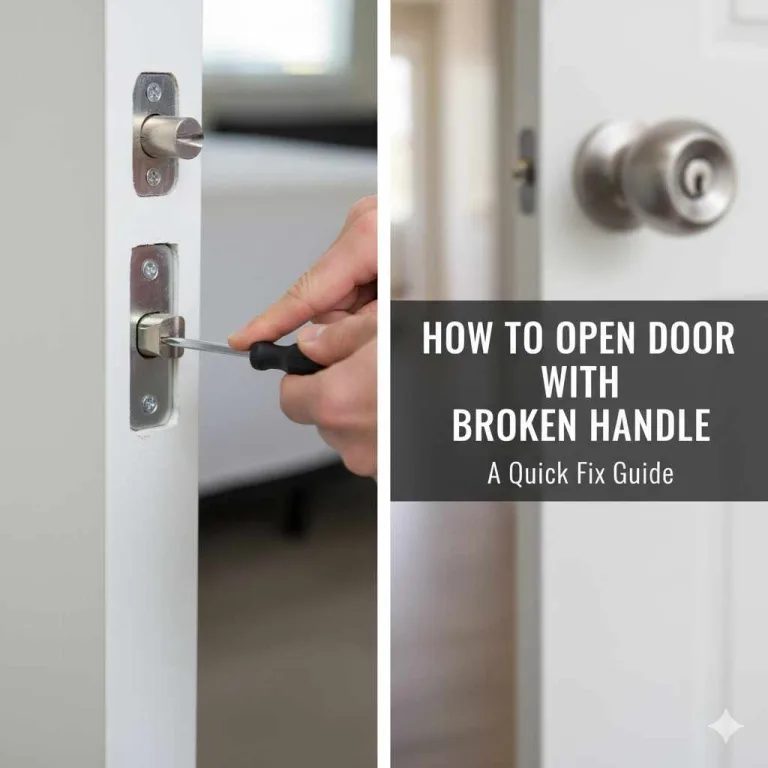
Use the outside release only after you confirm the lock style. A privacy lock with a hole on the outside usually opens with a thin straight tool pushed into the opening until the mechanism releases. A keyed lock needs its own key. If the handle still will not move, the latch may be binding rather than locked.
- Find the emergency release hole or slot on the outside knob, lever, or trim.
- Insert the tool straight in until it meets resistance, then press or turn gently until the lock disengages.
- Try the handle while lightly pushing or pulling the door so the latch can clear the strike.
- If the lock has a key override, use the proper key from the exterior side only.
- If the mechanism frees and relocks normally, stop and reset the button before closing the door again.
Thin straight tool options
A paperclip, straightened bobby pin, thin nail, small screwdriver, or hex-style override tool may work if it fits the release opening without forcing it wider. Keep the tool straight as you insert it; do not twist hard inside the hole. If the tool catches paint, trim, or the edge of the opening, stop and choose a thinner tool.
Why won’t the button release?
A push-button bedroom lock often fails for two different reasons: the button is still engaged, or the latch is stuck in the strike. Door swing direction matters because the handle turn and tool angle change on left-hand versus right-hand doors. If the knob feels normal but the door will not open, suspect latch binding first.
Check door swing and tool angle
Stand on the outside side and note whether the door is left-hand or right-hand hung. That changes the angle of approach to the release opening and the direction the handle will want to turn. A tool that is slightly off-axis may press against the trim instead of the release pin.
Test knob and spindle movement
Turn the outside knob or lever gently. If the spindle moves but the latch does not retract, the internal parts may be misaligned. If the knob is loose, gritty, or dead-still, the trim or spindle may be damaged and the safer move is to stop.
Suppose the privacy button clicked in normally, but the knob only turns halfway and the door stays shut. That points more to a latch or alignment issue than a locked button, so changing tools will not fix the problem by itself.
What if the latch is binding?
If the latch is binding, the best next step is to take pressure off the spring-loaded bolt, not to force the knob harder. A slightly warped interior door, tight strike plate, or settled frame can keep the latch from retracting even after the lock is released. Small alignment changes often matter.
- Push the door inward and then pull it back a few millimeters while turning the handle.
- Raise or lower the door slightly by lifting under the handle side if the gap is uneven.
- Apply light pressure toward the frame side where the latch sits so the bolt can clear the strike.
- If the door only opens when pressure changes, leave the hardware alone and plan a strike adjustment or repair.
- Stop if the latch face is bent, the strike plate is loose, or the trim is cracking.
If a bedroom door closes fine during the day but binds after the room cools and the paint edge swells slightly, a shift of about 2 to 3 mm in door pressure may be enough to free the latch; a hard shove can chip the painted edge instead.
Common mistakes
Most damage comes from the wrong tool or too much force. On painted interior doors, pry marks and chipped trim are far more common than broken privacy locks. If the release hole is present, keep the tool straight and light-handed. If the lock has no hole, do not improvise with a thick object.
- Using a tool that is too thick and widening the release opening
- Twisting a paperclip so hard that it snaps inside the hole
- Forcing the knob, lever, or trim when the latch is simply stuck
- Confusing a privacy lock with a keyed bedroom lock or deadbolt
- Prying the door edge and chipping paint or veneer
When should you stop and call a locksmith?
Stop when the lock is keyed, the tool will not enter cleanly, the knob feels broken, or the latch remains stuck after light alignment pressure. Call a locksmith or building maintenance if the door hardware is damaged, the cylinder will not turn, or you cannot confirm the release style from the outside.
Frequently asked questions
How to open a bedroom door with a key lock
Use the correct key from the exterior side and turn it only as far as the cylinder allows. If the key will not move, do not force it; a worn cylinder, broken keyway, or misaligned latch can make the lock feel stuck even when the door itself is fine.
What do I do if a push-button privacy lock is stuck?
Check whether the button itself is stuck or whether the latch is binding in the strike. Press the release once, then try the handle while gently pushing or pulling the door. If the door shifts open with pressure but the button still feels normal, the strike or latch likely needs adjustment.
Can I open a bedroom door from the outside without damaging it?
Yes, if the lock has a proper outside release hole or a key override and you use the correct tool. Keep the tool straight, use only light pressure, and stop if the opening resists. Damage usually comes from prying, oversized tools, or forcing a knob that is already misaligned.
How do I open a privacy lock with a hole on the outside?
Insert a paperclip, bobby pin, thin nail, or small screwdriver into the hole until you meet the release mechanism, then press or turn gently. If nothing happens, recheck the door hand and your angle. A bad angle can make the tool miss the release pin entirely.
How do I reset a push-button door lock after opening it?
Open the door fully, release the button or turn the thumbturn back to its unlocked position, then close and test the latch once before leaving it shut. If the button does not reset cleanly, the spindle or internal spring may be worn and should be inspected before the door is locked again.
Products related to this article
Sponsored / affiliate links. As an Amazon Associate I earn from qualifying purchases. I may earn additional commission from eligible campaigns.