How to Stop Light From Coming Under a Bedroom Door
Measure the gap first: under about 1/4 inch usually calls for a stick-on door sweep or draft stopper, 1/4 to 1/2 inch usually calls for an adjustable sweep, and a gap over 1/2 inch often points to hinge, latch, or threshold problems. Most door-sweep makers and home-improvement references place interior-door undercut guidance in a similar narrow range, but the exact fit still depends on the sweep profile, the door thickness, and the floor surface. This guide shows how to trace the leak path, then match the fix to the gap, floor, and rental limits.
Why bedroom doors leak light



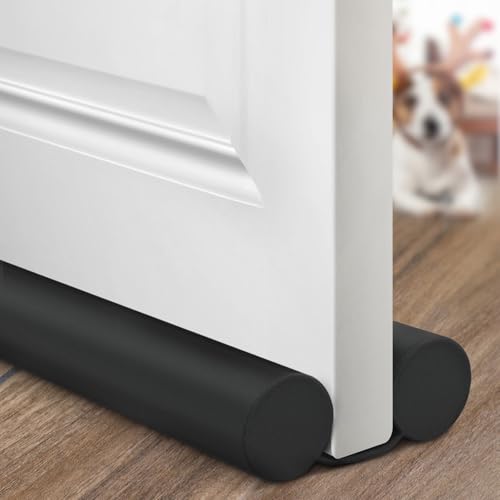
A bedroom door can leak light at the bottom, along the sides, or across the top. The bottom gap is the most visible problem, but a bright line at the frame often means the door is not closing squarely, the stop molding is missing or worn, or the slab is warped enough to leave uneven contact.
Bottom gap, side reveal, and top reveal
The gap under the door is the clearance between the bottom edge and the floor. The side reveal is the space between the door edge and the jamb. The top reveal is the same kind of opening across the head of the frame. If one area is sealed and the room still glows, another path is still open.
Light can also creep through a door that is misaligned on its hinges. A latch that does not pull the slab fully into the stop leaves a thin gap all the way around. That is why a bottom seal alone can fail on a door that already fits poorly.
How misalignment and warped doors create leaks
If the strike plate is off, the door may close but not compress the weatherstripping. If the slab is warped, the bottom may sit close to the floor in one corner and open in another. On an uneven floor, a single straight sweep can miss the high and low points.
Suppose a bedroom door has about a 3/8-inch gap on the hinge side and about a 1/4-inch gap under the latch side; that may call for weatherstripping in addition to a sweep. A sweep may reduce the bottom leak, but the brighter side edge tells you the frame needs weatherstripping too. The fix follows the light path, not the most obvious opening.
When missing stop molding is part of the problem
Door stop molding is the trim the slab closes against. If it is missing, too thin, or uneven, the door may close with visible cracks around the perimeter. In that case, adding only a sweep can leave most of the leak unchanged.
That trim also helps set the compression point for weatherstripping. Without it, a strip can look installed correctly but still leave daylight at the edge because the door has nothing consistent to press against.
How to measure the gap before you buy
Measure first so the seal matches the door, the floor, and the amount of light you need to block. Use a ruler, tape measure, or feeler gauge to record the bottom gap, side reveal, and top reveal in inches or millimeters. That small step prevents dragging, rubbing, and weak contact.
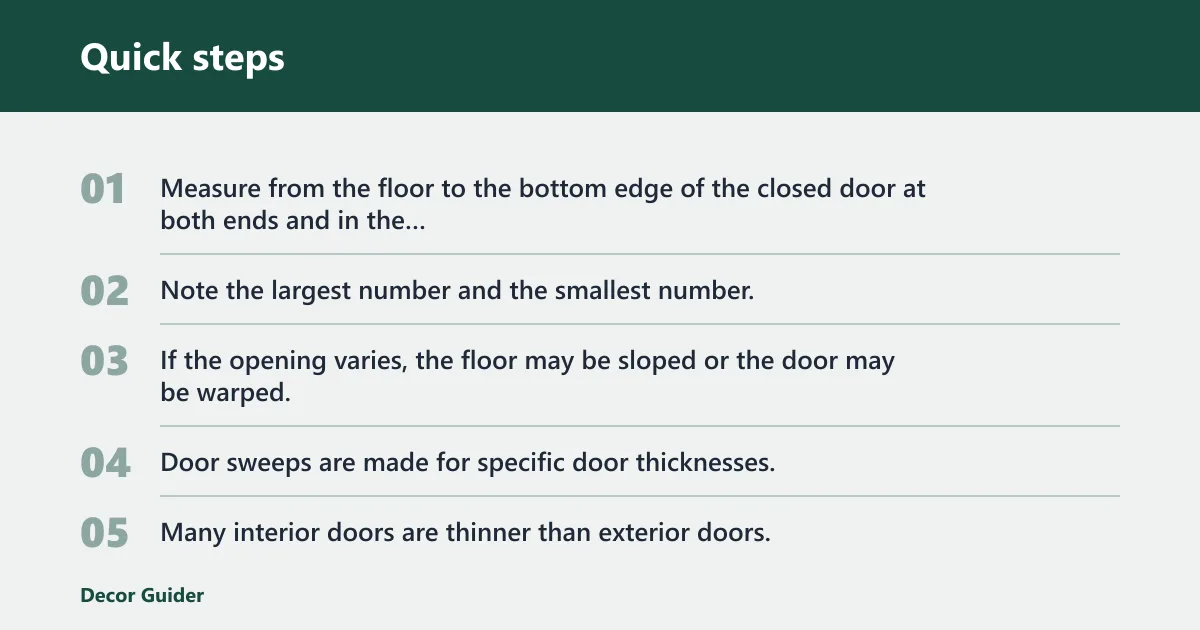
Measure door bottom clearance in inches or millimeters
Measure from the floor to the bottom edge of the closed door at both ends and in the center. Note the largest number and the smallest number. If the opening varies, the floor may be sloped or the door may be warped, and the seal needs to tolerate that difference.
Check door thickness for sweep compatibility
Door sweeps are made for specific door thicknesses, and the mounting method must fit the slab edge. Many interior doors are thinner than exterior doors, so check the product range before buying. A sweep that does not match the door thickness can sit crooked or bind during closing. Manufacturer installation sheets commonly require the sweep to match both the slab thickness and the style of the bottom edge, especially on metal or hollow-core doors.
Check floor type and uneven spots
Bare floor, carpet, threshold height, and floor slope all change the right seal. A sweep that works on smooth flooring may drag on carpet. A bottom seal that clears a flat floor may leave a gap on a sloped one. If the floor rises near the hinge side, the door may need an adjustable or automatic-drop style.
For carpet, the most forgiving approach is usually a sweep with a taller, flexible fin or brush profile. For hard floors, a lower-profile seal often works better because it keeps contact without scraping the finish.
Measure side and top reveals too
If light is visible along the frame, measure those gaps as well. Side and top reveals usually call for weatherstripping on the jamb and stop, not a bottom sweep. Compression matters here: a strip that compresses enough to block light without making the door hard to close gives better results than a soft strip that barely touches.
What is the cheapest way to block light under a bedroom door?
The cheapest short-term fix is a draft stopper or a rolled towel at the bottom of the door. For a low-cost semi-permanent option, an adhesive-backed strip or light door sweep is usually the next step. If the gap is too large, cheap fixes stop working because light finds the empty space above or beside them.
Temporary draft stopper or towel
A draft stopper is a removable fabric or foam barrier that sits against the door bottom. It blocks some air and some light, and it needs no tools. It works best for a room that only needs a temporary fix or for a rental where you cannot add hardware yet.
A common first-timer mistake is to use a towel on a door with a 5/8-inch bottom gap and call it done. The towel may block the glow at the center, but if the floor slopes down near one corner, light still slips around the edge.
Adhesive-backed strip for a low-cost install
An adhesive-backed seal is tool-free and renter-friendly. It adheres best to clean, dry surfaces with smooth paint or trim. Dust, peeling paint, or textured jambs reduce adhesion quickly. On a bedroom door, that matters because repeated opening and closing can peel a weak bond. Most manufacturers also recommend removing grease, dust, and loose finish before application so the adhesive can hold under repeated compression.
When cheap fixes fail because the gap is too large
If the bottom gap is wider than the seal’s coverage, the room will still leak light. If the door already rubs the floor, adding a thicker strip can make it harder to close. In that case, the problem is sizing or alignment, not the price of the material.
Door sweep and threshold decision table
This table helps you match the fix to the leak path, the floor, and the rental limit. Use the numbers you measured, not the gap you guessed. A door sweep is the main bottom seal, while a threshold becomes useful when the floor gap is too large or the floor profile is uneven.
| Scenario | Best fix | Backup fix | What to measure | Likely failure mode | Needs drilling? |
|---|---|---|---|---|---|
| Small bottom gap | Adhesive-backed or screw-on door sweep | Draft stopper | Bottom clearance in inches or millimeters; door thickness | Strip drags, peels, or leaves a thin glow line if cut too short | Adhesive: no; screw-on: yes |
| Large bottom gap | Adjustable sweep plus threshold | Automatic-drop sweep | Largest gap at each end; floor slope; door swing clearance | Sweep misses low spot, or threshold creates rubbing or a trip hazard | Threshold usually yes; sweep depends on style |
| Side and top leaks | Foam, V-seal, or bulb seal on jamb and stop | Adjust hinges, then add seal | Side reveal and top reveal; latch engagement | Seal compresses too little or makes the door hard to latch | Adhesive types no; fastened trim repairs may yes |
| Renter-only install | Adhesive-backed sweep or removable draft stopper | Temporary towel barrier | Clean surface condition; door thickness; bottom gap | Adhesive fails on dusty paint or textured trim | No |
Compatibility matrix by floor type and gap size
This matrix narrows the choice by floor surface and gap width. It is most useful when the door closes but still leaks light, because that usually means the seal style must match both the surface and the opening size.
| Floor type | Small gap | Medium gap | Large gap | Best sweep style | When to avoid a threshold | Most common failure mode |
|---|---|---|---|---|---|---|
| Smooth floor | Adhesive or screw-on fin sweep | Adjustable sweep | Sweep plus threshold | Low-profile fin or brush | When the door already closes tight and the threshold would add a trip edge | Fin rides too low and drags |
| Carpet | Brush sweep | Flexible fin sweep | Automatic-drop sweep or threshold plus sweep | Brush or extra-flexible fin | When pile height is uneven and the threshold would not solve the variable carpet height | Brush sags and leaves light at the corners |
| Uneven floor | Adjustable sweep | Automatic-drop sweep | Threshold with matching sweep | Adjustable or drop-down style | When the floor slope makes the threshold height inconsistent across the opening | Seal misses the low spot |
Should you use a door sweep, threshold, or both?
Use a sweep when the bottom gap is small to moderate and the floor is fairly even. Use a threshold when the gap is large enough that a sweep alone cannot close it cleanly. Use both when the bottom opening changes across the width of the door or the floor surface is uneven.
When a sweep is enough
A sweep is enough when the door already closes cleanly and the bottom gap is within the sweep’s adjustment range. Choose a bottom-mounted seal that matches the door thickness and the floor clearance. Screw-on sweeps are usually more durable than adhesive ones, especially for daily use. Many install sheets also caution that the door should not already be rubbing before the sweep is added; otherwise, the seal can turn a minor fit issue into a latch problem.
When a threshold is needed
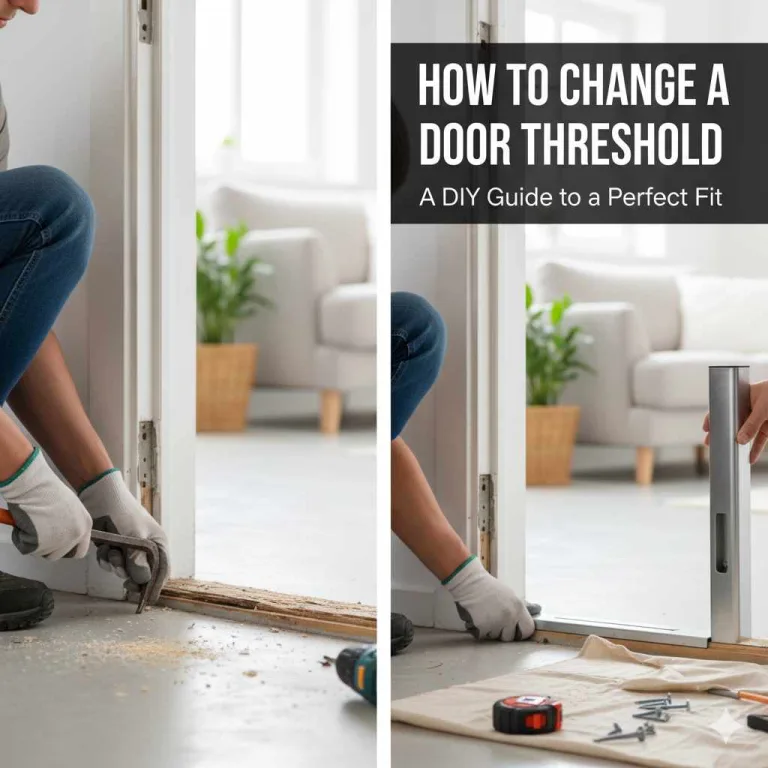
A door threshold is a fixed sill piece at the floor. It helps when the floor-to-door gap is too tall for a sweep alone. The top of the threshold must not create a trip hazard, and the door still needs to open without scraping. If the threshold sits too high, the door can bind even if the light leak disappears.
When both work better together
Both can be the right answer for a wide gap or a floor that drops away from the frame. The threshold raises the sealing surface, and the sweep closes the remaining space. This pairing is common when the leak is mostly under the door, not around the frame.
How to block light around the sides and top
Side and top leaks need weatherstripping on the jamb and stop, not a bottom seal. Foam, V-seal, and bulb seal variants all work, but each compresses differently. The best choice is the one that contacts the slab firmly without making the latch hard to close.
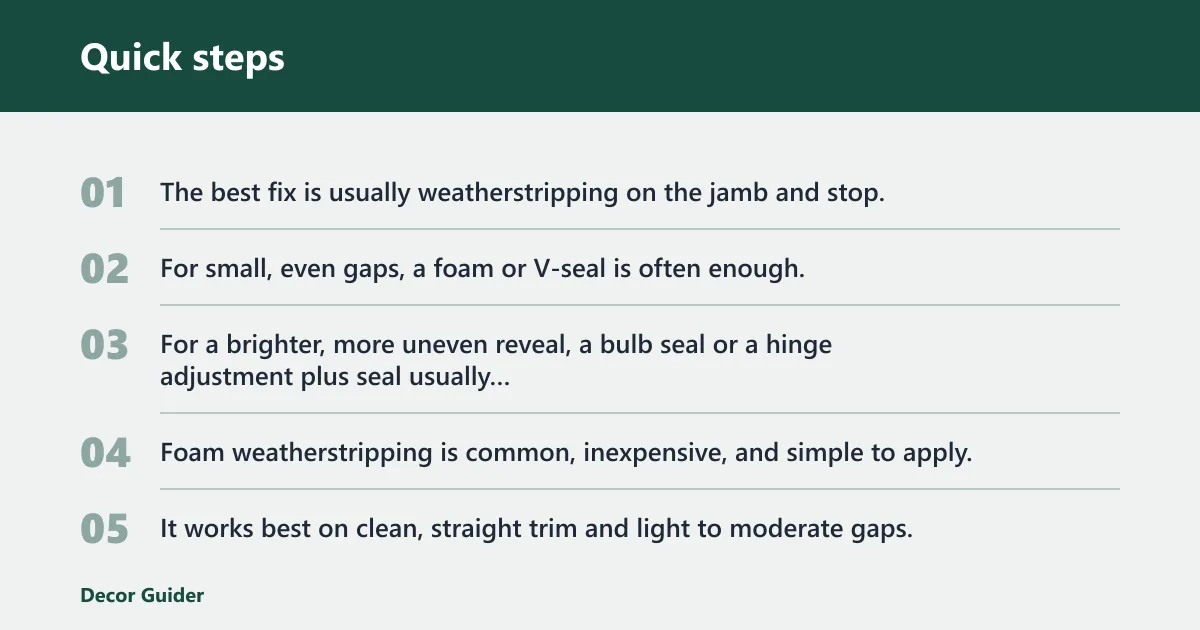
What’s the best fix for light leaking around the sides of a door?
The best fix is usually weatherstripping on the jamb and stop, matched to the size of the reveal. For small, even gaps, a foam or V-seal is often enough. For a brighter, more uneven reveal, a bulb seal or a hinge adjustment plus seal usually gives better contact.
Foam weatherstripping on the jamb
Foam weatherstripping is common, inexpensive, and simple to apply. It works best on clean, straight trim and light to moderate gaps. If the foam is too thick, the door can bounce back or refuse to latch, which leaves the light leak partly unsolved.
V-seal and bulb seal options
V-seal is shaped to spring inward as the door closes, which can suit narrow reveals. Bulb seal is rounder and often gives stronger contact at the stop. Both rely on compression, so the strip must be thick enough to block light but soft enough to avoid sticking the door shut.
Picture a bedroom door with a 1/8-inch side reveal but visible daylight at the top corner. A thin foam strip may reduce the glow, but a bulb seal on the head and latch side can give a more consistent seal if the door closes with enough pressure.
Can you install a seal on a hollow-core door?
Yes, but hollow-core interior doors need careful hardware choices. The edges can have limited screw-holding strength, especially near the ends. Lightweight adhesive-backed seals are often the safest option, while screw-on sweeps need careful placement so the fasteners do not strip or split the edge. That limitation is especially important on the bottom rail, where a fastener may only have a narrow solid zone to bite into.
Why hollow-core edges matter
Hollow-core bedroom doors are common, and their outer skin is thin. Near the bottom edge, a fastener can bite into a narrow strip of solid material or miss it and loosen over time. That is why a light seal with minimal weight is usually easier on the door.
Adhesive-backed versus screw-on hardware
Adhesive-backed hardware avoids drilling and is useful in rentals. Screw-on hardware usually lasts longer and handles repeated contact better. For a hollow-core door, the tradeoff is real: stronger retention versus greater risk of poor fastening near the edge.
Where screw placement can fail
Fasteners placed too close to the bottom edge can tear out over time. Fasteners placed where the door skin is thin can split the material. If the sweep keeps loosening, the fix may be a lighter model, a different fastener pattern, or a transition to adhesive hardware.
Start with the leak path, then match the fix. If the bottom gap is the only issue, a sweep or threshold can stop most of the light. If the sides or top also glow, add weatherstripping there too. One seal rarely solves every gap on its own.
- Close the door and look for light at the bottom, sides, and top.
- Measure the bottom gap, side reveal, and top reveal.
- Check whether the floor is flat, sloped, carpeted, or uneven.
- Confirm the door thickness before buying a sweep.
- Choose adhesive-backed hardware for rentals or screw-on hardware for a longer-term install.
- Test the door after installation so it still opens, closes, and latches cleanly.
Why is there still a gap at the bottom after you add weatherstripping?
Weatherstripping on the jamb seals the side and top reveals, not the floor clearance. If the bottom still leaks, the door likely needs a sweep, an automatic-drop seal, or a threshold. The remaining light usually means the bottom problem was never addressed directly.
How do I stop light from coming under the door in a rental?
Use renter-safe, removable parts first. An adhesive-backed sweep can work if the surface is clean and smooth, and a draft stopper is the fastest no-tools option. Avoid drilling unless the lease allows it, and avoid heavy hardware on hollow-core doors unless the fastener points are secure.
Frequently asked questions
Will a door sweep work on a hollow-core bedroom door?
Yes, if you choose the right style and place it carefully. Adhesive-backed sweeps are often easier on hollow-core edges. Screw-on sweeps can work too, but the bottom edge may not hold screws well if the hardware is heavy or the fasteners are too close to the edge.
How do I block light without damaging the door or trim?
Use adhesive-backed seals on clean, dry surfaces and avoid drilling into the door or casing. A draft stopper also leaves the door untouched. If you need more holding power, choose removable hardware that does not require permanent holes in a rental or finished trim.
Do I need a threshold, sweep, or both to seal the gap?
Use a sweep for a small to moderate bottom gap, a threshold for a larger gap, and both when the floor is uneven or the opening changes across the width of the door. If the door already sticks or drags, fix that before adding thicker parts.
Products related to this article
Sponsored / affiliate links. As an Amazon Associate I earn from qualifying purchases. I may earn additional commission from eligible campaigns.
 MECCANIXITY Black Trim Peel and Stick, Self Adhesive Mirror Trim Border 13ft x 1.6" Stainless Steel Mirror Finish Molding Tape Strips for Wall Cabinet Tile Edge Molding
 20PCS Home Decor Brick Hook, Metal Brick Wall Hanger for 2 - 1/4 to 2 - 2/5 Inch Bricks, No Drill Heavy Duty Alloy Steel Clip with 20 lbs Capacity for Indoor Outdoor Use