How to Lock a Pocket Door From the Inside
Yes—most inside pocket-door locks can work, but only if the door thickness, edge clearance, and pocket space match the hardware. Use a privacy lock for bedrooms and bathrooms, a keyed lock only for occasional light-security needs, and a childproof surface latch if you only need containment; then verify the pocket door has enough pocket clearance for the specific lock body and trim. A poor match can bind, damage the door, or leave the room unsecured. This guide helps you choose the right inside-lock solution and fit it to your pocket door.
| Quick answer | Best when | Usually avoid when |
|---|---|---|
| Privacy lock | You need bathroom or bedroom privacy and an outside emergency release | The door is too thin, too tight in the pocket, or not bored for the template |
| Hook-and-eye latch | You want no-cut containment or very light privacy | You need a cleaner look or one-handed lock/unlock convenience |
| Surface-mounted lock | Mortising is impractical on a retrofit door | The body would interfere with the pocket opening or rollers |
| Keyed lock | You need occasional access control and the door is built for it | You need simple emergency access or a standard privacy function |
Pocket door locking basics
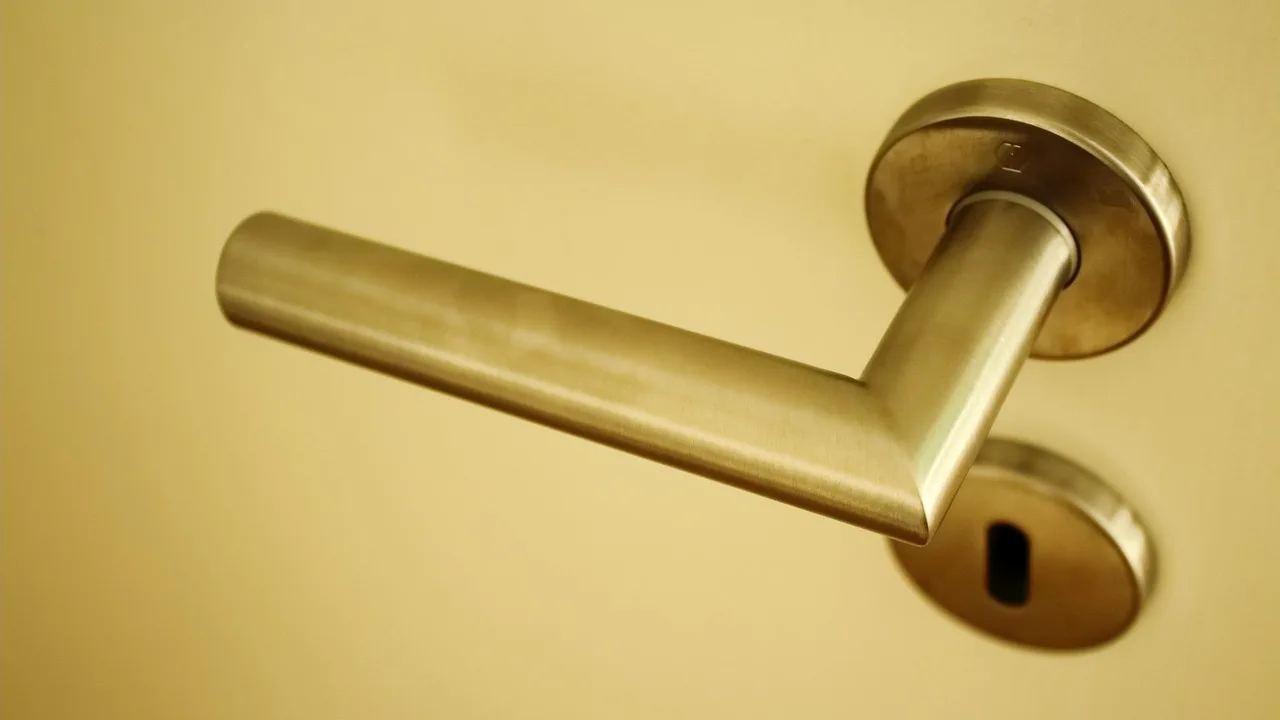


Most pocket-door locks are privacy hardware rather than true security hardware. They keep a door closed, limit casual entry, or give you a bathroom or bedroom privacy latch. They do not replace a strong exterior door lock, and they are a poor choice if you need real break-in resistance.
A pocket door also has less room for hardware than a hinged door. The lock, edge pull, track clearance, and pocket cavity all have to work together, or the door will rub, stick, or stop short of fully retracting.
Check the hardware sheet before you cut. Pocket-door kits often use recessed or mortised parts that are different from standard hinged-door lock prep, and the exact template varies by model and brand. Kwikset installation questions and Schlage FAQs are good starting points when you are matching a door to a specific lock family.
What you’ll need
- Door thickness measurement
- Privacy lockset bore size check for the specific pocket-door kit
- Edge and face measurements from the manufacturer template
- Manufacturer template or installation sheet
- Phillips screwdriver
- Drill and hole saw, only if the hardware needs new openings
- Chisel or utility knife for light cleanup, if the template calls for it
- Edge pull hardware that stays recessed flush with the door face
- Replacement latch, strike, or surface-mounted lock parts
Which inside lock fits your door?
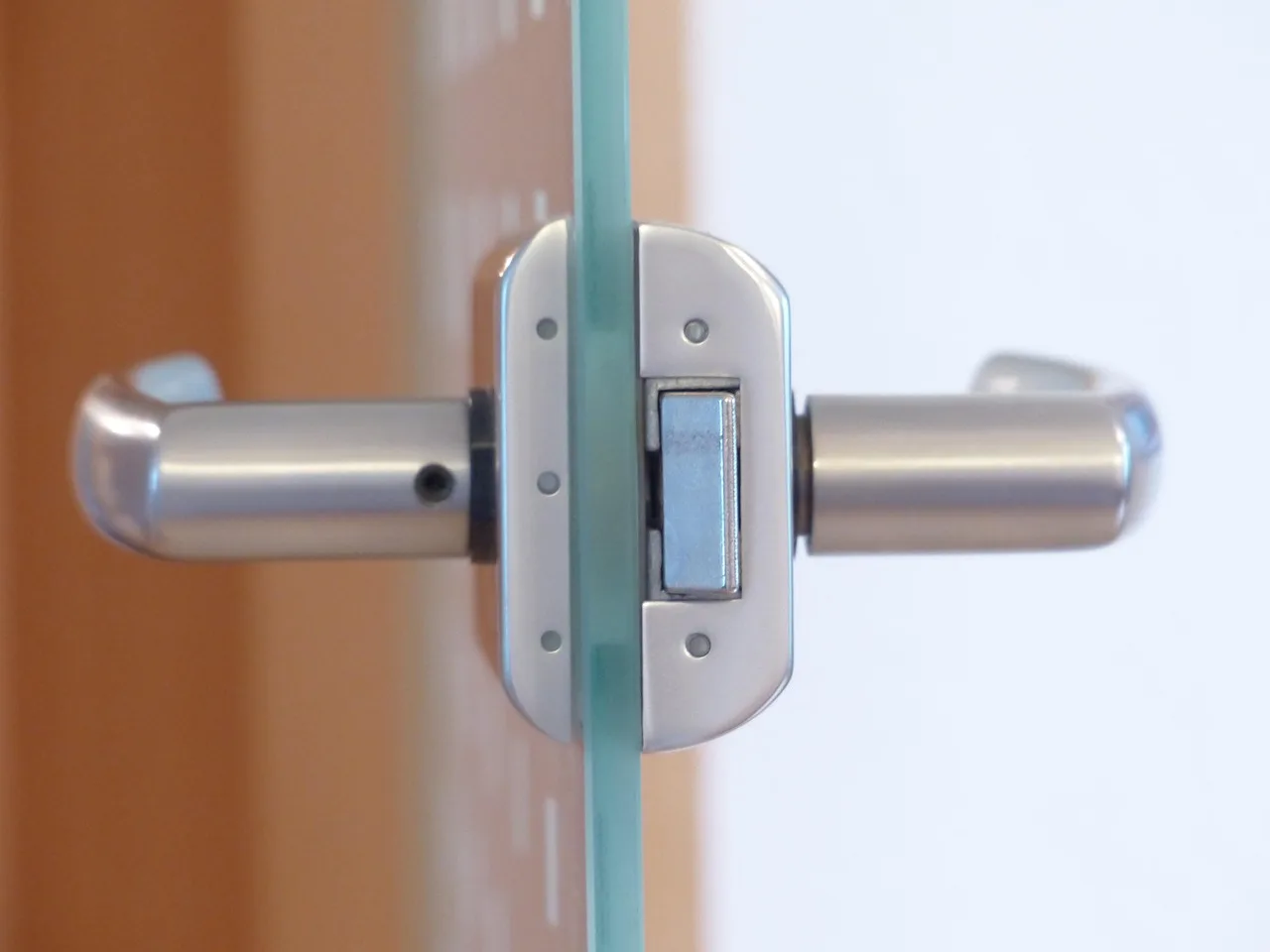
The right choice depends on what you want the door to do. For bathrooms and bedrooms, a pocket door privacy lock is usually the best fit. For temporary privacy, a hook-and-eye latch is simple and low-cost. For retrofit doors where mortising is impractical, a surface-mounted sliding door lock may fit better. A keyed lock is uncommon on interior pocket doors and usually belongs only where light-duty security matters.
| Scenario | Best option | Why it fits | Main caution |
|---|---|---|---|
| Bathroom or bedroom privacy | Privacy lock | Provides inside locking with outside emergency release on many sets | Must match thickness, bore pattern, and pocket clearance |
| Closet or child containment | Hook-and-eye latch | Minimal prep and easy retrofit | Light-duty only; not a security solution |
| Older or thin retrofit door | Surface-mounted lock | Can avoid deep mortising on a tight door | Body must clear the pocket cavity and opening |
| Occasional access control | Keyed lock | Can limit casual entry better than a privacy latch | Often a poor fit for interior pocket-door prep |
Privacy lock for bathrooms and bedrooms
Choose this when you want an inside thumbturn or push-button latch with an outside emergency release slot. It is the standard answer for rooms where privacy matters more than security. It usually needs correct alignment and enough door thickness to seat the trim without rubbing the pocket opening. Emtek and Baldwin Hardware both publish installation and product guidance that should be checked before purchase, especially on trim depth and door-prep compatibility.
Hook-and-eye latch for temporary privacy
Choose this when you want the least invasive option and only need the door to stay shut from the inside. It is best for temporary privacy or light child containment. It is not strong security, and it can be inconvenient if you want a cleaner look or one-handed operation. This is also the best no-cut option when you do not want to alter the slab at all.
Surface-mounted lock for retrofit doors
Choose this when the door is too thin, too old, or too tight to accept a mortised privacy set cleanly. Surface-mounted hardware can work on some retrofit pocket doors, but the body must clear the pocket opening and not catch the jamb or rollers. Check the manufacturer’s listing for your exact model. Häfele and Johnson Hardware publish hardware families and installation details that can help confirm whether a surface-mounted or specialty pocket-door lock fits the opening and track layout.
When a keyed lock is not the right choice
A keyed lock is usually the wrong solution for an interior pocket door. It can complicate emergency access, and many pocket doors are not built for the deeper drilling and trim a keyed cylinder needs. If you want a stronger feel, add a supplemental latch only when the door, frame, and pocket cavity can handle it without interference. For most interior use, a privacy function is more appropriate than keyed access control.
Pocket door compatibility checklist
| Option | Required door thickness | Installation type | Privacy level | Emergency release | Retrofit fit likelihood |
|---|---|---|---|---|---|
| Pocket door privacy lock | Matches manufacturer range; many sets expect at least 1 3/8 inches | Mortised edge or face hardware with cross-bore and edge-bore alignment | High for interior privacy | Yes, common on bathroom and bedroom sets | Moderate if thickness, bore size, and clearance match |
| Hook-and-eye latch | Broad; confirm screw length and door edge space | Surface-mounted | Low to moderate | No built-in release unless you choose a separate override | High on older doors with limited prep |
| Surface-mounted sliding door lock | Varies by model; confirm door thickness and trim depth | Surface-mounted | Moderate | Usually model-specific; check the listing | Moderate to high when mortising is impractical |
| Keyed pocket-door lock | Varies by model; many interior pocket doors are not ideal candidates | Usually mortised or mixed mortise-plus-cylinder | Moderate, with better access control than a privacy latch | Depends on model; emergency access is a concern | Low on older retrofit doors |
Compatibility matrix for real-world fit
| Lock type | Typical thickness range | Common bore/cutout needs | Minimum edge clearance | Outside emergency access | Best use case | Common retrofit failure mode |
|---|---|---|---|---|---|---|
| Privacy lock | About 1 3/8 inches is common; confirm the exact manufacturer range | Usually 2 1/8-inch cross-bore plus edge-bore prep, often with a template | Enough room for the latch body without colliding with the pocket cavity or edge pull | Usually yes, via emergency release slot | Bedrooms, bathrooms, and other privacy-first rooms | Binds because the bore is off-center or the trim is too deep for the slab |
| Hook-and-eye latch | Broad, including thinner retrofit slabs | No large bore required; screw placement matters | Minimal, but the hook must clear the jamb and the door must close fully | No | Closets, guest rooms, and temporary containment | Hooks miss or snag when the door shifts with seasonal movement |
| Surface-mounted sliding door lock | Model-specific; often friendlier to thin or older doors | Surface screw pattern only, unless the model asks for a small cutout | Enough flat face area for the housing and strike path | Sometimes; depends on the latch style | Retrofit installs where mortising would be disruptive | Housing hits the jamb or pocket opening during slide travel |
| Keyed lock | Commonly intended for standard interior slab thicknesses, but model-dependent | Standard bore plus extra cylinder depth or trim prep | More clearance needed than a privacy set on many pocket doors | Usually poor unless the product is specifically designed for it | Light access control where keyed operation is specifically desired | Cylinder depth conflicts with the pocket cavity or the escutcheon will not seat flat |
Sliding barn door from the inside
Sliding door from the inside
“Sliding door” can mean a pocket door, a barn door, or another track-guided door. The first step is to identify the hardware style, because the lock choice changes with it. Pocket-door privacy locks are usually for doors that disappear into the wall, while other sliding-door locks usually mount on the face and must clear exposed track hardware.
For interior sliding doors, the most transferable options are surface-mounted locks and hook-and-eye latches. A pocket door privacy lock may work only when the slab thickness and pocket-door kit match the manufacturer’s template. Keyed locks are the least universal because their cylinder depth and trim often conflict with slim sliding-door setups.
How do you install the lock from the inside?
Start by marking the lock position against the manufacturer template, then confirm the edge and face clearances before you cut anything. A pocket door can look ready for a standard privacy set and still fail if the latch body collides with the pocket cavity or if the trim sits too close to the edge pull.
- Measure door thickness, then compare it with the hardware range.
- Check the edge spacing against the template.
- Hold the lock in place and confirm the edge pull still retracts flush.
- Cut or mount only the holes or screw points the instructions require.
- Install the latch, trim, and strike, then test the turn and release.
- Slide the door fully open and closed to verify there is no rubbing at the pocket opening.
A common first-timer mistake is placing the latch where it hits the track or hanger hardware. In that case, the latch may work at first and then scrape every time the door closes.
For doors that must stay privacy-only and remain accessible in an emergency, many manufacturers recommend using a dedicated privacy set instead of improvising a keyed latch. That is especially important for bathroom use, where outside override matters. The installation sheet for the exact model is the best source for final placement and required clearances.
How do you secure a pocket door without cutting?
If you want the lowest-impact path, start with a hook-and-eye latch or another surface-mounted option that does not require a new mortise. That is the best route when the door is old, thin, warped, or already tight in the pocket. It is also the safest choice when you are unsure about hidden track or hanger clearance.
- Check whether the edge pull still retracts fully into the door face.
- Place the latch where it will not block the pocket opening.
- Close the door and confirm the hardware clears the jamb and pocket cavity.
- If the latch misses by a small amount, adjust the strike location only as the hardware instructions allow, then recheck.
- If the door still binds, stop and switch to a different hardware type instead of forcing the fit.
If you need a no-cut option, a surface-mounted latch may be enough for privacy if you do not want to cut the door. If you need an emergency release from the outside, move to a privacy lock made for that function instead.
Common mistakes
Choosing hardware before measuring thickness is the fastest way to buy the wrong set. Many pocket doors are thinner than standard swinging doors in retrofit work, and that affects latch engagement, trim fit, and whether the lock body can sit flat.
Ignoring the emergency release is another common miss. Bathroom and bedroom privacy hardware should allow outside override, especially where child safety or access in an emergency matters.
Placing hardware where it hits the pocket or rollers can stop the door from sliding at all. The edge pull also has to stay recessed and clear of the pocket cavity, or the door may snag before it fully retracts. A privacy lock will keep a door closed, but it will not stop forced entry the way a true security lock on a solid frame might.
If that didn’t work, try this next
- Remove the lock and check for rub marks on the edge, strike, or trim.
- Inspect the door for warp by closing it slowly and watching the gap along the jamb.
- Try a simpler surface-mounted latch if the mortised set binds.
- Replace worn strike parts if the latch meets the opening but will not catch.
- Stop and choose a different hardware style if the door thickness or pocket clearance still does not match.
Prevention: keep the strike and latch aligned, and recheck the door after any seasonal movement if the fit changes. A pocket door that starts rubbing usually gets worse before it gets better.
Frequently asked questions
How do you lock a pocket door from the inside?
Use a privacy latch with a thumbturn or push-button mechanism for a bathroom or bedroom, or use a hook-and-eye latch if you only need a simple hold-closed option. Confirm the door thickness, then make sure the lock does not block the pocket opening or the recessed edge pull. For the best fit, use the exact template that comes with the hardware before drilling.
Can you put a lock on a pocket door?
Yes, but the door has to match the hardware. Some pocket doors can take a privacy lock or a surface-mounted latch if the hardware is made for pocket-door use. A mismatch usually shows up as rubbing, poor latch engagement, or a trim plate that will not sit flat.
How do you secure a pocket door from the inside?
For privacy, use a privacy lockset with an emergency release. For lighter containment, use a hook-and-eye or a surface-mounted latch that does not require deep cutting. If the door is warped or the pocket opening is tight, choose the least invasive option first, then move up only if the hardware and clearances support it.
What kind of lock works on a pocket door?
A pocket door privacy lock is the most common choice, especially for bathrooms and bedrooms. A surface-mounted sliding door lock can work on some retrofit doors, and a hook-and-eye latch works when you want a simple, low-cost hold. A keyed lock is less common indoors and is usually a poor fit unless the product is designed for interior pocket-door geometry.
Can a pocket door have a privacy lock?
Yes. That is often the best fit for interior privacy because many sets include a thumbturn and an outside emergency release slot. Check door thickness, alignment, and pocket clearance before you buy, since not every pocket door is prepped for standard hardware. Manufacturer templates and installation sheets are the safest guide for exact fit.
What if my pocket door has no lock?
Start with a surface-mounted latch or a hook-and-eye if you want a no-cut or low-impact option. If you need a privacy lock with an outside override, check whether the door can take the required hardware and whether the latch body clears the pocket cavity. When the slab is too tight, the simplest hardware is often the most reliable.
Products related to this article
Sponsored / affiliate links. As an Amazon Associate I earn from qualifying purchases. I may earn additional commission from eligible campaigns.