How to Lock a Sliding Closet Door
For most sliding closet doors, pick a surface-mounted sliding door latch for drill-free child safety, or use adhesive stop only for light-duty restraint. A poor fit can leave the door easy to pry open, damage the frame, or fail when a child pulls on it. This guide helps you pick the right lock by door type, security goal, and drill/no-drill limits, then install it step by step.
Sliding closet door decision matrix
| Door type | Goal | Best lock style | Tools required | Install difficulty | Renter-friendliness | Security strength | Troubleshooting note |
|---|---|---|---|---|---|---|---|
| Single wood or finished panel | Child safety | Winged closet lock | Cleaning cloth, adhesive strip | Low | High | Low to medium | Best when the panel has a flat backside and no heavy pull on the door. |
| Single hollow core panel | Child safety | Winged closet lock | Cleaning cloth, adhesive strip | Low | High | Low to medium | Clean the mounting area well; weak adhesion is the usual failure point. |
| Bypass pair with front and back door arrangement | Privacy | Sliding bolt lock | Screwdriver, pencil | Medium | Medium | Medium | Check that the bolt and receiver clear the overlap on both panels. |
| Mirrored sliding panel | Child safety or light privacy | Winged closet lock, if the surface is suitable | Cleaning cloth, adhesive strip | Low | High | Low to medium | Mirrored panels can limit where adhesive will stick; avoid stress near edges. |
| Double sliding doors | Higher access control | Sliding bolt lock on each panel | Screwdriver | Medium to high | Low to medium | Medium to higher, depending on placement | One lock may not hold both doors if the other panel can still slide free. |
Sliding closet-door locks can help protect belongings, but most are aimed at keeping small children out. That matters when you are choosing between a no-drill winged lock and a screw-mounted bolt lock. The first goes on faster and suits renters. The second gives you a firmer catch.
What you’ll need
- Winged closet lock for a no-drill, child-access deterrent setup
- Sliding bolt lock with its matching receiver piece
- Screwdriver for screw-mounted lock installation and track hardware removal or adjustment
- Adhesive strip for the winged lock
- Cleaning cloth and a mild cleaner for the door and mounting area
- Pencil for marking lock height
- Optional track-cleaning or adjustment tools if the door sticks or sits crooked
Which lock fits your door?
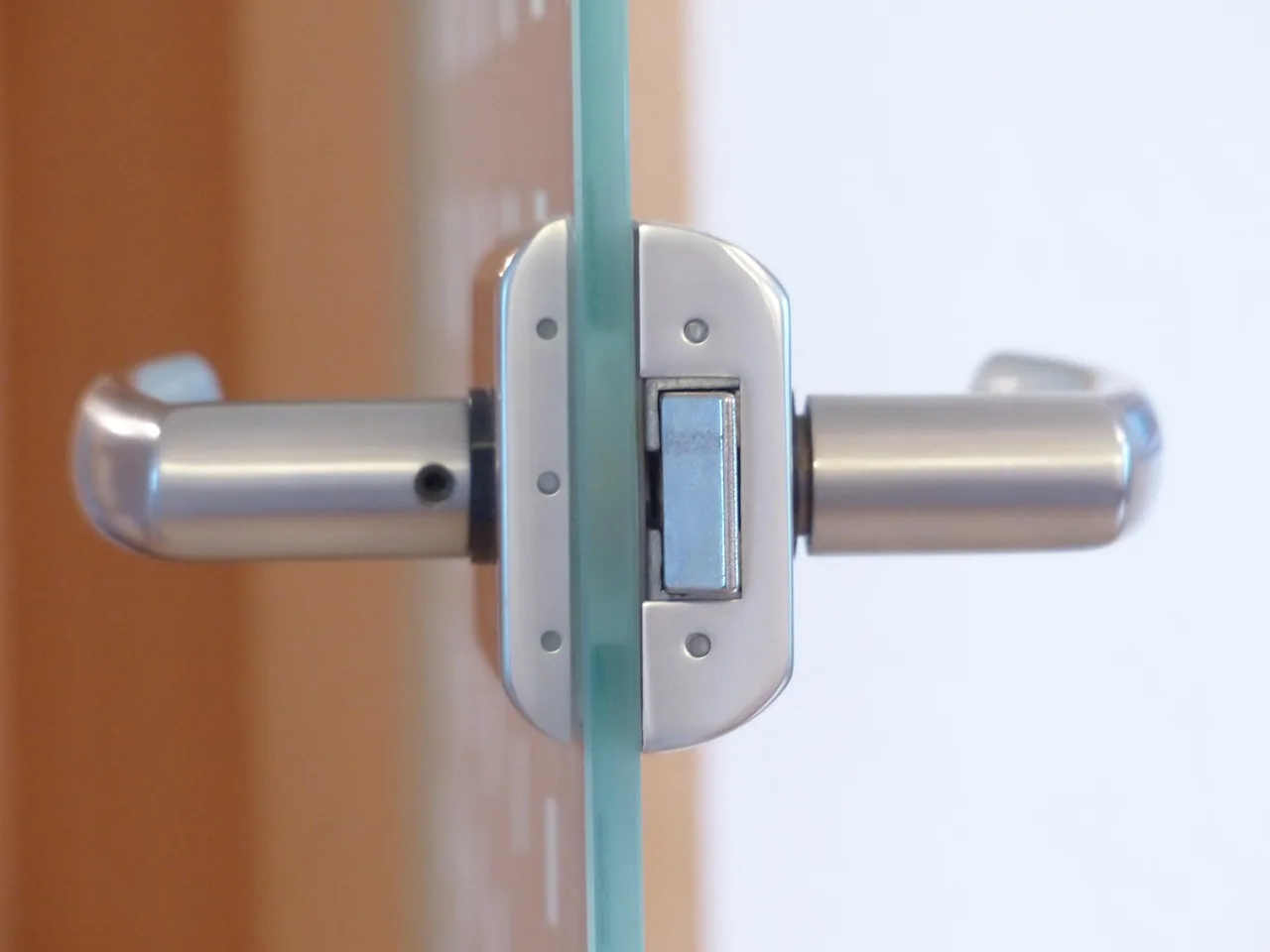
Choose the lock by goal first, then by construction. For child safety, a winged closet lock is a common no-drill option; naming can vary by seller. For privacy or firmer restraint, a sliding bolt lock is better. If the door is mirrored, bypassing, or part of a double sliding set, check whether the latch can land on a flat, reachable, opposing surface before you buy.
Child safety or privacy first
Start with the outcome you need. If you want to keep a child from opening the closet, pick a high-mounted winged lock. If you want a door that resists casual opening, use a screw-mounted bolt lock near the top. Neither choice should be treated as real security against a determined adult.
Match the hardware to your constraints
Use adhesive-backed hardware when you cannot drill. Use screw-mounted hardware when you can make permanent holes and want a more positive catch. A winged lock installs with an adhesive strip and works on one sliding door panel. A sliding bolt lock needs a screwdriver and a matching receiver piece.
Check the panel arrangement
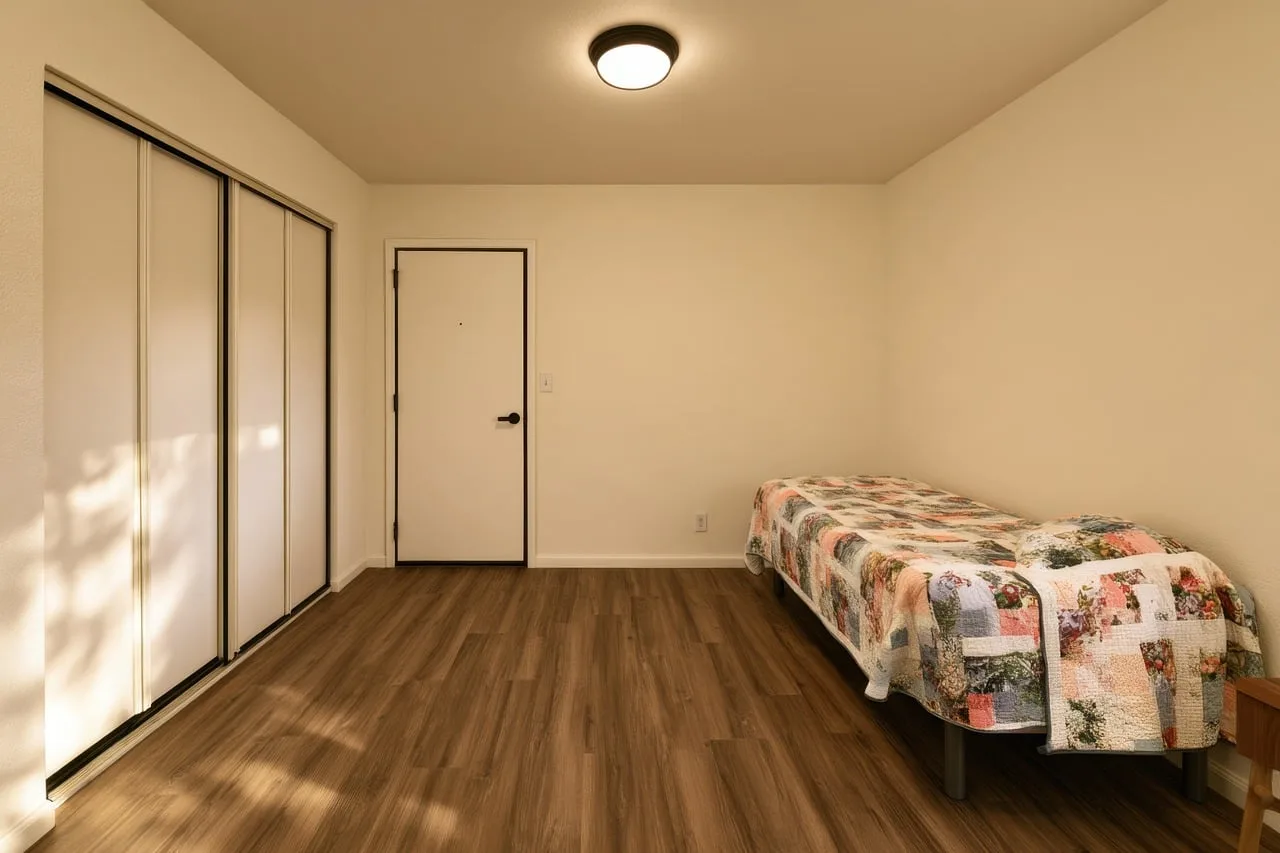
Sliding bypass closets often use a front door and a back door arrangement, so one panel can cover the other. That overlap affects where the lock can sit. Mirror, wood, hollow core, and finished panels can all behave differently at the mounting point, especially if the surface is curved, fragile, or reflective.
Close both panels, wipe the mounting area clean, and decide whether a winged lock or sliding bolt lock fits your door and your drill/no-drill limit. Then place the hardware high enough to limit child reach, mount the receiver where it lines up cleanly, and test that the door still slides without drag or rubbing.
- Close the doors and inspect the overlap, panel edges, and latch area.
- Wipe the top track and bottom track clean, because the track is essential for installation, adjustment, and removal.
- Check that the roller assemblies sit correctly in the track and move without binding.
- Mark the lock position high on the door, above a child’s reach.
- Install the lock and its matching piece with the fewest parts that still fit the door style.
- Slide the door open and shut several times to confirm the bolt or wings do not catch.
- If the door drags, adjust the roller assemblies in small increments, then recheck after each turn.
Say your closet has two bypass panels and a child keeps opening the front door. A high-mounted winged lock on the front panel may deter a child, but it will not help if the back panel can still slide free and create a gap. In that setup, a bolt on each panel is the more complete answer.
How to install a winged closet lock
A winged closet lock is adhesive-backed plastic hardware that mounts high on one sliding door panel. It is mainly a child-access deterrent, not a high-security lock. The adhesive strip sticks to the flat backside, which makes it the simplest no-drill option when the panel surface is suitable.
- Clean a flat area high on one door panel and let it dry.
- Peel and press the adhesive strip onto the backside of the winged lock.
- Set the lock high enough that children cannot reach it.
- Press the hardware firmly for a full bond, then wait until the adhesive has fully set before using the lock.
- Close the door and confirm the wings block the sliding action without scraping.
Why this option fits renters
This style leaves no screw holes, so it is often the easiest rental-friendly choice. It also uses few parts, which lowers the chance of a bad alignment. The tradeoff is strength: it is better for child prevention than for stopping forced entry or repeated yanking.
How to install a sliding bolt lock
A sliding bolt lock is screwed onto the front door near the top, and the matching piece mounts to the frame or the nearest usable flat surface above the first piece. That pairing gives you a firmer latch than a basic adhesive stop.
- Hold the bolt near the top edge of the front door and mark the screw points.
- Place the receiver on the frame or another usable flat surface just above the first piece, checking overlap and clearance.
- Use the screws supplied with the lock and drive them with a screwdriver.
- Slide the bolt into the receiver and confirm the fit.
- If the closet has two sliding doors, repeat on the other panel when needed.
A common first-timer mistake is mounting the receiver too low on a bypass door. The bolt then meets the edge of the other panel instead of entering cleanly. Move the receiver upward by the smallest amount that clears the overlap, then test again.
Lock problems on mirrored or double doors
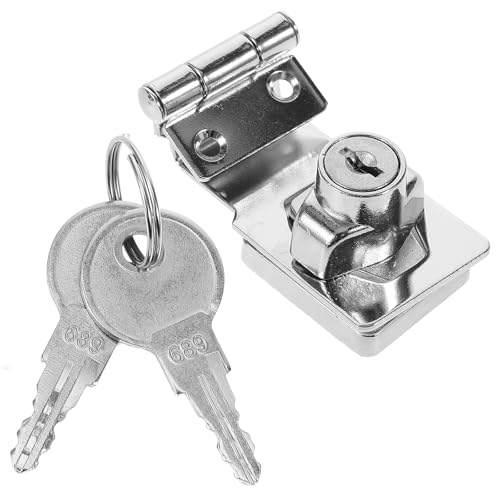
Mirrored, bypass, and double sliding doors often need more planning than standard wood panels. The surface may not accept adhesive well, the overlap may block a receiver, and one locked panel may still leave the other free. A key lock is uncommon here and usually style-dependent rather than universal.
When bypass doors cause trouble
On a bypass setup, the front and back door arrangement can hide the frame where you want the receiver. If the overlap leaves no clean landing spot, move to a different lock style or use a second lock on the other panel. If the hardware cannot line up without rubbing, the fit is wrong.
What changes on mirrored panels
Mirrored closet doors can limit where you safely drill or stick hardware. Some sliding closet doors are mirrored. That means you need a flat, stable area and careful pressure during installation. If the panel flexes or the adhesive edges lift, choose a screw-mounted option only where the construction allows it.
When double sliding doors need both sides secured
With two sliding panels, one latch may stop only one door, leaving the other panel able to move and create access. If you need both panels controlled, install matching hardware on each side or choose a layout that locks the overlapping movement rather than just one door face.
Common mistakes
Most installation problems come from the door, not the lock. If the track is dirty, the rollers are off, or the panels are misaligned, even a good latch can feel unreliable. Fix the moving parts first, then install the lock.
- Skipping track cleaning before installation
- Ignoring roller assemblies that sit crooked in the track
- Mounting child-safety hardware too low
- Choosing adhesive hardware for a surface that will not hold it
- Using only one lock on a double sliding set when both panels can still move
- Expecting a child lock to stop a determined adult
If that did not work, clean the tracks again and check the rollers.
Frequently asked questions
How do I secure a sliding closet door?
Choose a lock that matches the door construction and your goal. For child safety, a high-mounted winged lock is usually the simplest. For better privacy, use a screw-mounted sliding bolt lock with a matching receiver. Clean the tracks first so the door still moves after installation.
How do I child lock a sliding closet door?
Use a winged closet lock mounted high on one sliding door panel. Its adhesive strip makes it a no-drill option, and the high placement keeps it out of a child’s reach. That setup is mainly a deterrent, so do not treat it as adult-proof security.
How do I lock a double sliding closet door?
Use sliding bolt locks on each panel when you want both doors controlled. Use a second sliding bolt lock on the other door. Check the overlap first, because bypass doors can block the receiver if the pieces are placed too low or too close to the edge.
Can you lock a sliding closet door with a key?
Keyed options exist, but they are uncommon and style-dependent for closet doors. If you need a keyed solution, look for hardware made for sliding panels rather than a standard interior latch. For most homes, a bolt lock gives better fit and simpler installation.
How do I lock a sliding mirror closet door?
Use a no-drill winged lock only if the mirror-backed surface gives you a flat, secure mounting spot. Mirrored panels can be less forgiving at the edges and may limit screw placement. If the adhesive will not hold reliably, choose a different mounting location or lock style.
What is the best lock for sliding closet doors?
The best choice depends on your goal. For child access deterrence and rental use, a winged closet lock is usually the easiest fit. For firmer access control, a sliding bolt lock is better. Pick the fewest parts that still match the door type and mounting surface.
Products related to this article
Sponsored / affiliate links. As an Amazon Associate I earn from qualifying purchases. I may earn additional commission from eligible campaigns.